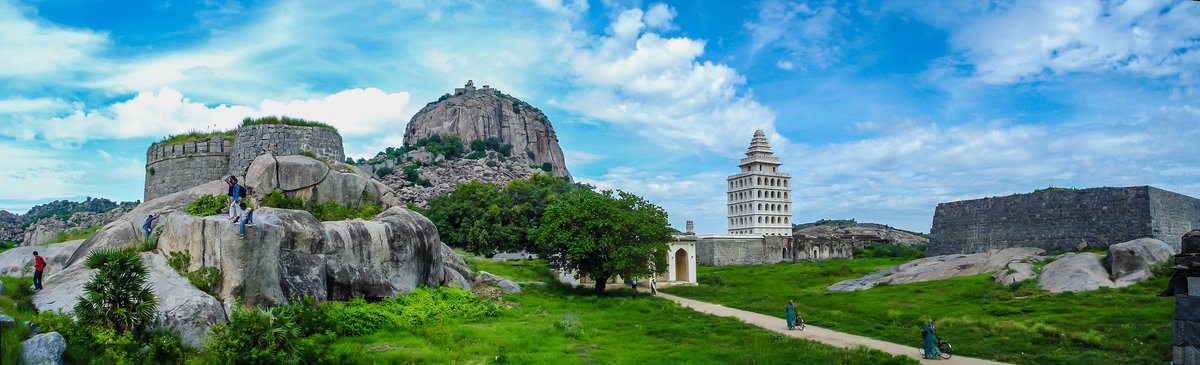
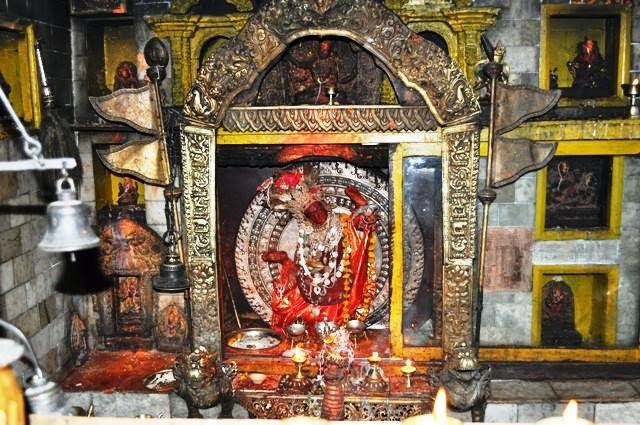
Nellaiappar Temple in Tirunelveli is a place of religious significance. It is a place of spiritual significance. It finds mention in our puranas and many literary books, especially the Tevarams. It’s gopurams and musical pillars are a work of beautiful art.

Musical magnificence of Nellaiappar Temple in Tirunelveli
• This 7th century Musical Pillar produces musical notes when tapped. Indeed a wonder of ancient architecture.

• The majestic Nellaiappar Temple itself is a masterpiece in terms of architecture.
The entire city is synonymous with this temple that is steeped in so many rich legends and stories.

I am talking about the Nellaiappar temple, a living example of beautiful Dravidian architecture that was built by the early Pandyas in the 7th century.
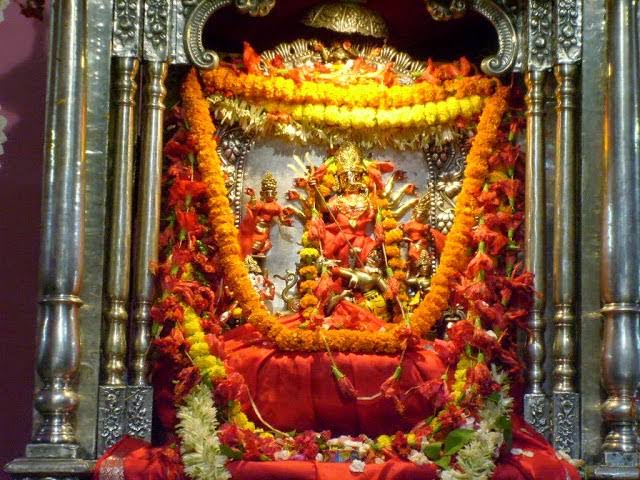
Located on the northern banks of the Thamirabharani river, the Nellaiappar temple is dedicated to Bhagwan Shiv and his consort goddess Parvati. Bhagwan Shiv is worshipped as Nellaiappar or Venuvananathar and Goddess Parvati is worshipped as Kantimathi Amman.
But, its main feature is that it is one of the Pancha Sabhai Sthalangal or one of the 5 places where Bhagwan Shiv is believed to have performed his cosmic dance (Tandava dance). The Nellaiappar temple is the Thamirachabai (copper hall) based on the dance pose of Nataraja.
Other locations of the cosmic dance:
1) Natrajar Temple, Chidambaram –Porchabai (Gold)
2) Meenakshi Amman Temple, Madurai–Vellichabai (Silver)
3) Sri Vadaranyeswarar Temple,Thiruvalangadu, Chennai–Rathinachabai (Emerald)
4) Kutralanathar Temple, Thirukutralam–Chithirachabai (Art)
Even though the Nellaiappar temple was originally built during the reign of the early Pandyas, it has seen many additions during the reigns of the future empires, especially the Cholas, Pallavas, Cheras, Nayaks and the Vijayanagara kings.
Following are the key architectural highlights of this temple and that you should definitely experience during your visit to this cosmic wonder.

1) Mani Mandapam with its famous musical pillars

2)The Sangili Mandapam that connects the shrines of Nellaiappar and Kantimathi Amman
3) Vasantha Mandapam with its 100 pillars

4) Nandi Mandapam and

5) The mighty gopuram of this temple that is 850 feet long and 756 feet wide

More from Vibhu Vashisth 🇮🇳

More from All

MASTER THREAD on Short Strangles.

Curated the best tweets from the best traders who are exceptional at managing strangles.

• Positional Strangles
• Intraday Strangles
• Position Sizing
• How to do Adjustments
• Plenty of Examples
• When to avoid
• Exit Criteria

How to sell Strangles in weekly expiry as explained by boss himself. @Mitesh_Engr

• When to sell
• How to do Adjustments
• Exit


Beautiful explanation on positional option selling by @Mitesh_Engr
Sir on how to sell low premium strangles yourself without paying anyone. This is a free mini course in


1st Live example of managing a strangle by Mitesh Sir. @Mitesh_Engr

• Sold Strangles 20% cap used
• Added 20% cap more when in profit
• Booked profitable leg and rolled up
• Kept rolling up profitable leg
• Booked loss in calls
• Sold only


2nd example by @Mitesh_Engr Sir on converting a directional trade into strangles. Option Sellers can use this for consistent profit.

• Identified a reversal and sold puts

• Puts decayed a lot

• When achieved 2% profit through puts then sold

You May Also Like

THE MEANING, SIGNIFICANCE AND HISTORY OF SWASTIK

The Swastik is a geometrical figure and an ancient religious icon. Swastik has been Sanatan Dharma’s symbol of auspiciousness – mangalya since time immemorial.


The name swastika comes from Sanskrit (Devanagari: स्वस्तिक, pronounced: swastik) &denotes “conducive to wellbeing or auspicious”.
The word Swastik has a definite etymological origin in Sanskrit. It is derived from the roots su – meaning “well or auspicious” & as meaning “being”.


"सु अस्ति येन तत स्वस्तिकं"
Swastik is de symbol through which everything auspicios occurs

Scholars believe word’s origin in Vedas,known as Swasti mantra;

"🕉स्वस्ति ना इन्द्रो वृधश्रवाहा
स्वस्ति ना पूषा विश्ववेदाहा
स्वस्तिनास्तरक्ष्यो अरिश्तनेमिही
स्वस्तिनो बृहस्पतिर्दधातु"


It translates to," O famed Indra, redeem us. O Pusha, the beholder of all knowledge, redeem us. Redeem us O Garudji, of limitless speed and O Bruhaspati, redeem us".

SWASTIK’s COSMIC ORIGIN

The Swastika represents the living creation in the whole Cosmos.


Hindu astronomers divide the ecliptic circle of cosmos in 27 divisions called
https://t.co/sLeuV1R2eQ this manner a cross forms in 4 directions in the celestial sky. At centre of this cross is Dhruva(Polestar). In a line from Dhruva, the stars known as Saptarishi can be observed.
॥ॐ॥
अस्य श्री गायत्री ध्यान श्लोक:
(gAyatri dhyAna shlOka)
• This shloka to meditate personified form of वेदमाता गायत्री was given by Bhagwaan Brahma to Sage yAgnavalkya (याज्ञवल्क्य).

• 14th shloka of गायत्री कवचम् which is taken from वशिष्ठ संहिता, goes as follows..


• मुक्ता-विद्रुम-हेम-नील धवलच्छायैर्मुखस्त्रीक्षणै:।
muktA vidruma hEma nIla dhavalachhAyaiH mukhaistrlkShaNaiH.

• युक्तामिन्दुकला-निबद्धमुकुटां तत्वार्थवर्णात्मिकाम्॥
yuktAmindukalA nibaddha makutAm tatvArtha varNAtmikam.

• गायत्रीं वरदाभयाङ्कुश कशां शुभ्रं कपालं गदाम्।
gAyatrIm vardAbhayANkusha kashAm shubhram kapAlam gadAm.

• शंखं चक्रमथारविन्दयुगलं हस्तैर्वहन्ती भजै॥
shankham chakramathArvinda yugalam hastairvahantIm bhajE.

This shloka describes the form of वेदमाता गायत्री.

• It says, "She has five faces which shine with the colours of a Pearl 'मुक्ता', Coral 'विद्रुम', Gold 'हेम्', Sapphire 'नील्', & a Diamond 'धवलम्'.

• These five faces are symbolic of the five primordial elements called पञ्चमहाभूत:' which makes up the entire existence.

• These are the elements of SPACE, FIRE, WIND, EARTH & WATER.

• All these five faces shine with three eyes 'त्रिक्षणै:'.