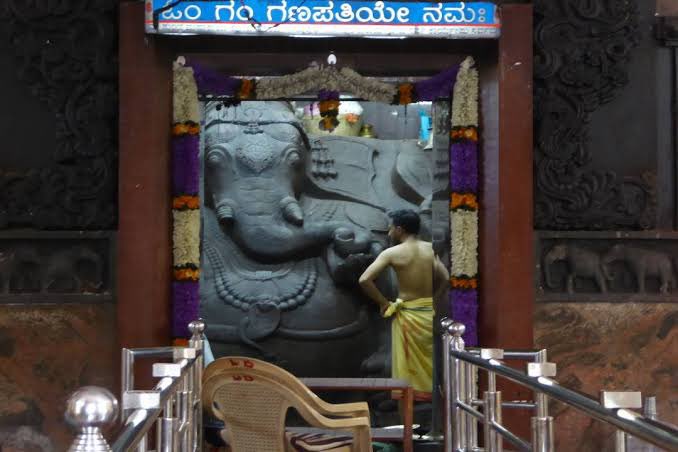
Yudhishthira asks Bhishma in this discussion, "What causes a person to be sad? Why do people experience pain?"
According to the Mahabharata, there are 14 reasons for sadness.
Yudhishthira goes to meet Bhishma, who is dying, after the Kuru war, amid a victory that has come at a high cost.
Yudhishthira asks Bhishma in this discussion, "What causes a person to be sad? Why do people experience pain?"
(There is a great phrase in Welsh that describes this feeling for home — hiraeth.)
It is stressful to be without adequate means of living (lack of unique expertise).
However, if a person is too proud to ask for aid out of a false sense of self-respect, he or she will suffer.
It can be painful for a knowledgeable and deserving person to be belittled and ridiculed by people who lack knowledge and kindness.
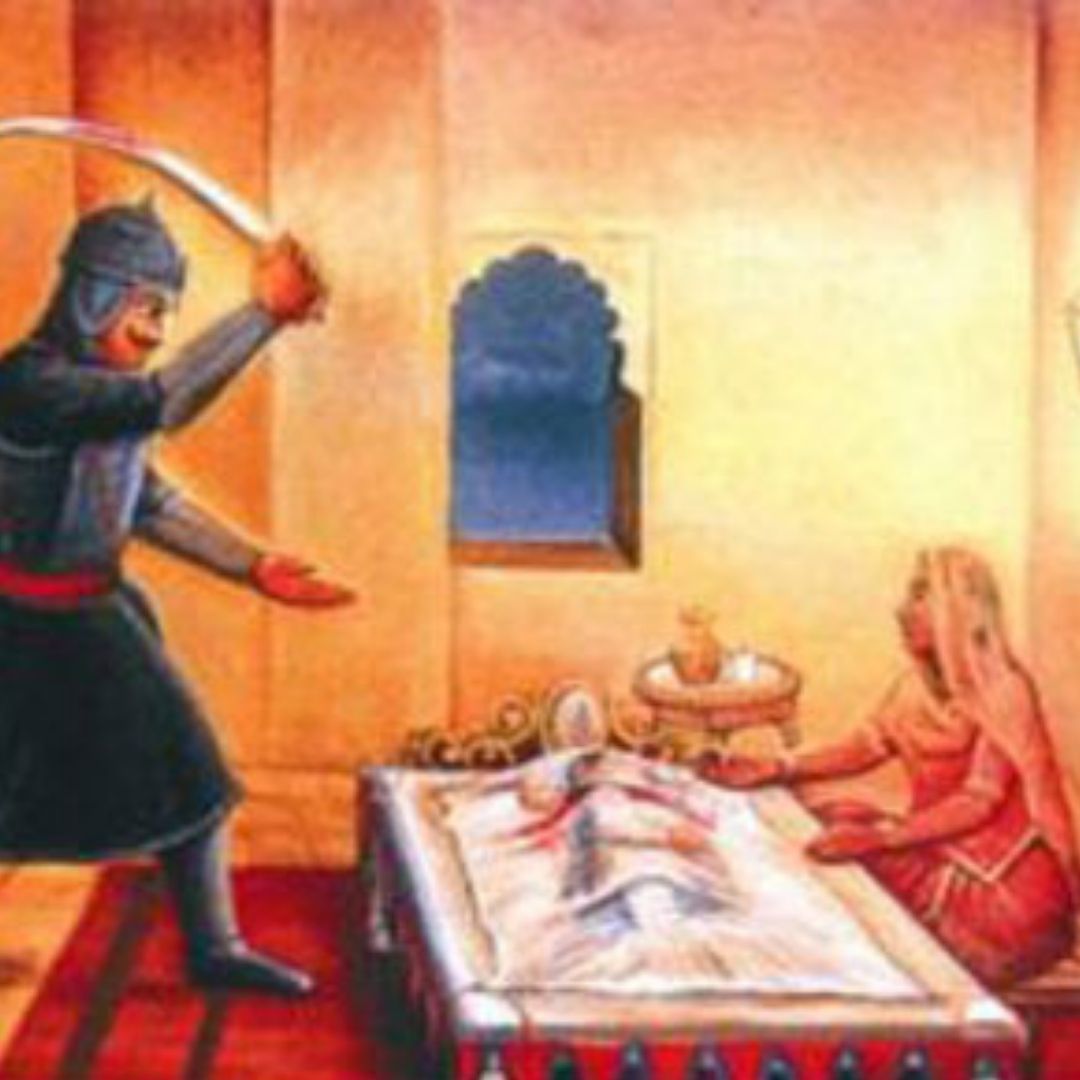
When an opponent acts as if he or she is a friend, develops trust, and then breaks that trust, the result is bitterness and misery.
More from sriram 🇮🇳




More from All






The best morning routine?
Starts the night before.
9 evening habits that make all the difference:
1. Write down tomorrow's 3:3:3 plan
• 3 hours on your most important project
• 3 shorter tasks
• 3 maintenance activities
Defining a "productive day" is crucial.
Or else you'll never be at peace (even with excellent output).
Learn more
2. End the workday with a shutdown ritual
Create a short shutdown ritual (hat-tip to Cal Newport). Close your laptop, plug in the charger, spend 2 minutes tidying your desk. Then say, "shutdown."
Separating your life and work is key.
3. Journal 1 beautiful life moment
Delicious tacos, presentation you crushed, a moment of inner peace. Write it down.
Gratitude programs a mindset of abundance.
4. Lay out clothes
Get exercise clothes ready for tomorrow. Upon waking up, jump rope for 2 mins. It will activate your mind + body.
Starts the night before.
9 evening habits that make all the difference:
1. Write down tomorrow's 3:3:3 plan
• 3 hours on your most important project
• 3 shorter tasks
• 3 maintenance activities
Defining a "productive day" is crucial.
Or else you'll never be at peace (even with excellent output).
Learn more
How to be 5x more productive.
— Ben Meer (@SystemSunday) August 1, 2022
A best-selling author\u2019s 3-3-3 Method:
2. End the workday with a shutdown ritual
Create a short shutdown ritual (hat-tip to Cal Newport). Close your laptop, plug in the charger, spend 2 minutes tidying your desk. Then say, "shutdown."
Separating your life and work is key.
3. Journal 1 beautiful life moment
Delicious tacos, presentation you crushed, a moment of inner peace. Write it down.
Gratitude programs a mindset of abundance.
4. Lay out clothes
Get exercise clothes ready for tomorrow. Upon waking up, jump rope for 2 mins. It will activate your mind + body.


You May Also Like

"I really want to break into Product Management"
make products.
"If only someone would tell me how I can get a startup to notice me."
Make Products.
"I guess it's impossible and I'll never break into the industry."
MAKE PRODUCTS.
Courtesy of @edbrisson's wonderful thread on breaking into comics – https://t.co/TgNblNSCBj – here is why the same applies to Product Management, too.
There is no better way of learning the craft of product, or proving your potential to employers, than just doing it.
You do not need anybody's permission. We don't have diplomas, nor doctorates. We can barely agree on a single standard of what a Product Manager is supposed to do.
But – there is at least one blindingly obvious industry consensus – a Product Manager makes Products.
And they don't need to be kept at the exact right temperature, given endless resource, or carefully protected in order to do this.
They find their own way.
make products.
"If only someone would tell me how I can get a startup to notice me."
Make Products.
"I guess it's impossible and I'll never break into the industry."
MAKE PRODUCTS.
Courtesy of @edbrisson's wonderful thread on breaking into comics – https://t.co/TgNblNSCBj – here is why the same applies to Product Management, too.
"I really want to break into comics"
— Ed Brisson (@edbrisson) December 4, 2018
make comics.
"If only someone would tell me how I can get an editor to notice me."
Make Comics.
"I guess it's impossible and I'll never break into the industry."
MAKE COMICS.
There is no better way of learning the craft of product, or proving your potential to employers, than just doing it.
You do not need anybody's permission. We don't have diplomas, nor doctorates. We can barely agree on a single standard of what a Product Manager is supposed to do.
But – there is at least one blindingly obvious industry consensus – a Product Manager makes Products.
And they don't need to be kept at the exact right temperature, given endless resource, or carefully protected in order to do this.
They find their own way.