It all started with a simple question:
"May I use the xerox machine?"
Researchers asked this to see if they can cut in front of people already busy using the copy machine.
They asked the same question, in 3 different ways.👇
1. Excuse me, I have 5 pages. May I use the xerox machine?
2. Excuse me, I have 5 pages. May I use the xerox machine, because I have to make copies?
3. Excuse me, I have 5 pages. May I use the xerox machine, because I'm in a rush?
Want to take a guess as to which one was the most successful in getting the researchers to cut in front?
Try it.
And then have a look at the results below:👇
1st question - 60% success rate.
2nd question - 93% success rate. 👀
3rd question - 94% success rate.
Researchers had a 55% higher chance of being allowed to cut in front when providing a reason, be it an irrational one.
The study is famously known today as "The Copy Machine Study".
It was one of the first of its kind and is considered foundational for the concept we know today as "Cognitive Bias".
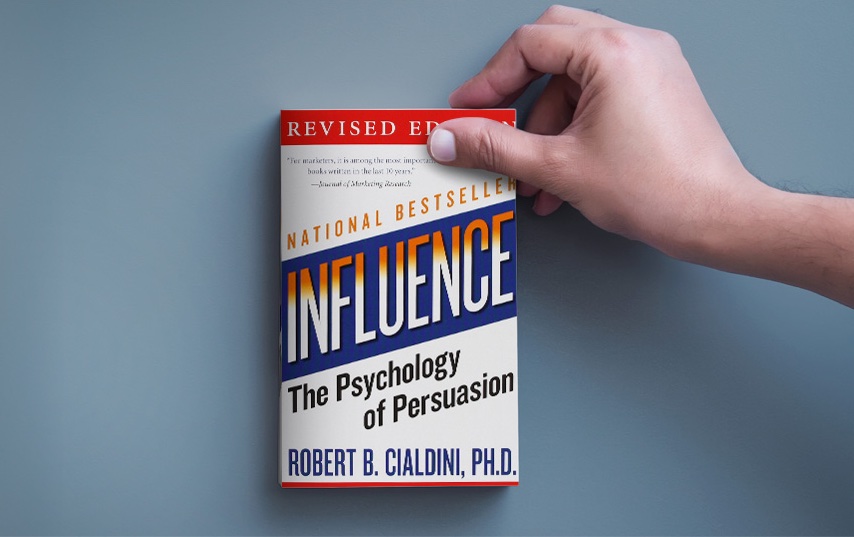
In his book Influence, Robert Cialdini says:
"When we ask someone to do us a favor we will be more successful if we provide a reason. People like to have reasons for what they do."
Let's see how we can use this simple, yet powerful concept, to sway human behavior.
Whether it's getting people to sign up for your newsletter, booking a flight, or following you on Twitter. 👇
1. Signing up for a newsletter.
James Clear does this elegantly on his own blog:
Why sign up?
1. Wisdom delivered every week.
2. Takes only 5 minutes to read.
3. It's FREE.
One short sentence, 3 compelling reasons.
Brilliant.
2. Booking a flight.
Kayak uses data science to make predictions on how prices will fare in the next 7 days.
Based on that you get a recommendation to either wait or buy your tickets right now:
With this, they:
1. Establish authority.
2. Help you find the best deal.
3. Give you a good reason to purchase here.
Ingenious.
3. Asking for someone's birthday.
We don't like giving away personal information unless we really have to.
Overcome data-related anxieties by showing why information is needed and how it helps improve the service you are offering.
Here's a simple example from an insurance company that does just that:
4. Get more Twitter followers.
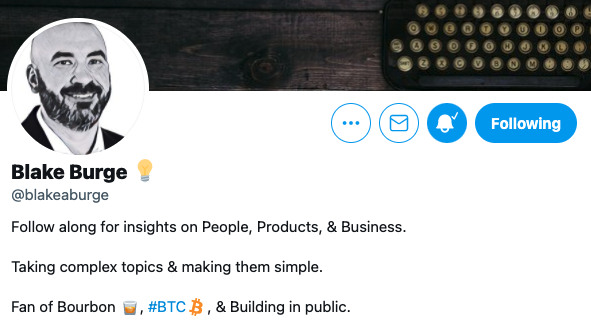
A strong bio should give people a good reason to follow you right away.
Here are some great examples from
@blakeaburge, @aaditsh, @jmoserr and
@Julian:
Notice how each profile focuses on the value you get and on the reason why you should follow them.
Not so much on personal achievements.
One final, bonus tip.
To increase the likelihood of people taking action after reading your call:
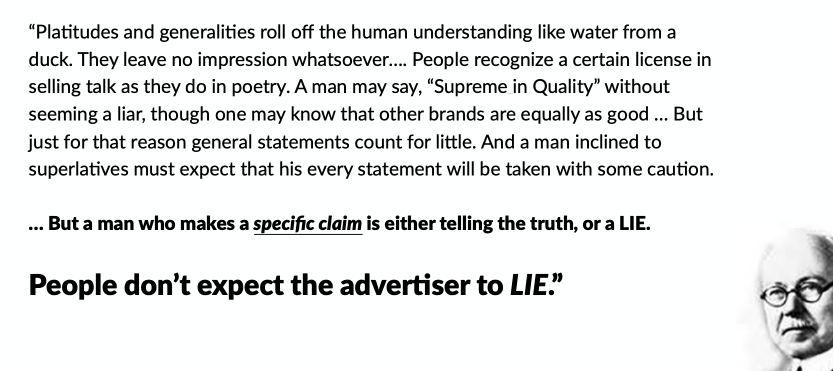
Be specific.
All the examples from above 👆 follow this principle.
Consider Claude Hopkin's take on this:
We take for granted the fact that people think.
But we are overloaded with daily decisions.
Our brains are constantly looking for cues to make things easier.
And most of it happens subconsciously.
Use these tips and make it easy for people to decide.
Give them a compelling reason to take action.
If you found this valuable, I'd be grateful and humbled if you would:
1. Re-tweet the first tweet to help others find this thread.
2. Follow me
@andreiongrowth.
Why?
Because the more people enjoy content like this, the more it motivates me to carve time out and put together ideas like this that you can apply in your daily life.