https://t.co/o7RUwai0MC
@Ginger624 @TeresaCCarter2 @YDanasmithdutra @CatsChocolates @hairgoddess1221 @StaarVellocet @HoneybadgerLA @ABrat626 @zipillinois @LoboLaurel1 @AmbienStupor @loronnella @JulieKay0914 @dontdoitdrew @MakiSupaStar @BelltollsGOP Closer to home: @100FrogLegs @clearing_fog h/t @ChristopherJM
Jun 26, 2021:
1/ "When FBI agents in San Diego seized the cell phone of a suspected white supremacist last year, they discovered text messages with a Georgia sheriff’s deputy...
Cody Griggers, a former Marine and sheriff\u2019s deputy revealed plans to steal explosives, dry runs with illegal silencers and boasts of racial violence. Also said he arrested Black people and charged them with felonies to prevent them from voting.https://t.co/ZXcZHtkw10
— Kristofer Goldsmith (@KrisGoldsmith85) June 26, 2021
https://t.co/o7RUwai0MC
"'Yeah, I’ll pay big money for bang an (sic) boom,' Zamudio replied. 'I’m ready to terrorize LA.'”
"Prior to being hired [by Wilkinson County GA sheriff's dept in Nov 2019], Griggers submitted to a lengthy questionnaire and polygraph examination...
"Questions about racial attitudes or political ideologies are explicitly prohibited... (con't)
"But Wood said he was unaware of the FBI investigation. 'I am similarly not aware of any current review of his time at MCAS Miramar,' he said. con't
The Marines have investigated other incidents at bases in San Diego. (con't)
Archive of AJC Jun 26, 2021 article, which includes lots of disturbing text messages between Griggers and Zamudo, and other pertinent details.
https://t.co/J5oCxHjqDX
More from All








You May Also Like


Krugman is, of course, right about this. BUT, note that universities can do a lot to revitalize declining and rural regions.
See this thing that @lymanstoneky wrote:
And see this thing that I wrote:
And see this book that @JamesFallows wrote:
And see this other thing that I wrote:
One thing I've been noticing about responses to today's column is that many people still don't get how strong the forces behind regional divergence are, and how hard to reverse 1/ https://t.co/Ft2aH1NcQt
— Paul Krugman (@paulkrugman) November 20, 2018
See this thing that @lymanstoneky wrote:
And see this thing that I wrote:
And see this book that @JamesFallows wrote:
And see this other thing that I wrote:

BREAKING: @CommonsCMS @DamianCollins just released previously sealed #Six4Three @Facebook documents:
Some random interesting tidbits:
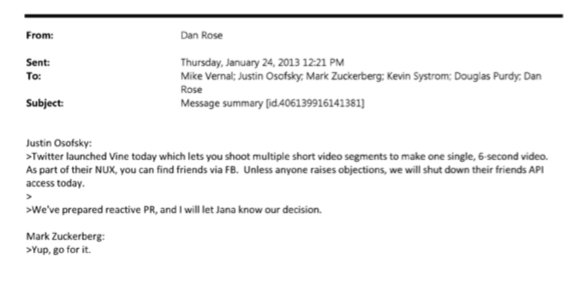
1) Zuck approves shutting down platform API access for Twitter's when Vine is released #competition
2) Facebook engineered ways to access user's call history w/o alerting users:
Team considered access to call history considered 'high PR risk' but 'growth team will charge ahead'. @Facebook created upgrade path to access data w/o subjecting users to Android permissions dialogue.
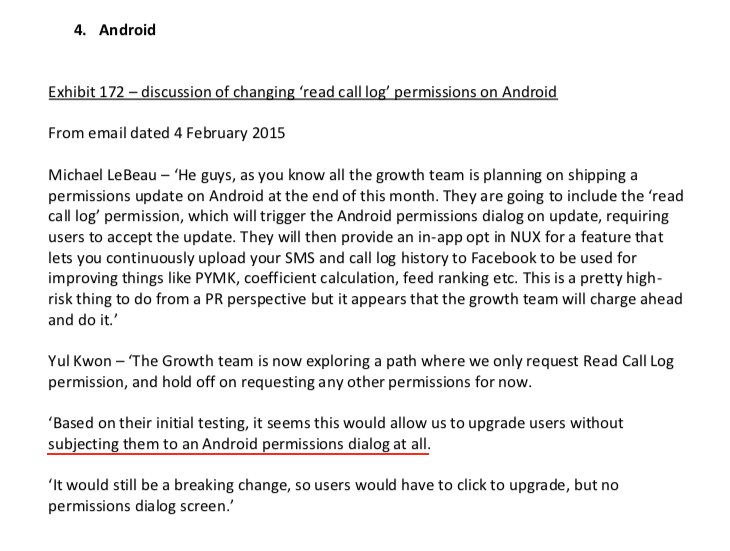
3) The above also confirms @kashhill and other's suspicion that call history was used to improve PYMK (People You May Know) suggestions and newsfeed rankings.
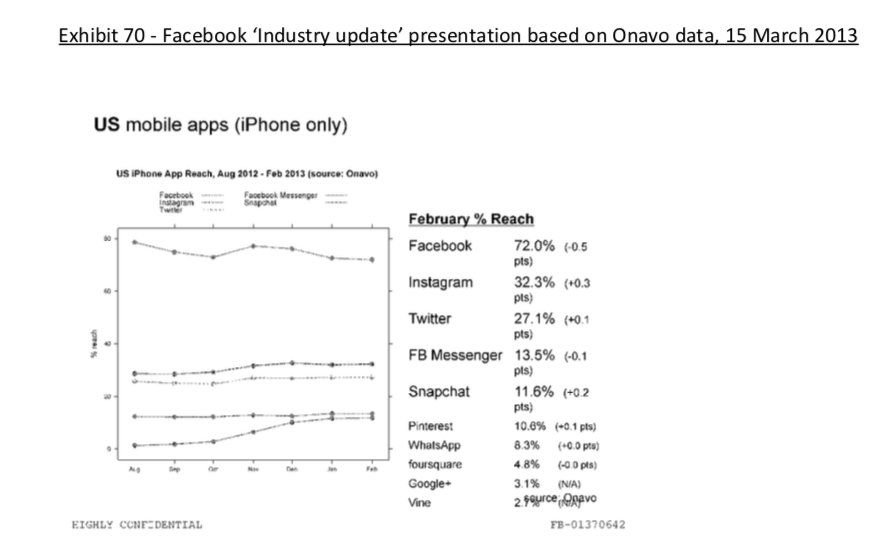
4) Docs also shed more light into @dseetharaman's story on @Facebook monitoring users' @Onavo VPN activity to determine what competitors to mimic or acquire in 2013.
https://t.co/PwiRIL3v9x
Some random interesting tidbits:
1) Zuck approves shutting down platform API access for Twitter's when Vine is released #competition
2) Facebook engineered ways to access user's call history w/o alerting users:
Team considered access to call history considered 'high PR risk' but 'growth team will charge ahead'. @Facebook created upgrade path to access data w/o subjecting users to Android permissions dialogue.
3) The above also confirms @kashhill and other's suspicion that call history was used to improve PYMK (People You May Know) suggestions and newsfeed rankings.
4) Docs also shed more light into @dseetharaman's story on @Facebook monitoring users' @Onavo VPN activity to determine what competitors to mimic or acquire in 2013.
https://t.co/PwiRIL3v9x