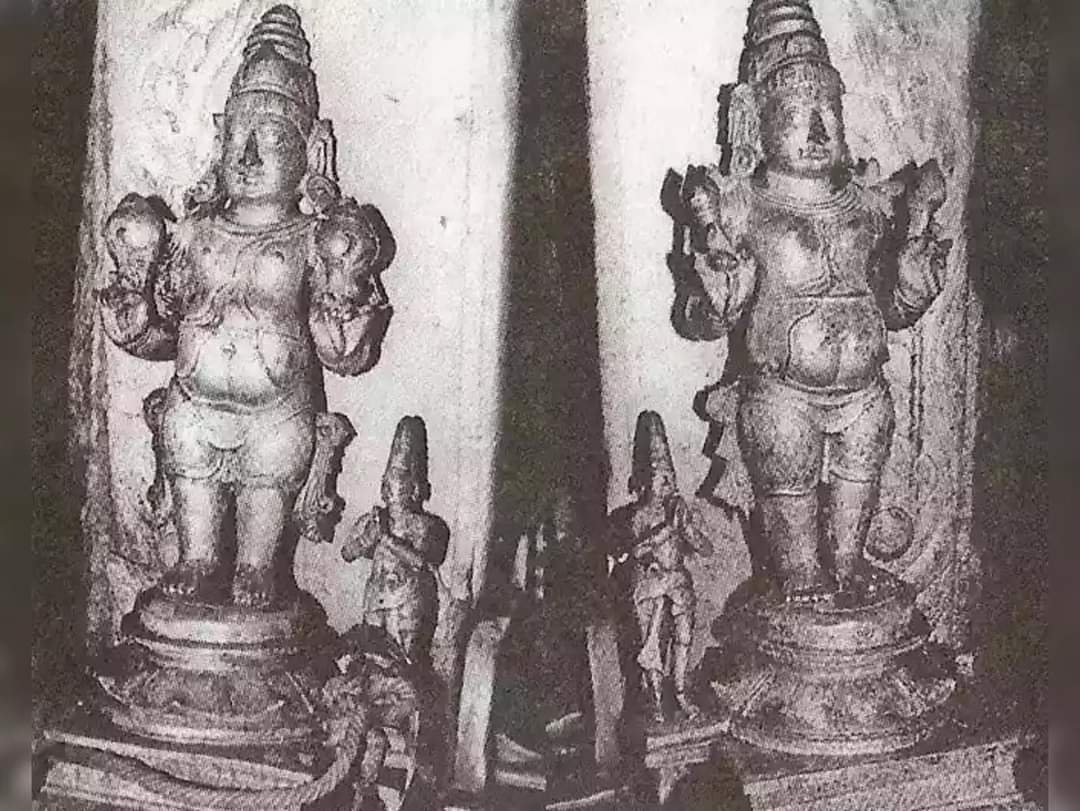
extraction and surgical management of obstructed labour are found. The original textbook written by Sushruta was later redacted by Nagarjuna(400-500 CE) and was amended by Chandrata thereafter(10th century CE).Banaras happened to be the place where
Sushruta practiced surgery.
He described the extracapsular
surgical technique of cataract extraction using a sharply pointed
instrument. This is one of the earliest documented surgical
approaches to treat cataract. Sushruta’s technique of reconstruction surgery was in use among Vaidyas even during the
Colonial rule.
A case report of a Vaidya using forehead flap to reconstruct the nose was published as a letter to the editor in the Gentleman’s Magazine in 1794. This in fact made western world aware of this technique.
🌅Recent history of surgical practice by Ayurveda.
While practice of Ayurveda medicine continued uninterruptedly, the surgical practice came to a standstill due to multitude of
reasons including the advent of Buddhist philosophy and social
prejudice against surgery.
Though there were earlier proposals to include surgery in Ayurveda education, the actual revival of
Ayurvedic surgery started
around two decades before the CCIM came into existence in 1971.
The contribution of Banaras Hindu University in this process of revival is significant.
In BHU both western medicine
and Ayurveda are taught under the common roof of Institute of
Medical Sciences. The leaders who played a major role in giving
shape to this kind of a unique institute were the products of earlier Ayurveda College that awarded AMS
(Ayurvedacharya with
Medicine and Surgery) degrees in BHU. Two such pioneers, Prof.
KN Udupa and Prof. PJ Deshpande though were basically from the
stream of Ayurveda, got their training in surgery from the University of Michigan, USA and Vienna Academy of Medicine, Austria.
These universities welcomed them and trained them well in surgery. These teachers later even trained the students of initial batches of MBBS in BHU. This environment
made many Ayurveda Vaidyas learn modern surgery under the
direct supervision and training of these professors
and also from the professors of western surgery in 1950’s and 60’s. Many of these trained Vaidyas got dispersed across all corners of India, and started teaching surgery in various Ayurveda colleges. Thus, most of the established surgeons from Ayurveda have their connection wit
BHU directly or indirectly.
However, based on their
exposure, the skills these surgeons possess might be limited to
certain types of procedures, ano-rectal procedures being the most common ones. Similarly, there are skilled ophthalmologists and
ENT specialists in Ayurveda,
who can surgically operate many
cases. Hence, the limitation imposed by the extent of clinical
exposure they received during their training is one of the major
factors that determines what they actually practice.
In Kerala and Karnataka, most of the Shalakya specialists do
not perform any surgeries at all. They do not perform even
comparatively simpler procedures such as septoplasty or cataract
surgeries. Instead, they target only such clinical conditions that do
not require surgical
Intervention.
many Shalya practitioners
practice clinical medicine instead of surgery because the cases they opt to treat are of different category. Many times
they restrict themselves to chronic wounds, wart excision, drainage
of abscesses and other minor surgical procedures.
The conspiracy of IMA and many organisation to stop vaidyas from practise Surgery
The development of seton therapy to treat ano-rectal fistula took place in BHU after taking cues from Sushruta Samhita. Good observational studies with large number of cases
were reported in
1960’s and 70’s in highly reputed journals by Ayurveda teachers from BHU. Today, this therapy is well
recognised by modern day surgeons and is included in standard western textbooks of surgery. This achievement was possible only
because these Vaidyas had access to patients.
Application of Kshara, another procedure that is gaining popularity in the management of haemorrhoids is also developed by Shalya Tantra specialists who have access to patients. Application of leeches,
another popular intervention being practised by many surgeons
also can be
raced back to Sushruta Samhita. Hence, there cannot be a bigger mistake than banning Vaidyas from seeing patients and asking them to stop what they have been doing.
🌅The actual Problem
Where is the actual problem?
A majority of students see Ayurveda programs as a backdoor entry to practice western medicine/surgery. They join these colleges because they were unable to get into MBBS programs. Many times students join BAMS after spending 3-4
years in preparations for pre-medical entrance tests and failing thereafter.
Loopholes in the system have allowed the establishment of substandard colleges in large numbers.Out of 400 and odd colleges that are functional at present,about 250 were established during last 20 years.
In many colleges there are neither patients nor teachers.
Such institutions thrive because of fake patient records and ghost teachers that are shown to the inspecting CCIM committees. In most of the Ayurveda colleges, students do not get
exposed to a variety of cases.
Mostly the cases they get to see
belong to chronic diseases like joint disorders, skin diseases, stroke
etc. Hence, the training these students receive in any branch are not uniform and vary widely from institution to institution.
Dhanyawad🙏