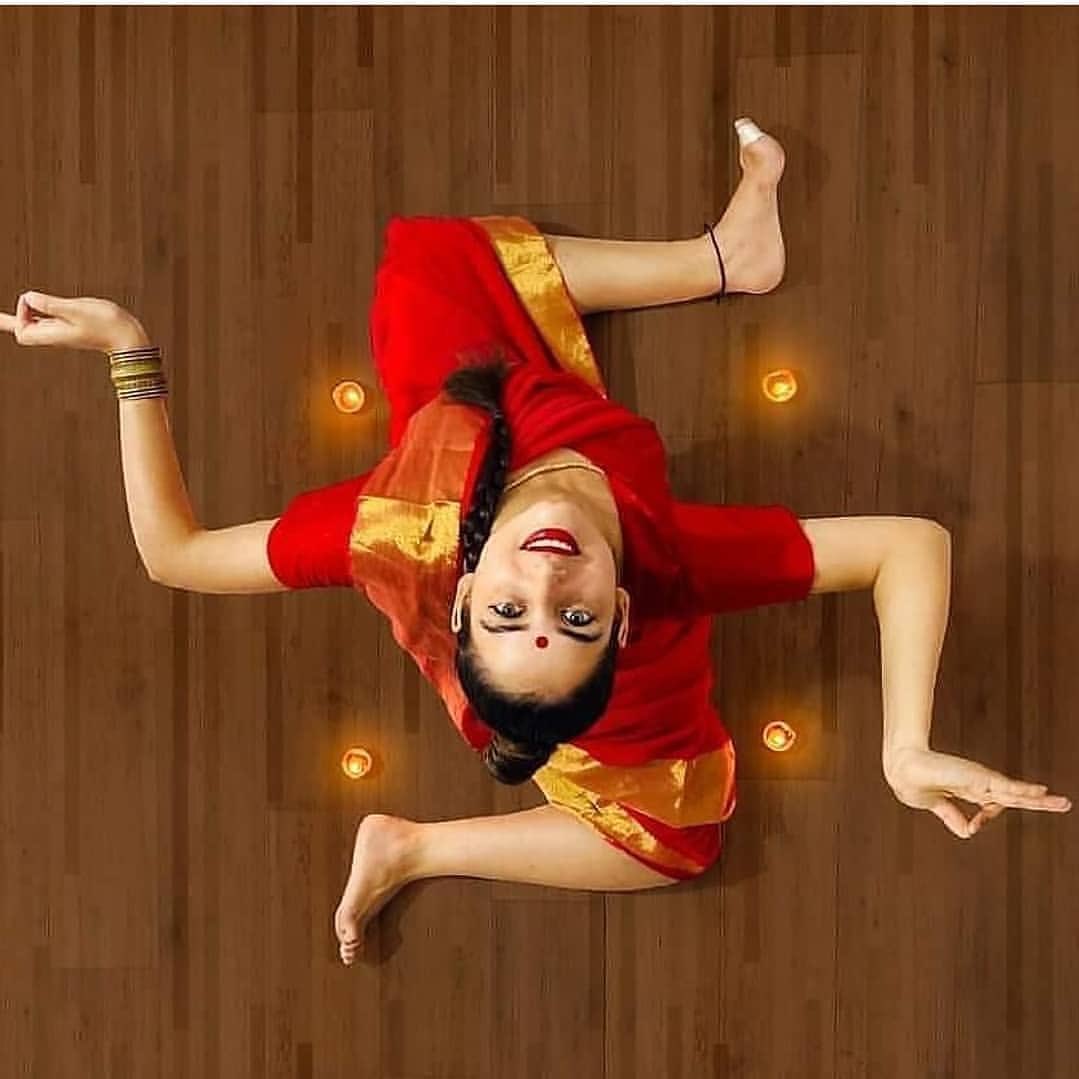
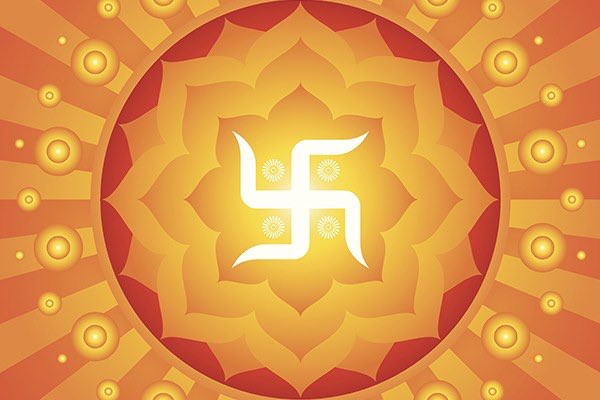
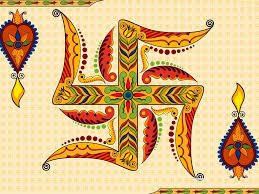
So, Swasti means Be Auspicious or Be Welfare
and Swastika means Auspicious/Welfare Doer.
It is also believed to be a symbol of good, auspicious and welfare from ancient times.
History-
The journey of Swastika from its origin to today's world is filled with mysteries and
broken links of evidences spread over different ages of civilization.
According to a research published by IIT kharagpur-
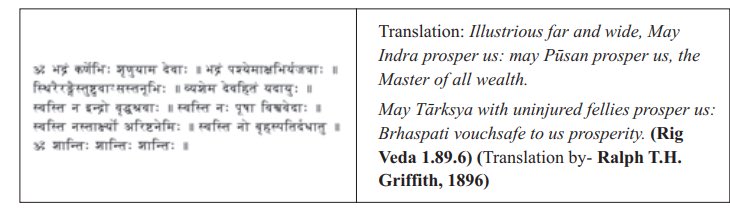
“The Vedas also have a mention of various forms of Swastika. 1.89.6 of Rig Veda, gives a brief introduction of Swastika in the cosmos,
with the higher level of Indra, Pusha, Tarksya and Brihaspati at the macrocosmic level and seeking their blessing is the man at microcosmic level. Lusha Dhanaka Rishi explains the various manifestations of the Swastika in the 10:35 and 36 Suktas of Rig Veda.”
The graphic form of in Indus Valley seals are the earliest recorded swastikas in India. The epic of Ramayana also mentions the symbol embossed in the boat that ferried Lord Rama while the Mahabharata describes the Chakra-Vyuha or the Swastika maze.
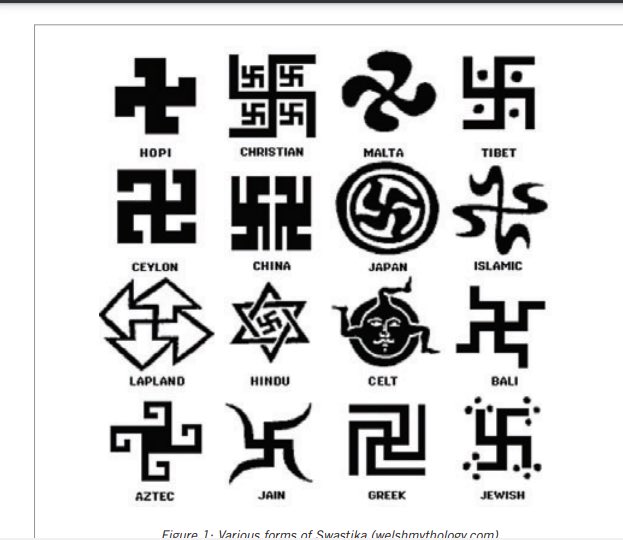
However, The oldest known figurine carved with a recognizable swastika dating to 10,000-13,000 BCE was found in Mezine Ukraine. In the Balkans, the swastika has been used for at least the past 8,000 years. The Indus-Saraswati civilization used the swastika extensively with
archeological evidence dating back to at least 4,000 BCE showing its usage. Apart from it, the swastika was also used in China, Tibet, America, Korea, Mongolia, Japan, Australia etc.
Structure and Significance:
There are majorly 2 types of Swastika:
1.Right (卐)
2.Left (卍)
Swastika is made of two lines, both lines are drawn and divided at right angles and the heads/terminals of them are stretched in left to right direction in such a way that they don't touch/meet.
Symbolism and beliefs:
Right Swastika is a symbol of Nar & Left Swastika is a symbol of Nari.
• The horizontal lines of Swastika is a symbol of Creation of Universe or Jyotirlinga & vertical lines is a symbol of Expansion of Universe
• The center point of Swastika is believed to be नाभि कमल i.e
Navel Lotus of Vishnu from where the Universe is originated.
Only right Swastika is almost used and reverse (left) Swastika is believed inauspicious sometime.
In Hinduism Swastikas are drawn before starting any work with a belief that work will be good, auspicious & welfare.
Four lines are symbol of as follows:
• Four head of Brahma
• Four Vedas
• Four infinite directions
• Four types of welfare/auspicious
• Four Ashram, Varna or Purushartha
Besides, Swastika has also very significance in Jyotisha and Vastu Shashtra.
Swastika & Om:
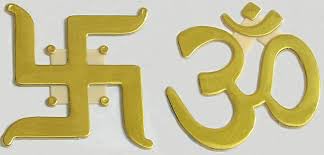
ॐ can be taken in the form of 卐. According to some scholars, in the beginning of knowledge of Lipi/script, it is created in liner form instead of circular form. In the transformation/conversion of ॐ in to script 卐 is naturally formed.
Similar to Om which is believed to be full with divine guna, auspicious and elimination of disturbance (Vighnaharta) as having the power of Utpatti(creation), Sthiti(state) and Laya(Dissolution), Swastika is also believed having the habitat of Paramatma with power of creation,
state and dissolution but with secondary/lower art comparatively to AUM.
Association with Hitler:
It may surprise you that hilter himself never used the term swastika for his Symbol. He took it from christianity, which was known as hooked cross.
The association of swastika happed with hitler only when his book Mein Kampf (which was in german language) was translated in English by james murphy as he replaced the term ‘hooked cross’ with Swastika.