1. Awareness
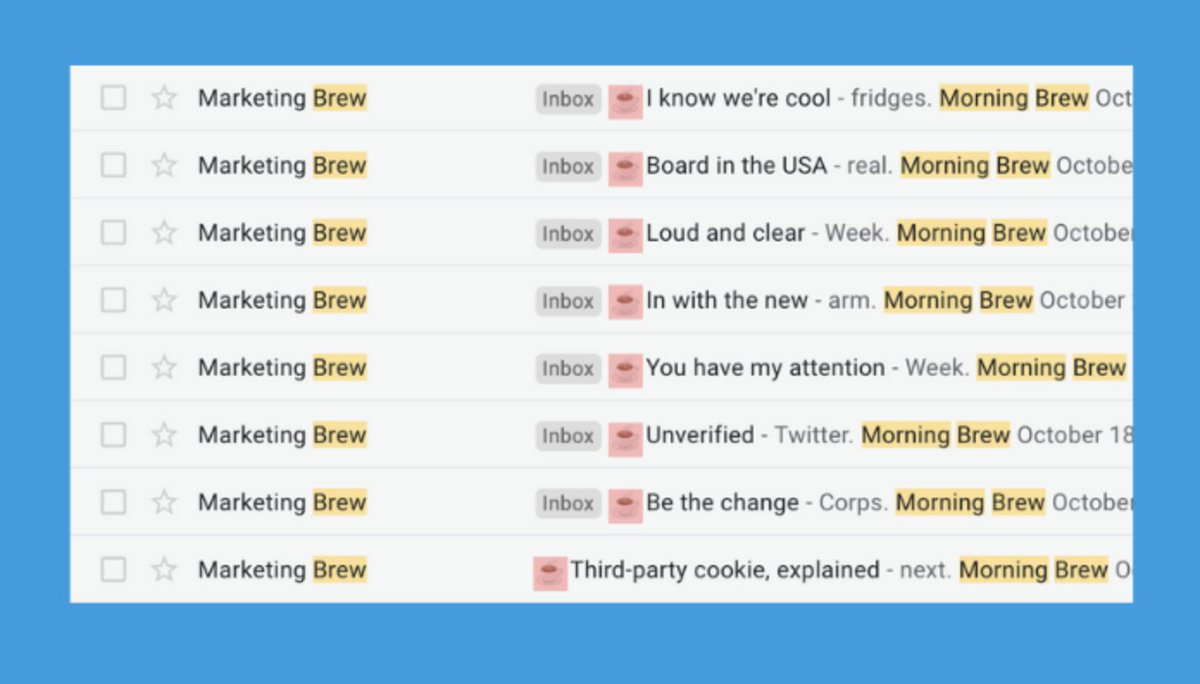
Generating brand awareness is the act of winning someone's attention.
Whether content marketing, paid marketing, or influencer marketing, attention is the deciding factor in having a potential customer or someone ignoring you.
Once you have it -- don't waste it.
2. Acquisition
What channel do your customers spend the most time on?
NOT, which channel is everyone using.
Specifically, your target audience.
Using the right platform can drastically reduce your CAC.
You’ve picked the right platform, now what?
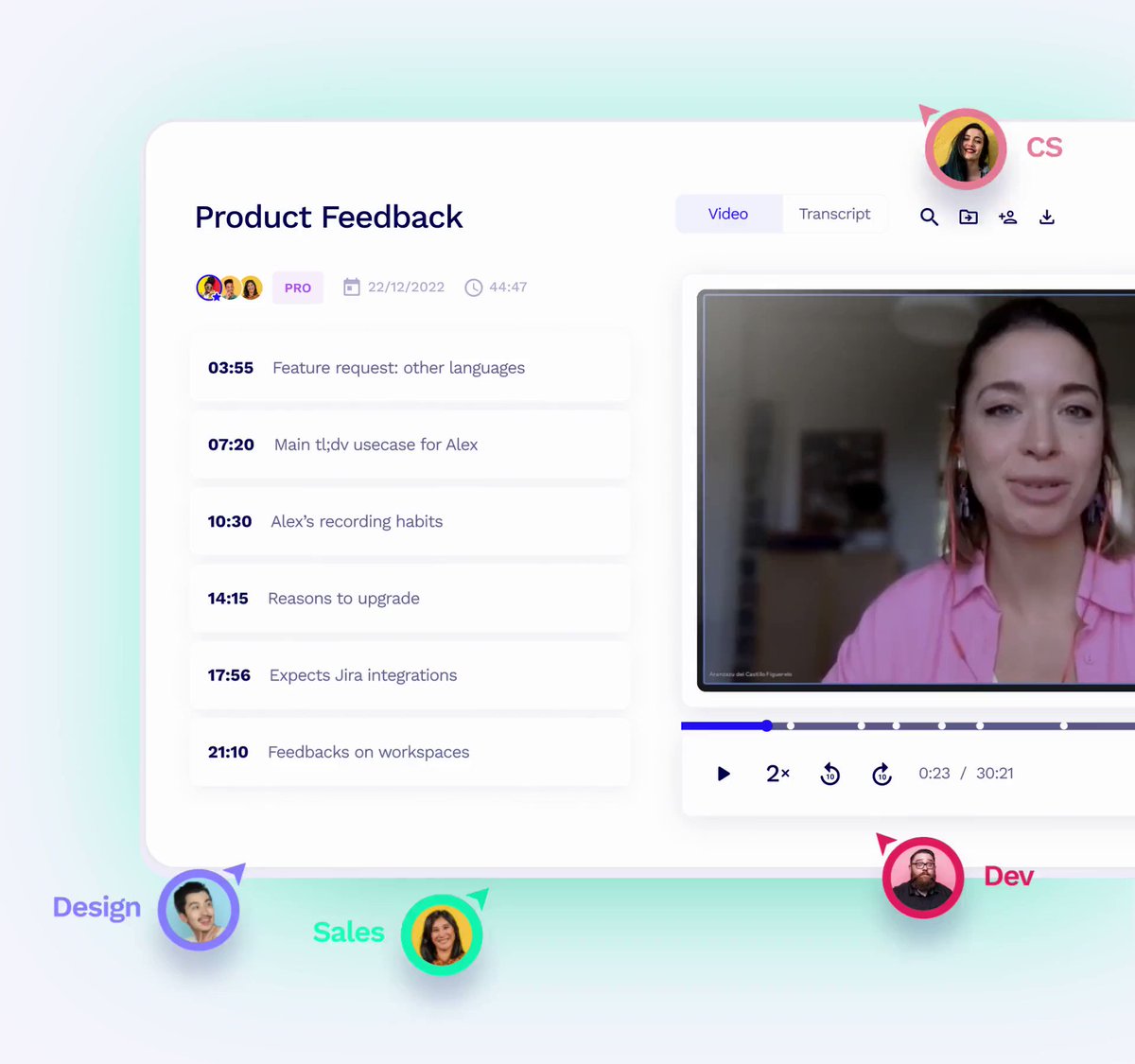
Use some form of a lead magnet to get them into your funnel or growth loop.
A lead magnet is some form of value that you provide in exchange for customer info.
Make the process as frictionless as possible and they’ll start moving down your funnel.
3. Activation
Just because they signed up doesn’t mean the process is over.
Customers want to be delighted.
From the first customer touch point and ongoing.
If not, the chances of getting the consumer to act drops significantly.
Don’t want to f*ck this up?
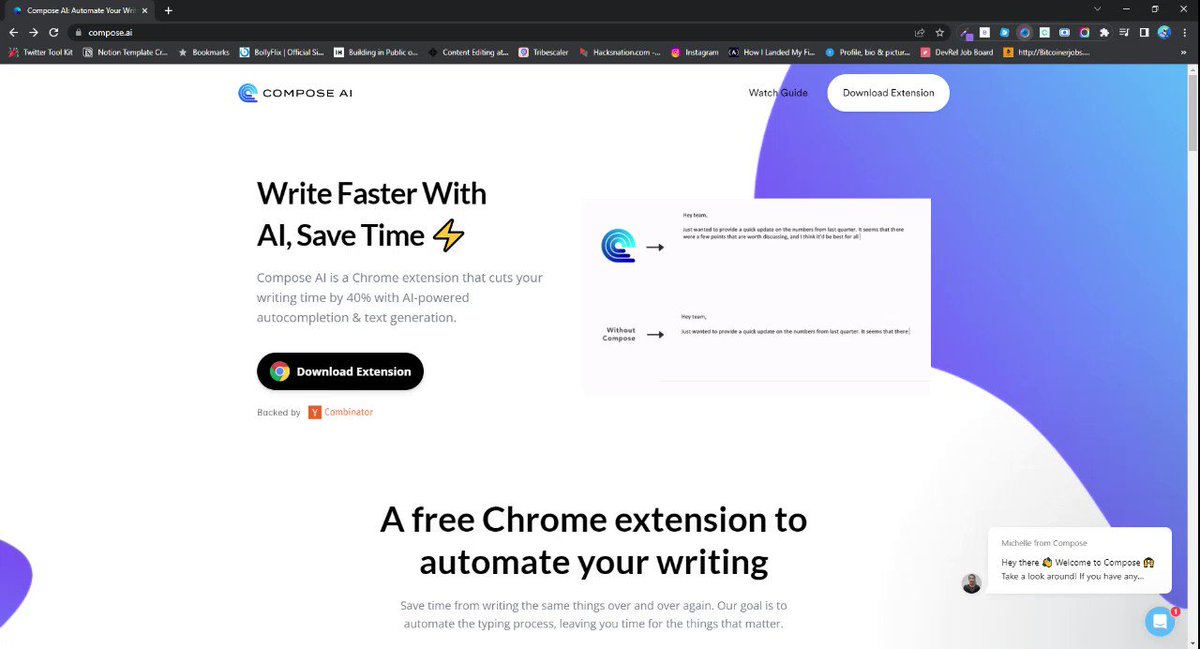
Have an onboarding strategy.
What’s the activation/onboarding road map look like?
For ex:
They just signed up for a newsletter — what’s next?
Someone just installed your app — what’s next?
Your onboarding process always answers what’s next.
4. Retention
There are two types of businesses:
1. Toot it and boot it - meaning buy once and never communicate again
2. Looking for a long term relationship - investing time and money in making their customers happy and a part of the life cycle of the brand
Be option #2.
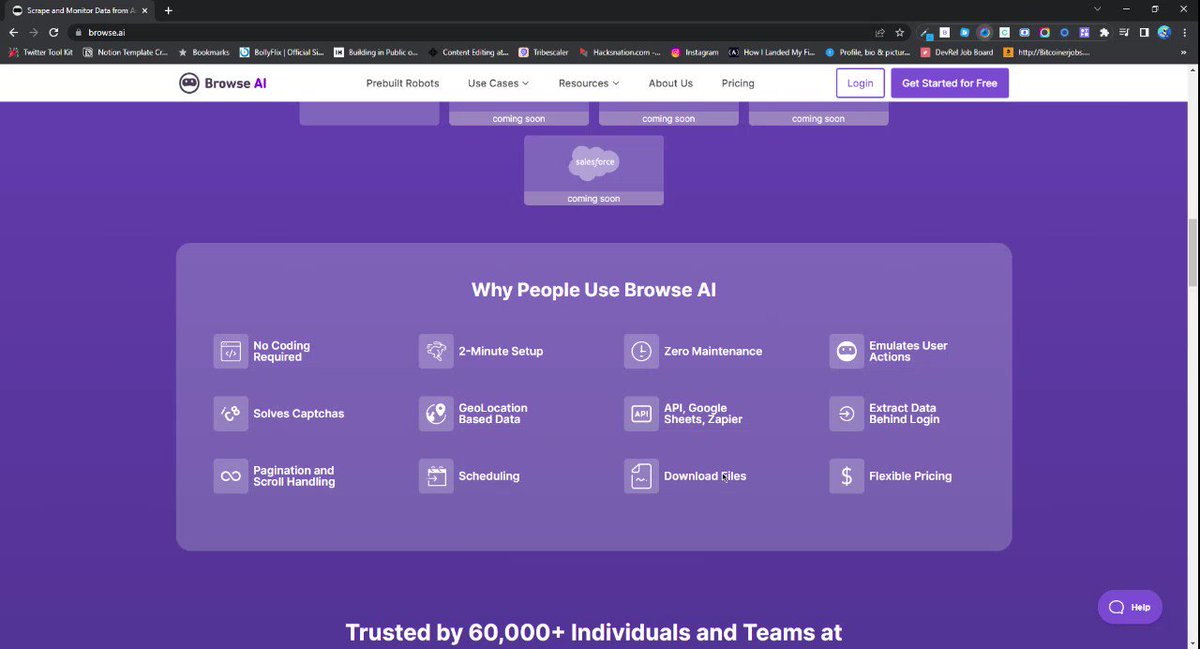
Continuously showing up, providing value, and communicating is how you get a consumer to stay.
Retention = long-term growth.
Retention drives:
- Acquisition (word of mouth, referrals)
- Monetization (same customer buying over and over)
- Affinity (people loving your brand)
5. Referral
Everybody knows the best form of marketing is word-of-mouth. Always was and always will be.
Today, referral systems are built into the onboarding process.
In April 2010, Dropbox users sent out 2.8m direct referral invites.
Over 15 months, they registered over 4 million new users.
Their referral system increased signups by 60%.
The only way referrals work is if steps 1-3 are hitting on all cylinders.
Customers who aren’t happy, won’t refer you.
Word-of-mouth works both ways.
Shitty experience and they’ll talk shit about you.
Great experience and they’ll praise you.
6. Revenue
Your customer is here.
They’ve bought your product, use it, and love it.
Jobs not finished though.
Your focus now is on your Customer Lifetime Value.
How much is each customer worth to the business over the entire period of the relationship.
Ways you do this:
- Build a community
- Continue providing value
- Updating products
- Creating new products
- Offering diff pricing models
Want more breakdowns and how-tos on your feed? Then make sure to follow
@alexgarcia_atx because I'm doing one for the next 32 days.
If you rather get it in your inbox, then 👇
https://t.co/Dazbpj3SEI
TL;DR
6 Step Framework For Startups
1. Awareness
2. Acquisition
3. Activation
4. Retention
5. Referral
6. Revenue
Before using this framework -- I used the G.R.O.W.S. Framework to test for product-market-fit 👇
https://t.co/lKlBwsy5Mk