
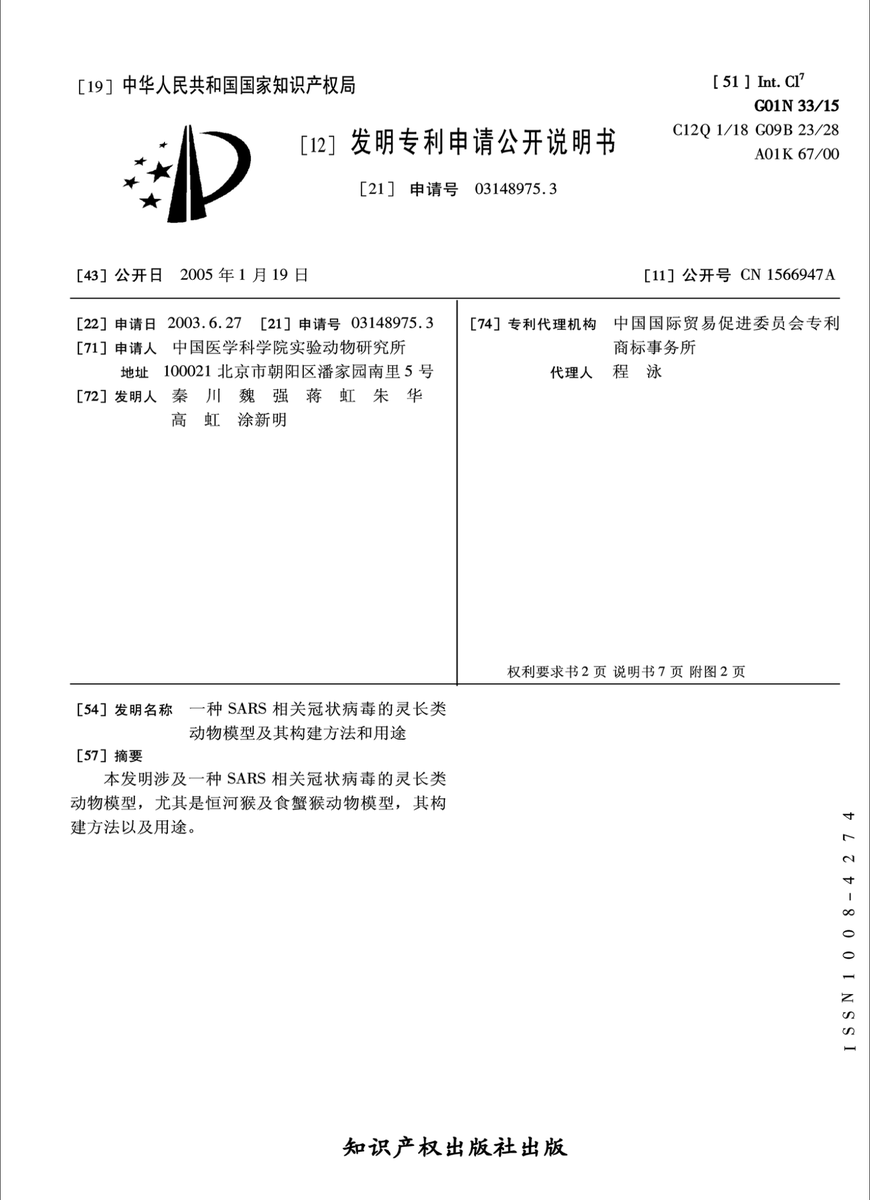
Chuan Qin, a party member of CCP, Director of the Institute of Laboratory Animal Sciences, CAMS; 1st person on finding and establishing the 1st animal model of SARS infection & also awarded the Advanced Individual Award of the United Front Work System due to the finding in 2003

https://t.co/7VE46nGYf2
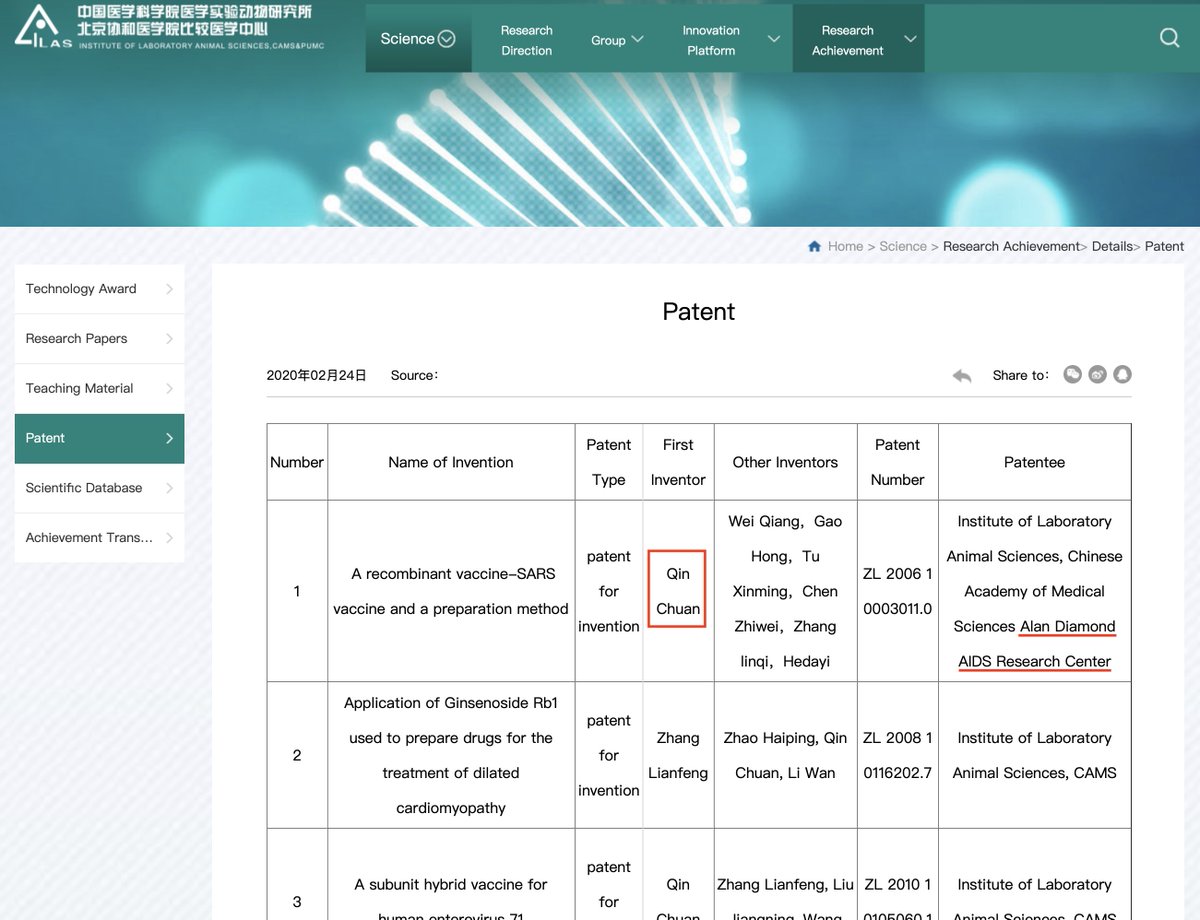


A suspected contractor of Chuan QIN team - Cyagen, a biotechnological CRO founded in Guangzhou and established several branches globally, including Santa Clara, California. Cyagen is the world's largest provider of custom-engineered mouse and rat models
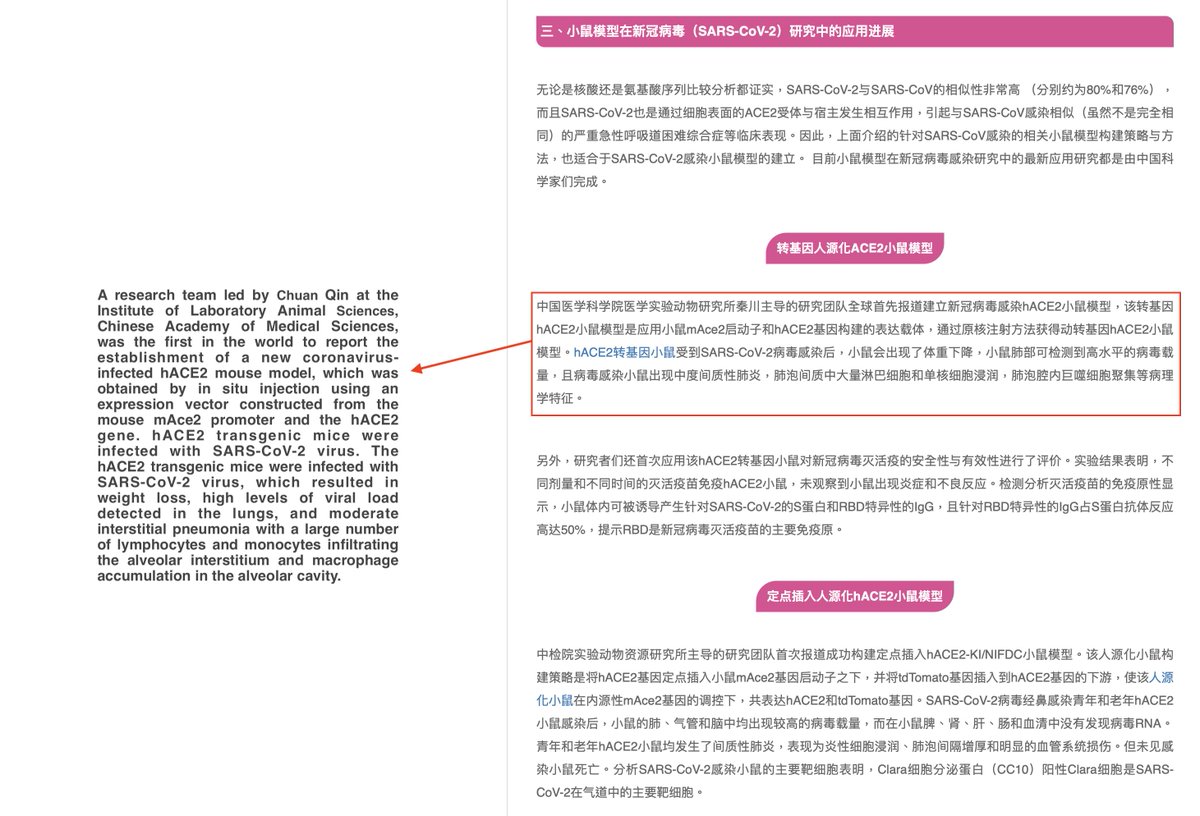
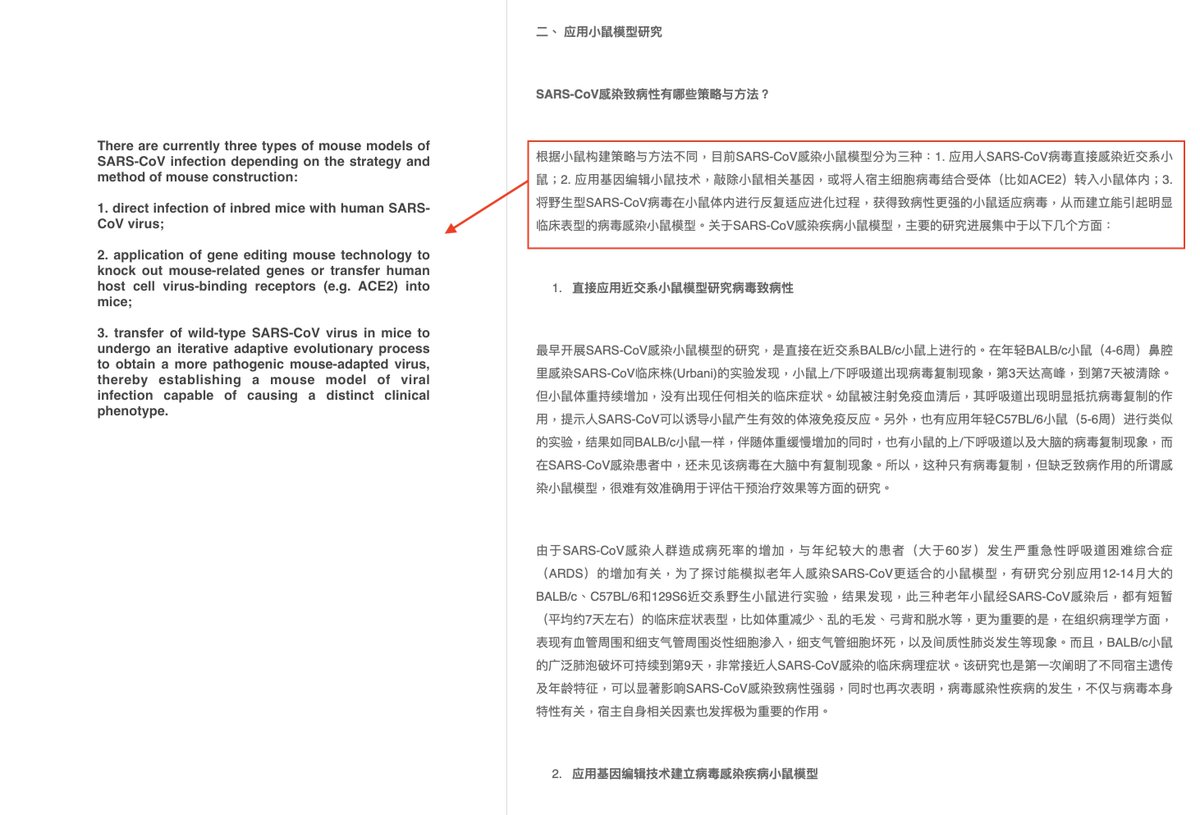
Not easy to find evidence on Qin's involvement in the serial passage experiments. But quite easy to find sth from their contractor. Obviously this company contracts their program of humanised rats regarding to #SARS_CoV_2 and passage experiments on rats
More from All










You May Also Like





1/ Here’s a list of conversational frameworks I’ve picked up that have been helpful.
Please add your own.
2/ The Magic Question: "What would need to be true for you
3/ On evaluating where someone’s head is at regarding a topic they are being wishy-washy about or delaying.
“Gun to the head—what would you decide now?”
“Fast forward 6 months after your sabbatical--how would you decide: what criteria is most important to you?”
4/ Other Q’s re: decisions:
“Putting aside a list of pros/cons, what’s the *one* reason you’re doing this?” “Why is that the most important reason?”
“What’s end-game here?”
“What does success look like in a world where you pick that path?”
5/ When listening, after empathizing, and wanting to help them make their own decisions without imposing your world view:
“What would the best version of yourself do”?
Please add your own.
2/ The Magic Question: "What would need to be true for you
1/\u201cWhat would need to be true for you to\u2026.X\u201d
— Erik Torenberg (@eriktorenberg) December 4, 2018
Why is this the most powerful question you can ask when attempting to reach an agreement with another human being or organization?
A thread, co-written by @deanmbrody: https://t.co/Yo6jHbSit9
3/ On evaluating where someone’s head is at regarding a topic they are being wishy-washy about or delaying.
“Gun to the head—what would you decide now?”
“Fast forward 6 months after your sabbatical--how would you decide: what criteria is most important to you?”
4/ Other Q’s re: decisions:
“Putting aside a list of pros/cons, what’s the *one* reason you’re doing this?” “Why is that the most important reason?”
“What’s end-game here?”
“What does success look like in a world where you pick that path?”
5/ When listening, after empathizing, and wanting to help them make their own decisions without imposing your world view:
“What would the best version of yourself do”?
