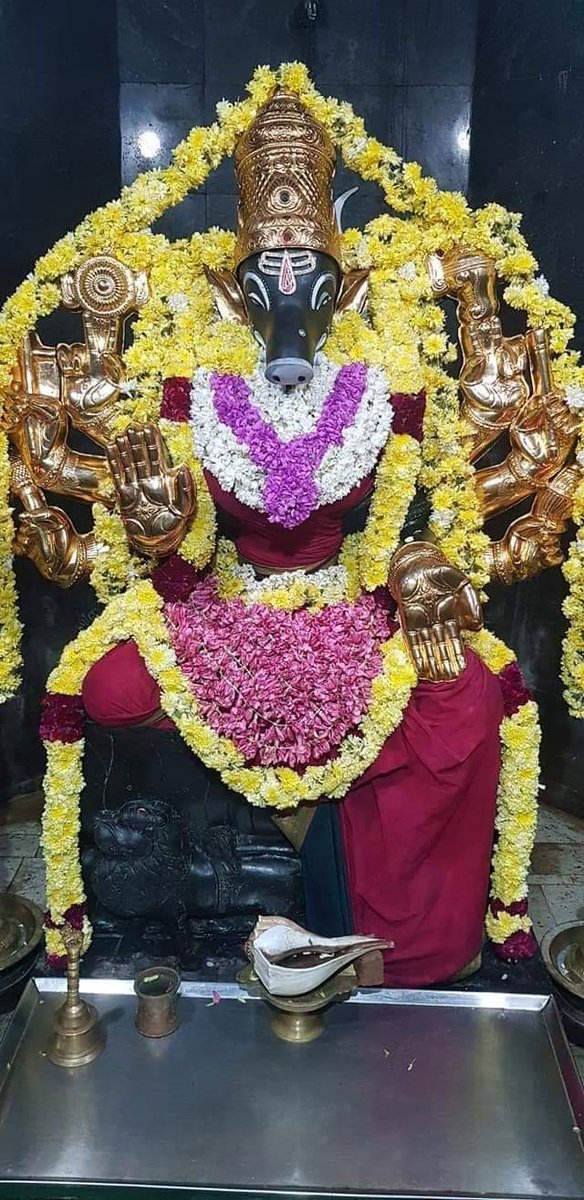
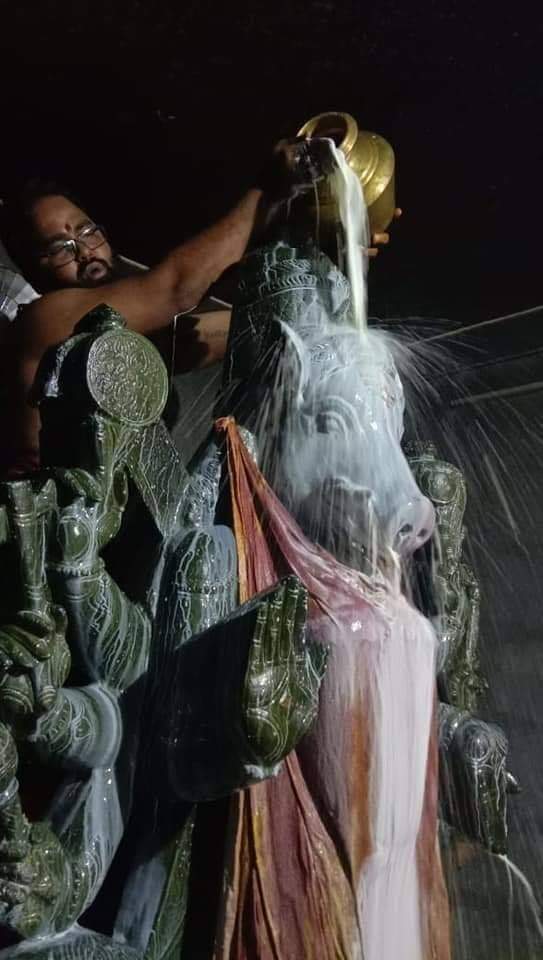
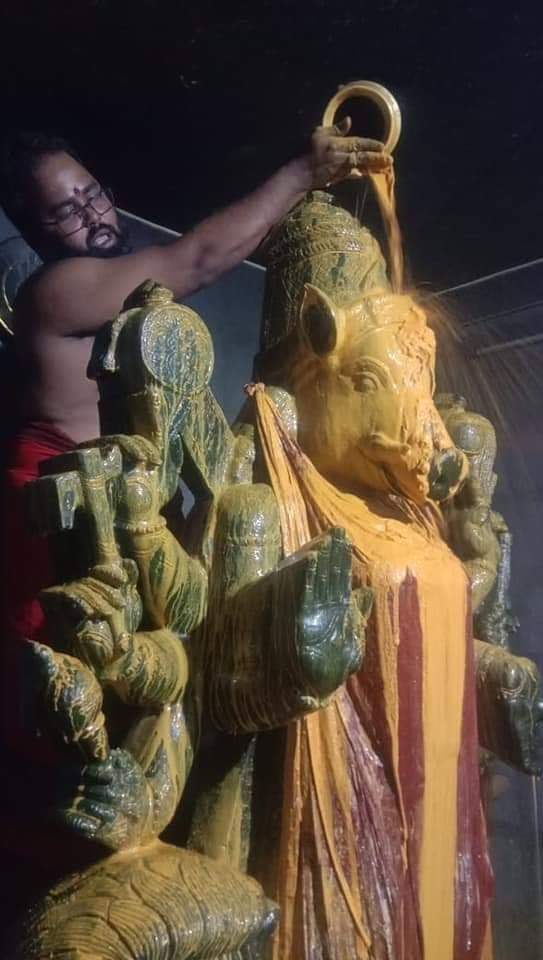
A hinting reference to some Āzhvār-s in the Śrīmad Bhāgavatam (11.5.38-40):

kṛtādiṣu prajā rājan
kalāv icchanti sambhavam
kalau khalu bhaviṣyanti
nārāyaṇa-parāyaṇāḥ
kvacit kvacin mahā-rāja
draviḍeṣu ca bhūriśaḥ

tāmraparṇī nadī yatra
kṛtamālā payasvinī
kāverī ca . . .

mahā-puṇyā
pratīcī ca mahā-nadī

ye pibanti jalaṁ tāsāṁ
manujā manujeśvara
prāyo bhaktā bhagavati
vāsudeve ’malāśayāḥ

Meaning: My dear King, the inhabitants of Satya-yuga and other ages eagerly desire to take birth in this Age of Kali, since in this age there will be . . .
many devotees of Nārāyaṇa. These devotees will appear in various places but will be especially numerous in South India. O’ master of men, in the Age of Kali those persons who drink the waters of the holy rivers of Draviḍa-deśa, such as the Tāmraparṇī, Krtamālā [Vagai], . . .
Payasvinī, the extremely pious Kāverī and the Pratīcī Mahānadī, will almost all be purehearted devotees of Vāsudeva.”

Some of the Āzhvār-s, namely Poigai Āzhvār, Bhoothath Āzhvār, Peyāzhvār, and Thirumalisai Āzhvār, were from the Dvāpara Yuga. But the remaining 7 are from . . .
Kaliyuga. Nammāzhvār is believed to have taken birth 43 days into Kaliyuga and (as the Śrīmad Bhāgavatam hints) was born in Āzhvārthirunagiri on the banks of the Tāmraparṇī (Thamirabarani) River. This verse can probably accommodate all Śrī Vaiṣṇava Pūrvācārya-s as well! 😄

More from All

How can we use language supervision to learn better visual representations for robotics?

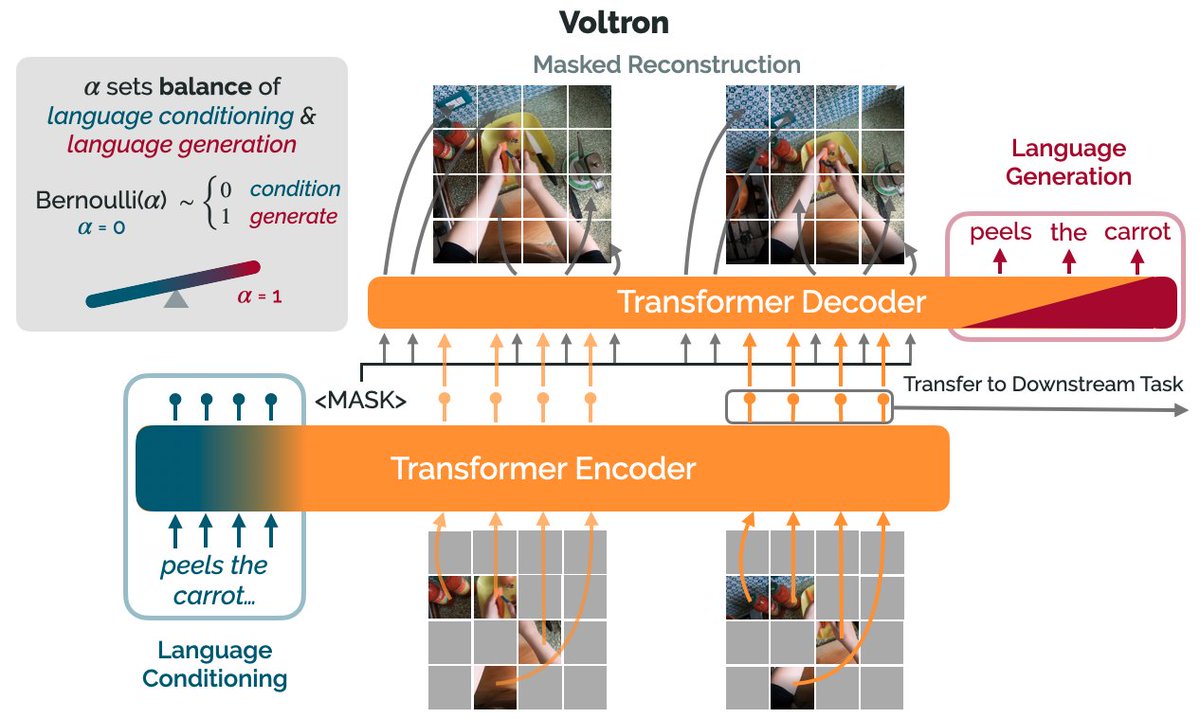
Introducing Voltron: Language-Driven Representation Learning for Robotics!

Paper: https://t.co/gIsRPtSjKz
Models: https://t.co/NOB3cpATYG
Evaluation: https://t.co/aOzQu95J8z

🧵👇(1 / 12)


Videos of humans performing everyday tasks (Something-Something-v2, Ego4D) offer a rich and diverse resource for learning representations for robotic manipulation.

Yet, an underused part of these datasets are the rich, natural language annotations accompanying each video. (2/12)

The Voltron framework offers a simple way to use language supervision to shape representation learning, building off of prior work in representations for robotics like MVP (
https://t.co/Pb0mk9hb4i) and R3M (https://t.co/o2Fkc3fP0e).

The secret is *balance* (3/12)

Starting with a masked autoencoder over frames from these video clips, make a choice:

1) Condition on language and improve our ability to reconstruct the scene.

2) Generate language given the visual representation and improve our ability to describe what's happening. (4/12)

By trading off *conditioning* and *generation* we show that we can learn 1) better representations than prior methods, and 2) explicitly shape the balance of low and high-level features captured.

Why is the ability to shape this balance important? (5/12)

You May Also Like