This project will remain divisive, and in no way I intend on converting anyone. Skip.
Neither will its utility increase nor decrease by this Twitter cost-benefits blabbering.
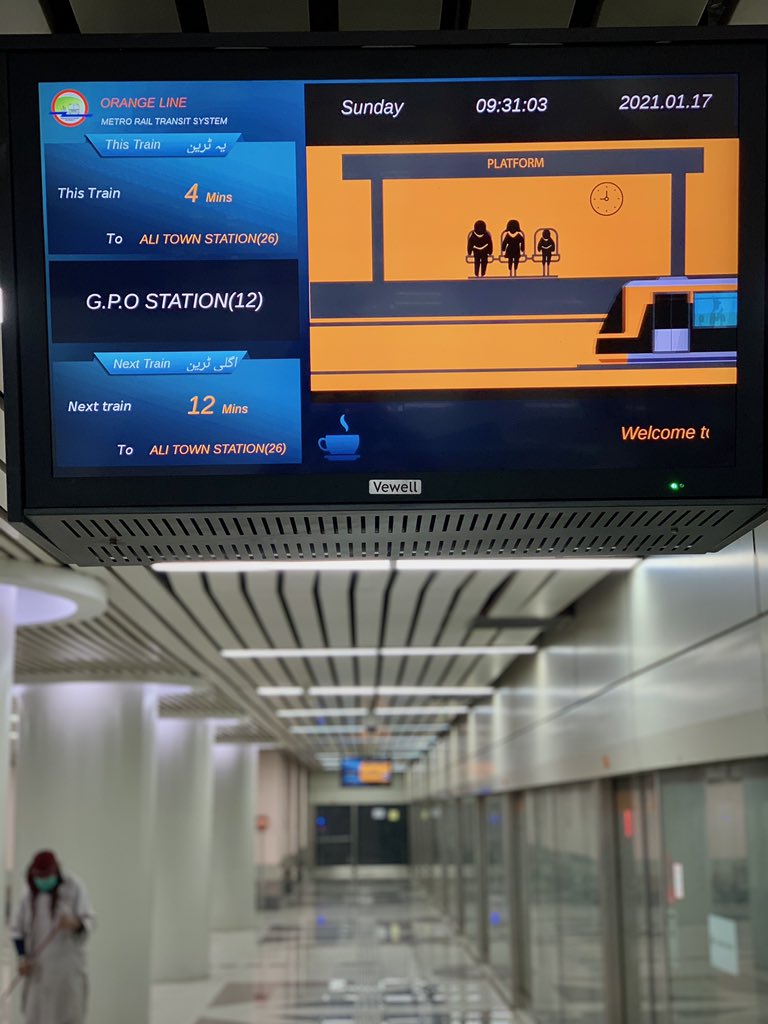
What I am truly happy about is that Orangeline is owned and being used by those who need it the most.
The cars we use have a Heater & AC. The new ones also have a cabin filter against pollution. They harm everyone outside but user is safe inside. Then cars also cause congestion and accidents.
We don’t realise it while driving, but navigating spaces is important for everyone.
https://t.co/cslnCL00zv
We know that cars, which serve less than 20% of all trips, are bad for our cities. Yet they have been getting disproportionately higher share in budgets in the form of allocations for Road in Transport spending.
A mass transit project flips this equation.
There is also very real loss that construction works of the project caused, which, we, as bystanders, cannot fully understand.
We need to move to inclusive infrastructural planning, rather cold-hearted bureaucratic logic which dictates that who loses.
https://t.co/XjHSUsKpjR
But, now, there’s also this upper class outrage, which seemingly bangs head on a wall and comes up with new financial figures every time OLMT is mentioned, or how many Mehrans could be bought.
There’s reason for it. They won’t be using it. So, it’s unnecessary; too costly.
https://t.co/qrlWjSZXNr
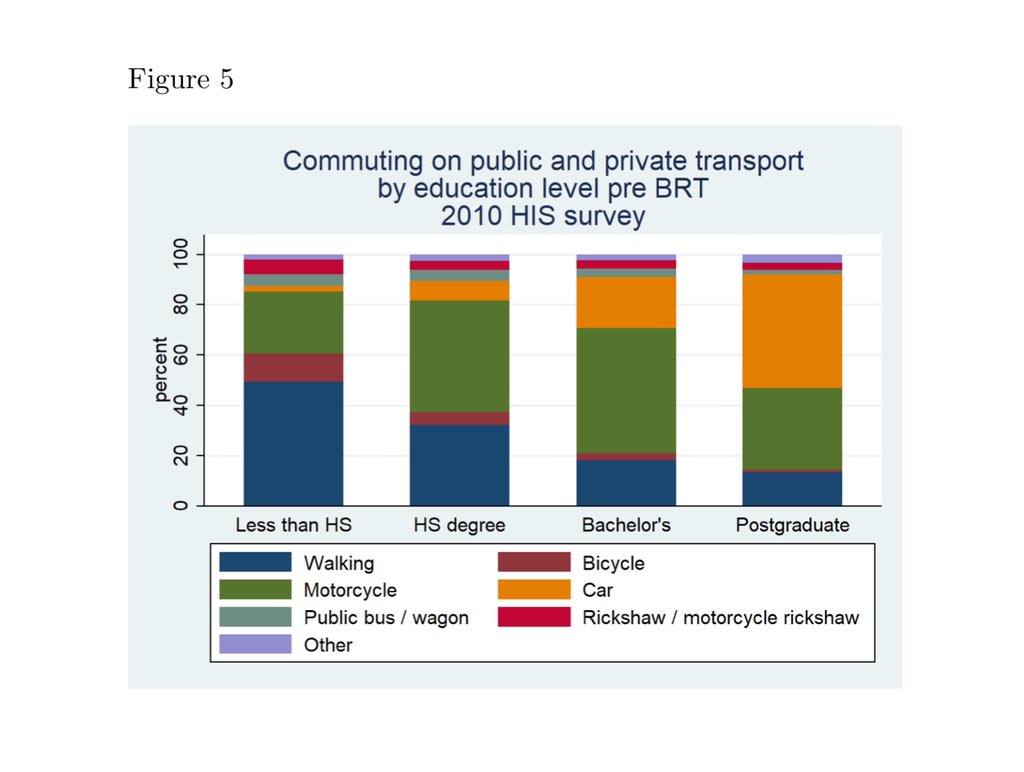
I am going to quote the IGC study on Lahore’s Greenline BRT (Metrobus), which is one study that compared baseline v. impact.
Find here:
https://t.co/2sxFaJe6mc So, back to my previous point: the Educated upper-class did not use Public transport, because they had alternatives.
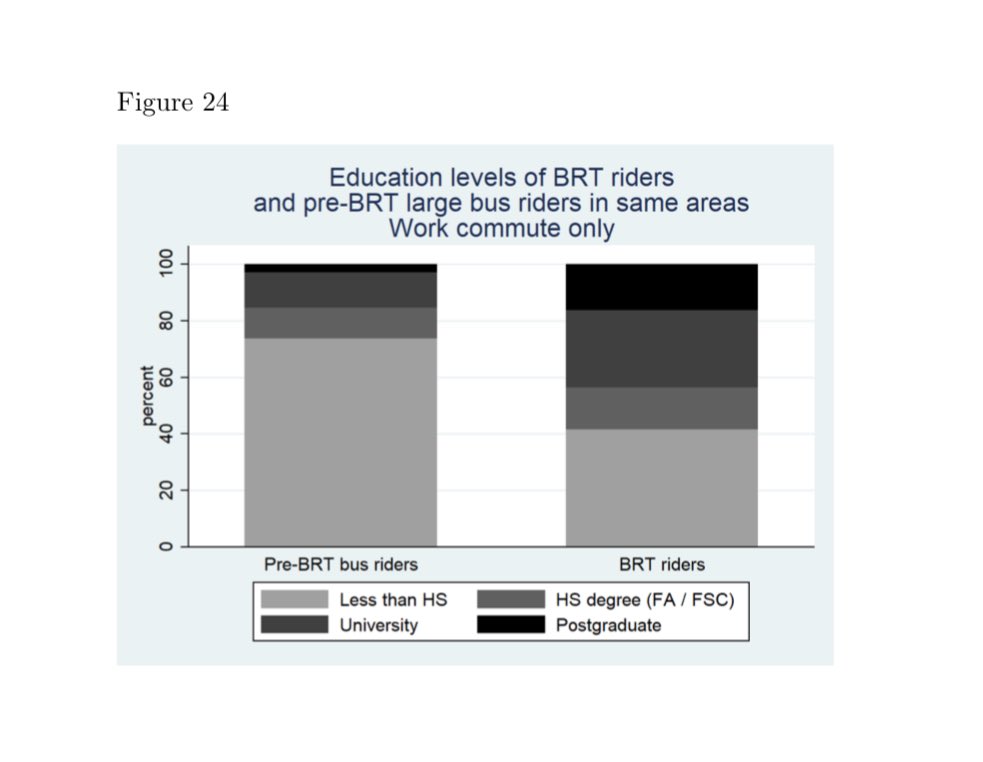
The BRT (Metrobus), however, managed to make a dent on this attitude.
The fact that a clean, safe, respectable mode of transport was available meant that even White-collar labour started using it.
Just imagine the improvement relative to blue-collar and working classes.
On the side, an unnoticed labour market transformation happened.
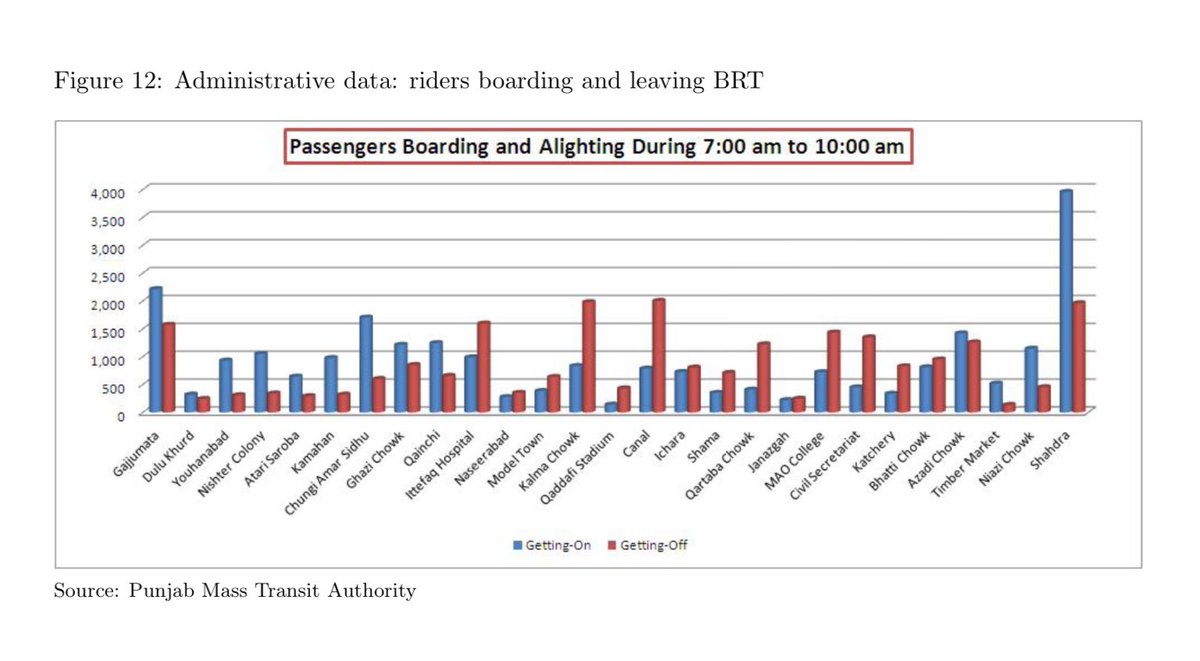
*Lahore* Metrobus actually serves 2 more districts, bringing in Labour through Shahdarah & Gajjumata, among them those who travel > 30 mins by vehicle to reach.
Arrive, work, go back home. No need to rent in city.
Here’s a byproduct.
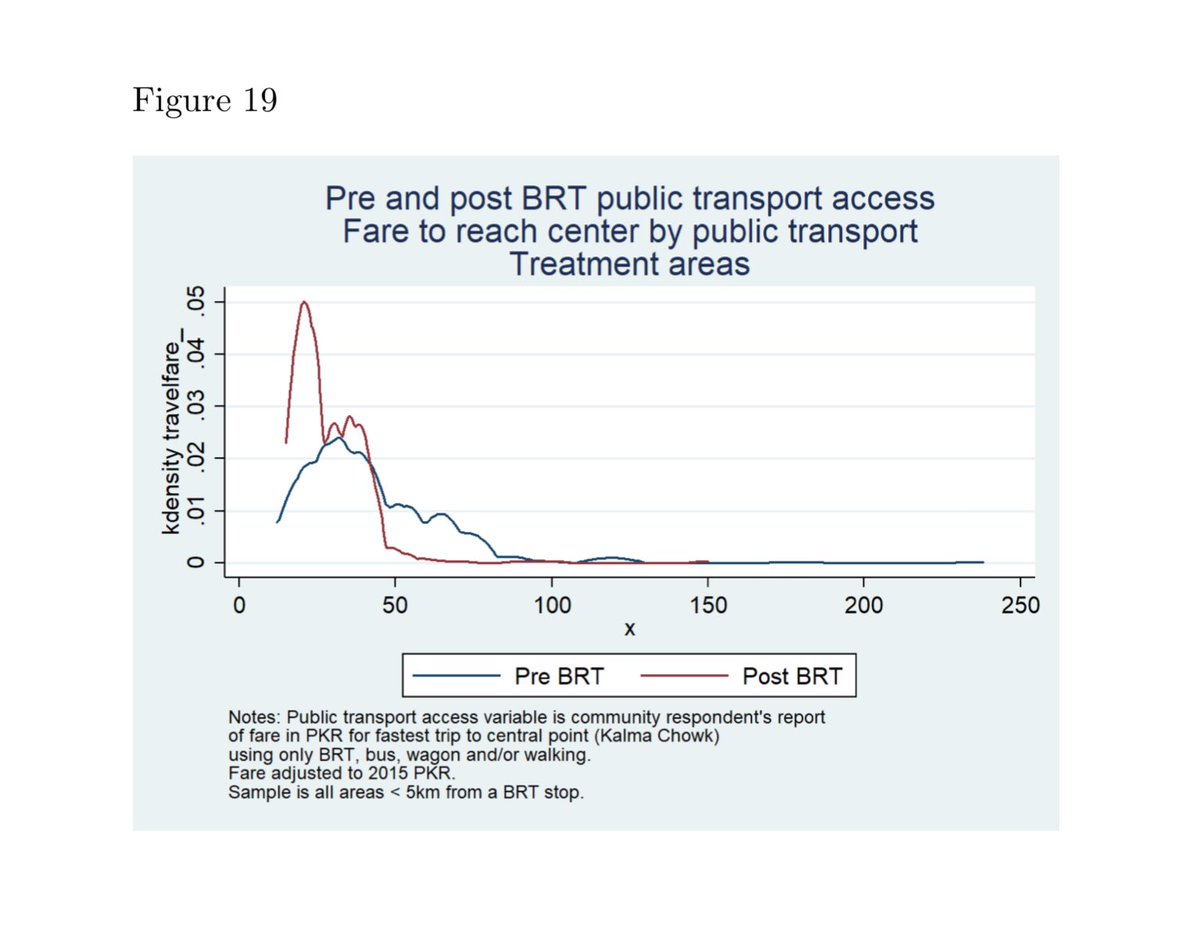
For similar journeys to the Center of the city (i.e. Kalma Chowk), both
• travel fares declined to less than Rs. 50 (more so around Rs. 25)
• travel times reduced by 25-30 mins
This realignment due to the corridor benefits those who don’t even use BRT.
Besides labour market, human capital, accessibility benefits, here’s the most obvious.
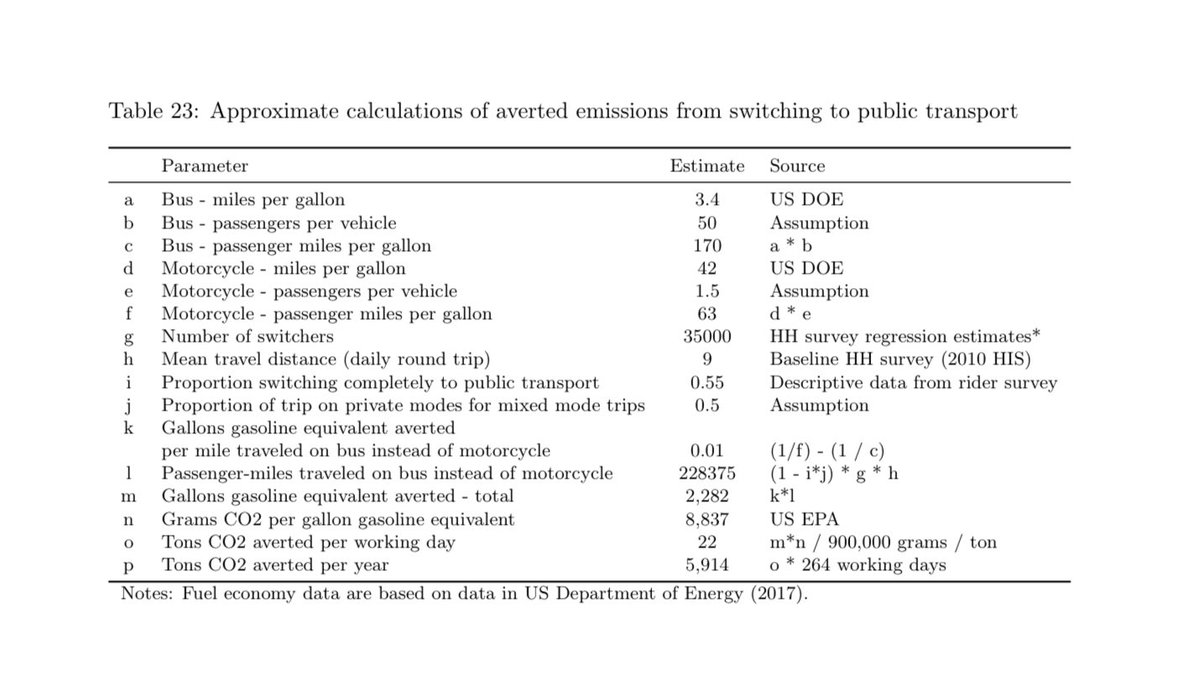
A (assumed) change of 35,000 people to Metrobus from private transport is estimated to offset 6,000 tonnes of CO2/y.
This is equivalent to a mature 30 year old plantation of 40,000 trees/y.
These outcomes came from a Single BRT. The OLMT and Metrobus are a part of a 6 line synergetic network, which will create a feedback loop of linear increase in ridership and revenue.
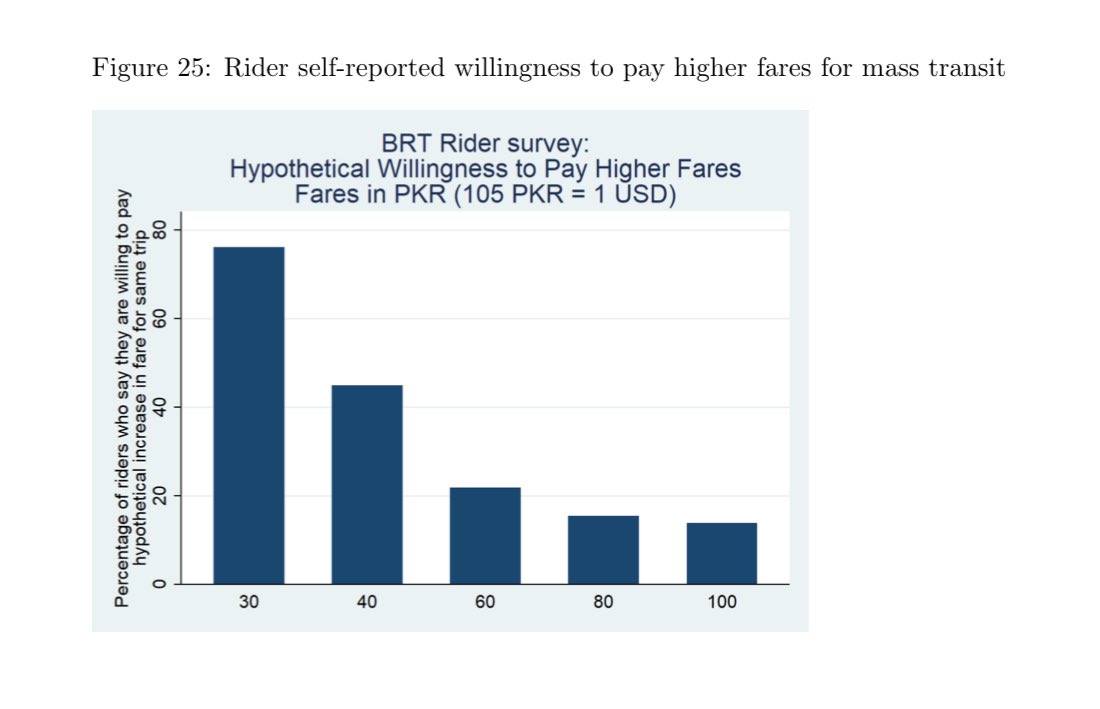
Riders willingly pay more for good service.
There’s much to be said about what can be done, in terms of design, service, ticketing, revenue.
That’s what Govt is for. It can either do what the rest of the world does, or claim that we are failing.
Now this has to follow to other cities. Don’t ruin cities with more cars.
https://t.co/OtPbCfff5A
The KCR revival will cost $2.2bn. In any case, Karachi needs it.
Questioning the utility of such public transport projects is like prolonging your illness by delaying an important surgery.
Questioning how we do these projects deserves focus, more than what for.
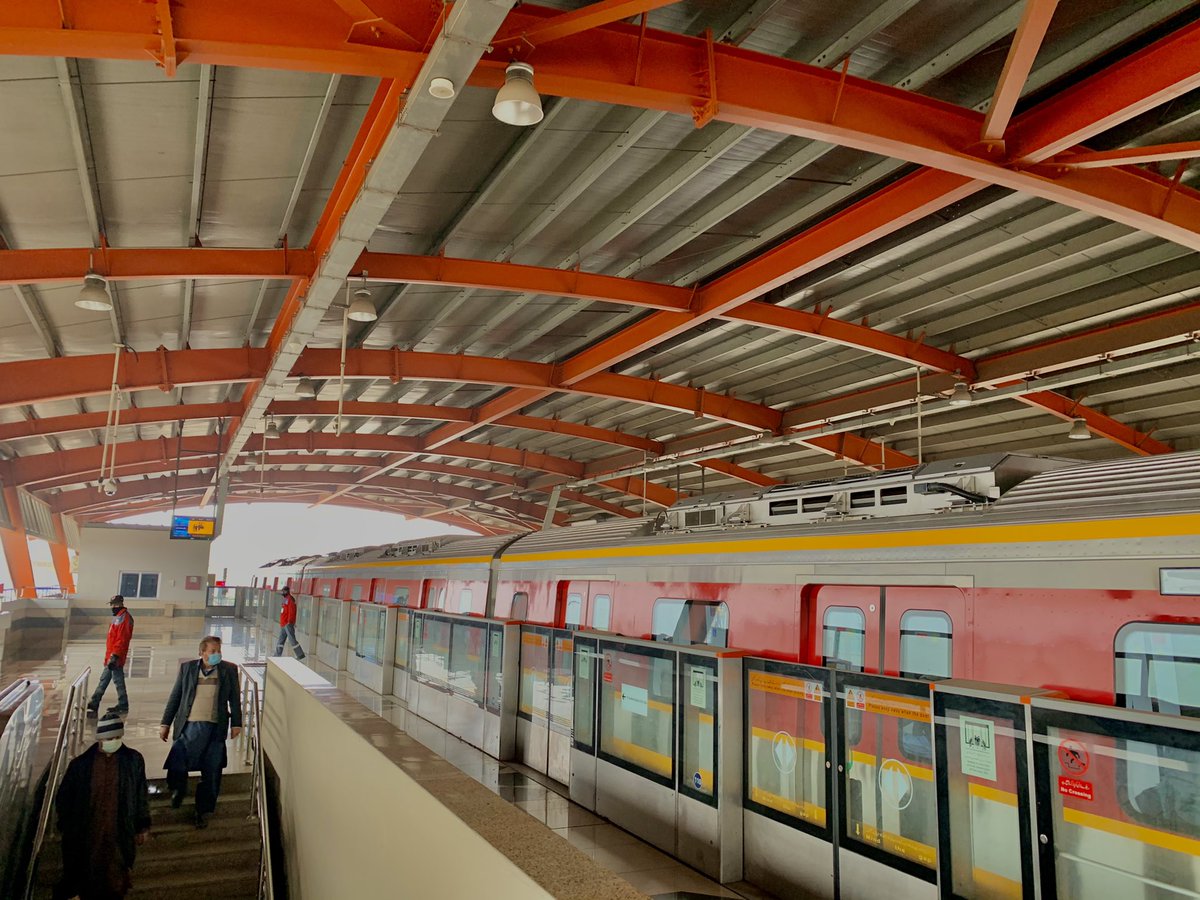
Side note: When we got here, the place seemed like we’d seen the architecture somewhere.
@gulraizkhan remembered it seemed like Berlin’s Hauptbahnhof (2nd pic) train platforms, but I think it’s closer to Alexanderplatz, Berin (3rd pic).
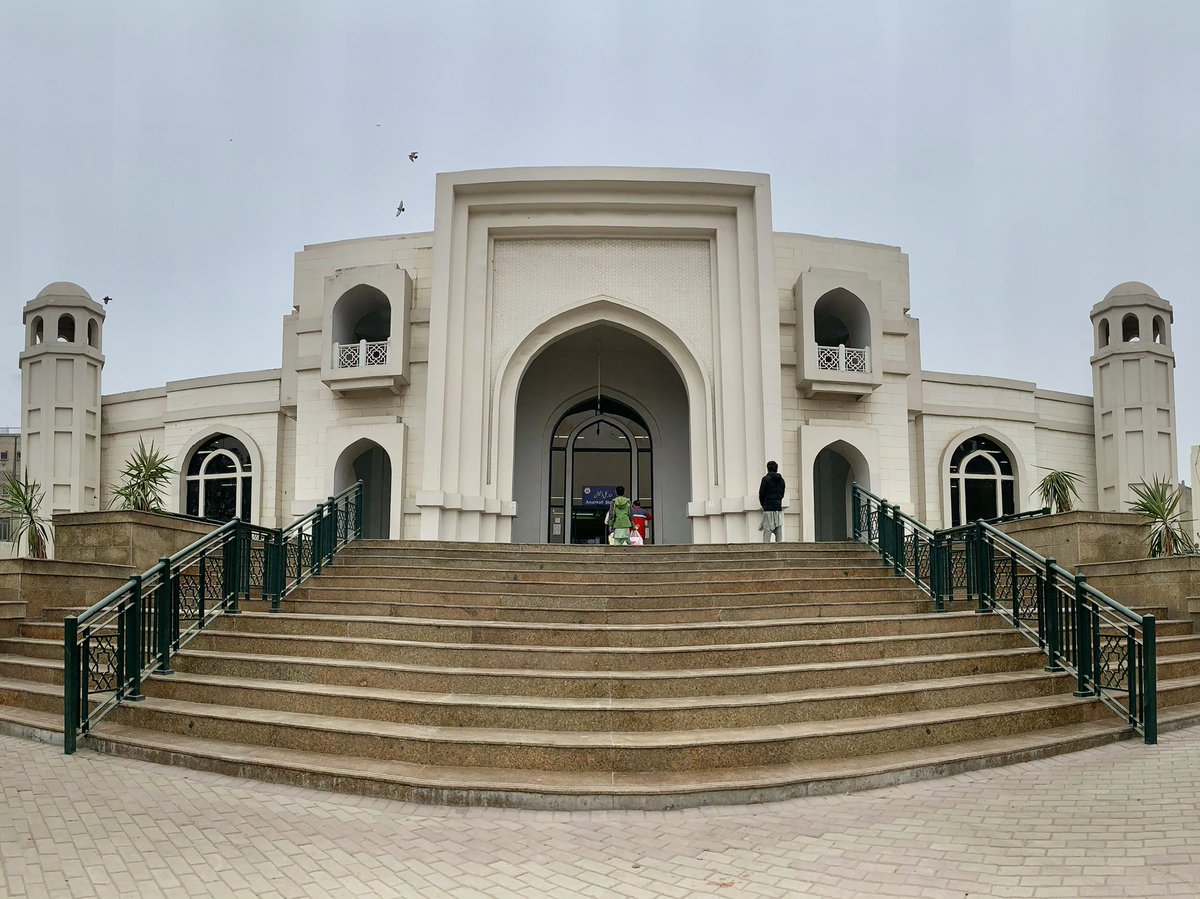
Last, but not the least, the jewel of OLMT, the Anarkali station.
Hardly says anything on the outside; can easily be understood to be Anarkali’s resting place. But as long as the “Thanks LDA” posters torn at the bottom is infront of it, I think people can find it.
Replug: For all the routes envisioned to be under “#LahoreMetro” (all in all 200-300 km), refer to this map designed by
@mahmooyo. This only includes the 4 main routes. Secondary extensions and feeder routes (many of which are already active) are not included.
https://t.co/DcO9hYTscZ