
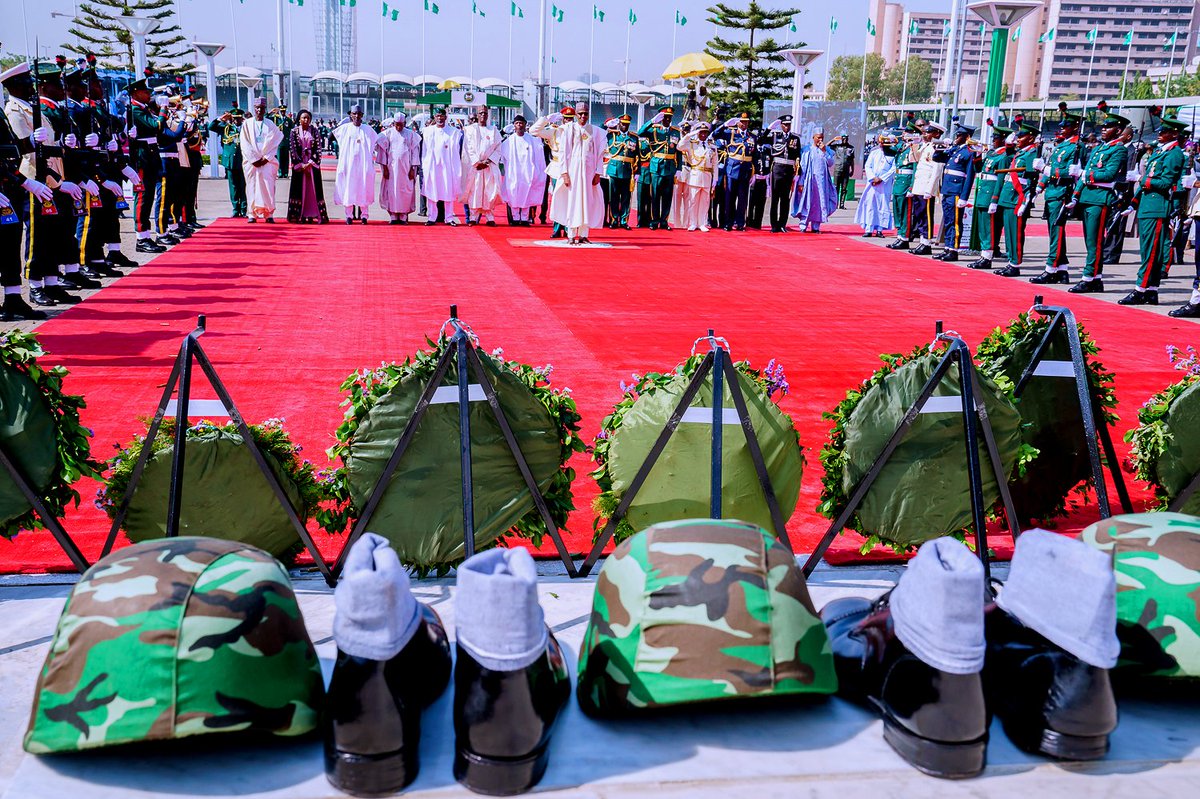
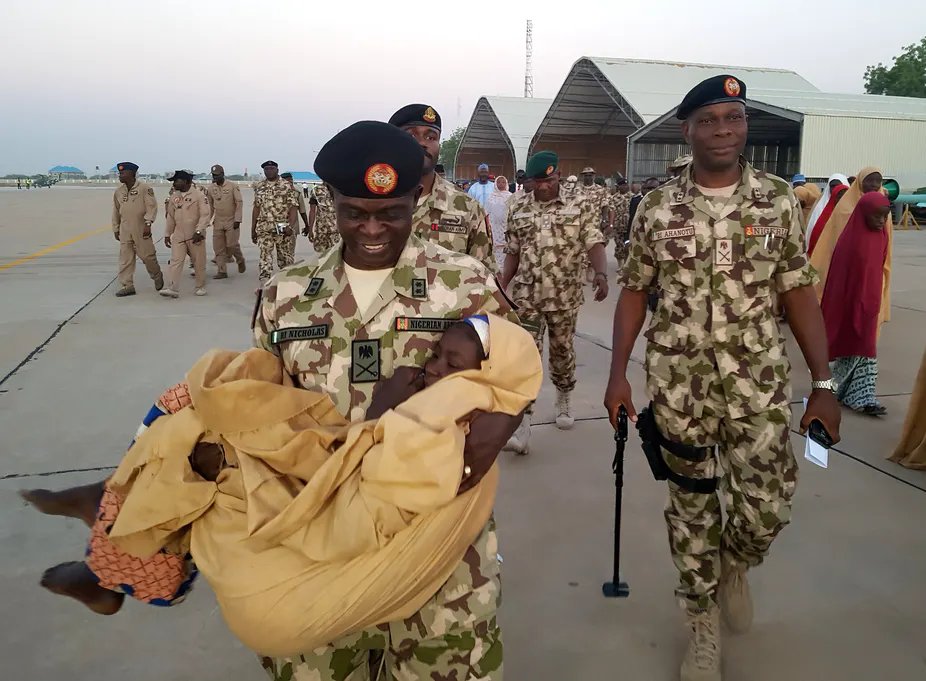
Nigerian Armed Forces Remembrance Day.
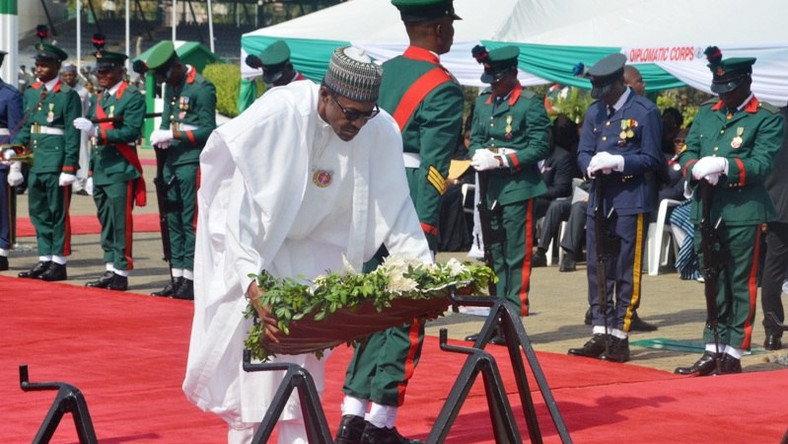
Officers and men of the Nigerian Armed Forces have fought in various wars and taken part in many peace keeping operations, defensive duties and internal security duties. These include
More from Defense News Nigeria
More from World

I'll bite, Mr. Gray. We can even play by your rather finicky rules.
Let's begin with some of the things you have said about Xinjiang, notably absent from your more recent media appearances, but still present in your blog about your 2014 biking trip.
The following is taken from an ongoing list I keep of people who have been to Xinjiang and written/spoken about their experiences. It is separate from the testimony of detainees and their relatives I also keep. Jerry is on this
Jerry, your article for CGTN, as well as your various Medium pieces, belabor themselves to emphasize the smoothness of your time in Xinjiang. Why did you leave out so many details from your log of your 2014 trip? They seem relevant.
For example, would CGTN not let you speak about Shanshan, the town that evidently disturbed you so much?

Why, pray tell, after noting how kind and hospitable Xinjiang police were to you in 2019 for CGTN—and how you were never told where you could or could not go—would you omit these details?

Let's begin with some of the things you have said about Xinjiang, notably absent from your more recent media appearances, but still present in your blog about your 2014 biking trip.
Prove it...
— Jerry's China (@Jerry_grey2002) December 30, 2020
Without quoting Adrian Zenz who's never been there or exiles and criminals who seek asylum or cash for their stories or perhaps some satellite images of shopping centres and factories with fencelines.
You can't show any evidence that this is true https://t.co/wiozJIjusH
The following is taken from an ongoing list I keep of people who have been to Xinjiang and written/spoken about their experiences. It is separate from the testimony of detainees and their relatives I also keep. Jerry is on this
Jerry, your article for CGTN, as well as your various Medium pieces, belabor themselves to emphasize the smoothness of your time in Xinjiang. Why did you leave out so many details from your log of your 2014 trip? They seem relevant.
For example, would CGTN not let you speak about Shanshan, the town that evidently disturbed you so much?
Why, pray tell, after noting how kind and hospitable Xinjiang police were to you in 2019 for CGTN—and how you were never told where you could or could not go—would you omit these details?

THREAD
1)
Newsweek — #Iran has sent deadly "Shahed-136 suicide/kamikaze drones" to the Houthis in #Yemen. These advanced UAVs are deployed to the Houthi-controlled northern Yemeni province of Al-Jawf.
More reason why the West should not appease Tehran.
https://t.co/gtNDCGbtQs
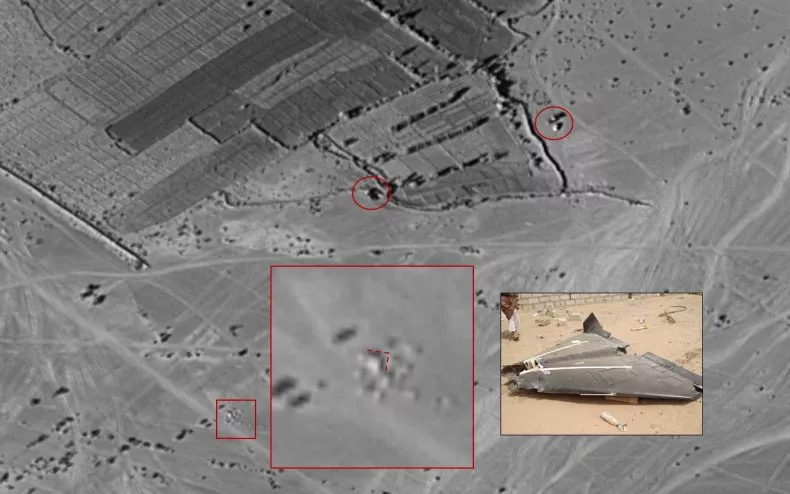
2)
#Iran has long provided drones to the Houthis
March 22, 2017
“… seven Houthi Qasef-1 drones and one drone engine recovered by forces from the UAE. Six of the drones were captured in October on a known Iranian smuggling route that runs through
3)
US to designate #Iran-backed Houthis in #Yemen as a foreign terrorist org (FTO)
https://t.co/ILBCg3Pfvs
Iran’s IRGC long funded/armed/trained/provided for the Houthis.
Dec 30—Missile attack on Aden airport. Yemen gov holds Houthis
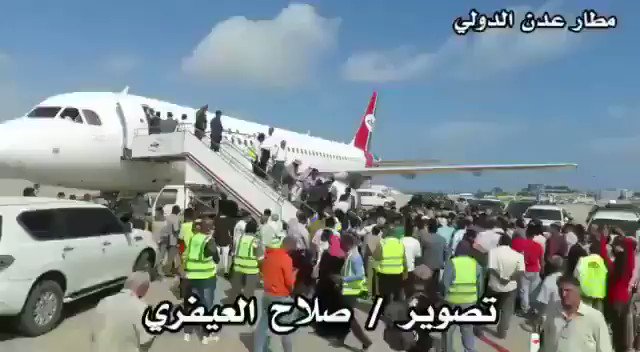
4)
#Iran provides at least $360 million, ballistic missiles, other ordnance, technology and training to the Houthis in
5)
The Houthis recently claimed responsibility for a missile attack targeting Saudi Arabia’s Aramco oil

1)
Newsweek — #Iran has sent deadly "Shahed-136 suicide/kamikaze drones" to the Houthis in #Yemen. These advanced UAVs are deployed to the Houthi-controlled northern Yemeni province of Al-Jawf.
More reason why the West should not appease Tehran.
https://t.co/gtNDCGbtQs
2)
#Iran has long provided drones to the Houthis
March 22, 2017
“… seven Houthi Qasef-1 drones and one drone engine recovered by forces from the UAE. Six of the drones were captured in October on a known Iranian smuggling route that runs through
3)
US to designate #Iran-backed Houthis in #Yemen as a foreign terrorist org (FTO)
https://t.co/ILBCg3Pfvs
Iran’s IRGC long funded/armed/trained/provided for the Houthis.
Dec 30—Missile attack on Aden airport. Yemen gov holds Houthis
4)
#Iran provides at least $360 million, ballistic missiles, other ordnance, technology and training to the Houthis in
5)
The Houthis recently claimed responsibility for a missile attack targeting Saudi Arabia’s Aramco oil




You May Also Like


MASTER THREAD on Short Strangles.
Curated the best tweets from the best traders who are exceptional at managing strangles.
• Positional Strangles
• Intraday Strangles
• Position Sizing
• How to do Adjustments
• Plenty of Examples
• When to avoid
• Exit Criteria
How to sell Strangles in weekly expiry as explained by boss himself. @Mitesh_Engr
• When to sell
• How to do Adjustments
• Exit
Beautiful explanation on positional option selling by @Mitesh_Engr
Sir on how to sell low premium strangles yourself without paying anyone. This is a free mini course in
1st Live example of managing a strangle by Mitesh Sir. @Mitesh_Engr
• Sold Strangles 20% cap used
• Added 20% cap more when in profit
• Booked profitable leg and rolled up
• Kept rolling up profitable leg
• Booked loss in calls
• Sold only
2nd example by @Mitesh_Engr Sir on converting a directional trade into strangles. Option Sellers can use this for consistent profit.
• Identified a reversal and sold puts
• Puts decayed a lot
• When achieved 2% profit through puts then sold
Curated the best tweets from the best traders who are exceptional at managing strangles.
• Positional Strangles
• Intraday Strangles
• Position Sizing
• How to do Adjustments
• Plenty of Examples
• When to avoid
• Exit Criteria
How to sell Strangles in weekly expiry as explained by boss himself. @Mitesh_Engr
• When to sell
• How to do Adjustments
• Exit
1. Let's start option selling learning.
— Mitesh Patel (@Mitesh_Engr) February 10, 2019
Strangle selling. ( I am doing mostly in weekly Bank Nifty)
When to sell? When VIX is below 15
Assume spot is at 27500
Sell 27100 PE & 27900 CE
say premium for both 50-50
If bank nifty will move in narrow range u will get profit from both.
Beautiful explanation on positional option selling by @Mitesh_Engr
Sir on how to sell low premium strangles yourself without paying anyone. This is a free mini course in
Few are selling 20-25 Rs positional option selling course.
— Mitesh Patel (@Mitesh_Engr) November 3, 2019
Nothing big deal in that.
For selling weekly option just identify last week low and high.
Now from that low and high keep 1-1.5% distance from strike.
And sell option on both side.
1/n
1st Live example of managing a strangle by Mitesh Sir. @Mitesh_Engr
• Sold Strangles 20% cap used
• Added 20% cap more when in profit
• Booked profitable leg and rolled up
• Kept rolling up profitable leg
• Booked loss in calls
• Sold only
Sold 29200 put and 30500 call
— Mitesh Patel (@Mitesh_Engr) April 12, 2019
Used 20% capital@44 each
2nd example by @Mitesh_Engr Sir on converting a directional trade into strangles. Option Sellers can use this for consistent profit.
• Identified a reversal and sold puts
• Puts decayed a lot
• When achieved 2% profit through puts then sold
Already giving more than 2% return in a week. Now I will prefer to sell 32500 call at 74 to make it strangle in equal ratio.
— Mitesh Patel (@Mitesh_Engr) February 7, 2020
To all. This is free learning for you. How to play option to make consistent return.
Stay tuned and learn it here free of cost. https://t.co/7J7LC86oW0


To people who are under the impression that you can get rich quickly by working on an app, here are the stats for https://t.co/az8F12pf02
📈 ~12000 vistis
☑️ 109 transactions
💰 353€ profit (285 after tax)
I have spent 1.5 months on this app. You can make more $ in 2 days.
🤷♂️

I'm still happy that I launched a paid app bcs it involved extra work:
- backend for processing payments (+ permissions, webhooks, etc)
- integration with payment processor
- UI for license activation in Electron
- machine activation limit
- autoupdates
- mailgun emails
etc.
These things seemed super scary at first. I always thought it was way too much work and something would break. But I'm glad I persisted. So far the only problem I have is that mailgun is not delivering the license keys to certain domains like https://t.co/6Bqn0FUYXo etc. 👌
omg I just realized that me . com is an Apple domain, of course something wouldn't work with these dicks
📈 ~12000 vistis
☑️ 109 transactions
💰 353€ profit (285 after tax)
I have spent 1.5 months on this app. You can make more $ in 2 days.
🤷♂️
I'm still happy that I launched a paid app bcs it involved extra work:
- backend for processing payments (+ permissions, webhooks, etc)
- integration with payment processor
- UI for license activation in Electron
- machine activation limit
- autoupdates
- mailgun emails
etc.
These things seemed super scary at first. I always thought it was way too much work and something would break. But I'm glad I persisted. So far the only problem I have is that mailgun is not delivering the license keys to certain domains like https://t.co/6Bqn0FUYXo etc. 👌
omg I just realized that me . com is an Apple domain, of course something wouldn't work with these dicks