
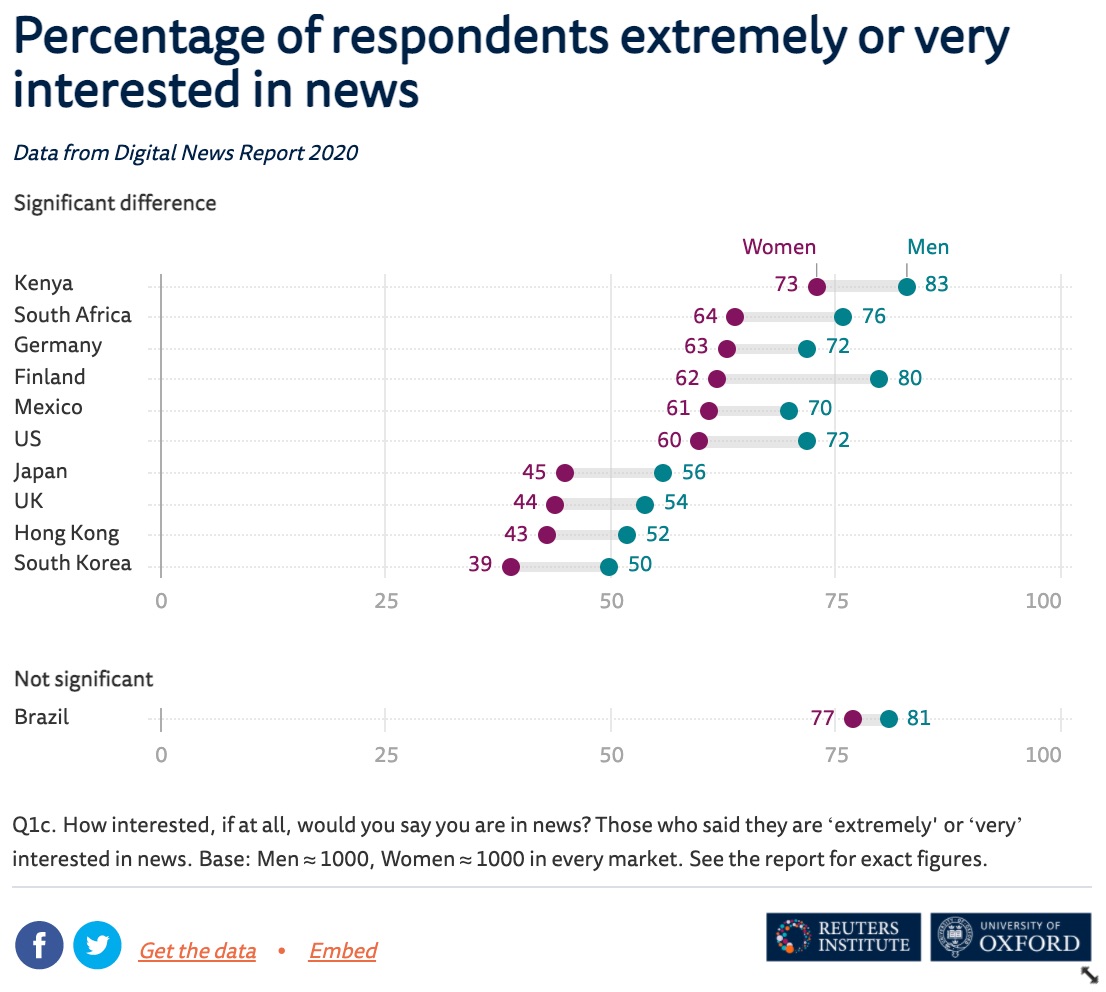
A reading for the winter solstice: a look at the relationships between women and news in Kenya. South Africa, Mexico, Brazil. Hong Kong, Japan, UK, Finland, Germany, US, and South Korea
My report with @simgandi for https://t.co/UnpeR4BBwg." target="_blank">@risj_oxford
https://t.co/UnpeR4BBwg. Some thoughts below.


https://t.co/R96wuInv6p
More from World


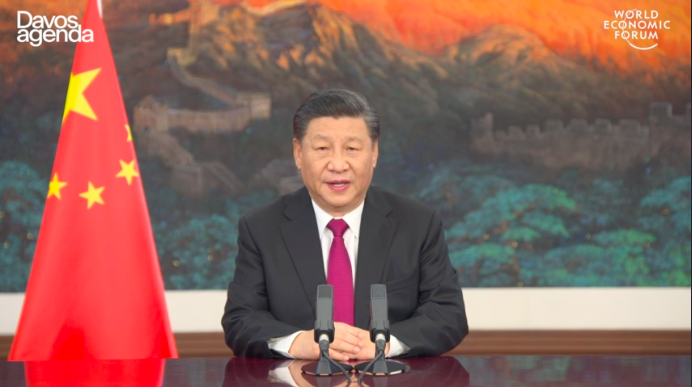

Watch the entire discussion if you have the time to do so. But if not, please make sure to watch Edhem Eldem summarizing ~150 years of democracy in Turkey in 6 minutes (starting on 57'). And if you can't watch it, fear not; I've transcribed it for you (as public service). Thread:
"Let me start by saying that I am a historian, I see dead people. But more seriously, I am constantly torn between the temptation to see patterns developing over time, and the fear of hasty generalizations and anachronistic comparisons. 1/n
"Nevertheless, the present situation forces me to explore the possible historical dimensions of the problem we're facing today. 2/n
"(...)I intend to go further back in time and widen the angle in order to focus on the confusion I believe exists between the notions of 'state', 'government', and 'public institutions' in Turkey. 3/n
"In the summer of 1876, that's a historical quote, as Midhat Pasa was trying to draft a constitution, Edhem Pasa wrote to Saffet Pasa, and I quote in Turkish, 'Bize Konstitusyon degil enstitusyon lazim' ('It is not a constitution we need but institutions'). 4/n
https://t.co/1GtPJaxi1H - Ka\xe7\u0131rmay\u0131n bu muhte\u015fem Bo\u011fazi\xe7i hocalar\u0131 ge\xe7idini !
— dilek cinar (@dlkcinar) February 16, 2021
"Let me start by saying that I am a historian, I see dead people. But more seriously, I am constantly torn between the temptation to see patterns developing over time, and the fear of hasty generalizations and anachronistic comparisons. 1/n
"Nevertheless, the present situation forces me to explore the possible historical dimensions of the problem we're facing today. 2/n
"(...)I intend to go further back in time and widen the angle in order to focus on the confusion I believe exists between the notions of 'state', 'government', and 'public institutions' in Turkey. 3/n
"In the summer of 1876, that's a historical quote, as Midhat Pasa was trying to draft a constitution, Edhem Pasa wrote to Saffet Pasa, and I quote in Turkish, 'Bize Konstitusyon degil enstitusyon lazim' ('It is not a constitution we need but institutions'). 4/n


You May Also Like









1/ Here’s a list of conversational frameworks I’ve picked up that have been helpful.
Please add your own.
2/ The Magic Question: "What would need to be true for you
3/ On evaluating where someone’s head is at regarding a topic they are being wishy-washy about or delaying.
“Gun to the head—what would you decide now?”
“Fast forward 6 months after your sabbatical--how would you decide: what criteria is most important to you?”
4/ Other Q’s re: decisions:
“Putting aside a list of pros/cons, what’s the *one* reason you’re doing this?” “Why is that the most important reason?”
“What’s end-game here?”
“What does success look like in a world where you pick that path?”
5/ When listening, after empathizing, and wanting to help them make their own decisions without imposing your world view:
“What would the best version of yourself do”?
Please add your own.
2/ The Magic Question: "What would need to be true for you
1/\u201cWhat would need to be true for you to\u2026.X\u201d
— Erik Torenberg (@eriktorenberg) December 4, 2018
Why is this the most powerful question you can ask when attempting to reach an agreement with another human being or organization?
A thread, co-written by @deanmbrody: https://t.co/Yo6jHbSit9
3/ On evaluating where someone’s head is at regarding a topic they are being wishy-washy about or delaying.
“Gun to the head—what would you decide now?”
“Fast forward 6 months after your sabbatical--how would you decide: what criteria is most important to you?”
4/ Other Q’s re: decisions:
“Putting aside a list of pros/cons, what’s the *one* reason you’re doing this?” “Why is that the most important reason?”
“What’s end-game here?”
“What does success look like in a world where you pick that path?”
5/ When listening, after empathizing, and wanting to help them make their own decisions without imposing your world view:
“What would the best version of yourself do”?