
(Image from deseret-dot-com.)
THREAD: Numbers and Multiple Sources in Scripture.
Consider Judges 20’s battle narrative:
400,000 gathered Israelites,
700 Gibeahites defended by 26,000 Benjaminites,
22,000 Israelite casualties,
25,000 Benjaminite casualties, etc., etc.
Why all the numbers, Samuel?

@DrPJWilliams has a thread on it (linked below), which is bigly recommended.
https://t.co/WY7wl60Beh
THREAD: The Bible\u2019s most gory story
— Peter J. Williams (@DrPJWilliams) August 19, 2019
It\u2019s the disturbing account of the rape & dissection of the Levite\u2019s concubine (Judges 19-21)
With lessons about male violence against women #vawg
and instead lays the blame for her death squarely at the feet of the men of Gibeah.
To our surprise, however, the Israelites don’t fare very well.
Only in the third day’s battle do the Israelites finally gain the upper hand.
Why? Isn’t their war against Benjamin a just one—one they can reasonably expect God to bless?
400,000 gathered Israelites,
700 Gibeahites defended by 26,000 Benjaminites,
22,000 Israelite casualties on the first day’s battle,
a further 18,000 the next day,
broken down into groups of (roughly) 18k, 5k, and 2k (with 600 left over):
What are we to make of all these numbers?
the numbers involved in ch. 20’s battle-scenes (together with a few other details) help us to understand why the Israelites don’t fare very well against the Benjaminites.
The Benjaminites slay 40,000 out of the Israelites’ 400,000 men (20.17–26), which is a significant proportion.
Something seems amiss in terms of ch. 19’s Levite and his effect on Israel.
Other connections also tie the battles at Gibeah and Ai together.
And, here in Judges 20, the Israelites return to the same place in the same circumstances.
It seems so, as we’ll now see.
who I’ll refer to as ‘standard soldiers’,
and 700 ‘select warriors’ (איש בחור) from Gibeah,
who I’ll refer to as ‘elite soldiers’ (20.15).
which leaves 900 standard soldiers unaccounted for.
What’s happened to these 900 men?
Instead, in 20.36–48, our author provides us with a second account of the same incident (or, more precisely, a zoom-in on the third day of 20.26–35’s narrative).
When the Benjaminites go forth to battle, the Israelites slay 18,000 of their standard soldiers;
as the Benjaminites flee, the Israelites slay a further 5,000 ‘in the highways’;
These details raise further questions.
Why are 25,100 men slain in the first account but only 25,000 in the second?
What has happened to the other 1,100?
We thus have a number of issues to address, which we’ll tackle in reverse order.
The 1,100 Benjaminites most likely fell on the first and second days of battle.
and the Benjaminites are unlikely to have incurred zero losses on the first two days.
while the other 200 must have been elite soldiers.
The presence of unaccounted-for Benjaminites in our accounts isn’t, therefore, too hard to explain.
The easiest way to explain the difference between the figures of 25,100 and 25,000 is to assume they involve different methods of approximation.
18,020 on the battlefield, 5,020 on the highways, and 2,020 at Gidom.
while, rounded to the nearest hundred and then totalled up, they would yield 25,000 (given subtotals of 18,000, 5,000 and 2,000).
(Other explanat/s are possible, but more complex.)
Couldn’t our author have told chs. 19–20’s story without them?
He *could*, yes. But an important point would then have gone unnoticed.
We have two different death tolls, which don’t (neatly) cohere with one another because their details are approximations.
We have an account of a battle which leaves 900 individuals unaccounted for.
Do any of these details ring a bell?
They should do, since they find a clear parallel in our text and its wider context.
At the start of the book’s epilogue, we have a story about 1,100 lost shekels, whose disappearance isn’t explained.

Both narratives are thus inherently incomplete.
My suggestion is as follows.
Our author wants us to appreciate the hugely problematic nature both of the Levite’s testimony and of the Israelites’ failure to question it.
If the men of Gibeah genuinely wanted to kill him (per his claim), then why *didn’t* they kill him (20.5)?
Why would they have been satisfied with an act of rape?
The Levite’s story was fundamentally incoherent and should have been questioned by the Israelites.
which is precisely what the Israelites should have done in the case of the Levite’s testimony (Deut. 19.15).
Where was the old man from Gibeah?
In other words, where were the ‘two or three witnesses’ necessary to indict the Gibeahites?
The Levite failed to mention his horrific act of betrayal, and was deliberately vague about the issue of when his concubine died.
Or did she only die later when he failed to attend to her injuries?
For more thoughts on the latter question, see another of @DrPJWilliams’ threads below:
https://t.co/wCQRDRj624
The Bible\u2019s most gory story is probably even more gory than I realised.
— Peter J. Williams (@DrPJWilliams) June 16, 2020
The chilling account of the rape & dissection of the Levite\u2019s concubine (Judges 19) contains at its heart an ambiguity: https://t.co/IFQ3hMYN4J
For a start, the Israelites wouldn’t have been able to lay the blame for the concubines’ death solely at the men of Gibeah’s feet.
The Benjaminites might not have felt the need to come to the defence of the Gibeahites;
thousands of warriors’ lives might have spared on the battlefield;
and hundreds of women might have been spared from abuse in Shiloh’s vineyards (21.19–23).
The Israelites had another Achan in their midst (the Levite), which they should have realised,
especially when the battle inexplicably turned against them.
And these are the kinds of issues our author wants *us* to consider.
all of which is carefully brought out by our author’s use of numbers.
More from World









These moρlahs, guided by the bigot Alι Mµsαlιαr did not fight against any oppression, Britishers or landlords. The moρlah rebellion is a vιolent vehιcle of jιhαδ. Its sole purpose: to mαssαcre Hindu-s, convert them to ιslαm and establish M sovereignty.
⋮
Tyrant Tιρµ was largely responsible for the forced conversions in Kerala. He surrounded homes of the H and forced them to convert to ιslαm, consume bεεf and be circµmcised.

Fleeing persecution from the rogue, many H fled to Tiruvanantapuram. There too, common M would now and then be enraged and wage jιhαδ on the helpless Hindu-s. The forcible conversions and desecration of our temples were the norm of the day.
⋮

T L Strange, a special commisioner of the Malabar region was appointed to enquire into the reasons for the outrages. He filed a report "Malabar Manual" in 1852 where he firmly says that the reason for the 'uprising' was M rεligιous fαnatιcism —
⋮

Moplah outrages on H was a regular occurrence in Kerala as we will show below. The most gruesome one in 1921 is what is famously referred to as such nowadays. In the aftermath of 1921, a special tribunal of 3 judges convened in Calicut.
⋮
⋮
Popular front day Rally in Chelari town mallappuram dist Kerala. \U0001f633 pic.twitter.com/VLrhPETzWO
— \u092e\u0939\u093e\u0935\u0940\u0930 \u091c\u0948\u0928, \u0cae\u0cb9\u0cbe\u0cb5\u0cc0\u0cb0\u0ccd \u0c9c\u0cc8\u0ca8, Mahaveer Jain (@MahaveerVJ) February 19, 2021
Tyrant Tιρµ was largely responsible for the forced conversions in Kerala. He surrounded homes of the H and forced them to convert to ιslαm, consume bεεf and be circµmcised.
Fleeing persecution from the rogue, many H fled to Tiruvanantapuram. There too, common M would now and then be enraged and wage jιhαδ on the helpless Hindu-s. The forcible conversions and desecration of our temples were the norm of the day.
⋮
T L Strange, a special commisioner of the Malabar region was appointed to enquire into the reasons for the outrages. He filed a report "Malabar Manual" in 1852 where he firmly says that the reason for the 'uprising' was M rεligιous fαnatιcism —
⋮
Moplah outrages on H was a regular occurrence in Kerala as we will show below. The most gruesome one in 1921 is what is famously referred to as such nowadays. In the aftermath of 1921, a special tribunal of 3 judges convened in Calicut.
⋮
You May Also Like

@EricTopol @NBA @StephenKissler @yhgrad B.1.1.7 reveals clearly that SARS-CoV-2 is reverting to its original pre-outbreak condition, i.e. adapted to transgenic hACE2 mice (either Baric's BALB/c ones or others used at WIV labs during chimeric bat coronavirus experiments aimed at developing a pan betacoronavirus vaccine)
@NBA @StephenKissler @yhgrad 1. From Day 1, SARS-COV-2 was very well adapted to humans .....and transgenic hACE2 Mice
@NBA @StephenKissler @yhgrad 2. High Probability of serial passaging in Transgenic Mice expressing hACE2 in genesis of SARS-COV-2
@NBA @StephenKissler @yhgrad B.1.1.7 has an unusually large number of genetic changes, ... found to date in mouse-adapted SARS-CoV2 and is also seen in ferret infections.
https://t.co/9Z4oJmkcKj

@NBA @StephenKissler @yhgrad We adapted a clinical isolate of SARS-CoV-2 by serial passaging in the ... Thus, this mouse-adapted strain and associated challenge model should be ... (B) SARS-CoV-2 genomic RNA loads in mouse lung homogenates at P0 to P6.
https://t.co/I90OOCJg7o

@NBA @StephenKissler @yhgrad 1. From Day 1, SARS-COV-2 was very well adapted to humans .....and transgenic hACE2 Mice
1. From Day 1, SARS-COV-2 was very well adapted to humans .....and transgenic hACE2 Mice
— Billy Bostickson \U0001f3f4\U0001f441&\U0001f441 \U0001f193 (@BillyBostickson) January 30, 2021
"we generated a mouse model expressing hACE2 by using CRISPR/Cas9 knockin technology. In comparison with wild-type C57BL/6 mice, both young & aged hACE2 mice sustained high viral loads... pic.twitter.com/j94XtSkscj
@NBA @StephenKissler @yhgrad 2. High Probability of serial passaging in Transgenic Mice expressing hACE2 in genesis of SARS-COV-2
1. High Probability of serial passaging in Transgenic Mice expressing hACE2 in genesis of SARS-COV-2!
— Billy Bostickson \U0001f3f4\U0001f441&\U0001f441 \U0001f193 (@BillyBostickson) January 2, 2021
2 papers:
Human\u2013viral molecular mimicryhttps://t.co/irfH0Zgrve
Molecular Mimicryhttps://t.co/yLQoUtfS6s https://t.co/lsCv2iMEQz
@NBA @StephenKissler @yhgrad B.1.1.7 has an unusually large number of genetic changes, ... found to date in mouse-adapted SARS-CoV2 and is also seen in ferret infections.
https://t.co/9Z4oJmkcKj
@NBA @StephenKissler @yhgrad We adapted a clinical isolate of SARS-CoV-2 by serial passaging in the ... Thus, this mouse-adapted strain and associated challenge model should be ... (B) SARS-CoV-2 genomic RNA loads in mouse lung homogenates at P0 to P6.
https://t.co/I90OOCJg7o

🌿𝑻𝒉𝒆 𝒔𝒕𝒐𝒓𝒚 𝒐𝒇 𝒂 𝑺𝒕𝒂𝒓 : 𝑫𝒉𝒓𝒖𝒗𝒂 & 𝑽𝒊𝒔𝒉𝒏𝒖
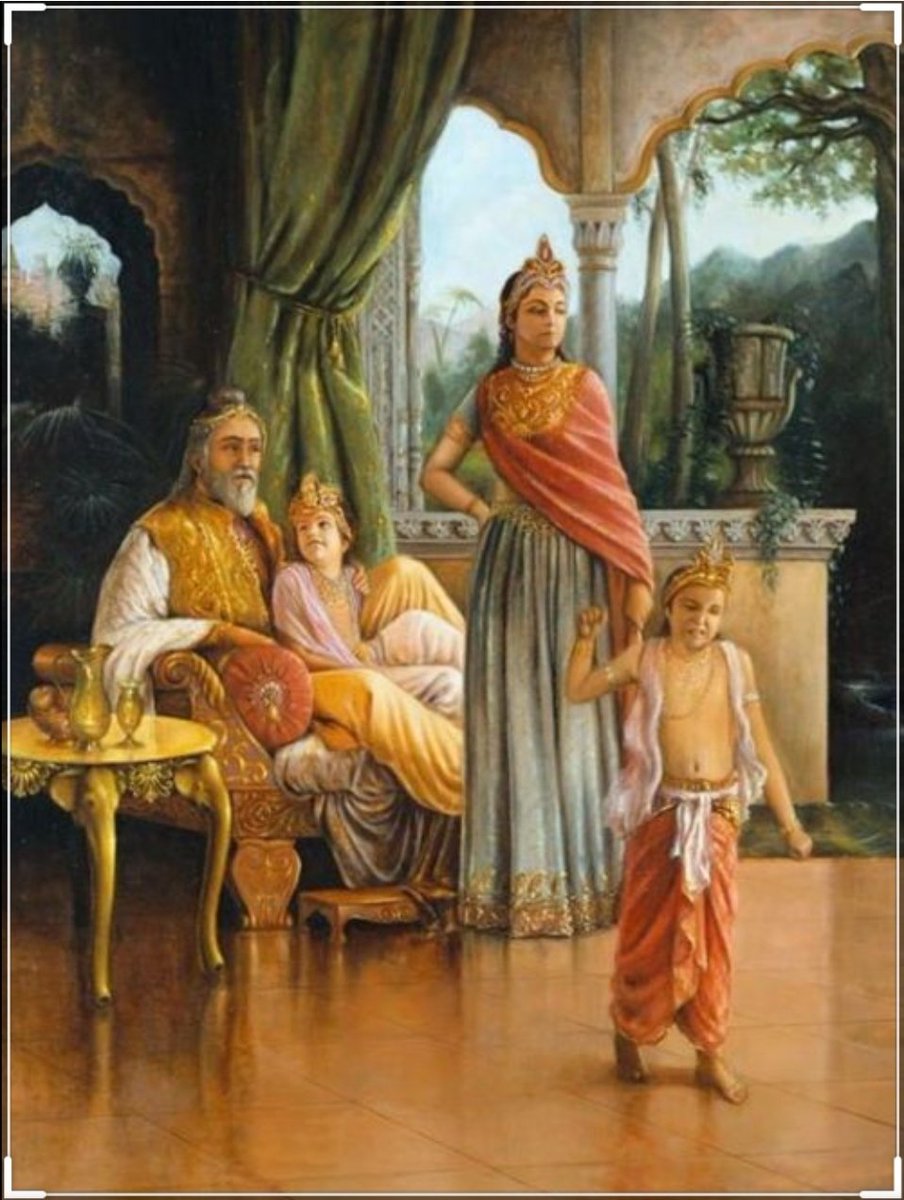
Once upon a time there was a Raja named Uttānapāda born of Svayambhuva Manu,1st man on earth.He had 2 beautiful wives - Suniti & Suruchi & two sons were born of them Dhruva & Uttama respectively.
#talesofkrishna https://t.co/E85MTPkF9W
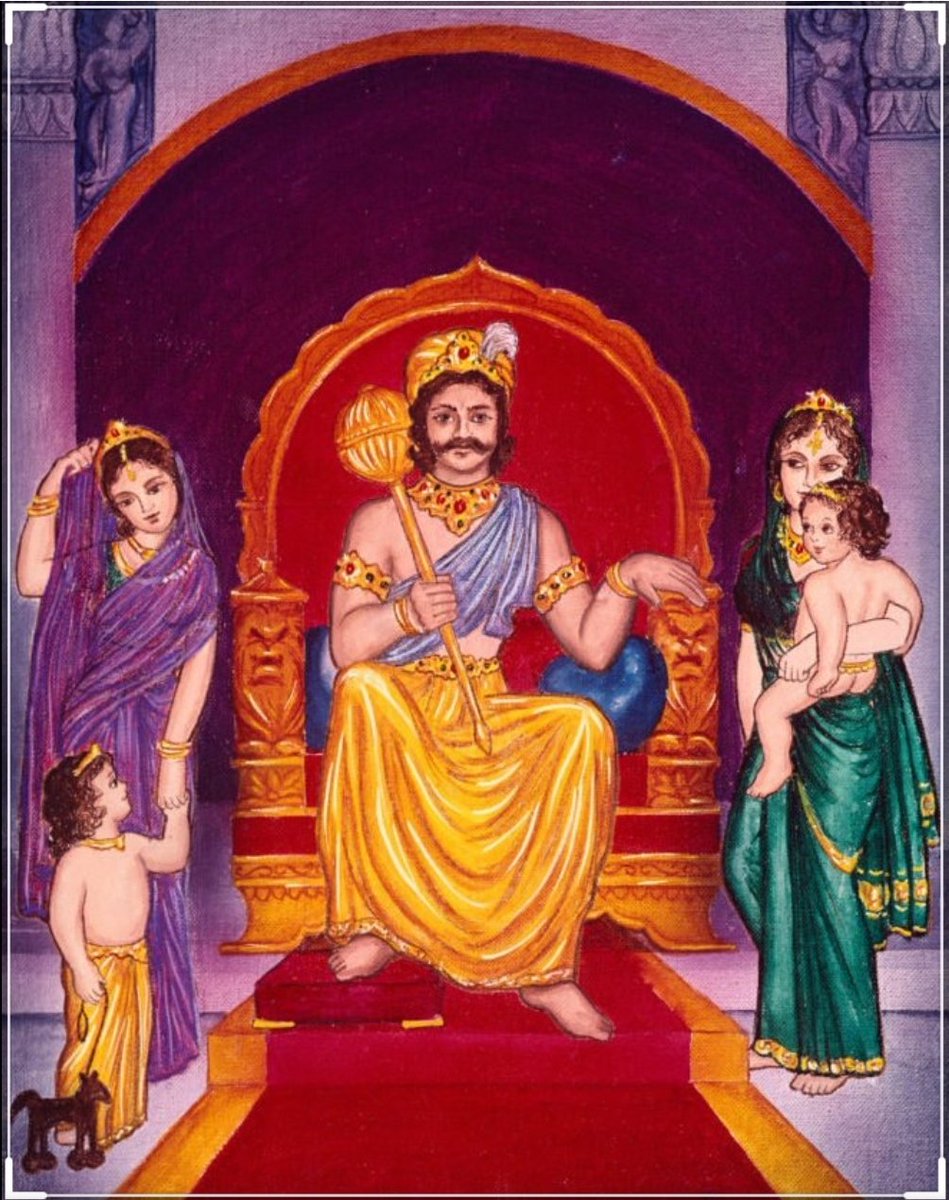
Now Suniti was the daughter of a tribal chief while Suruchi was the daughter of a rich king. Hence Suruchi was always favored the most by Raja while Suniti was ignored. But while Suniti was gentle & kind hearted by nature Suruchi was venomous inside.
#KrishnaLeela
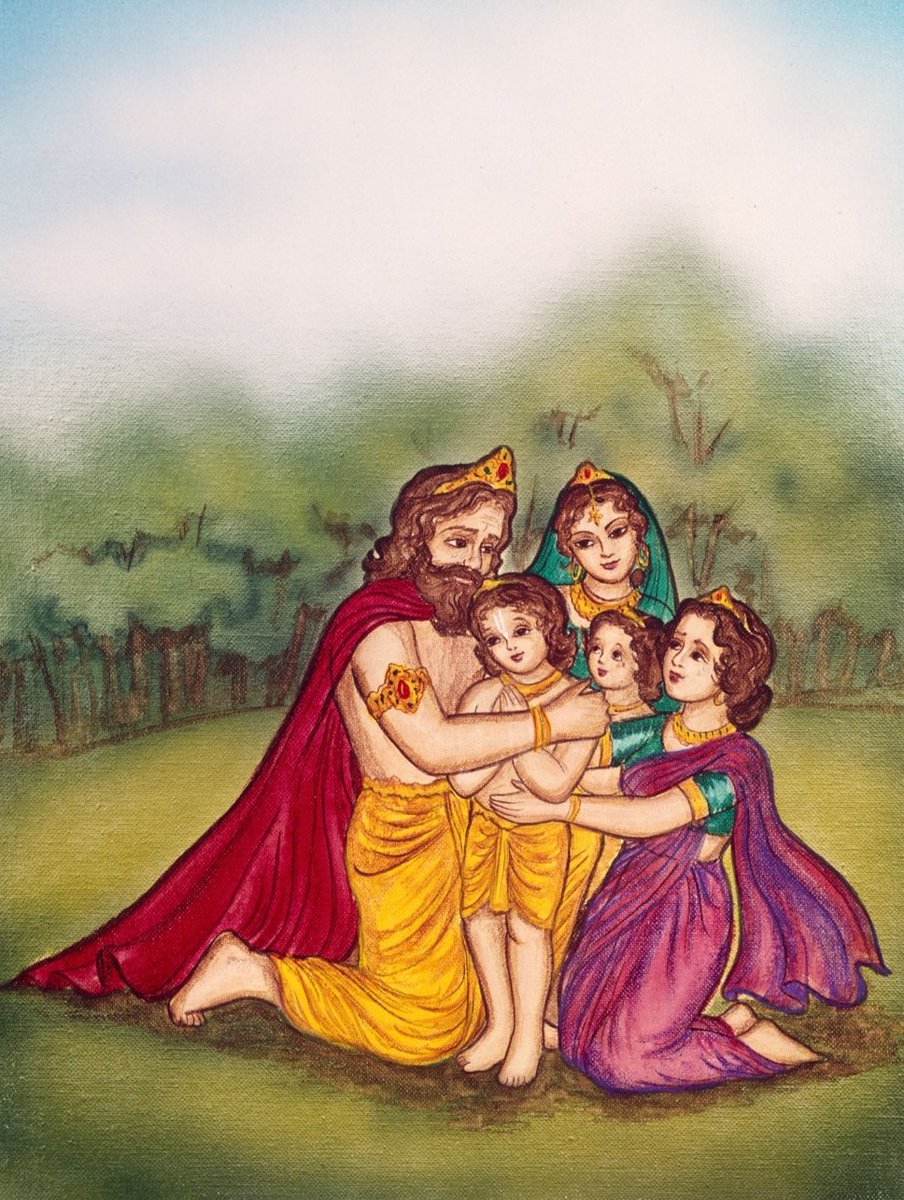
The story is of a time when ideally the eldest son of the king becomes the heir to the throne. Hence the sinhasan of the Raja belonged to Dhruva.This is why Suruchi who was the 2nd wife nourished poison in her heart for Dhruva as she knew her son will never get the throne.
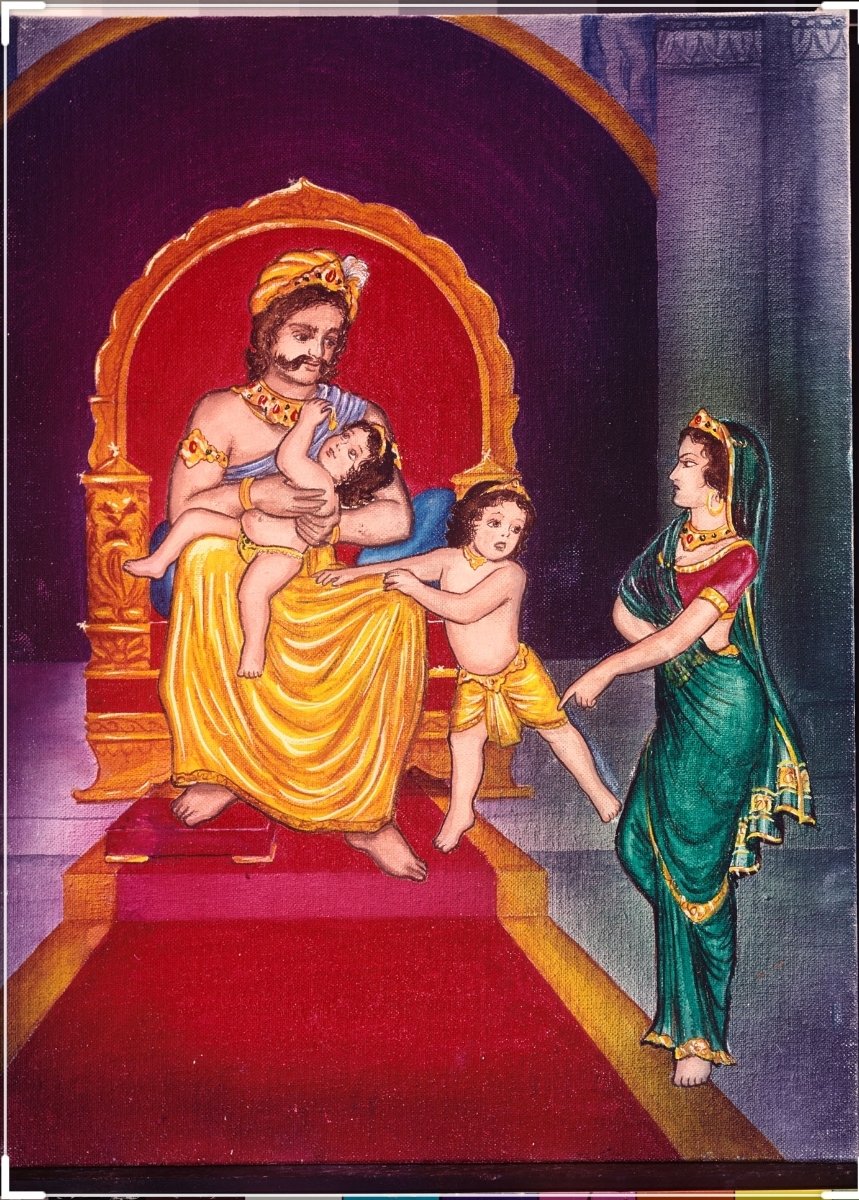
One day when Dhruva was just 5 years old he went on to sit on his father's lap. Suruchi, the jealous queen, got enraged and shoved him away from Raja as she never wanted Raja to shower Dhruva with his fatherly affection.
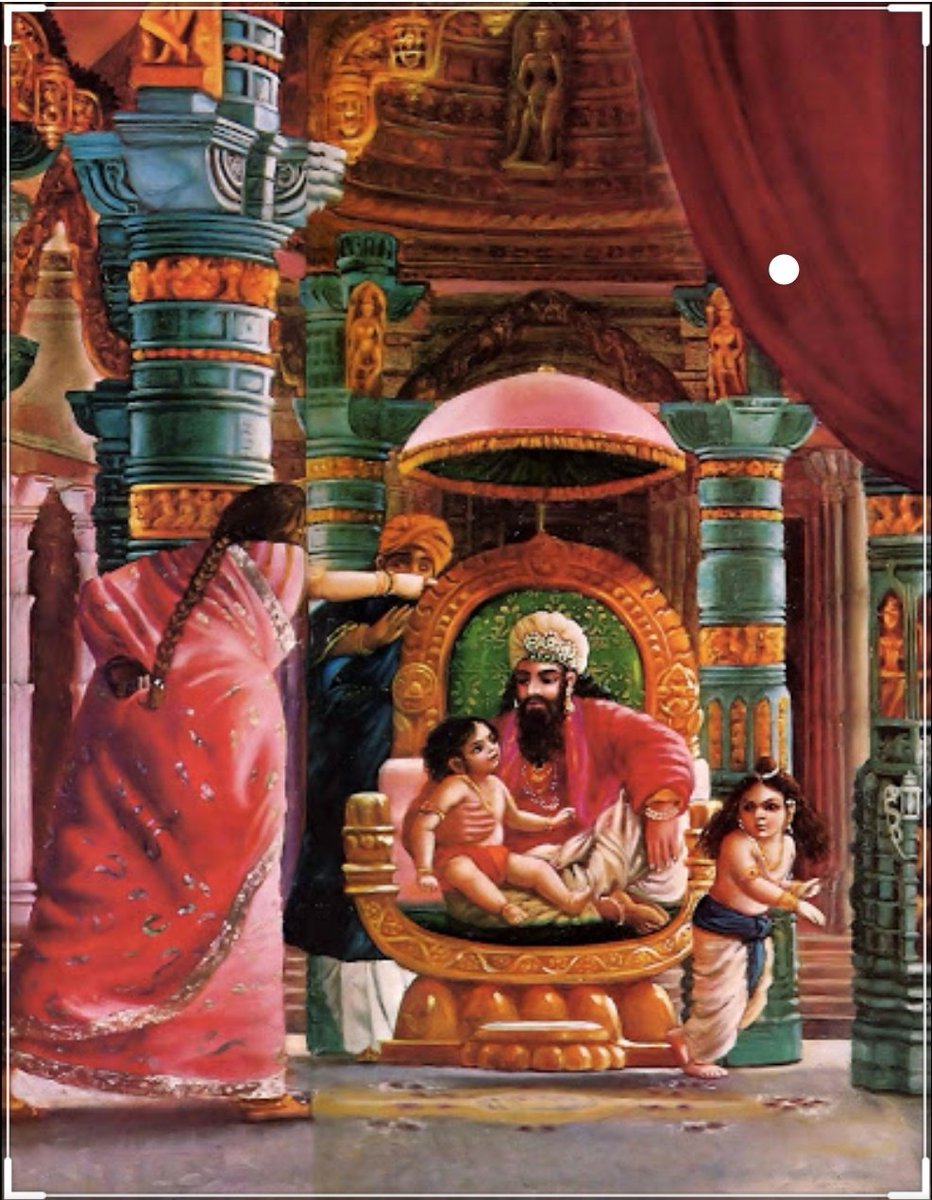
Dhruva protested questioning his step mother "why can't i sit on my own father's lap?" A furious Suruchi berated him saying "only God can allow him that privilege. Go ask him"
Once upon a time there was a Raja named Uttānapāda born of Svayambhuva Manu,1st man on earth.He had 2 beautiful wives - Suniti & Suruchi & two sons were born of them Dhruva & Uttama respectively.
#talesofkrishna https://t.co/E85MTPkF9W
Prabhu says i reside in the heart of my bhakt.
— Right Singh (@rightwingchora) December 21, 2020
Guess the event. pic.twitter.com/yFUmbfe5KL
Now Suniti was the daughter of a tribal chief while Suruchi was the daughter of a rich king. Hence Suruchi was always favored the most by Raja while Suniti was ignored. But while Suniti was gentle & kind hearted by nature Suruchi was venomous inside.
#KrishnaLeela
The story is of a time when ideally the eldest son of the king becomes the heir to the throne. Hence the sinhasan of the Raja belonged to Dhruva.This is why Suruchi who was the 2nd wife nourished poison in her heart for Dhruva as she knew her son will never get the throne.
One day when Dhruva was just 5 years old he went on to sit on his father's lap. Suruchi, the jealous queen, got enraged and shoved him away from Raja as she never wanted Raja to shower Dhruva with his fatherly affection.
Dhruva protested questioning his step mother "why can't i sit on my own father's lap?" A furious Suruchi berated him saying "only God can allow him that privilege. Go ask him"

So friends here is the thread on the recommended pathway for new entrants in the stock market.
Here I will share what I believe are essentials for anybody who is interested in stock markets and the resources to learn them, its from my experience and by no means exhaustive..
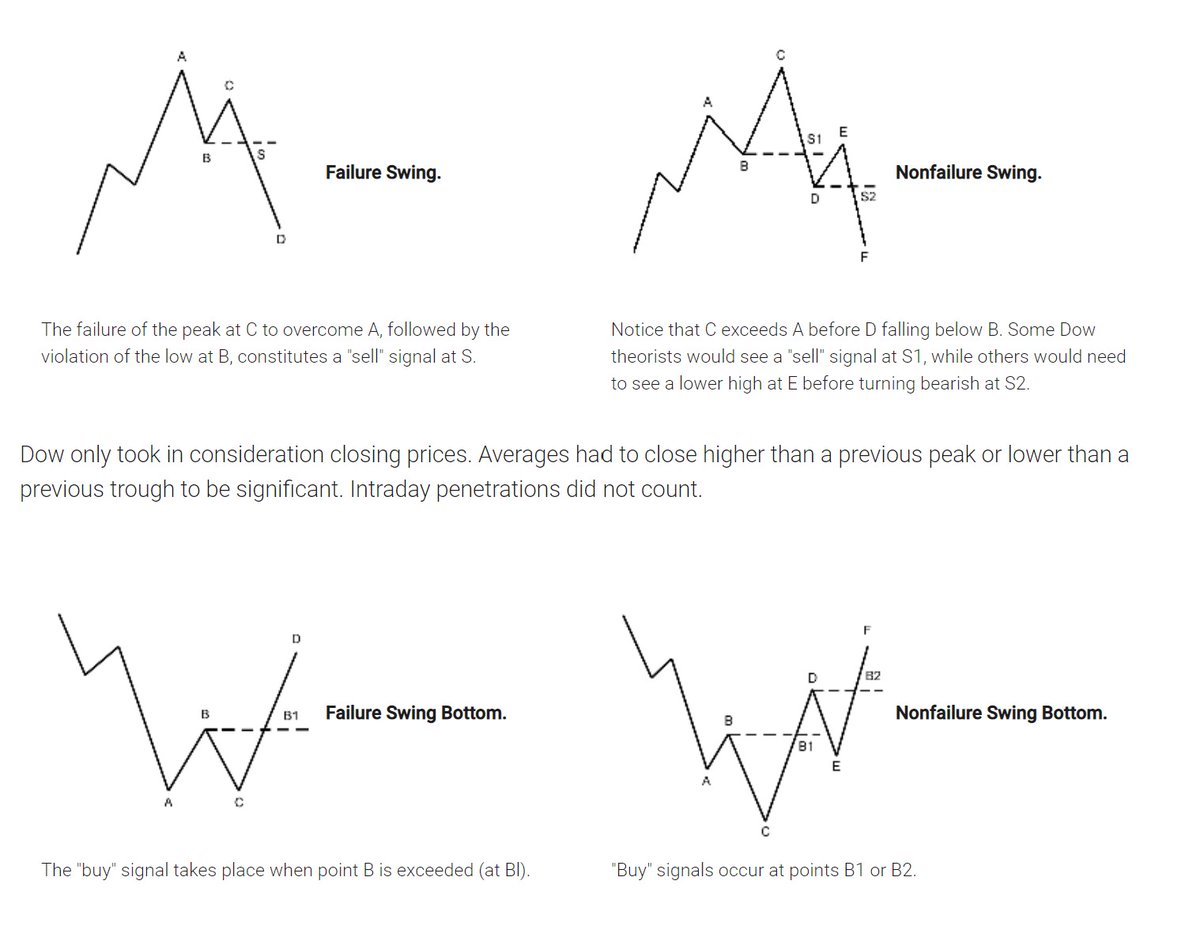
First the very basic : The Dow theory, Everybody must have basic understanding of it and must learn to observe High Highs, Higher Lows, Lower Highs and Lowers lows on charts and their
Even those who are more inclined towards fundamental side can also benefit from Dow theory, as it can hint start & end of Bull/Bear runs thereby indication entry and exits.
Next basic is Wyckoff's Theory. It tells how accumulation and distribution happens with regularity and how the market actually
Dow theory is old but
Here I will share what I believe are essentials for anybody who is interested in stock markets and the resources to learn them, its from my experience and by no means exhaustive..
First the very basic : The Dow theory, Everybody must have basic understanding of it and must learn to observe High Highs, Higher Lows, Lower Highs and Lowers lows on charts and their
Even those who are more inclined towards fundamental side can also benefit from Dow theory, as it can hint start & end of Bull/Bear runs thereby indication entry and exits.
Next basic is Wyckoff's Theory. It tells how accumulation and distribution happens with regularity and how the market actually
Dow theory is old but
Old is Gold....
— Professor (@DillikiBiili) January 23, 2020
this Bharti Airtel chart is a true copy of the Wyckoff Pattern propounded in 1931....... pic.twitter.com/tQ1PNebq7d

