People spend more time sitting than ever before, whether it's at a desk all day or watching Netflix on the couch.
This is leading to a global rise in:
• Poor posture
• Chronic back pain
• Neck, hip, and joint pain
Here are 8 simple exercises you can do to save your back:
1. Dead Hangs
Your spine becomes compressed throughout the day.
Dead hangs release the built-up tension in your back, neck, shoulders, and abdomen.
If you can’t dead hang your body weight, use your legs to slowly lower yourself down until you build up strength.
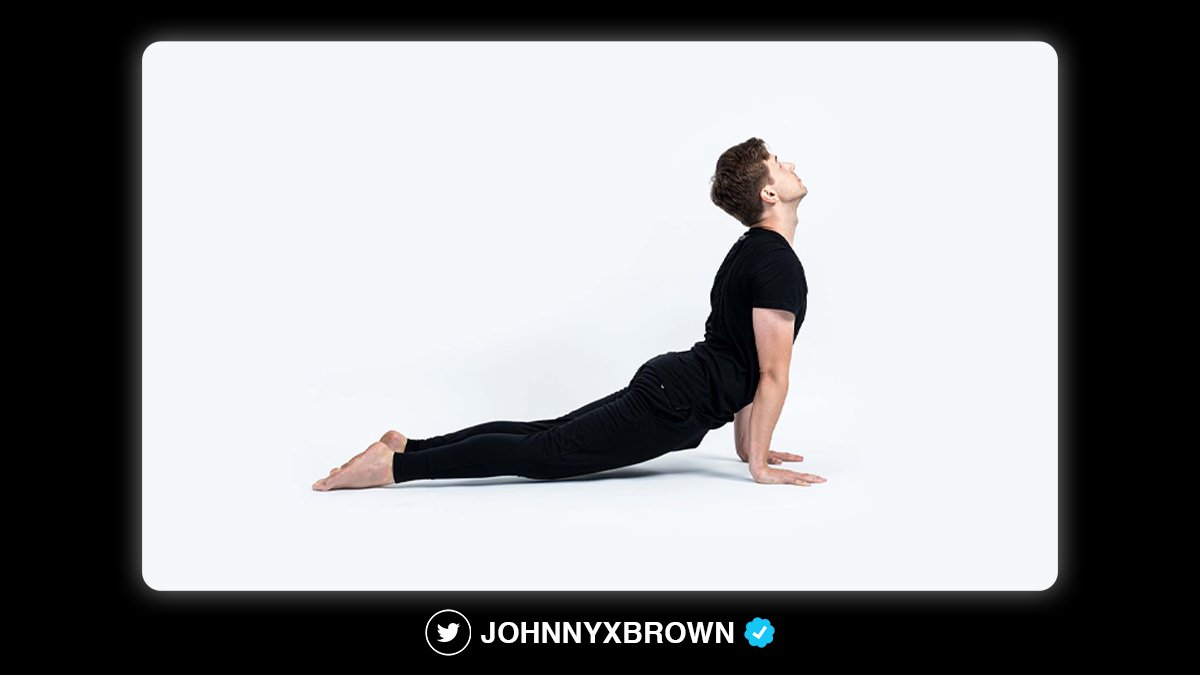
2. Thoracic Extensions
Poor thoracic health is one of the leading causes of back pain and mobility issues.
Hold this pose for 30 seconds, then take 15 seconds to rest.
Repeat this 4x in the morning and before bed to release tension, reduce stress, and improve mobility.
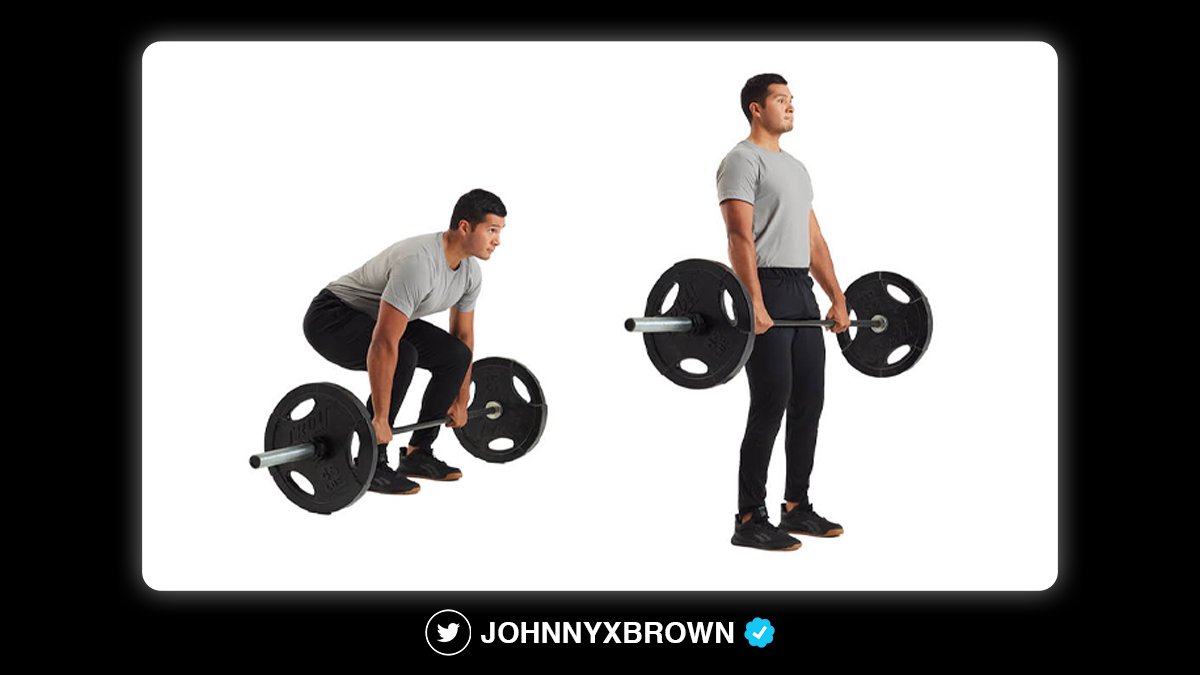
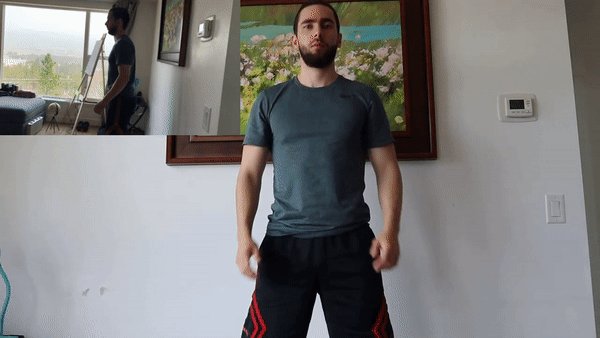
3. Deadlifts
These are hands down my favorite exercise.
This simple lift will strengthen your entire posterior chain.
To avoid injury when starting out, perform the motion and focus on proper form until you’re able to add resistance.
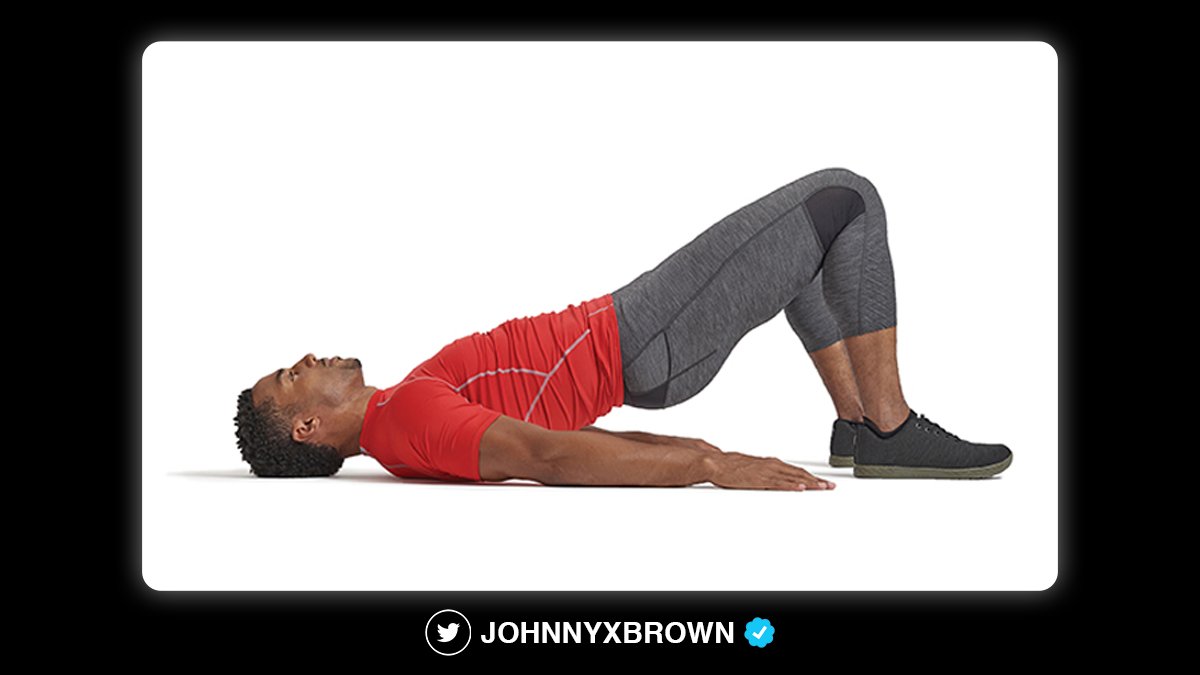
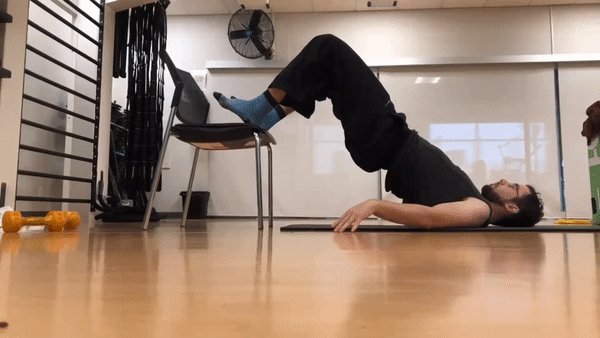
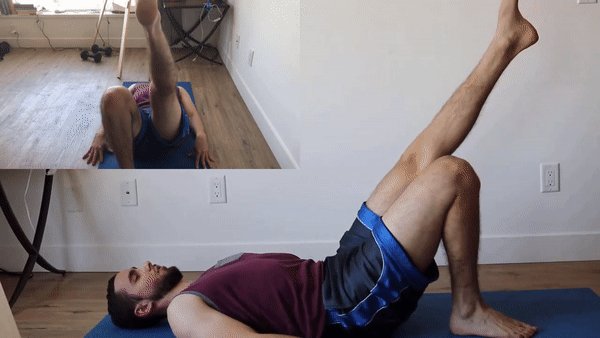
4. Glute Bridges
When your glutes are weak, your back compensates for them.
This adds stress to your back and causes pain and inflexibility over time.
Contract your glutes for 30 seconds, then rest for 15.
Do 5 sets per day to strengthen your core and improve your balance.
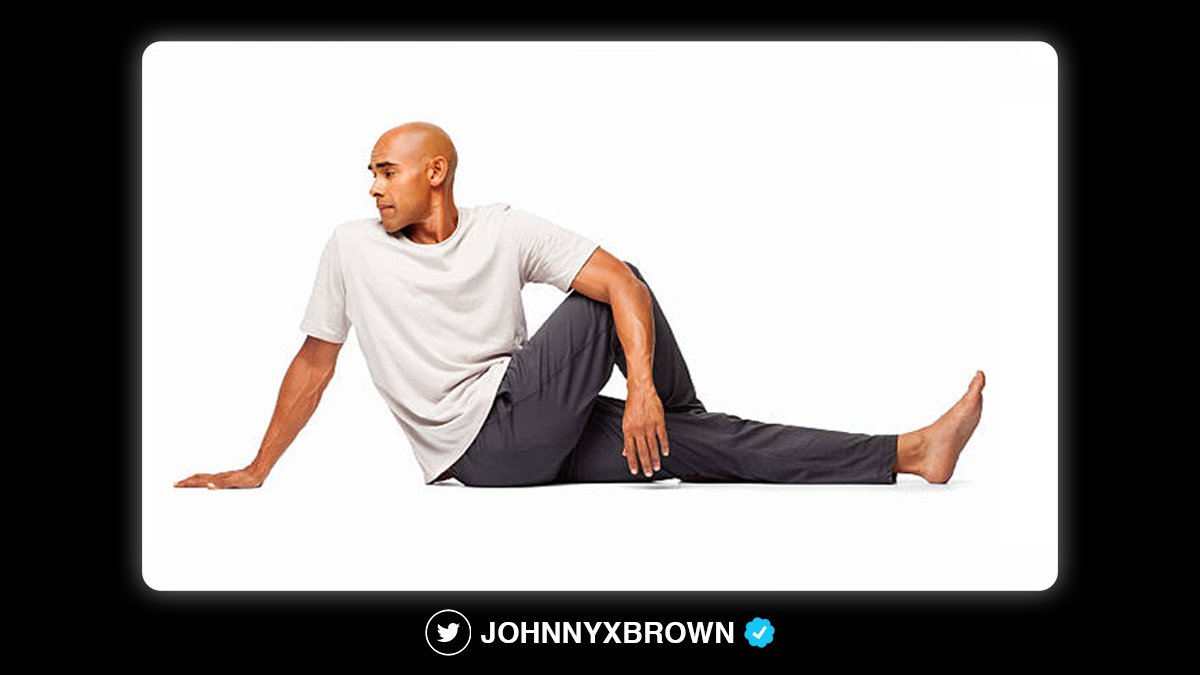
5. Seated Twists
This stretch is great for your neck, chest, shoulders, and back.
Hold the position for 30 seconds, rest for 15, then repeat on the other side.
Performing this exercise every morning will result in improved circulation and range of motion.
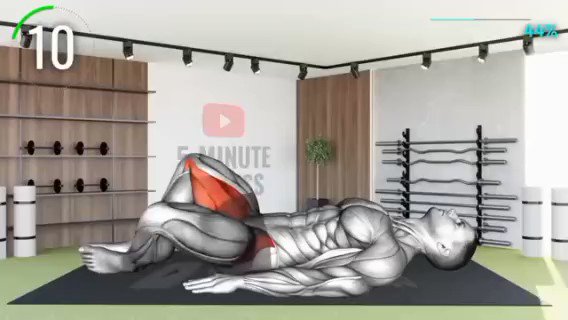
6. Child’s Pose
This one is so simple, a child can do it — no seriously.
Lie down, pull your knees up to your chest, and stretch your arms out forward.
Hold this position for 20 seconds.
Do this before bed to release the tension built up in your shoulders and lower back.
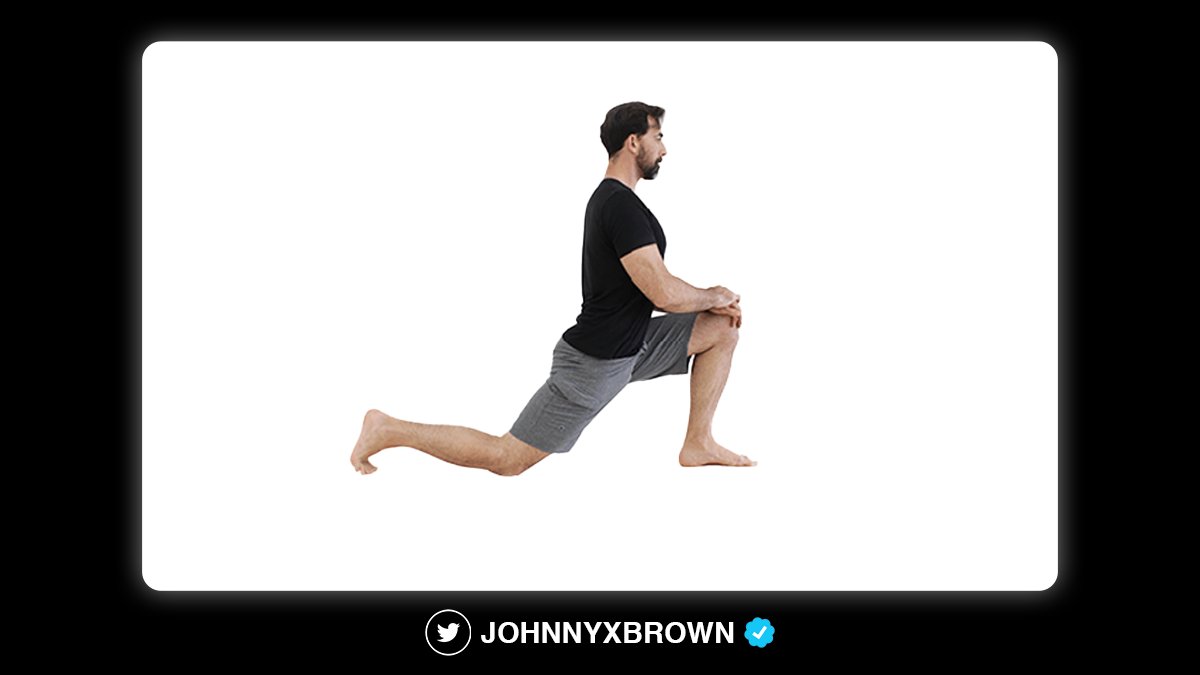
7. Hip Flexor Stretch
The hip flexors play an important role in how you move.
Sitting all day causes these muscles to become weaker, leaving your lower back vulnerable to serious injuries.
This stretch reverses that damage to protect your pelvis and spine.
8. Bird-Dog Plank
Start on all fours, then extend your opposite arm and leg.
Hold this for 10 seconds, then repeat with the other side.
These are a great way to improve balance, engage your core, and strengthen your back.
Bonus Tip: Walk Frequently!
Your body is meant to move — not sit around all day.
Walking engages your core and lower back, improves spinal support, and increases blood flow.
Make it a point to walk 10,000 steps every day.
Your back will thank you!
8 exercises to reduce back pain and increase mobility:
1. Dead Hangs
2. Thoracic Extension
3. Deadlifts
4. Glute Bridges
5. Seated Twists
6. Child’s Pose
7. Hip Flexor Stretch
8. Bird-Dog Plank
Bonus: Walk frequently
Back pain is the leading cause of disability claims and mobility restrictions.
If you want to live a life of independence, start taking care of your back!
For more tips on optimizing your health and performance, follow me
@johnnyxbrown! https://t.co/Nsl6kpUNeq