https://t.co/KQ5QMmY7MG
This year has been momentous, with a new virus, a new job writing about that virus (114 articles!) and many new sources, readers and Twitter followers. To chronicle this insane year, I'm compiling some of the stories I'm proudest of. A thread.
https://t.co/KQ5QMmY7MG
https://t.co/485KxSXHeS
https://t.co/WecEe8XkBf
https://t.co/GqveDGgsul
https://t.co/zGiS89Ej2E
https://t.co/NG8zG5TpDq
https://t.co/rR4aBDK4Xl
https://t.co/OlQyH5PtUY
https://t.co/mRdOZh8AiO
https://t.co/BcVlR6J5XS
https://t.co/zFul84KhhA
https://t.co/19rkF0uvUt
https://t.co/XTWuRRBqm9
More from Twitter

The twitter ban on 45 is a victory in some sense for the immediate but a warning in the long term, not on the curtail of free speech but as gesture towards the expansive power commercial tech has on every aspect of our governance and our lives, I don’t quite have the words but-
What I’m trying to get at, is not just that Twitter’s decision allows us to see—in ways that have been obscured—how much control they have over content moderation—
but as @Elinor_Carmi points out “platforms don’t just moderate or filter “content”; they alter what registers to us and our social groups as “social” or as “experience.” https://t.co/GSByAOoDWg changed
I’m worried that the celebration of Twitter’s intervention on fascist rhetoric-however too little and too late- directs us to desire tech companies enforcement of liberal and democratic procedures rather than towards an investigation of
how they’ve developed computational infrastructures which exceed the power of the nation state, are hollowing out our institutions for frictionless (see removing human contact) optimization and are insufficiently described by neoliberalism
What I’m trying to get at, is not just that Twitter’s decision allows us to see—in ways that have been obscured—how much control they have over content moderation—
but as @Elinor_Carmi points out “platforms don’t just moderate or filter “content”; they alter what registers to us and our social groups as “social” or as “experience.” https://t.co/GSByAOoDWg changed
I’m worried that the celebration of Twitter’s intervention on fascist rhetoric-however too little and too late- directs us to desire tech companies enforcement of liberal and democratic procedures rather than towards an investigation of
how they’ve developed computational infrastructures which exceed the power of the nation state, are hollowing out our institutions for frictionless (see removing human contact) optimization and are insufficiently described by neoliberalism

📱 Over the past 2-3 years, I screenshotted a ton of random tweets about social/product that made me think
Here they are, in chronological order, w highlights from @nikitabier, @BrianNorgard, @rsg, @Mazzeo, @prestonattebery, + many more
(sry for weird twtr cropping + threading)
h/t @Mazzeo
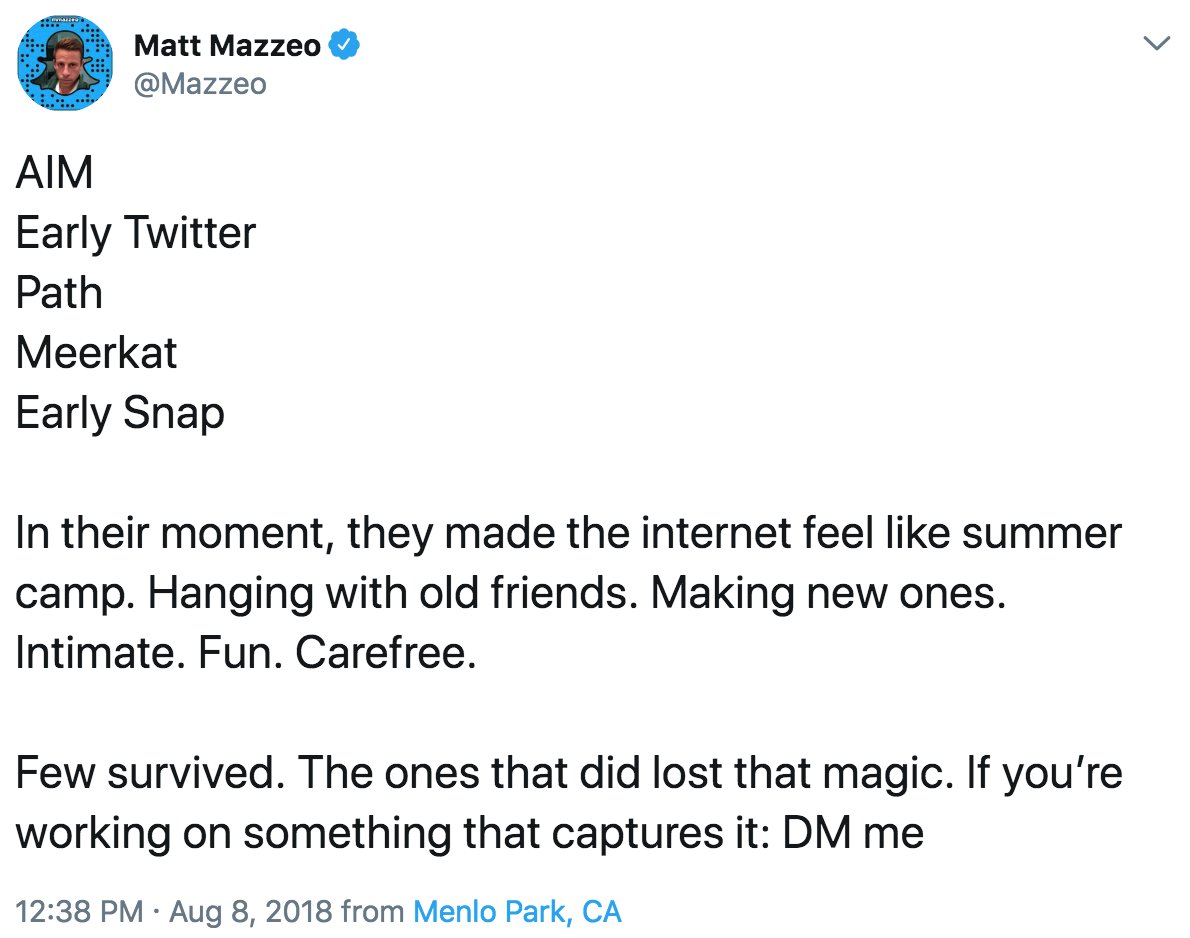
h/t @Mazzeo
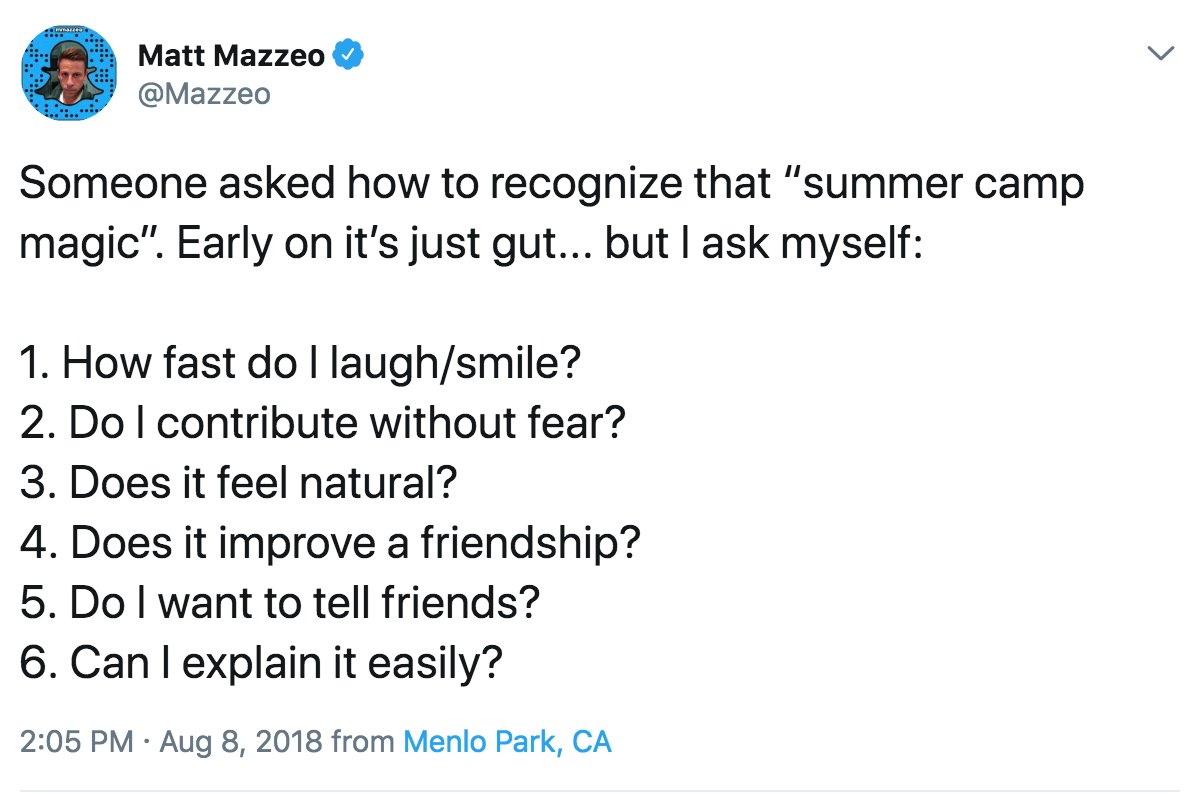
h/t @Mazzeo
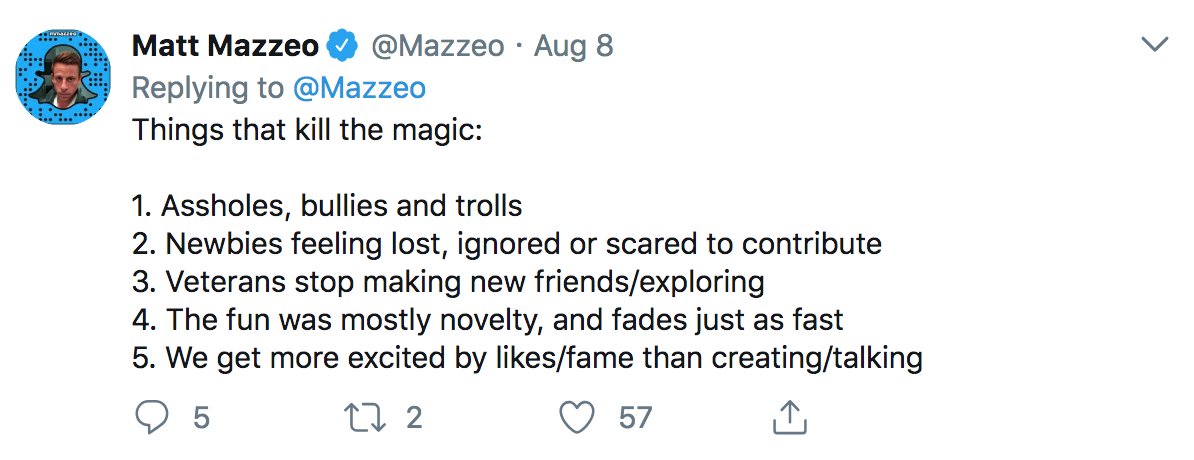
h/t @Mazzeo

Here they are, in chronological order, w highlights from @nikitabier, @BrianNorgard, @rsg, @Mazzeo, @prestonattebery, + many more
(sry for weird twtr cropping + threading)
literally have a folder of dozens of my fav screenshotted tweets on consumer social product stuff...and @nikitabier is well represented
— Adam O'Kane \U0001f4ad (@adamokane) February 13, 2021
h/t @Mazzeo
h/t @Mazzeo
h/t @Mazzeo
h/t @Mazzeo


Today's Twitter threads (a Twitter thread).
Inside: Privacy Without Monopoly; Broad Band; $50T moved from America's 90% to the 1%; and more!
Archived at: https://t.co/QgK8ZMRKp7
#Pluralistic
1/
This weekend, I'm participating in Boskone 58, Boston's annual sf convention.
https://t.co/2LfFssVcZQ
Tonight, on a panel called "Tech Innovation? Does Silicon Valley Have A Mind-Control Ray, Or a Monopoly?" at 530PM Pacific.
2/
Privacy Without Monopoly: A new EFF white paper, co-authored with Bennett Cyphers.
https://t.co/TVzDXt6bz6
3/
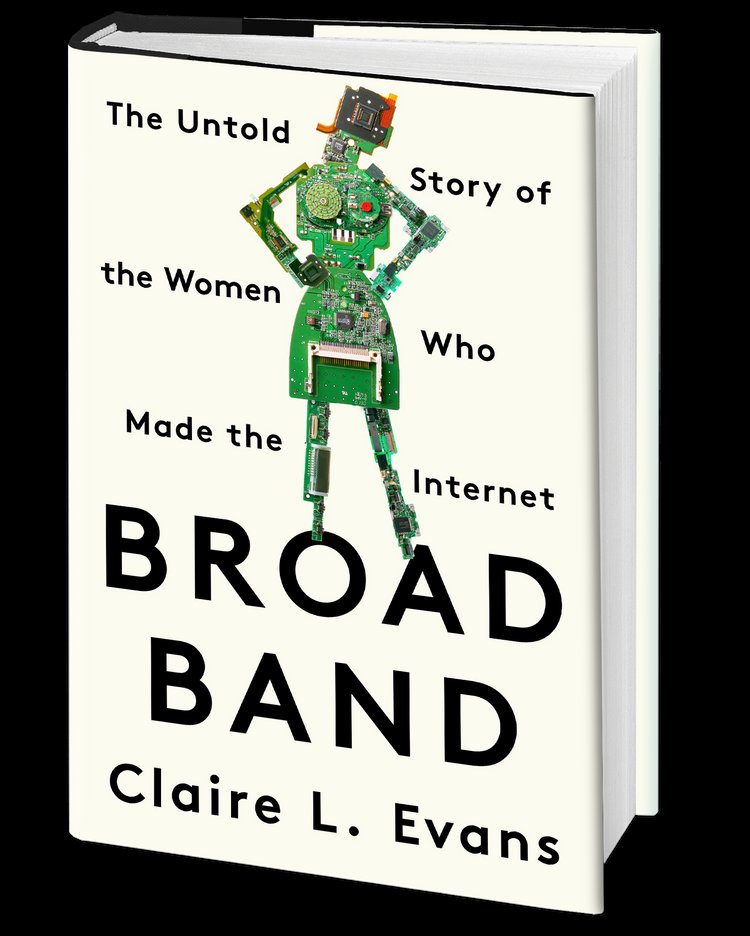
Broad Band: Claire L Evans's magesterial history of women in computing.
https://t.co/Lwrej6zVYd
4/
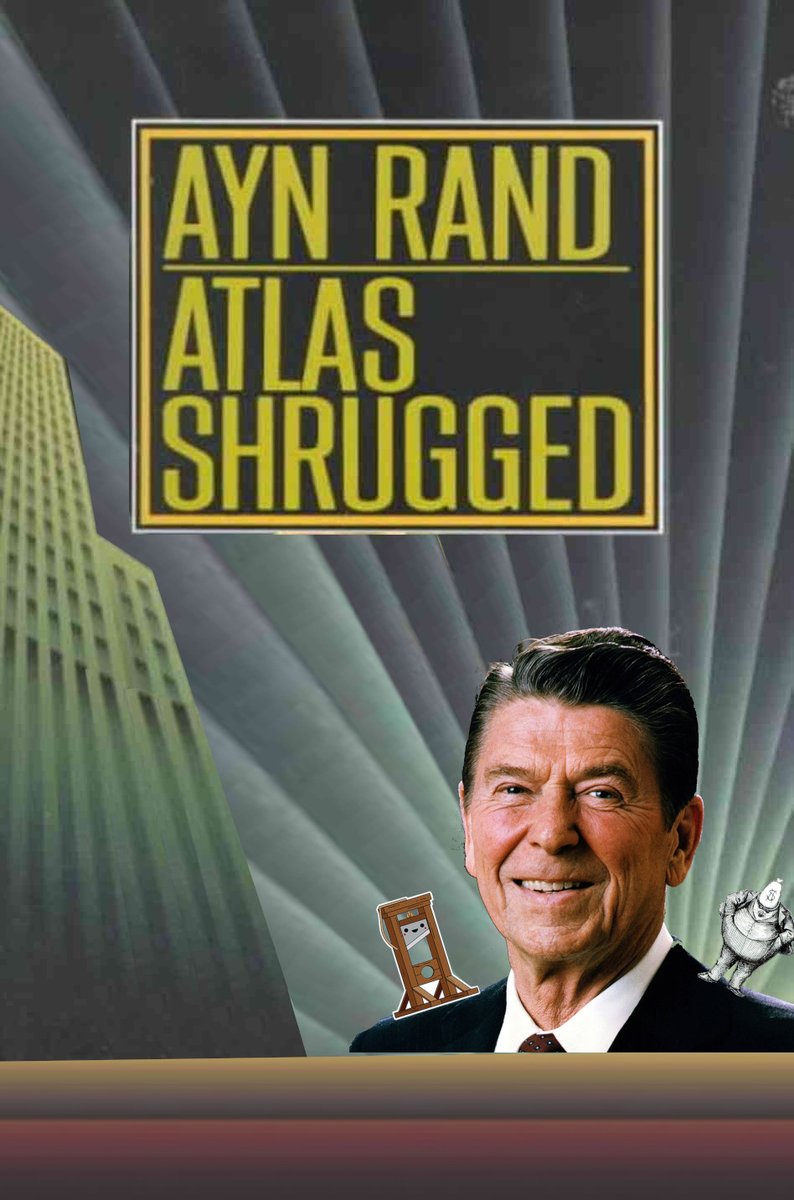
$50T moved from America's 90% to the 1%: The hereditary meritocracy is in crisis.
https://t.co/TquaxOmPi8
5/
Inside: Privacy Without Monopoly; Broad Band; $50T moved from America's 90% to the 1%; and more!
Archived at: https://t.co/QgK8ZMRKp7
#Pluralistic
1/
This weekend, I'm participating in Boskone 58, Boston's annual sf convention.
https://t.co/2LfFssVcZQ
Tonight, on a panel called "Tech Innovation? Does Silicon Valley Have A Mind-Control Ray, Or a Monopoly?" at 530PM Pacific.
2/
Privacy Without Monopoly: A new EFF white paper, co-authored with Bennett Cyphers.
https://t.co/TVzDXt6bz6
3/
Today, @EFF published "Privacy Without Monopoly: Data Protection and Interoperability," a major new paper by Bennett Cyphers and me. https://t.co/Ma2FE2vZ9u
— Cory Doctorow #BLM (@doctorow) February 13, 2021
1/ pic.twitter.com/RzCkQdQRxy
Broad Band: Claire L Evans's magesterial history of women in computing.
https://t.co/Lwrej6zVYd
4/
One of the most Monkey's Paw things about my life is my relationship to books. When I was a teenager, I read all the way through the school and public libraries, spent everything I had on books, and still couldn't get enough and dreamt of more.
— Cory Doctorow #BLM (@doctorow) February 13, 2021
1/ pic.twitter.com/Lgkdk5a7YA
$50T moved from America's 90% to the 1%: The hereditary meritocracy is in crisis.
https://t.co/TquaxOmPi8
5/
Inequality requires narrative stabilizers. When you have too little and someone else has more than they can possibly use, simple logic dictates that you should take what they have.
— Cory Doctorow #BLM (@doctorow) February 13, 2021
1/ pic.twitter.com/BUFyq9H2n4

Twitter removed 800 followers from my account today. People have been writing saying twitter automatically unfollowed me for them. Follow me on Parler @robinmonotti & Telegram https://t.co/o5rFaSrCpa to bypass this.
I have already left both Facebook & Instagram. We need to keep agile.
They will try to ban Parler, blaming it for Capitol theatre. I think Telegram may survive as it's not based in the
Yes Telegram owner @durov received & accepted what effectively is an award, not a partnership: the Young Global Leaders membership of the World Economic Forum in 2017. Does this mean he passes users info on? I don't think so.
This is what @Snowden had to say about @durov. Since then Telegram introduced the option of end to end encrypted chats not saved in Telegram servers. These private chats cannot be forwarded, and none of the participants can capture screenshots of
I have already left both Facebook & Instagram. We need to keep agile.
They will try to ban Parler, blaming it for Capitol theatre. I think Telegram may survive as it's not based in the
Yes Telegram owner @durov received & accepted what effectively is an award, not a partnership: the Young Global Leaders membership of the World Economic Forum in 2017. Does this mean he passes users info on? I don't think so.
This is what @Snowden had to say about @durov. Since then Telegram introduced the option of end to end encrypted chats not saved in Telegram servers. These private chats cannot be forwarded, and none of the participants can capture screenshots of
Trust us not to turn over data. Trust us not to read your messages. Trust us not to close your channel. Maybe @Durov is an angel. I hope so! But angels have fallen before. Telegram should have been working to make channels decentralized\u2014meaning outside their control\u2014for years.
— Edward Snowden (@Snowden) December 30, 2017