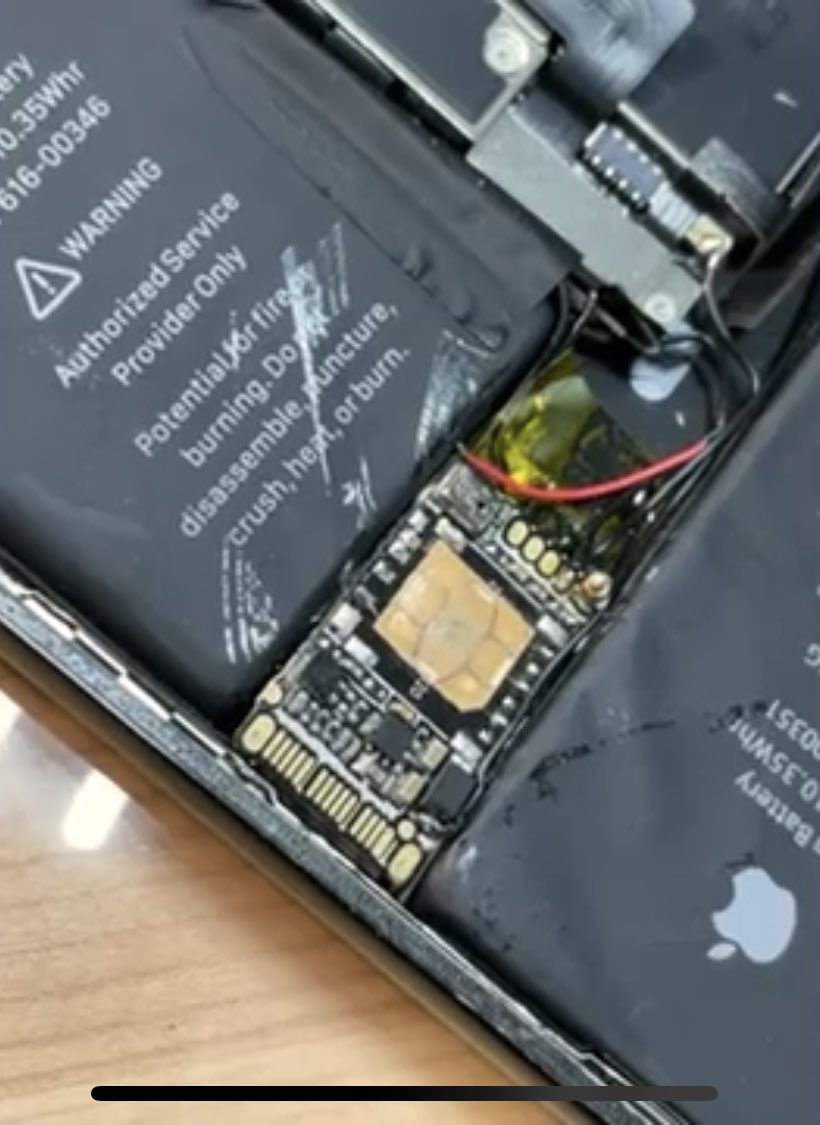
Woke up to like 100 tags on this iPhone implant. Which is found in this video here: https://t.co/9khbpmUQEH

I don’t speak Russian, but I do have a first grade language fluency in hardware. So lets take a look!
Thread 1/n

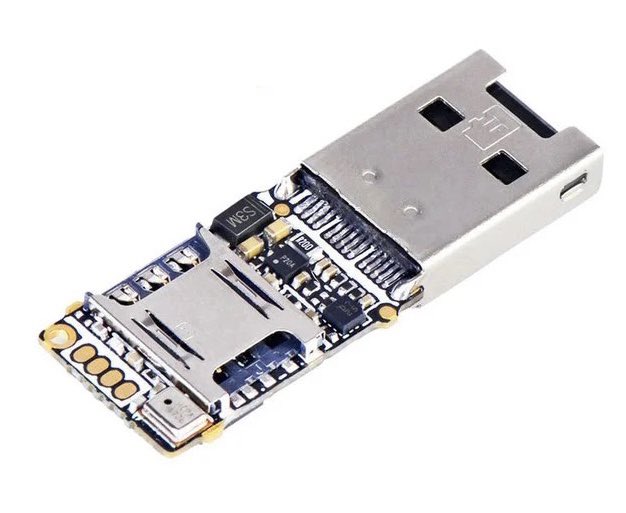
So a lot of people have correctly identified it as this GPS & Wifi based location tracker with microphone.
A very common type of device, similar to what is found in those extremely suspicious looking USB cables: https://t.co/uBhi7tRhiW

2/n
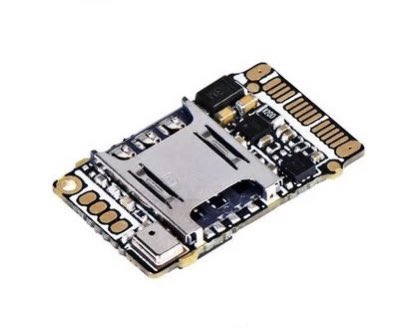
The headers are designed to attach a specific USB connector that fits a micro SD card in the tip.
3/n
A repurposed board is very “hobby implant” but... we see the SIM card was removed, which would make this a wifi-only implant. Yet an external GSM antenna is attached and only the ground for power? Cant see the other side though...
4/n
Upon closer inspection, they removed the SIM slot housing and soldered a SIM card directly to the pads. That gains a little more space.

Thanks @dcuthbert

5/n https://t.co/Sq9X6yByPV
You can see an antenna in the upper right. Right on a metal shield which will hurt the range.
There is normally not a convenient place for an implant, but they swapped the battery for a smaller one.
6/n
This feels like a proof of concept done for the video, or a fairly low grade implant done with a tiny budget. It could be done way smaller by not repurposing an existing thumb drive module.

7/n
For many adversaries that want location & mic, I suspect they generally don’t need a hardware implant. But there are always exceptions. That’s not really my area though.
8/n
Looks like @Requiem_fr has a nice visual comparison showing the battery reduction for clearing space.

This is a technique I have also used in power supplies when needing a little extra space for... activities 😈

9/n https://t.co/KjgfREmhZt
If true, this seems almost like it was intended to be found. The work is really primitive for gov work, not to mention the other ways they can pull location & mic.

10/n https://t.co/AwNiFpIE2V
The “shrink the power source” approach was what I used for this project:

11/n https://t.co/gz3cuKC6jb
Here is a previously unpublished picture of the internals. It’s all cannibalized COTS hardware.
This was before I got into hardware design. Not very good, but enough for a proof of concept.

12/n
One plausible idea: this only needed to last long enough to see where the phone went before it was torn open. That would give some valuable info.

13/n https://t.co/M77sGjOmcW
Anyway. I’m just going off a few pictures as I haven’t had the time to properly research it. For all I know, this was created as a stand-in for video demo purposes.
14/n

More from Tech

There has been a lot of discussion about negative emissions technologies (NETs) lately. While we need to be skeptical of assumed planetary-scale engineering and wary of moral hazard, we also need much greater RD&D funding to keep our options open. A quick thread: 1/10

Energy system models love NETs, particularly for very rapid mitigation scenarios like 1.5C (where the alternative is zero global emissions by 2040)! More problematically, they also like tons of NETs in 2C scenarios where NETs are less essential.
https://t.co/M3ACyD4cv7 2/10


In model world the math is simple: very rapid mitigation is expensive today, particularly once you get outside the power sector, and technological advancement may make later NETs cheaper than near-term mitigation after a point. 3/10

This is, of course, problematic if the aim is to ensure that particular targets (such as well-below 2C) are met; betting that a "backstop" technology that does not exist today at any meaningful scale will save the day is a hell of a moral hazard. 4/10

Many models go completely overboard with CCS, seeing a future resurgence of coal and a large part of global primary energy occurring with carbon capture. For example, here is what the MESSAGE SSP2-1.9 scenario shows: 5/10

You May Also Like

Moderna CEO Stephane Bancel was previously CEO of bioMerieux in France from 07-10.

Alain Merieux, who owns bioMerieux, was instrumental in the creation of the Wuhan Institute of Virology P4 Lab.

The same people who helped create the virus, also helped to create the vaccines...


Moderna partnered with French Pasteur Institute in 2015 to develop mRNA vaccine technology.

Pasteur Institute partnered with the Wuhan P4 Laboratory in 2017 along with the Merieux Foundation to study emerging viruses...
https://t.co/yFsHwrNYaK
https://t.co/9M5lydBKhM


Nobel prize winning scientist Luc Montagnier asserts that Sars-Cov-2 is man-made and originated from the Wuhan Institute of Virology.

Montagnier did extensive work with the Pasteur Institute in France which was partnered with the Wuhan P4.

Merieux Foundation & the Chinese government have worked together since 1965, and partnered to study emerging pathogens in Africa in 2015.

Their research included "PATHOGENS CARRIED BY BATS" that provoke respiratory diseases.

🚨🚨🚨
https://t.co/gVwpT0ssqI