Hi @UHSFT @uhs_jobs @EHRC @EHRCChair @KishwerFalkner @RJHilsenrath @trussliz @GEOgovuk

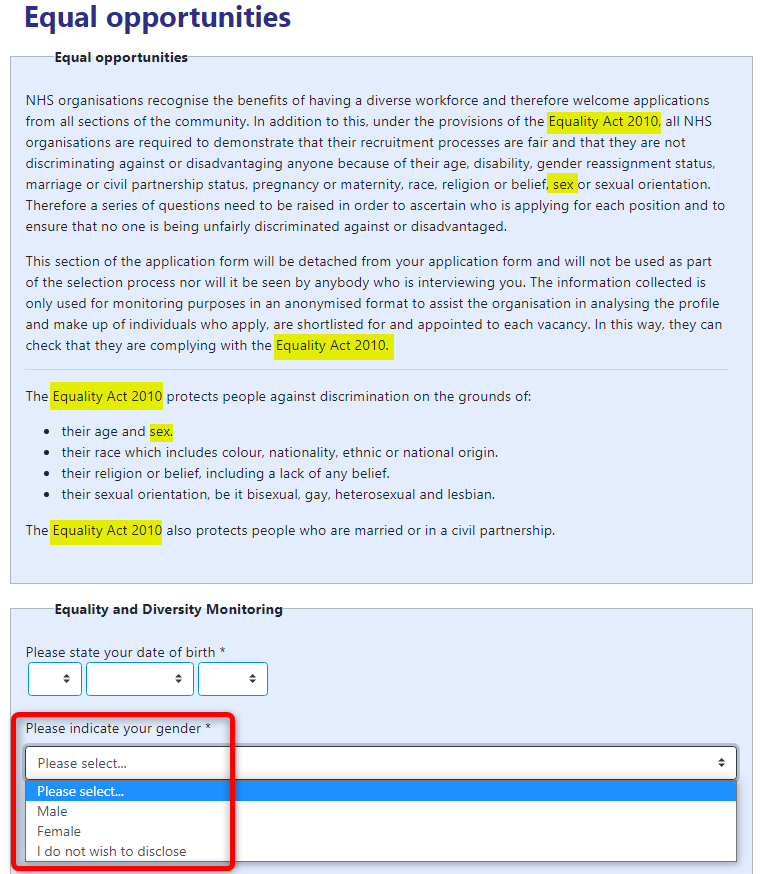
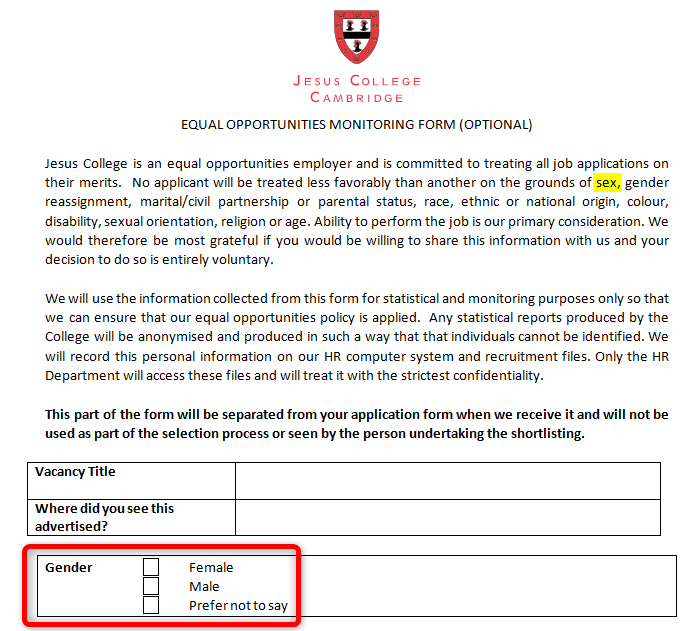
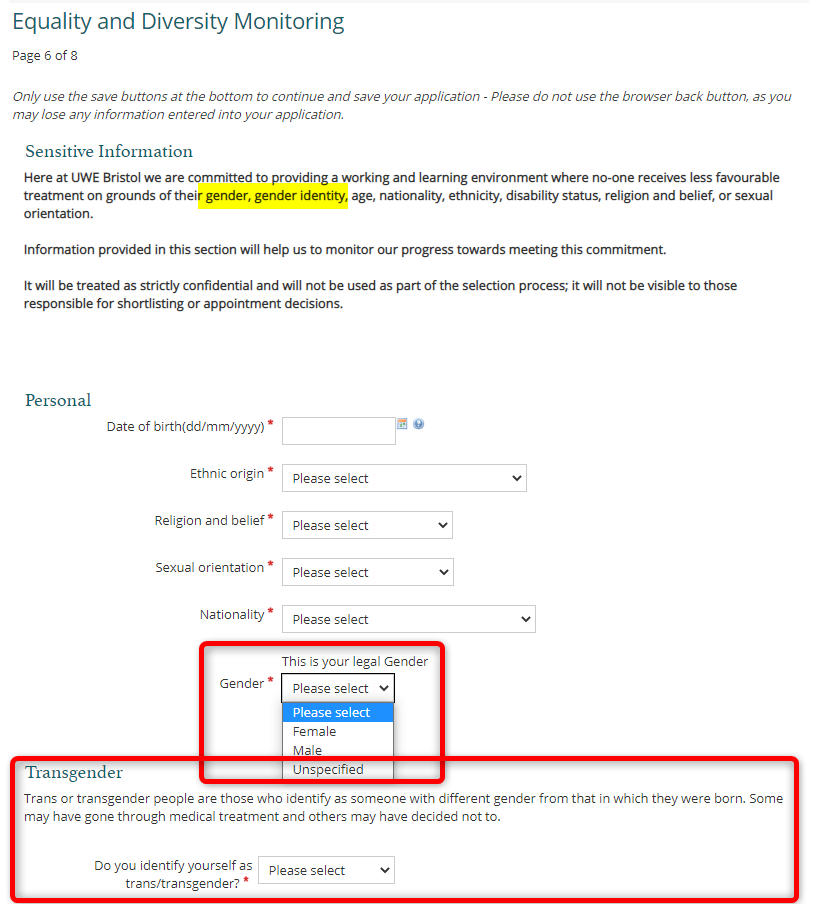
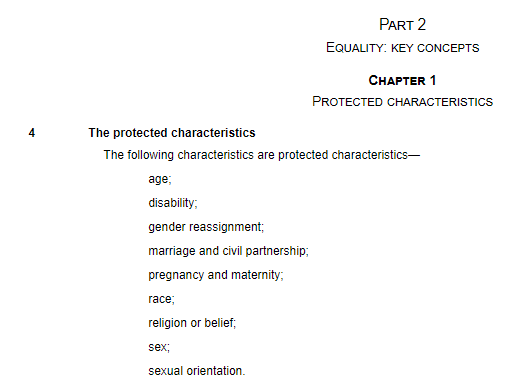
The Equal opportunities section of your job application mentions the Equality Act 2010 four times and lists sex as a protected characteristic twice.

However...

1/11

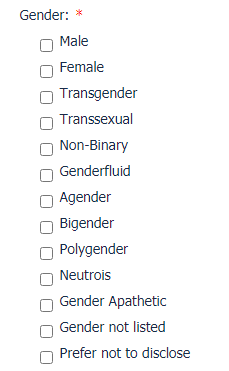
However, you then ask for the 'gender' of the applicant with options:

Male
Female.

2/11
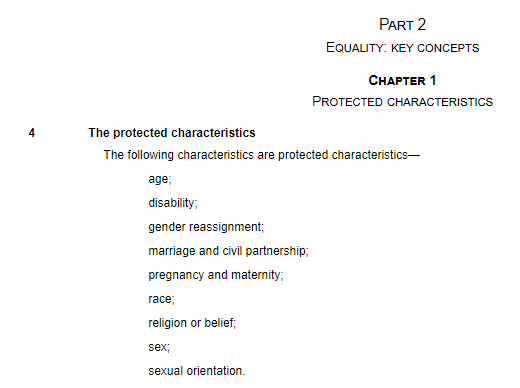
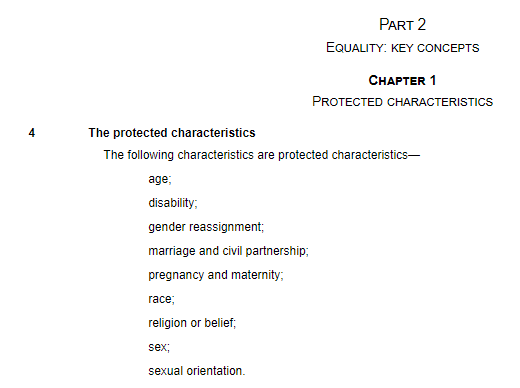
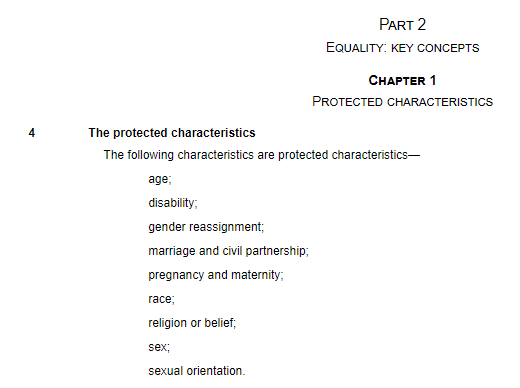
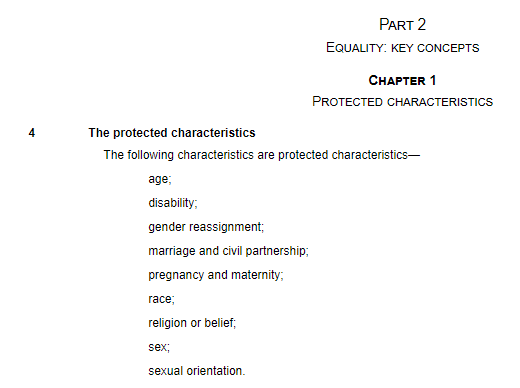
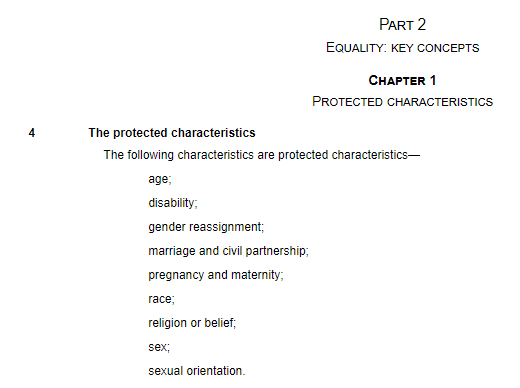
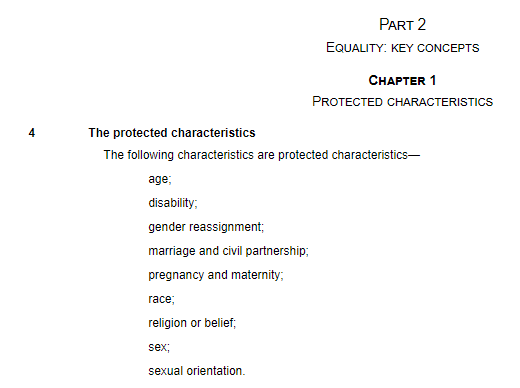
'Gender' is not a protected characteristic under the Equality Act 2010 and is not defined in the Act.

https://t.co/qisFhCiV1u

3/11
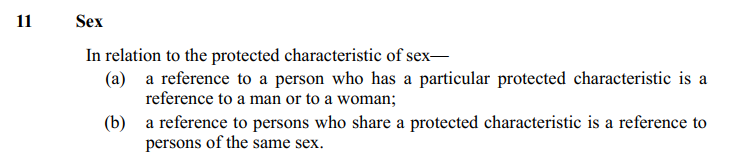
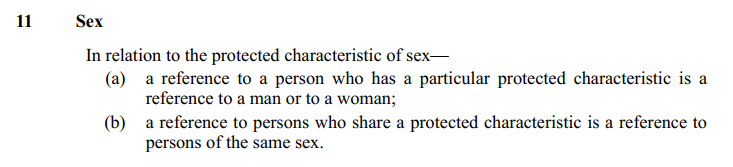
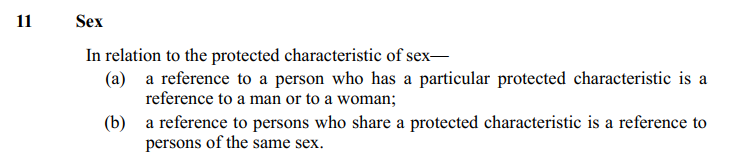
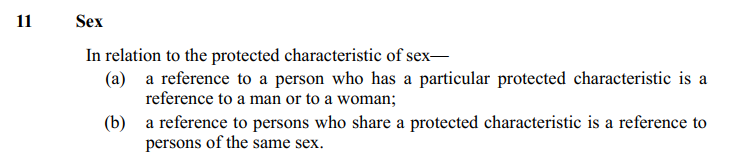
Sex is the protected characteristic and the only two possible options for sex are 'Female' and 'Male' as defined in the Act and consistent with biology.

https://t.co/CEJ0gkr6nF

'Gender' is not a synonym for sex.

4/11
Asking about a personal characteristic such as 'gender' that is not a protected characteristic under the Act, may be in breach of the GDPR by processing personal - and potentially Special Category - data without a lawful basis.

5/11
If you choose not to gather data on specific protected characteristics (such as sex), you cannot have the information required to ascertain whether or not you could be discriminating on protected characteristics in recruitment. This could be vital in an employment tribunal.

6/11
If you choose to discriminate on characteristics (such as 'gender') that are not protected characteristics under the Act, you may inadvertently indirectly discriminate on protected grounds.

7/11
Given this error and your use of incorrect terms, it's not clear how you can meet your Public Sector Equality Duty or how you have met it in the past given your data could have been corrupted by those who didn't provide their sex.

8/11
Nor is it clear how you can have had due regard to the other duties given the data you have collected.

9/11
Language and meaning of words are important and proper use & understanding of terms is vital so that the public is aware of what rights they have and what your duties are. Any confusion or inconsistency over meaning may prevent people from accessing their rights in law.

10/11
Will you undertake to correct these errors and to review all your other policies, documents, reports, etc to ensure compliance?

Please respond.

https://t.co/RJAWJ1vJ6s

11/11
@threadreaderapp unroll

More from sexnotgender.info

Hi @Census2021 @ons @IanDiamond11 @_datasmith @PhilippaBonay @EHRC @EHRCChair @KishwerFalkner @RJHilsenrath @trussliz @GEOgovuk

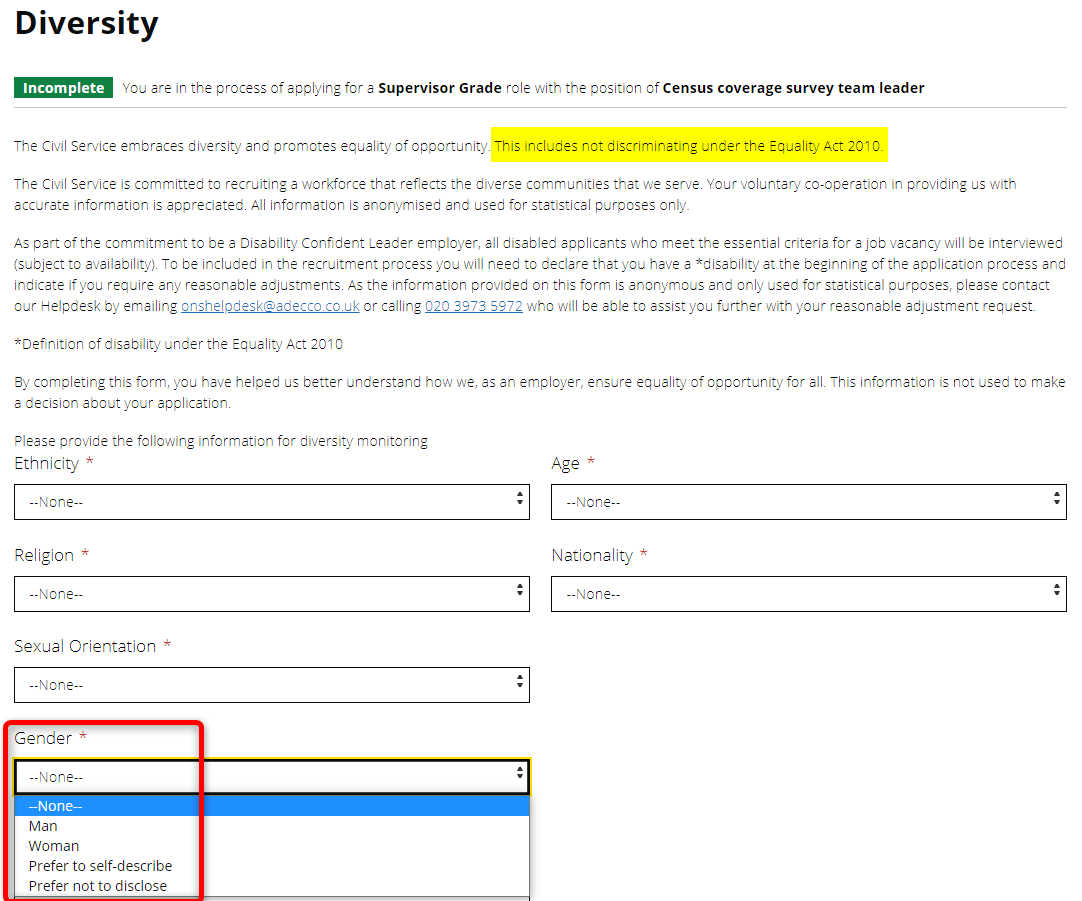
The 'Diversity' section of your job application states you promote 'not discriminating under the Equality Act 2010'.

However...

1/11


However, you then ask for the 'Gender' of the applicant with options:

Man
Woman
Prefer to self describe.

2/11

'Gender' is not a protected characteristic under the Equality Act 2010 and is not defined in the Act.

https://t.co/qisFhCiV1u

3/11


Sex is the protected characteristic & the only two possible options for sex are 'Female' &'Male' as defined in the Act & consistent with biology, but you don't ask for that. 'Self-describe' is not a valid option

https://t.co/CEJ0gkr6nF

'Gender' is not a synonym for sex.

4/11


Asking about a personal characteristic such as 'gender' that is not a protected characteristic under the Act, may be in breach of the GDPR by processing personal - and potentially Special Category - data without a lawful basis.

5/11
Hi @bmj_latest @bmj_company @trishgreenhalgh @EHRC @EHRCChair @KishwerFalkner @RJHilsenrath @trussliz @GEOgovuk

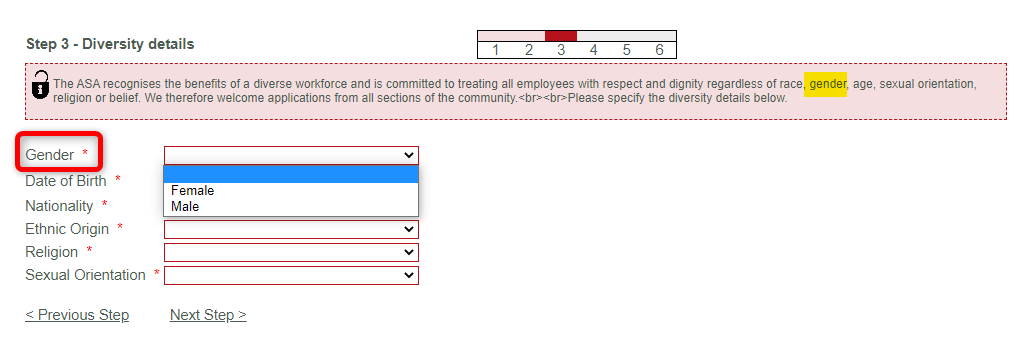
The EEO section of your job application has 'gender' in what appears to be a list of the protected characteristics under the Equality Act 2010.

1/11


'Gender' is not a protected characteristic under the Equality Act 2010 and is not defined in the Act.

https://t.co/qisFhCiV1u

2/11


Sex is the protected characteristic under the Act, but that is not on your list.

'Gender' is not a synonym for sex.

3/11

You then ask for the 'gender' of the applicant with options:

Male
Female.

4/11

'Gender' is not a protected characteristic under the Equality Act 2010 and is not defined in the Act.

https://t.co/qisFhCiV1u

5/11
Hi @SussexUni @adamtickell @profsaulbecker @EHRC @EHRCChair @KishwerFalkner @RJHilsenrath @trussliz @GEOgovuk

The Equal opportunities monitoring form in your job application asks for the 'gender' of the applicant with options:

Male
Female
Other.

https://t.co/DbKgiLN5yG

1/10


'Gender' is not a protected characteristic under the Equality Act 2010 and is not defined in the Act.

https://t.co/qisFhCiV1u

2/10


Sex is the protected characteristic and the only two possible options for sex are 'Female' and 'Male' as defined in the Act and consistent with biology - 'other' is not a valid option.

https://t.co/CEJ0gkr6nF

'Gender' is not a synonym for sex.

3/10


Asking about a personal characteristic such as 'gender' that is not a protected characteristic under the Act, may be in breach of the GDPR by processing personal - and potentially Special Category - data without a lawful basis.

4/10

If you choose not to gather data on specific protected characteristics (such as sex), you cannot have the information required to ascertain whether or not you could be discriminating on protected characteristics in recruitment. This could be vital in an employment tribunal.

5/10
Hi @officestudents @EHRC @EHRCChair @KishwerFalkner @RJHilsenrath @trussliz @GEOgovuk

The Equality and Diversity section of your job application has 'gender' in what appears to be a list of the protected characteristics under the Equality Act 2010.

However...

1/15


However, 'gender' is not a protected characteristic under the Equality Act 2010 and is not defined in the Act.

https://t.co/qisFhCiV1u

Sex is the protected characteristic under the Act, but that is not on your list.

2/15


You then ask for the 'gender' of the applicant with options:

Male
Female.

3/15


Again, 'gender' is not a protected characteristic under the Equality Act 2010 and is not defined in the Act.

https://t.co/qisFhCiV1u

4/15


Sex is the protected characteristic and the only two possible options for sex are 'Female' and 'Male' as defined in the Act and consistent with biology, but you don't ask for that.

https://t.co/CEJ0gkr6nF

'Gender' is not a synonym for sex.

5/15

More from Society

Hi @officestudents @EHRC @EHRCChair @KishwerFalkner @RJHilsenrath @trussliz @GEOgovuk

The Equality and Diversity section of your job application has 'gender' in what appears to be a list of the protected characteristics under the Equality Act 2010.

However...

1/15


However, 'gender' is not a protected characteristic under the Equality Act 2010 and is not defined in the Act.

https://t.co/qisFhCiV1u

Sex is the protected characteristic under the Act, but that is not on your list.

2/15


You then ask for the 'gender' of the applicant with options:

Male
Female.

3/15


Again, 'gender' is not a protected characteristic under the Equality Act 2010 and is not defined in the Act.

https://t.co/qisFhCiV1u

4/15


Sex is the protected characteristic and the only two possible options for sex are 'Female' and 'Male' as defined in the Act and consistent with biology, but you don't ask for that.

https://t.co/CEJ0gkr6nF

'Gender' is not a synonym for sex.

5/15

You May Also Like

A brief analysis and comparison of the CSS for Twitter's PWA vs Twitter's legacy desktop website. The difference is dramatic and I'll touch on some reasons why.

Legacy site *downloads* ~630 KB CSS per theme and writing direction.

6,769 rules
9,252 selectors
16.7k declarations
3,370 unique declarations
44 media queries
36 unique colors
50 unique background colors
46 unique font sizes
39 unique z-indices

https://t.co/qyl4Bt1i5x


PWA *incrementally generates* ~30 KB CSS that handles all themes and writing directions.

735 rules
740 selectors
757 declarations
730 unique declarations
0 media queries
11 unique colors
32 unique background colors
15 unique font sizes
7 unique z-indices

https://t.co/w7oNG5KUkJ


The legacy site's CSS is what happens when hundreds of people directly write CSS over many years. Specificity wars, redundancy, a house of cards that can't be fixed. The result is extremely inefficient and error-prone styling that punishes users and developers.

The PWA's CSS is generated on-demand by a JS framework that manages styles and outputs "atomic CSS". The framework can enforce strict constraints and perform optimisations, which is why the CSS is so much smaller and safer. Style conflicts and unbounded CSS growth are avoided.