The pandemic has afforded all of us a refresher course on the five stages of grief, a theoretical and controversial framework for describing how people cope with tragedy: denial, anger, bargaining, depression and acceptance.

https://t.co/nqPmjCvyab

1/

A far slower-moving unfolding of these stages can be seen in the reactions of the super-wealthy to the breakdown in neoliberal orthodoxy, the tale that says that inequality results from meritocracy, and makes us all better off:

https://t.co/aISucm6SxH

2/
Denial came out in the "rationalist" view: the world is better off than ever - richer, less violent, healthier, and any discontent you feel with your plummeting fortunes and the contracting possibilities for your kids is just your tunnel vision. Lack of perspective.

3/
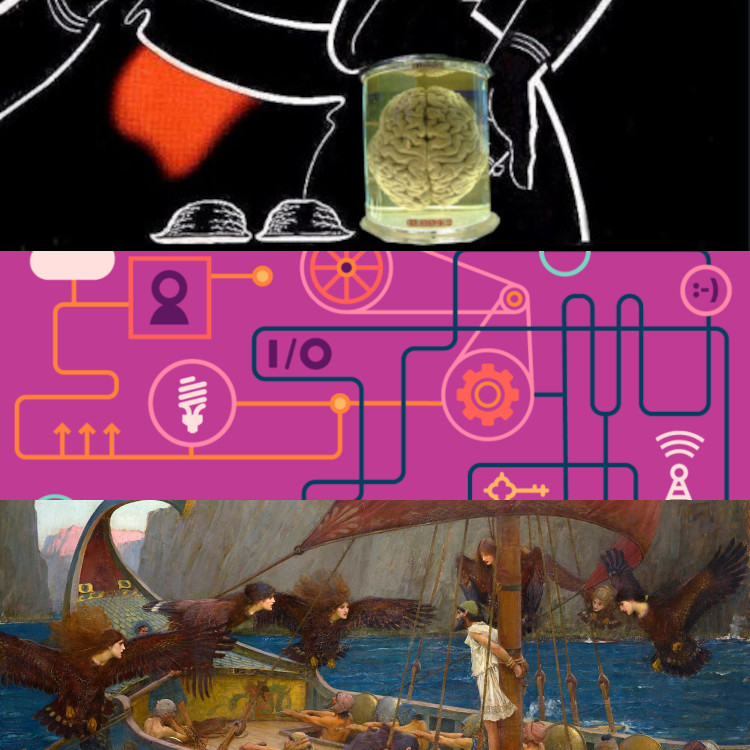
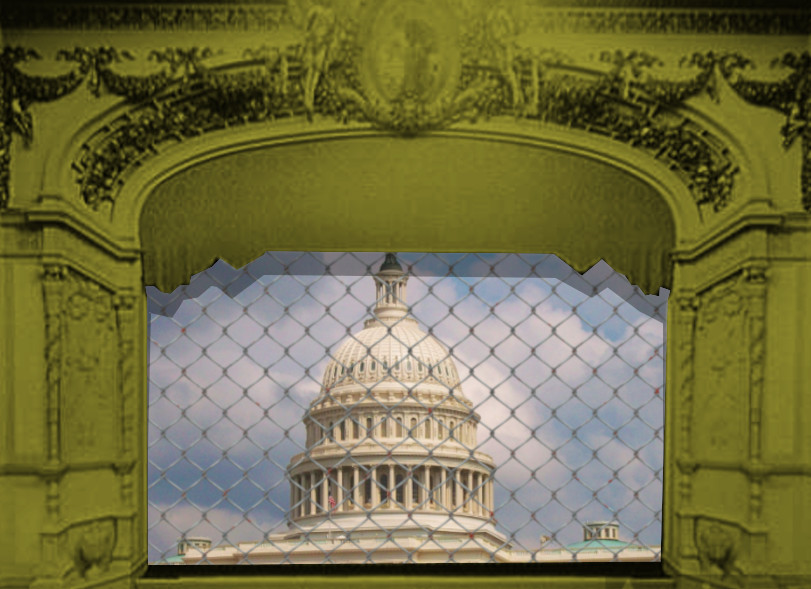
But the Great Financial Crisis and Occupy triggered the anger of the elites: violent suppression of protests, the "Doom Boom" in new luxury bunkers, Howard Schultz's insistence that "billionaire" is a slur (he says we should call him a "person of wealth").

4/
The pandemic - and the "K-shaped recovery"- has revealed the existential threat inequality poses for our species, between price-gouging, fraud, profiteering, flouting health directives, and coercing the poor and vulnerable into risking their lives to keep the economy afloat.

5/
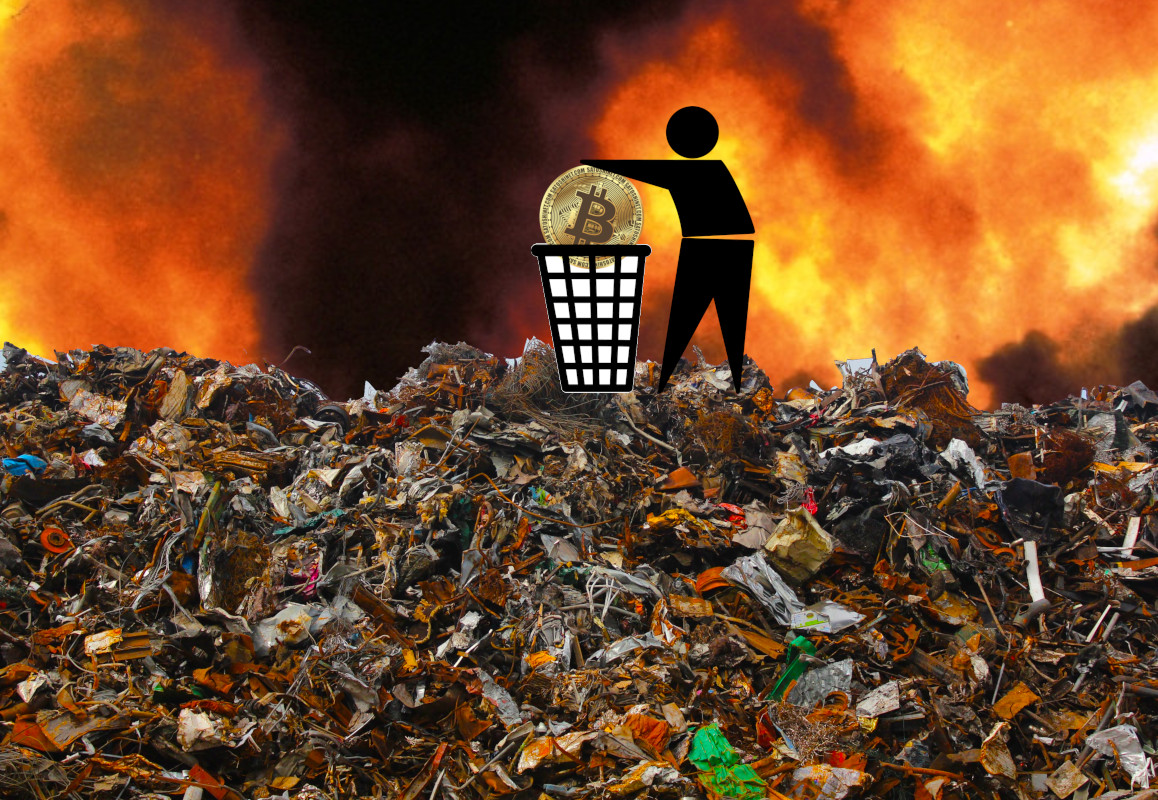
A palpable desperation has set in among the ultra-wealthy, and with it, bargaining. VR execs and their major investors have begun to quietly assert that it will stabilize our unequal society by anaesthetizing the have-nots with virtual wealth.

https://t.co/5lFBaTvwPI

6/
John Carmack: "Not everyone can have a mansion. Not everyone can have a home theater. These are things we can simulate, to some degree, in virtual reality."

7/
Gabe Newell: "The real world will seem flat, colorless, blurry compared to the experiences you'll be able to create in people's brains"

8/
None of this will work. VR as opiate for the masses is a great Ernie Cline plot, but it's lousy social policy. After all, providing the desperate victims of the Great Financial Crisis unlimited access to Oxycontin and Fentanyl did not stabilize our society.

9/
As @mjgault writes in @Wired: "If you want a picture of the future, imagine a Facebook-branded set of VR goggles strapped to an emaciated human face—forever."

Image: Gaetan Lee (modified)
https://t.co/eiwZnv0p1Z

CC BY:
https://t.co/k23s7Hso7i

eof/

More from Cory Doctorow #BLM

There are lots of problems with ad-tech:

* being spied on all the time means that the people of the 21st century are less able to be their authentic selves;

* any data that is collected and retained will eventually breach, creating untold harms;

1/


* data-collection enables for discriminatory business practices ("digital redlining");

* the huge, tangled hairball of adtech companies siphons lots (maybe even most) of the money that should go creators and media orgs; and

2/

* anti-adblock demands browsers and devices that thwart their owners' wishes, a capability that can be exploited for even more nefarious purposes;

That's all terrible, but it's also IRONIC, since it appears that, in addition to everything else, ad-tech is a fraud, a bezzle.

3/

Bezzle was John Kenneth Galbraith's term for "the magic interval when a confidence trickster knows he has the money he has appropriated but the victim does not yet understand that he has lost it." That is, a rotten log that has yet to be turned over.

4/

Bezzles unwind slowly, then all at once. We've had some important peeks under ad-tech's rotten log, and they're increasing in both intensity and velocity. If you follow @Chronotope, you've had a front-row seat to the
Today's Twitter threads (a Twitter thread).

Inside: ADT insider threat; Billionaires think VR stops guillotines; Privacy Without Monopoly; and more!

Archived at: https://t.co/nu1HbReiEX

#Pluralistic

1/


This Wednesday, I'm giving a talk called "Technology, Self-Determination, and the Future of the Future" for the Purdue University CERIAS Program:

https://t.co/po5IivZyr4

2/


ADT insider threat: If you build it they will spy.

https://t.co/kJrmtu8L3S

3/


Billionaires think VR stops guillotines: TARP with tasps.

https://t.co/MIKwvsICkr

4/


Privacy Without Monopoly: Podcasting a reading of the latest EFF whitepaper.

https://t.co/R2sl75y4rb

5/
I've just read one of the most lucid, wide-ranging, cross-disciplinary critiques of cryptocurrency and blockchain I've yet to encounter. 1/


It comes from David "DSHR" Rosenthal, a distinguished technologist whose past achievements including helping to develop X11 and the core technologies for Nvidia.

https://t.co/tkAMShno4k 2/

Rosenthal's critique is a transcript of a lecture he gave to Stanford's EE380 class, adapted from a December 2021 talk for an investor conference. 3/

It is a bang-up-to-date synthesis of many of the critical writings on the subject, glued together with Rosenthal's own deep technical expertise. He calls it "Can We Mitigate Cryptocurrencies' Externalities?"

The presence of "externalities" in Rosenthal's title is key. 4/

Rosenthal identifies blockchainism's core ideology as emerging from "the libertarian culture of Silicon Valley and the cypherpunks," and states that "libertarianism's attraction is based on ignoring externalities."

This is an important critique of libertarianism. 5/

More from Society

You May Also Like

So the cryptocurrency industry has basically two products, one which is relatively benign and doesn't have product market fit, and one which is malignant and does. The industry has a weird superposition of understanding this fact and (strategically?) not understanding it.


The benign product is sovereign programmable money, which is historically a niche interest of folks with a relatively clustered set of beliefs about the state, the literary merit of Snow Crash, and the utility of gold to the modern economy.

This product has narrow appeal and, accordingly, is worth about as much as everything else on a 486 sitting in someone's basement is worth.

The other product is investment scams, which have approximately the best product market fit of anything produced by humans. In no age, in no country, in no city, at no level of sophistication do people consistently say "Actually I would prefer not to get money for nothing."

This product needs the exchanges like they need oxygen, because the value of it is directly tied to having payment rails to move real currency into the ecosystem and some jurisdictional and regulatory legerdemain to stay one step ahead of the banhammer.