[THREAD]
Why ironically using terms like “aandolanjeevi” and “urban naxals” is unhelpful even when mocking, disagreeing, or “reclaiming” them.
More from Society









We finally have the U.S. Citizenship Act Bill Text! I'm going to go through some portions of the bill right now and highlight some of the major changes and improvements that it would make to our immigration system.
Thread:
First the Bill makes a series of promises changes to the way we talk about immigrants and immigration law.
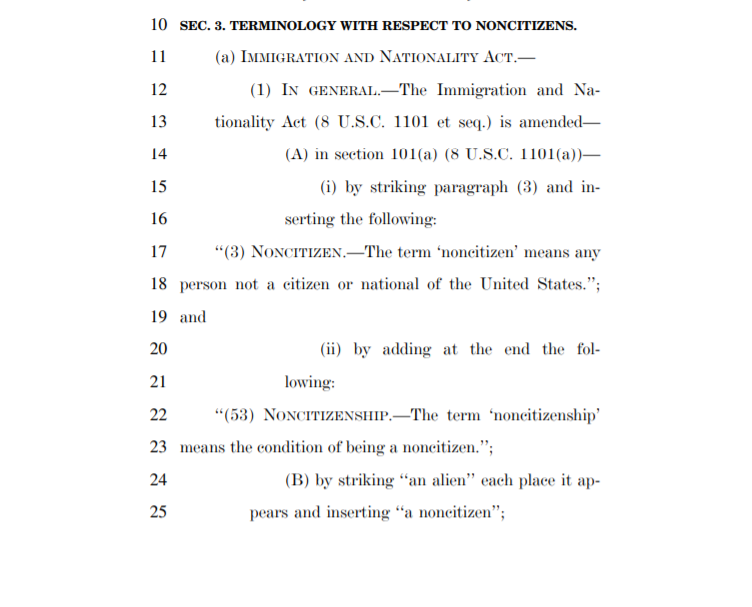
Gone would be the term "alien" and in its place is "noncitizen."
Also gone would be the term "alienage," replaced with "noncitizenship."
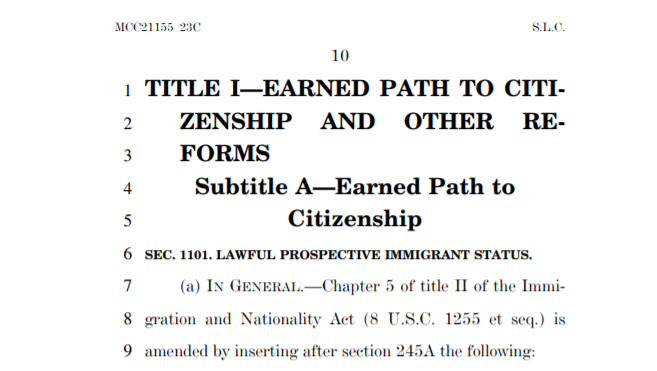
Now we get to the "earned path to citizenship" for all undocumented immigrants present in the United States on January 1, 2021.
Under this bill, anyone who satisfies the eligibility criteria for a new "lawful prospective immigrant status" can come out of the shadows.
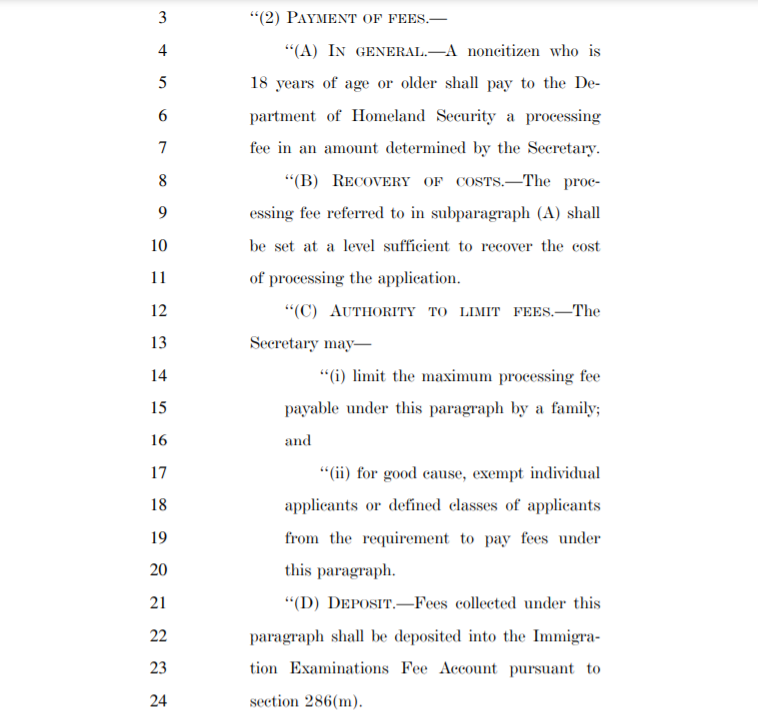
So, what are the eligibility criteria for becoming a "lawful prospective immigrant status"? Those are in a new INA 245G and include:
- Payment of the appropriate fees
- Continuous presence after January 1, 2021
- Not having certain criminal record (but there's a waiver)
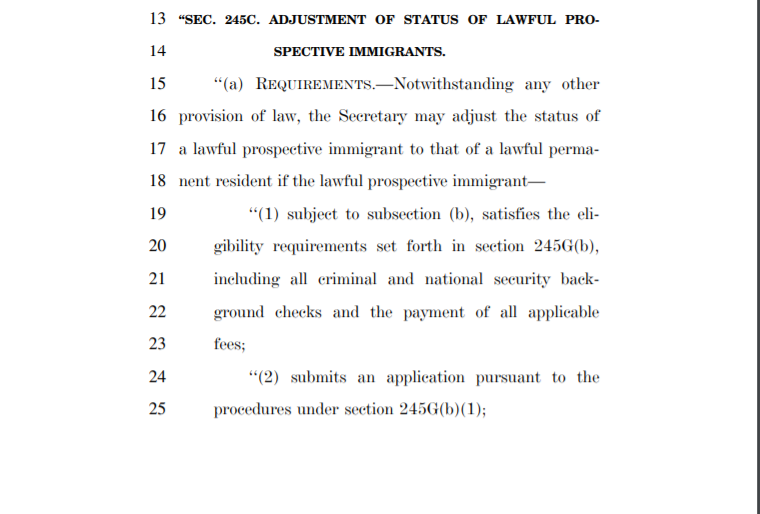
After a person has been in "lawful prospective immigrant status" for at least 5 years, they can apply for a green card, so long as they still pass background checks and have paid back any taxes they are required to do so by law.
However! Some groups don't have to wait 5 years.
Thread:
The immigration bill text is out!
— Nicole Narea (@nicolenarea) February 18, 2021
Senate version: https://t.co/aJUmtVW6Ir
House version: https://t.co/JMKjQaDi04
Excuse me while I go at this with a highlighter.
First the Bill makes a series of promises changes to the way we talk about immigrants and immigration law.
Gone would be the term "alien" and in its place is "noncitizen."
Also gone would be the term "alienage," replaced with "noncitizenship."
Now we get to the "earned path to citizenship" for all undocumented immigrants present in the United States on January 1, 2021.
Under this bill, anyone who satisfies the eligibility criteria for a new "lawful prospective immigrant status" can come out of the shadows.
So, what are the eligibility criteria for becoming a "lawful prospective immigrant status"? Those are in a new INA 245G and include:
- Payment of the appropriate fees
- Continuous presence after January 1, 2021
- Not having certain criminal record (but there's a waiver)
After a person has been in "lawful prospective immigrant status" for at least 5 years, they can apply for a green card, so long as they still pass background checks and have paid back any taxes they are required to do so by law.
However! Some groups don't have to wait 5 years.