Inside Bar (IB) is an effective trading strategy where a range is formed & we trade on a Breakout/Breakdown.

What is IB?

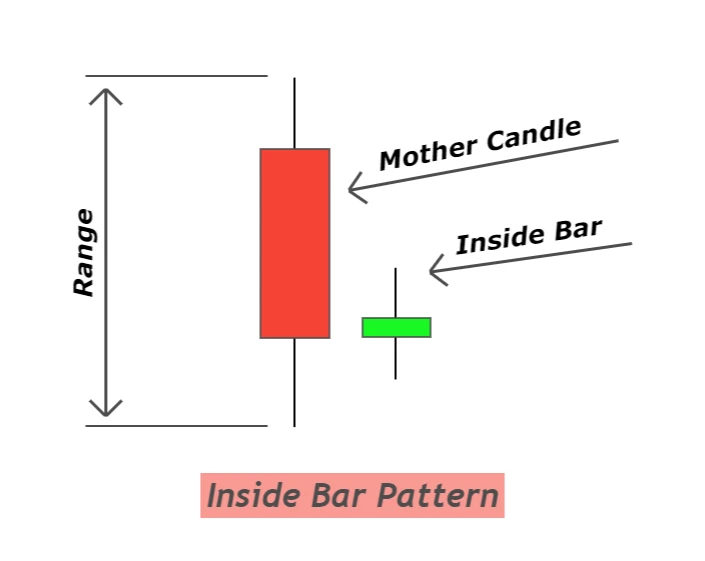
Textbook definition of IB:
When the current bar is trading inside the previous candle's high and low (range)

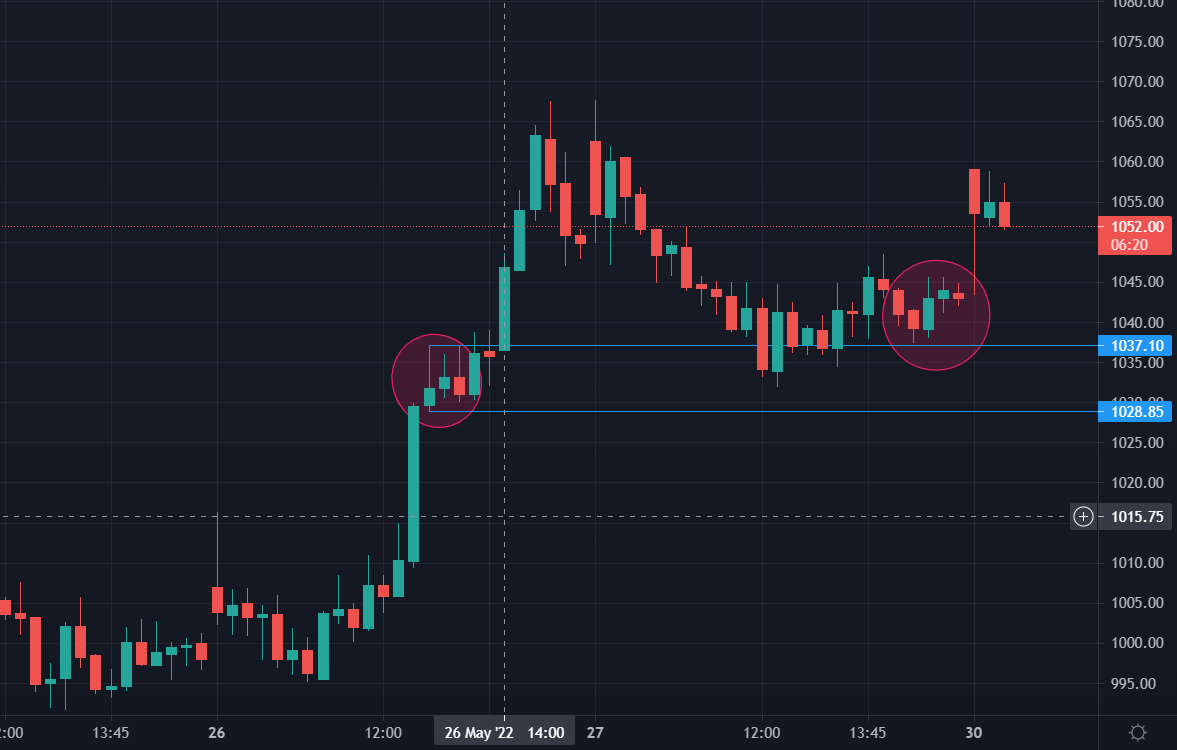
Here's a live example from the Tata Steel Chart where you can see multiple IB forming on 15 minutes chart.

I've marked 2 IBs in the circle where we can find the mother candle & the inside bar candle.
So how do we trade this?

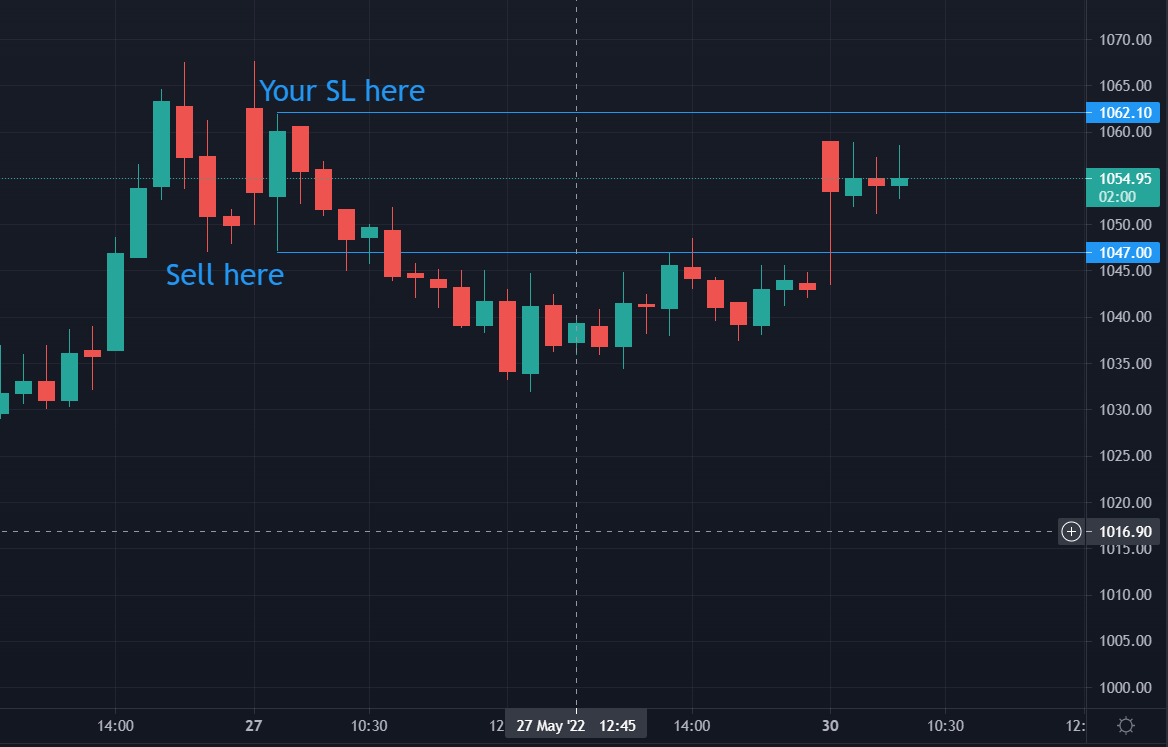
If the overall trend is bullish, then you should be looking at high on the mother candle. When the mother candle's high is broken, you can place your SL at:
1. Low of the mother candle, or
2. Low of the Inside Bar candle.

Both the eg are in charts:
And Vice Versa for the Bearish bias.

If the overall trend is bearish, then you should be looking at low on the mother candle. When the mother candle's low is broken, you can place your SL at:
1. High of the mother candle, or
2. High of the Inside Bar candle.
I prefer keeping the high or low of the inside bar candle as my SL.

Remember there are 100s of ways to trade this, ultimately your position sizing & risk management will come into play.

Position sizing can be calculated using the SL, and risk can be managed.
When to trade Inside Bar?

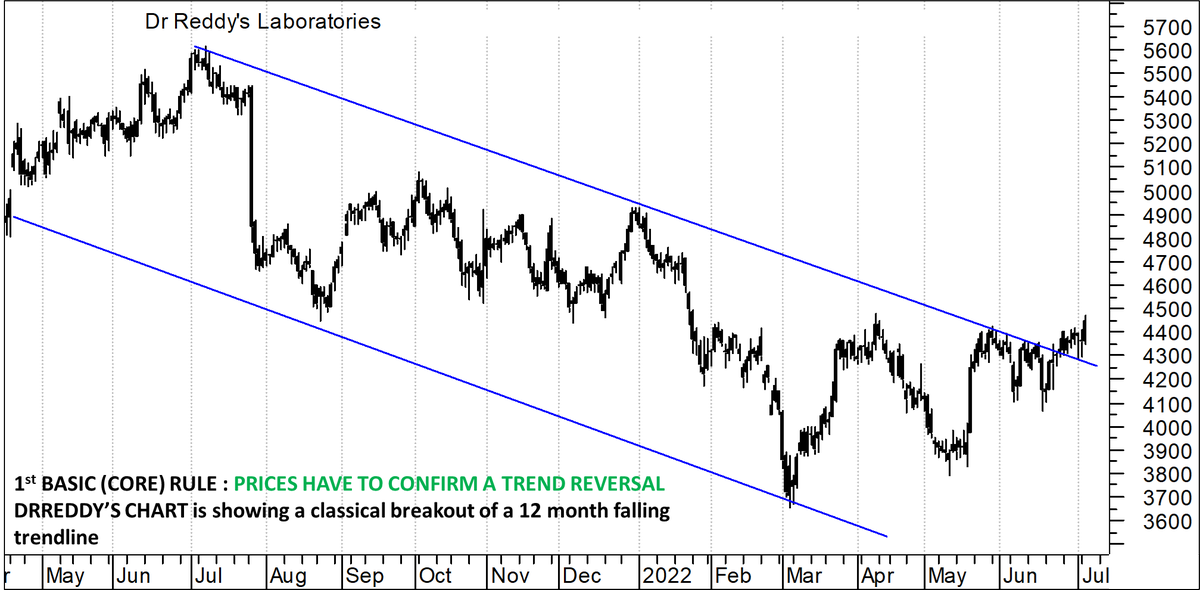
When the broader market breaks out of the consolidation and starts trending.

Here's an example of Reliance which was in a consolidation period for 7 years before breaking out and trending.
Another way to trade the Inside bar is when it is respecting certain moving averages. For eg, you can see Reliance on the daily chart. Here the price respected MA20 which I prefer.
When not to trade Inside Bar?

When the market is in a range or consolidation period.

Inside Bar is an indecision candle and we are trading on its breakout, if the market is in range mode then the possibility of getting caught in fake breakout & hitting our SL will be high.

More from Screeners

One of the most successful stock trader with special focus on cash stocks and who has a very creative mind to look out for opportunities in dark times

Covering one of the most unique set ups: Extended moves & Reversal plays

Time for a 🧵 to learn the above from @iManasArora

What qualifies for an extended move?

30-40% move in just 5-6 days is one example of extended move

How Manas used this info to book


Post that the plight of the


Example 2: Booking profits when the stock is extended from 10WMA

10WMA =


Another hack to identify extended move in a stock:

Too many green days!

Read

You May Also Like

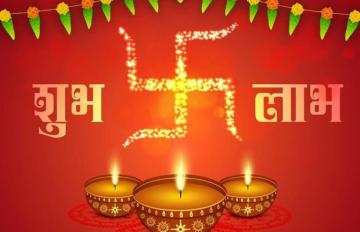
THE MEANING, SIGNIFICANCE AND HISTORY OF SWASTIK

The Swastik is a geometrical figure and an ancient religious icon. Swastik has been Sanatan Dharma’s symbol of auspiciousness – mangalya since time immemorial.


The name swastika comes from Sanskrit (Devanagari: स्वस्तिक, pronounced: swastik) &denotes “conducive to wellbeing or auspicious”.
The word Swastik has a definite etymological origin in Sanskrit. It is derived from the roots su – meaning “well or auspicious” & as meaning “being”.


"सु अस्ति येन तत स्वस्तिकं"
Swastik is de symbol through which everything auspicios occurs

Scholars believe word’s origin in Vedas,known as Swasti mantra;

"🕉स्वस्ति ना इन्द्रो वृधश्रवाहा
स्वस्ति ना पूषा विश्ववेदाहा
स्वस्तिनास्तरक्ष्यो अरिश्तनेमिही
स्वस्तिनो बृहस्पतिर्दधातु"


It translates to," O famed Indra, redeem us. O Pusha, the beholder of all knowledge, redeem us. Redeem us O Garudji, of limitless speed and O Bruhaspati, redeem us".

SWASTIK’s COSMIC ORIGIN

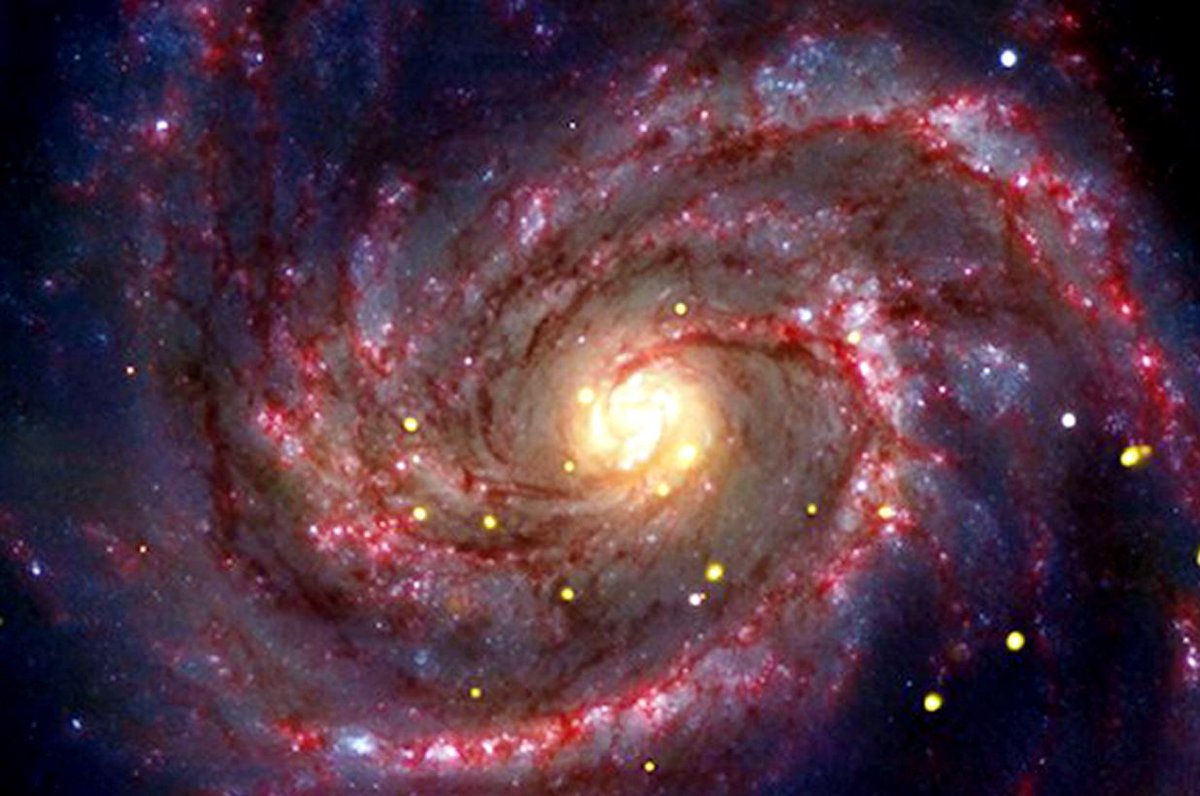
The Swastika represents the living creation in the whole Cosmos.


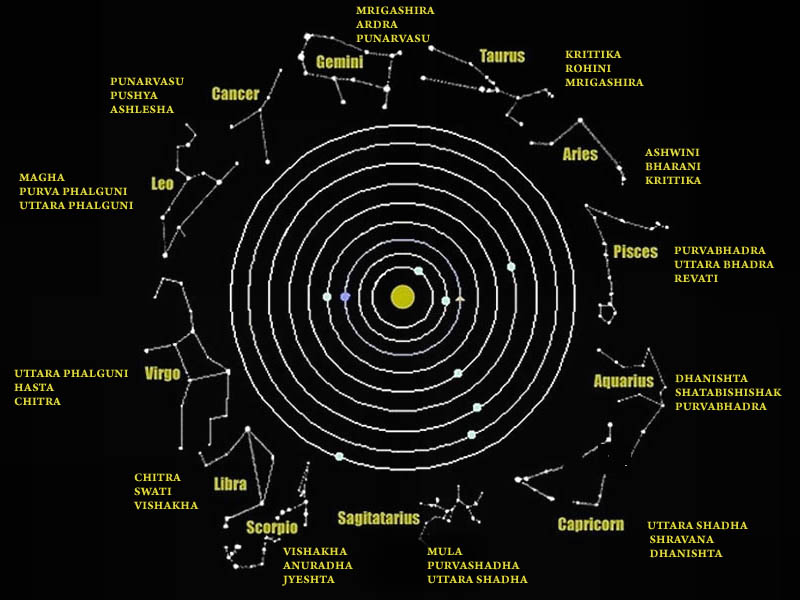
Hindu astronomers divide the ecliptic circle of cosmos in 27 divisions called
https://t.co/sLeuV1R2eQ this manner a cross forms in 4 directions in the celestial sky. At centre of this cross is Dhruva(Polestar). In a line from Dhruva, the stars known as Saptarishi can be observed.