
BASIS OF VEDAS COMPILATION.
The deeds or kriyas mentioned in the Vedas is indestructible, but the tradition of Yagya's should not be discontinued. Vedas are the writings of the observations made by the ancient sages.
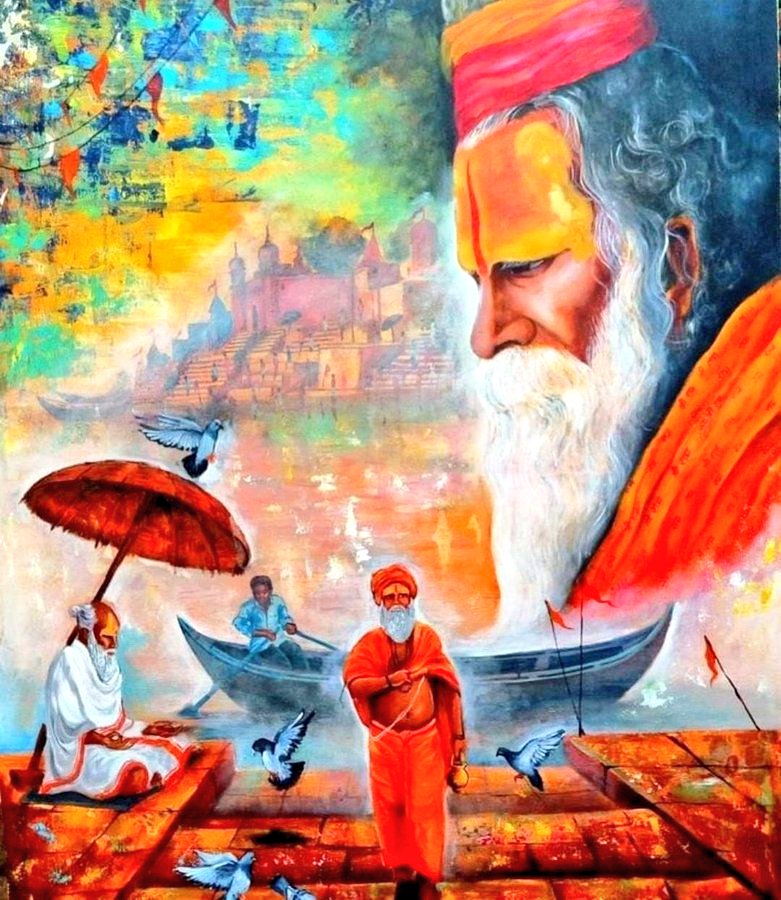
1. In Rig Ved we mostly find the mantras pertaining to Yagya which can be sung for the worldly good and benefit. Also the importance of Priest emerged from here.

Thereafter a long tradition of sages followed. In this tradition we find Rishi Yagyavalka who was one of the
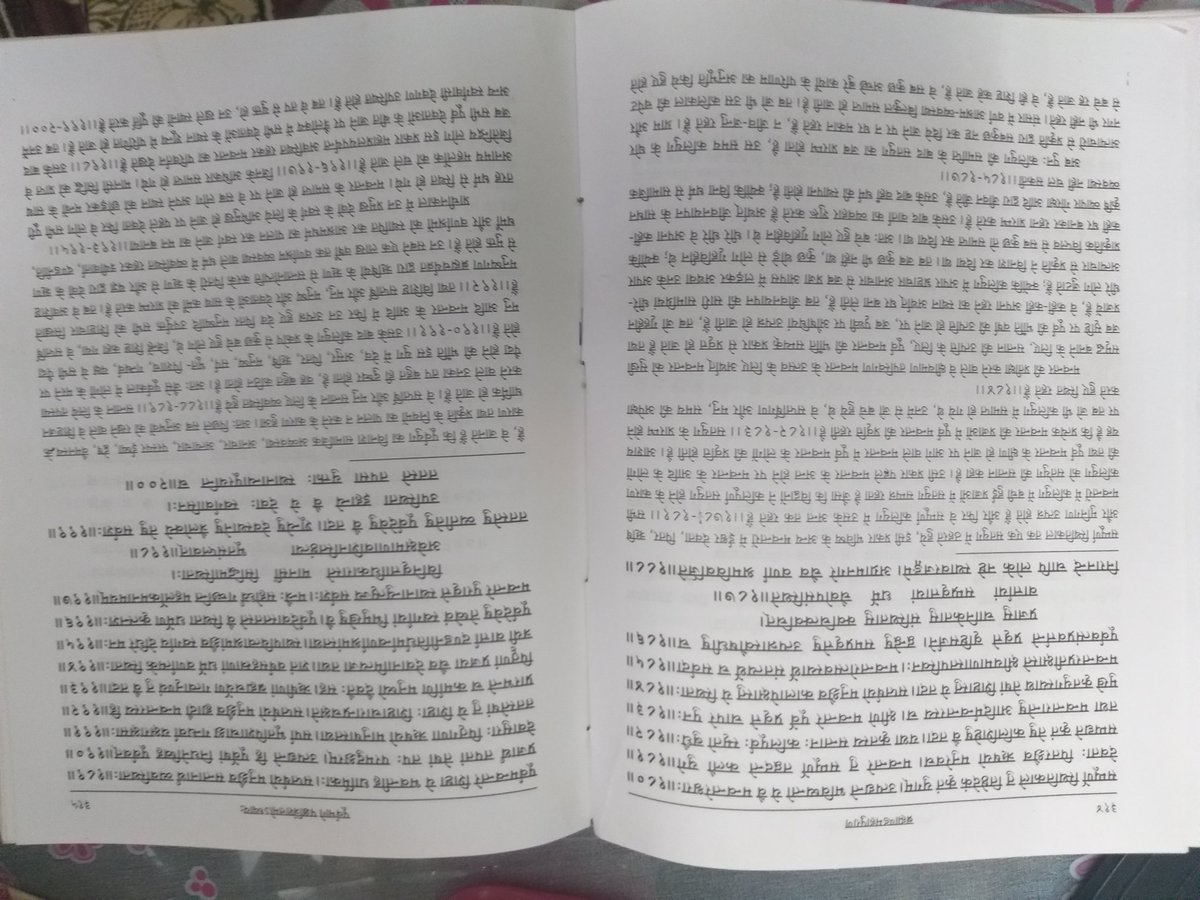
Reason behind division of Vedas in 4 parts as per Bhagwat puran\U0001f447
— Anshul Pandey (@Anshulspiritual) June 29, 2020
\u0915\u094d\u0937\u0940\u0923\u093e\u092f\u0941\u0937\u0903 \u0915\u094d\u0937\u0940\u0923\u0938\u0924\u094d\u0924\u094d\u0935\u093e\u0928\u094d \u0926\u0941\u0930\u094d\u092e\u0947\u0927\u093e\u0928\u094d \u0935\u0940\u0915\u094d\u0937\u094d\u092f \u0915\u093e\u0932\u0924\u0903\u0964
\u0935\u0947\u0926\u093e\u0928\u094d \u092c\u094d\u0930\u0939\u094d\u092e\u0930\u094d\u0937\u092f\u094b \u0935\u094d\u092f\u0938\u094d\u0928\u094d \u0939\u0943\u0926\u093f\u0938\u094d\u0925\u093e\u091a\u094d\u092f\u0941\u0924\u091a\u094b\u0926\u093f\u0924\u0903\u0964\u0964
\u091c\u092c \u092c\u094d\u0930\u0939\u094d\u092e\u0935\u0947\u0924\u094d\u0924\u093e \u090b\u0937\u093f\u092f\u094b\u0902 \u0928\u0947 \u0926\u0947\u0916\u093e \u0915\u0940 \u0938\u092e\u092f \u0915\u0947 \u092b\u0947\u0930 \u0938\u0947 \u0932\u094b\u0917\u094b\u0902 \u0915\u0940 \u0906\u092f\u0941,\u0936\u0915\u094d\u0924\u093f \u0914\u0930 \u092c\u0941\u0926\u094d\u0927\u093f \u0915\u094d\u0937\u0940\u0923 \u0939\u094b \u091c\u093e\u0924\u0940 \u0939\u0948,
1/3 pic.twitter.com/JQcgda1SKZ


More from Anshul Pandey


More from Religion




Tripundra Dhaaran - Paapa Vimukti
Our generations are fascinated about Tripundram being just a religious symbol. There are in depth meanings of such a Tilak on a Seeker's Forehead
The very first mistake is the way it is applied.
Tripund isn't applied with dry Bhasm, it should be made wet and then applied in a prescribed manner with proper use of fingers and direction of application. Bhasm is collected from various sources
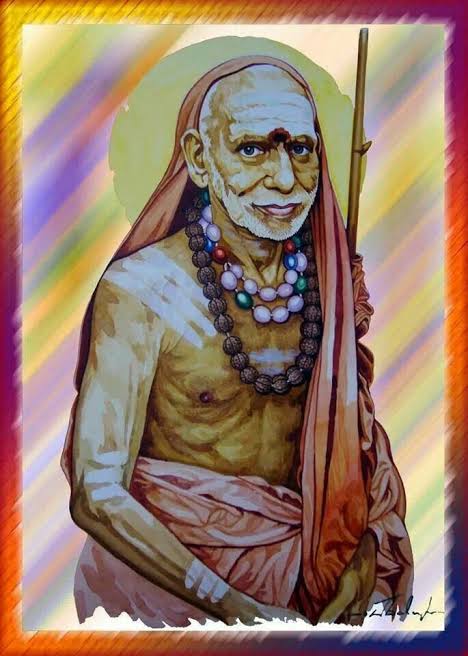
The most important ones mentioned in upanishats are 1. Yagnya Kund Bhasm 2. Bhasm made from Cow's Dung alone. A special agnihotram was perform to save the Bhasma after that for Dhaarana. A major mantra while applying bhasm is Mrutyunjaya Mantra
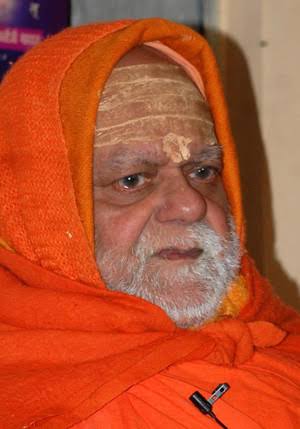
Dwijas have a very long process of applying the Tripundram along with their Sandhyavandanam. For commoners there are some basic rules people have to follow while applying Bhasm
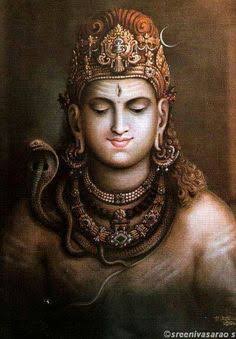
Bhasm Applied in Morning - Should be mixed with water and applied
Bhasm Applied during Afternoon - Should be mixed with Chandan and Applied
Bhasm Applied during and after Pradosh - Should be applied Dry as such
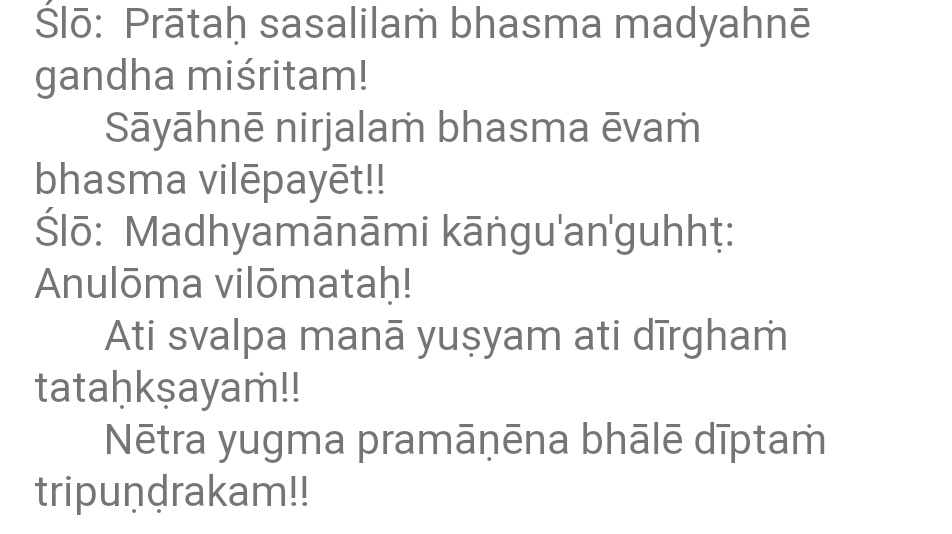
Our generations are fascinated about Tripundram being just a religious symbol. There are in depth meanings of such a Tilak on a Seeker's Forehead
" No Tilak symbolizes Shree Viheen"
— Hindu Media Wiki (@HinduMediaWiki) December 21, 2020
Tilak Dharan on forehead is having deep science than one can ever imagine. It is not just a symbol of Sanatan but also builds a lot of confidence of human actually. It is related to Tejas & Varchasv of a human. pic.twitter.com/vM46BqU3f7
The very first mistake is the way it is applied.
Tripund isn't applied with dry Bhasm, it should be made wet and then applied in a prescribed manner with proper use of fingers and direction of application. Bhasm is collected from various sources
The most important ones mentioned in upanishats are 1. Yagnya Kund Bhasm 2. Bhasm made from Cow's Dung alone. A special agnihotram was perform to save the Bhasma after that for Dhaarana. A major mantra while applying bhasm is Mrutyunjaya Mantra
Dwijas have a very long process of applying the Tripundram along with their Sandhyavandanam. For commoners there are some basic rules people have to follow while applying Bhasm
Bhasm Applied in Morning - Should be mixed with water and applied
Bhasm Applied during Afternoon - Should be mixed with Chandan and Applied
Bhasm Applied during and after Pradosh - Should be applied Dry as such

As the Fall of man was a consequence of the pursuit of our own good, this quest intrinsically contains the possibility of our return to The Good. The route back to The Good was only revealed by The Way [Jn. 14:6], so we might say that Christ incarnates to complete the Circle.

Each thing is moved by, implicitly converted or turned back to, its own good by its cause of procession - which is principally God.
"Via est nobis tendendi in Deum." - St. Thomas Aquinas, which is to say that:
Christ, who as a man, is the way of our tending (back) into God.

Ezekiel 10:6 | When the LORD commanded the man in linen, “Take fire from among the wheels, from among the cherubim,” the man went in and stood beside a wheel.
"So I saw the glorious wheel move." - Dante, Paradiso 10.145

As Scripture and Dante see God's providence in circles, so did Boethius and Platonists more
Aquinas with, "Eadem est via qua descenditur et ascenditur." [SCG 4.1.3], brings back Heraclitus to the medievals, "The way up and the way down is the same." [Diels, B60]
The way up and the way down are the same.
Each thing is moved by, implicitly converted or turned back to, its own good by its cause of procession - which is principally God.
"Via est nobis tendendi in Deum." - St. Thomas Aquinas, which is to say that:
Christ, who as a man, is the way of our tending (back) into God.
Ezekiel 10:6 | When the LORD commanded the man in linen, “Take fire from among the wheels, from among the cherubim,” the man went in and stood beside a wheel.
"So I saw the glorious wheel move." - Dante, Paradiso 10.145
As Scripture and Dante see God's providence in circles, so did Boethius and Platonists more
Imagine a set of concentric circles. The inmost one comes closest to the simplicity of the centre, while forming itself a kind of centre around which revolve those which are set outside it. The circle furthest out rotates through a wider orbit.
— \u300e\U0001d622\U0001d633\U0001d633\U0001d636\U0001d634\u300f (@arrus_kacchi) December 26, 2020
Aquinas with, "Eadem est via qua descenditur et ascenditur." [SCG 4.1.3], brings back Heraclitus to the medievals, "The way up and the way down is the same." [Diels, B60]
The way up and the way down are the same.

just a my thought...
❶/12 Roughly speaking, primitive Buddhism was about liberation from the inner suffering of the ordained individual. In contrast, Mahayana Buddhism, especially the teachings of the Lotus Sutra, emphasises 'the salvation of all people, together'.
❷/12 In short, people of Mahayana Buddhism do Practice as Bodhisattva for all in the secular world. Strictly, these are different religions, and primitive Buddhism is not well suited to being associated with the state or secular communities.
❸/12 I believe that if anti-secular primitive Buddhism had arrived in ancient Japan it would not have spread very far. In Japan, where rice cultivation is very important, the idea of destroying the community would have been a threat of people's survival.
❹/12 By the way, it's perhaps inevitable that the purity of the teachings will diminish depending on how they are disseminated in society. In other words, I think that, roughly speaking, what develops away from the original form can even become a civilization.
❺/12 But anything that significantly reduces the quality of the original should be called a degeneration. I think that Christian civilization, although flawed, has built a civilization in tension.
❶/12 Roughly speaking, primitive Buddhism was about liberation from the inner suffering of the ordained individual. In contrast, Mahayana Buddhism, especially the teachings of the Lotus Sutra, emphasises 'the salvation of all people, together'.
Bodhisattva is also important for understanding the Japanese. It was a very developed in Mahayana Buddhism. Liberators keep putting off and dedicating until all people are saved. This is an ideal prototype. But this devoted tradition is disappearing under the Weimar Constitution. https://t.co/uBTcwOjlWt
— Atsumori \u6566\u76db (@atsumori5834) January 9, 2020
❷/12 In short, people of Mahayana Buddhism do Practice as Bodhisattva for all in the secular world. Strictly, these are different religions, and primitive Buddhism is not well suited to being associated with the state or secular communities.
❸/12 I believe that if anti-secular primitive Buddhism had arrived in ancient Japan it would not have spread very far. In Japan, where rice cultivation is very important, the idea of destroying the community would have been a threat of people's survival.
❹/12 By the way, it's perhaps inevitable that the purity of the teachings will diminish depending on how they are disseminated in society. In other words, I think that, roughly speaking, what develops away from the original form can even become a civilization.
❺/12 But anything that significantly reduces the quality of the original should be called a degeneration. I think that Christian civilization, although flawed, has built a civilization in tension.
You May Also Like

✨📱 iOS 12.1 📱✨
🗓 Release date: October 30, 2018
📝 New Emojis: 158
https://t.co/bx8XjhiCiB
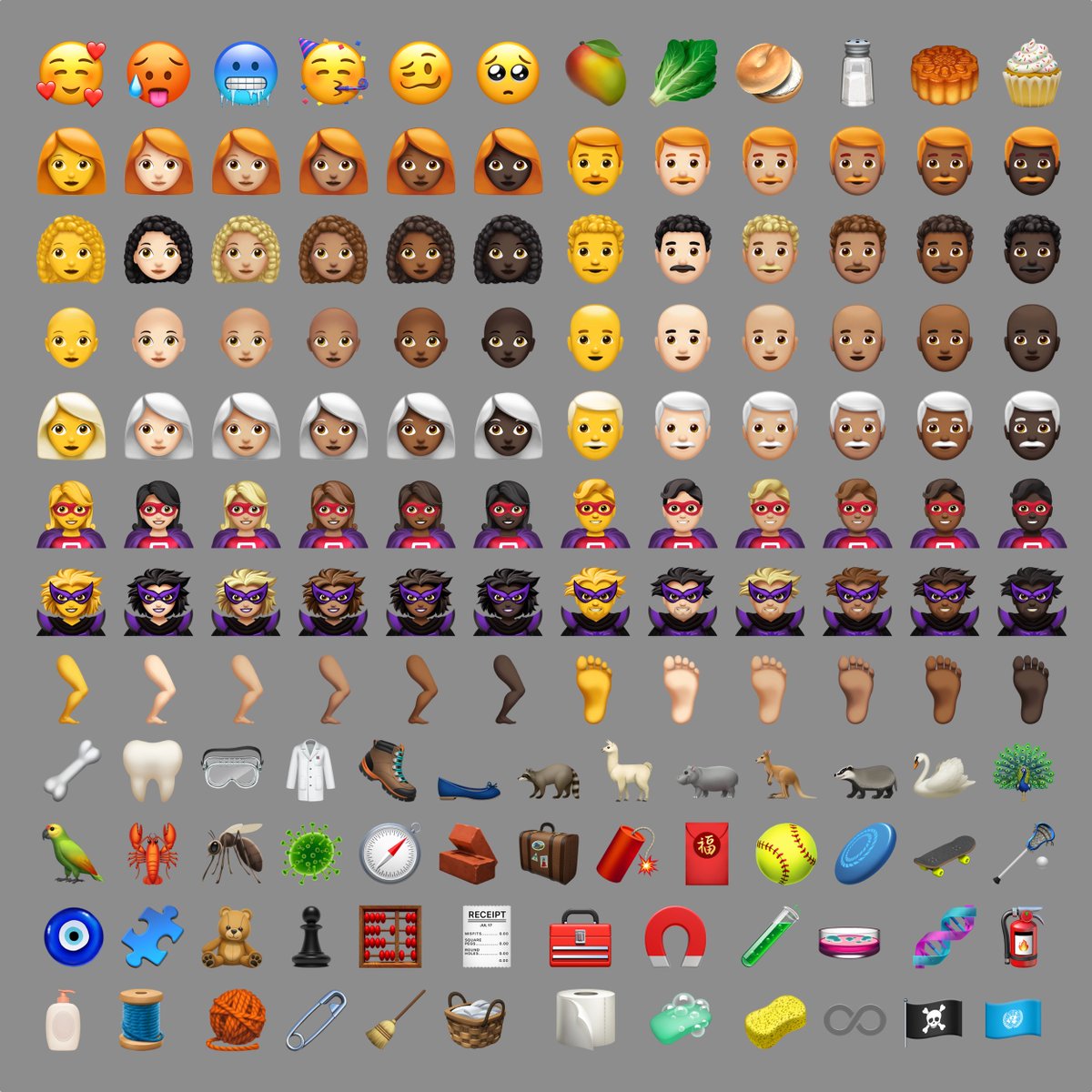
New in iOS 12.1: 🥰 Smiling Face With 3 Hearts https://t.co/6eajdvueip

New in iOS 12.1: 🥵 Hot Face https://t.co/jhTv1elltB

New in iOS 12.1: 🥶 Cold Face https://t.co/EIjyl6yZrF
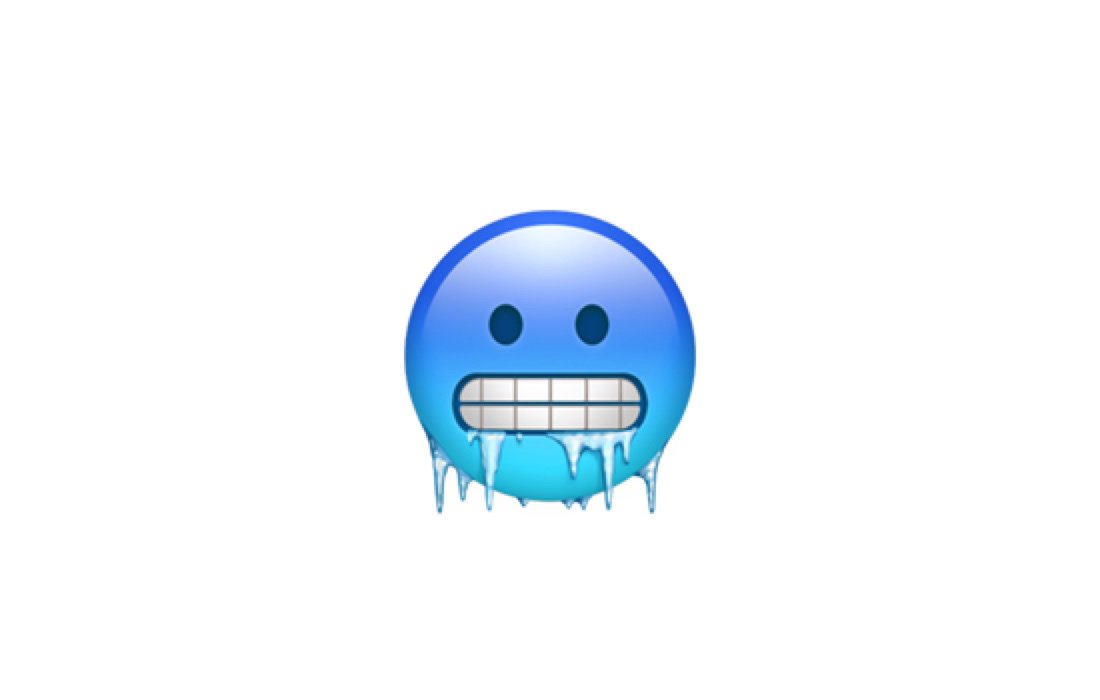
New in iOS 12.1: 🥳 Partying Face https://t.co/p8FDNEQ3LJ

🗓 Release date: October 30, 2018
📝 New Emojis: 158
https://t.co/bx8XjhiCiB
New in iOS 12.1: 🥰 Smiling Face With 3 Hearts https://t.co/6eajdvueip
New in iOS 12.1: 🥵 Hot Face https://t.co/jhTv1elltB
New in iOS 12.1: 🥶 Cold Face https://t.co/EIjyl6yZrF
New in iOS 12.1: 🥳 Partying Face https://t.co/p8FDNEQ3LJ

1/12
RT-PCR corona (test) scam
Symptomatic people are tested for one and only one respiratory virus. This means that other acute respiratory infections are reclassified as
2/12
It is tested exquisitely with a hypersensitive non-specific RT-PCR test / Ct >35 (>30 is nonsense, >35 is madness), without considering Ct and clinical context. This means that more acute respiratory infections are reclassified as
3/12
The Drosten RT-PCR test is fabricated in a way that each country and laboratory perform it differently at too high Ct and that the high rate of false positives increases massively due to cross-reaction with other (corona) viruses in the "flu
4/12
Even asymptomatic, previously called healthy, people are tested (en masse) in this way, although there is no epidemiologically relevant asymptomatic transmission. This means that even healthy people are declared as COVID
5/12
Deaths within 28 days after a positive RT-PCR test from whatever cause are designated as deaths WITH COVID. This means that other causes of death are reclassified as
RT-PCR corona (test) scam
Symptomatic people are tested for one and only one respiratory virus. This means that other acute respiratory infections are reclassified as
4/10
— Dr. Thomas Binder, MD (@Thomas_Binder) October 22, 2020
...indication, first of all that testing for a (single) respiratory virus is done outside of surveillance systems or need for specific therapy, but even so the lack of consideration of Ct, symptoms and clinical findings when interpreting its result. https://t.co/gHH6kwRdZG
2/12
It is tested exquisitely with a hypersensitive non-specific RT-PCR test / Ct >35 (>30 is nonsense, >35 is madness), without considering Ct and clinical context. This means that more acute respiratory infections are reclassified as
6/10
— Dr. Thomas Binder, MD (@Thomas_Binder) October 22, 2020
The neither validated nor standardised hypersensitive RT-PCR test / Ct 35-45 for SARS-CoV-2 is abused to mislabel (also) other diseases, especially influenza, as COVID-19.https://t.co/AkFIfTCTkS
3/12
The Drosten RT-PCR test is fabricated in a way that each country and laboratory perform it differently at too high Ct and that the high rate of false positives increases massively due to cross-reaction with other (corona) viruses in the "flu
External peer review of the RTPCR test to detect SARS-CoV-2 reveals 10 major scientific flaws at the molecular and methodological level: consequences for false positive results.https://t.co/mbNY8bdw1p pic.twitter.com/OQBD4grMth
— Dr. Thomas Binder, MD (@Thomas_Binder) November 29, 2020
4/12
Even asymptomatic, previously called healthy, people are tested (en masse) in this way, although there is no epidemiologically relevant asymptomatic transmission. This means that even healthy people are declared as COVID
Thread web\u2b06\ufe0f\u2b07\ufe0f
— Dr. Thomas Binder, MD (@Thomas_Binder) December 16, 2020
The fabrication of the "asymptomatic (super) spreader" is the coronation of the total nons(ci)ense in the belief system of #CoronasWitnesses.
Asymptomatic transmission 0.7%; 95% CI 0%-4.9% - could well be 0%!https://t.co/VeZTzxXfvT
5/12
Deaths within 28 days after a positive RT-PCR test from whatever cause are designated as deaths WITH COVID. This means that other causes of death are reclassified as
8/8
— Dr. Thomas Binder, MD (@Thomas_Binder) March 24, 2020
By the way, who the f*** created this obviously (almost) worldwide definition of #CoronaDeath?
This is not only medical malpractice, this is utterly insane!https://t.co/FFsTx4L2mw

Took me 5 years to get the best Chartink scanners for Stock Market, but you’ll get it in 5 mminutes here ⏰
Do Share the above tweet 👆
These are going to be very simple yet effective pure price action based scanners, no fancy indicators nothing - hope you liked it.
https://t.co/JU0MJIbpRV
52 Week High
One of the classic scanners very you will get strong stocks to Bet on.
https://t.co/V69th0jwBr
Hourly Breakout
This scanner will give you short term bet breakouts like hourly or 2Hr breakout
Volume shocker
Volume spurt in a stock with massive X times
Do Share the above tweet 👆
These are going to be very simple yet effective pure price action based scanners, no fancy indicators nothing - hope you liked it.
https://t.co/JU0MJIbpRV
52 Week High
One of the classic scanners very you will get strong stocks to Bet on.
https://t.co/V69th0jwBr
Hourly Breakout
This scanner will give you short term bet breakouts like hourly or 2Hr breakout
Volume shocker
Volume spurt in a stock with massive X times


