Esther Wojcicki is a teacher with 40 years of experience, Silicon Valley legend, and mother of three successful daughters:
Susan, CEO of
@YouTube Anne, CEO of
@23andMe Janet, professor at
@UCSF How did Esther raise so many successful kids?
In her best-selling book, How To Raise Successful People,
@EstherWojcicki says the key is a philosophy called TRICK:
- Trust
- Respect
- Independence
- Collaboration
- Kindness
https://t.co/kvB5AdBxre
Of course, what parent wouldn’t agree with these five values? They seem obvious—and maybe even a little trivial.
But what makes Esther’s philosophy special is *how* she applies them in real-life situations.
Let’s look at some examples 👇🏼
1. Trust
Trust means believing kids can figure things out for themselves.
For example, one Saturday Esther’s grandson (12 YO) needed a haircut and her two granddaughters (8 YO) needed school supplies.
But she didn’t have time for both trips.
So, she dropped her grandson off at the barbershop and let him pick his haircut.
And dropped off her granddaughters at Target and let them buy their supplies.
Both are relatively safe places, but to many parents, this still might sound *crazy*.
How will they know what to do?
Esther uses this story to make a powerful point:
if we don’t trust kids to do things, they’ll never learn to take care of themselves.
They’ll turn into adults who aren't confident enough to solve their own problems.
But if we give them trust, they learn to trust themselves.
2. Respect
Respect means supporting kids as they identify and pursue their *own* goals.
Esther's grandson, Jacob, was slow to start walking. At 18 months, he was still scooting around the floor on his bottom.
The doctor said his legs worked fine, but his parents still worried.
Jacob loved basketball, so Esther took him to Gymboree.
Immediately, he was glued to the other kids dribbling 🏀
One kid took a shot, the ball bounced away, and Jacob *ran* to go take his turn.
Jacob knew how to walk. He just needed a good enough reason to show everyone else.
In Esther’s words:
“Parents need to calm down. Your kids will walk. They will talk… Kids need to be allowed to take the lead. That means you follow them. Children know who they are. Your job is to honor and respect that.”
Nurture your kids’ autonomy and individuality.
3. Independence
Independence means not doing anything for your kids that they can do for themselves.
In other words, it means giving kids lots of age-appropriate levels of freedom.
That way, they start learning to take care of themselves from their earliest years.
Esther, for example, used the “pause principle” with her newborns.
When her babies cried in the night, she would wait a moment before comforting them.
This short break gives infants a chance to practice self-soothing and take their first steps toward independence.
Esther says:
“I know this will sound crazy to some people, but here’s my ultimate goal as a teacher and parent: to make myself obsolete. That’s right. I want kids to be so independent that they no longer need me.”
4. Collaboration 🤝
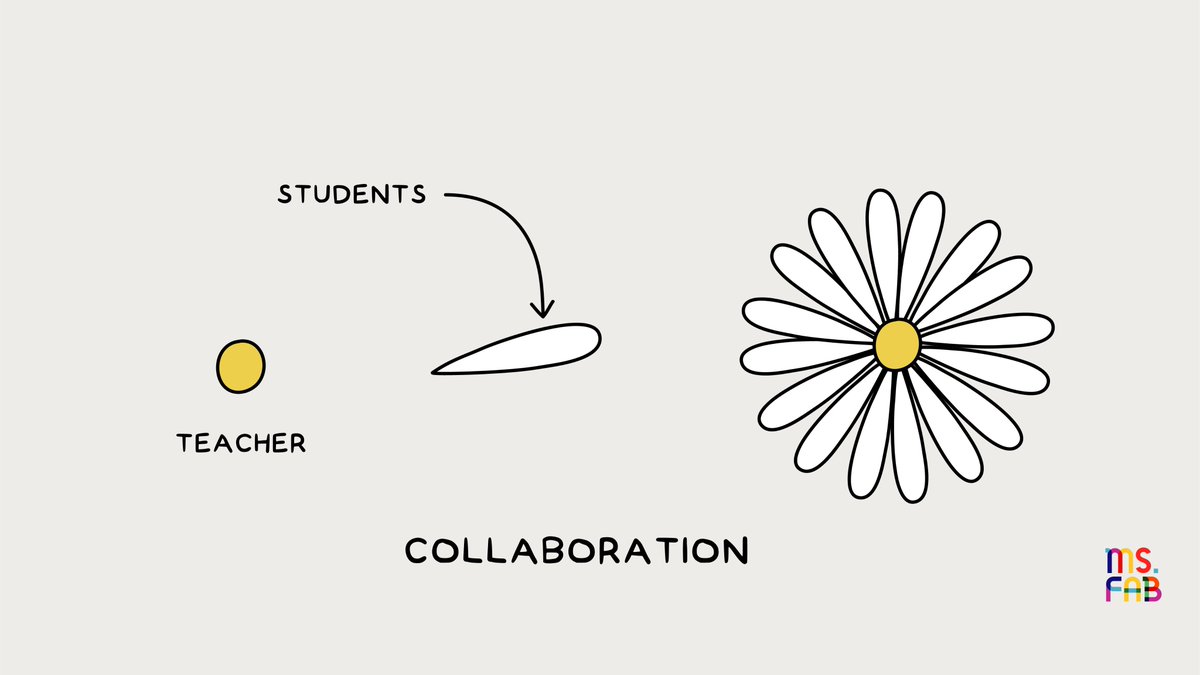
Collaboration means working with kids like partners in crime.
That’s how Esther ran her classrooms. Instead of lecturing at students, she let them contribute to discussions, decisions, and even discipline.
But the school admin didn’t like this model.
“The rebel in me came up with an unusual idea.
I told my students what was happening to me, and that the next time the principal came to evaluate me, they needed to be totally quiet or I was going to be fired. I actually told them that. I trusted them. I had nothing to lose.”
Her idea worked!
Ordinarily, the classroom buzzed with collaboration, but when the principal entered, the kids stopped talking, sat still, and Esther gave a lecture.
The class got high behavior marks, Esther kept her job, and the students kept their teacher.
5. Kindness 🤍
Kindness means living a life filled with care, warmth, empathy, and concern for others.
According to Esther, it’s the most important parenting principle.
Trust, respect, independence, and collaboration must lead to kids who add more kindness to the world.
Kindness needs two things to grow:
examples and practice.
Esther taught her daughters with her actions, the books she read, and the shows she recommended.
She challenged them to always lend a hand, make eye contact, smile, and offer greetings...small things with huge impact.
Ironically, Esther notes, helicopter parenting tends to sacrifice kindness in favor of personal success.
But kindness is *key* to personal success.
Whether you’re trying to get into Stanford or Google, recruiters look for candidates who’ll treat others well.
Esther raised three talented daughters, but their real success isn't their prestigious jobs.
What matters most is that they’re independent thinkers who can take care of themselves and show kindness to others.
And with TRICK, any parent can raise their kids the same way.
I recommend listening to Esther's conversation with
@ShaneAParrish on the Knowledge Project Podcast: The “TRICK” to Raising Successful People and reading this amazing Profile by
@polina_marinova: https://t.co/tA81ITOTNE
I explore ideas like this in Fab Fridays, my newsletter on childhood education with a twist + new ways to learn.
Subscribe below! 🤸🏼
https://t.co/SrOmbm4qkL