
A comprehensive new @HouseJudiciary report on family separation puts to bed any suggestion that the Trump administration intended to reunite families.
One damning new revelation? Former CBP head Kevin McAleenan tried to keep separations going after a court ordered them to stop. https://t.co/ORVnsA6fKi
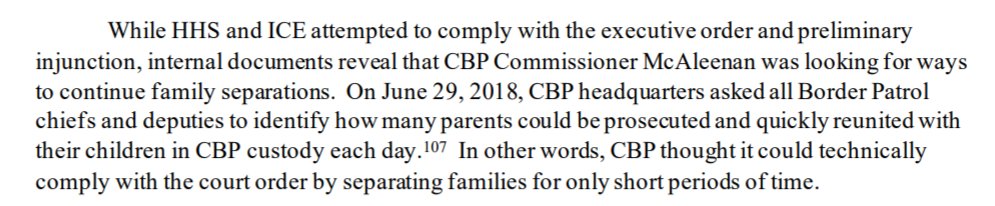
READ @HouseJudiciary new report on The Trump Administration's Family Separation Policy: Trauma, Destruction, and Chaos"
— Philip Wolgin (@pwolgin) October 29, 2020
551 pages (!) https://t.co/7MDT0e9wPX#FamiliesBelongTogether
More from Aaron Reichlin-Melnick

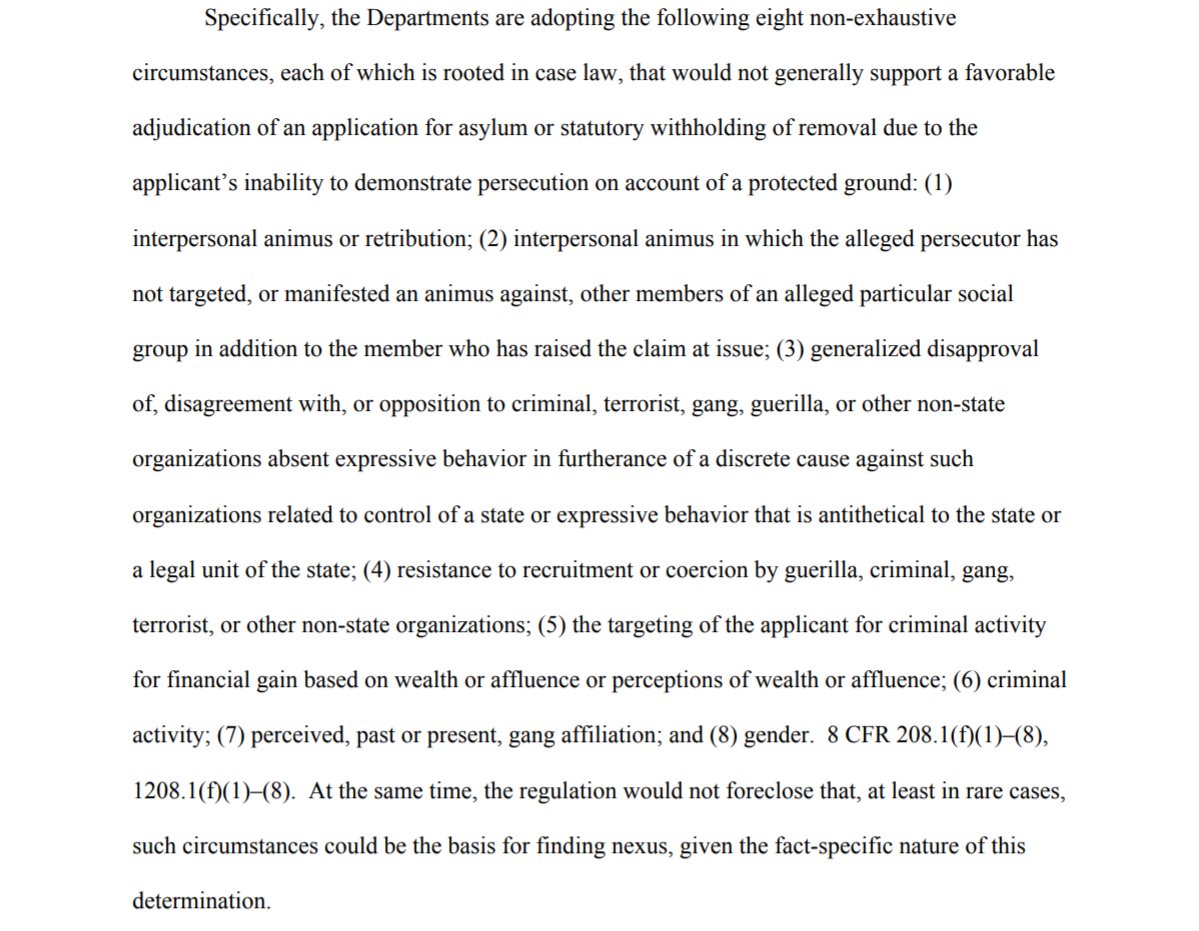




So much happened yesterday. I'm going to collect my threads here on yesterday's big immigration news.
First, we got key details of Biden's big immigration
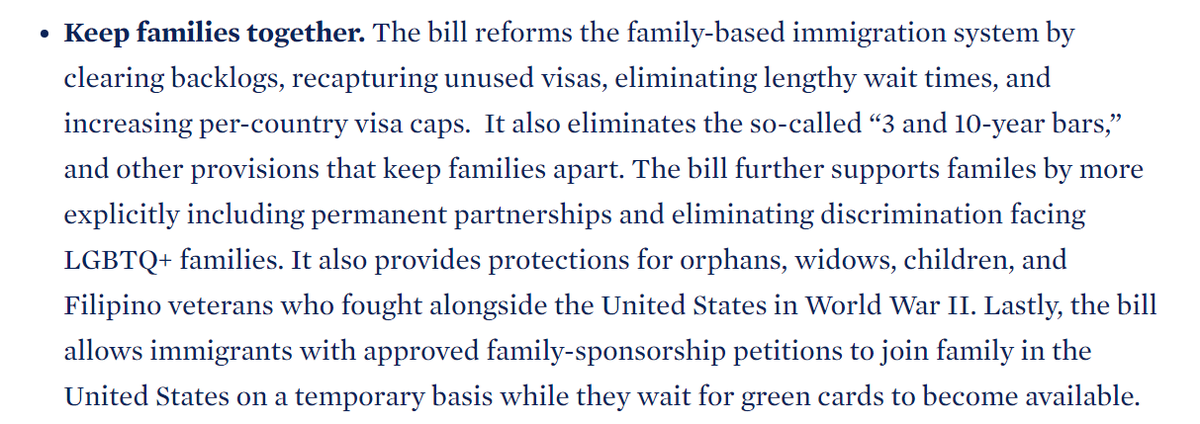
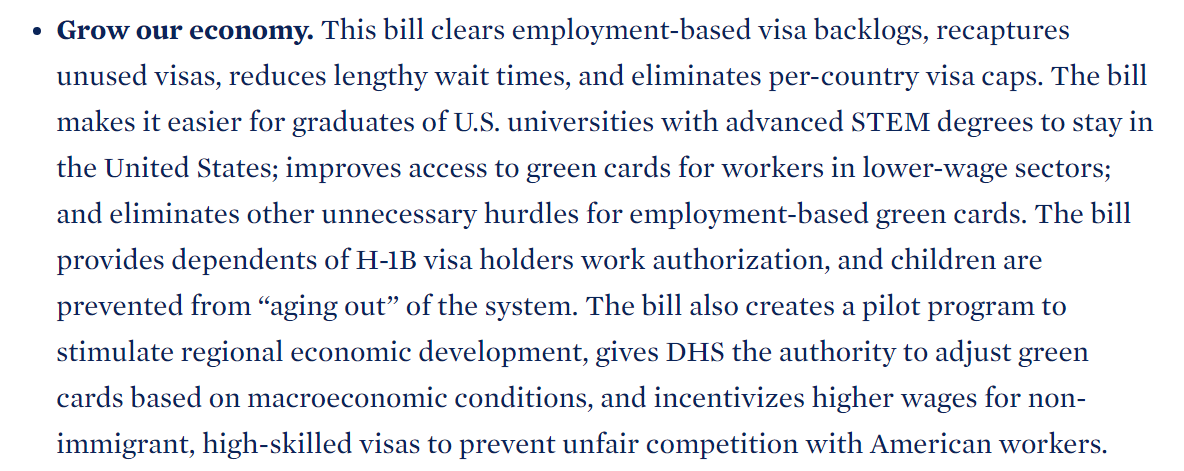
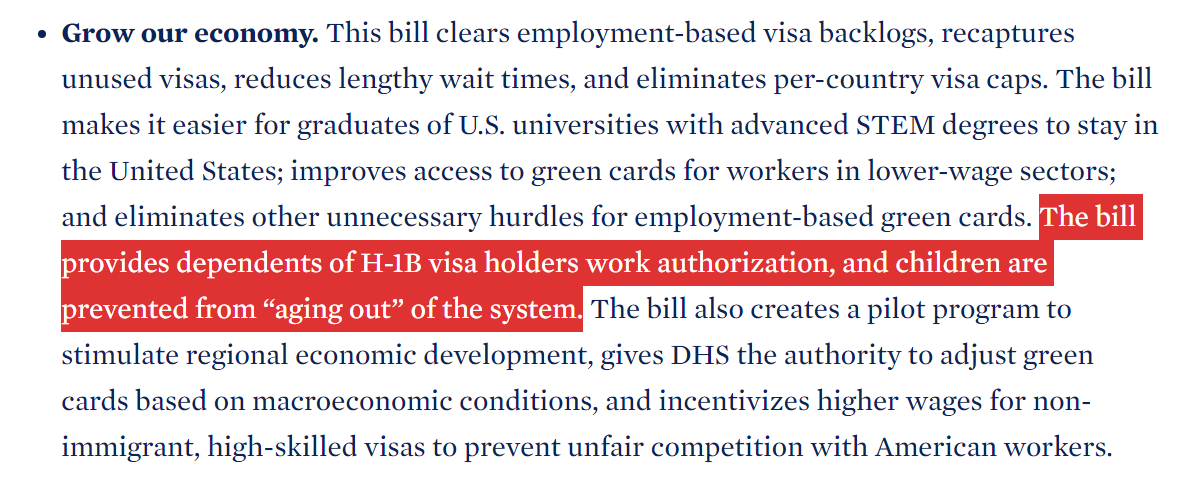
There is a LOT to like about this bill. I want to highlight some of the proposed changes beyond just legalization, including:
— Aaron Reichlin-Melnick (@ReichlinMelnick) January 20, 2021
- Ending the 3 & 10 year bars
- Curbing the "Muslim ban" authority
- Preventing "aging out" of children on nonimmigrant visas.https://t.co/jkFBIcNJEb
Once Biden had officially taken office, we got the first major action. As part of a standard transition process, the Biden White House froze all regulations which Trump had been trying to finalize at the last hour. I did a thread on what we
This is a standard order issued following every transition, but today it feels so important because of how many horrific things were in the pipeline.
— Aaron Reichlin-Melnick (@ReichlinMelnick) January 20, 2021
Here's a brief thread about some of the terrible anti-immigration regulations that didn't make it across the finish line.
1/ https://t.co/q0QpfVxPXm
Last night we started getting more changes. One of the first was an order telling CBP to stop putting people into the so-called "Migrant Protection Protocols," a cruel program that's left thousands in a dangerous limbo. But there's still more to do!
Incredible.\U0001f38a I am overwhelmed with joy that we are finally seeing the end to one of the most cruel and heartless policies of the last four years\u2014one that caused horrific damage to peoples' lives.
— Aaron Reichlin-Melnick (@ReichlinMelnick) January 21, 2021
The first part of the promise was kept. Now #LetThemIn!https://t.co/PZGrbvagaa https://t.co/PMeOxrKJvm
After that, we began getting the text of immigration executive orders. The first one put onto the White House's website was the order ending the Muslim Ban/Africa Ban and ordering the State Department to come up with a plan for reconsidering
\U0001f38aWe have our first immigration EO and it's the order ending the Muslim Ban/Africa Ban!
— Aaron Reichlin-Melnick (@ReichlinMelnick) January 21, 2021
The Bans "are a stain on our national conscience and are inconsistent with our long history of welcoming people of all faiths and no faith at all."https://t.co/4lh20OCCAY pic.twitter.com/8mW9wuPyzc
The next immigration executive order put on the White House's website revoked a Trump executive order from January 26, 2017 which made all undocumented immigrants a priority for deportation and directed a DHS-wide review of immigration
\U0001f38aSecond immigration EO! It is short. It establishes that Biden believes that immigration enforcement "requires setting priorities to best serve the national interest."
— Aaron Reichlin-Melnick (@ReichlinMelnick) January 21, 2021
It then revokes Trump's original EO that made all undocumented immigrants a priority.https://t.co/MvaeqPbiyK pic.twitter.com/dpkVZAKOT2
















![Peter McCormack [Jan/3\u279e\u20bf \U0001f511\u220e]](https://pbs.twimg.com/profile_images/1524287442307723265/_59ITDbJ_normal.jpg)