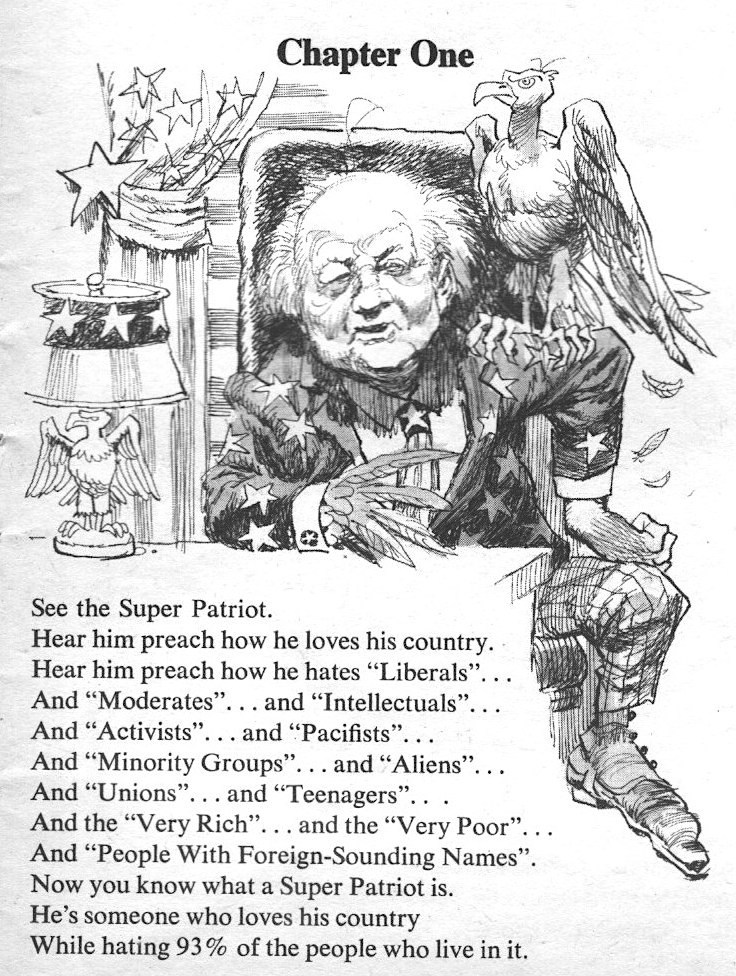
#NiftyFMCG #CNXFMCG
CMP 36264 / ATH 42021
Index should correct upto 18K-21K range and then resume the rise towards 55K. Mark the level on index and buy FMCG stocks there for another 2x-5x gains in stocks.
#Index #Nifty #Investing
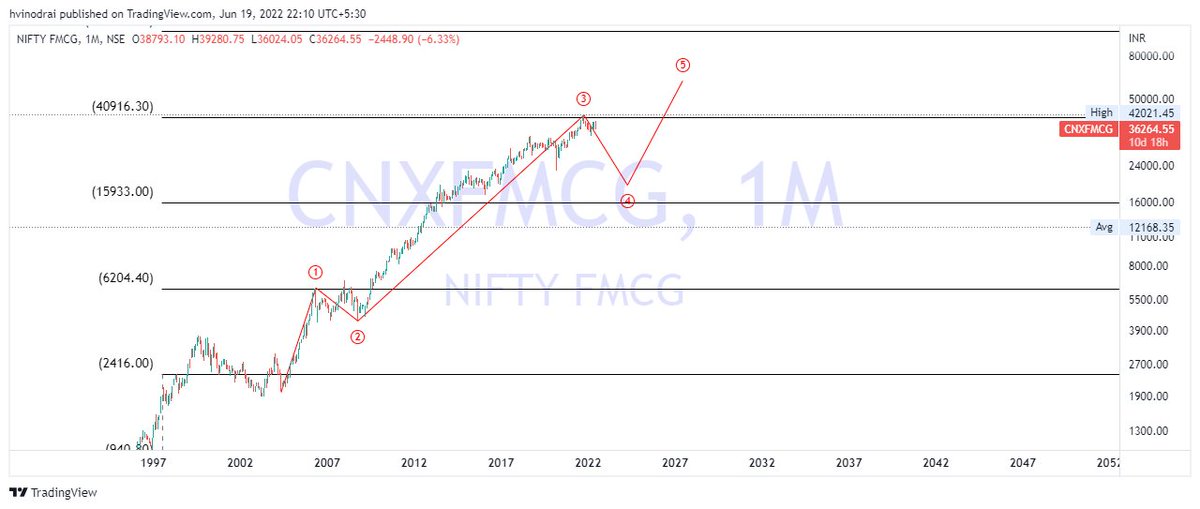
More from Harsh / 허쉬
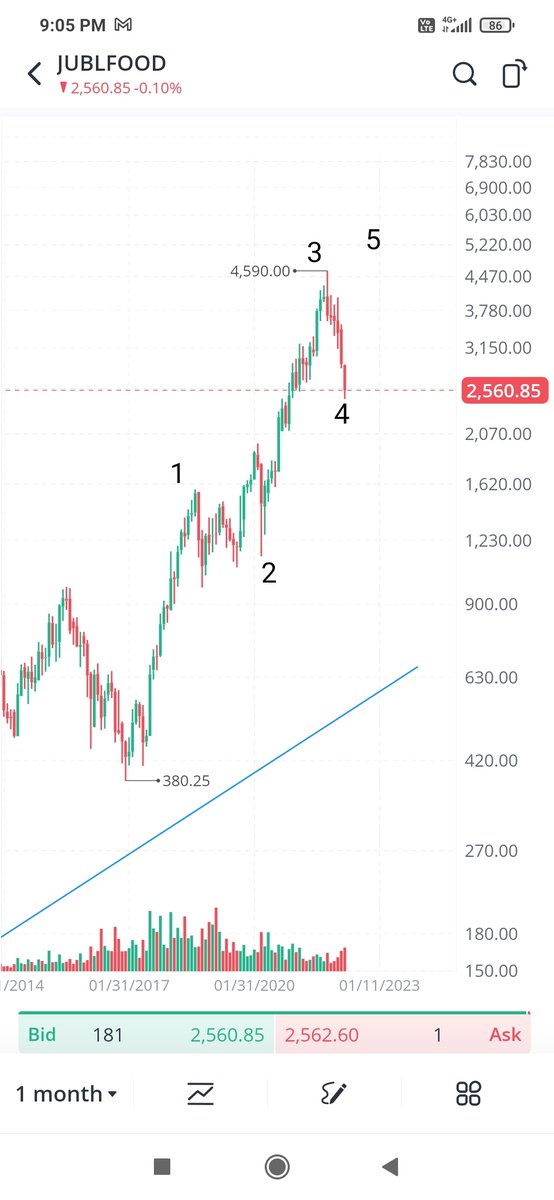
#Bhel - Falling from 79.55 now at 55
Chart wise labeling for 1,2,i,ii for now - counts invalid if falls further to 38. In that case will take a fresh look.
#Nifty #Elliotwave #Chart https://t.co/2mvKfAs3wA
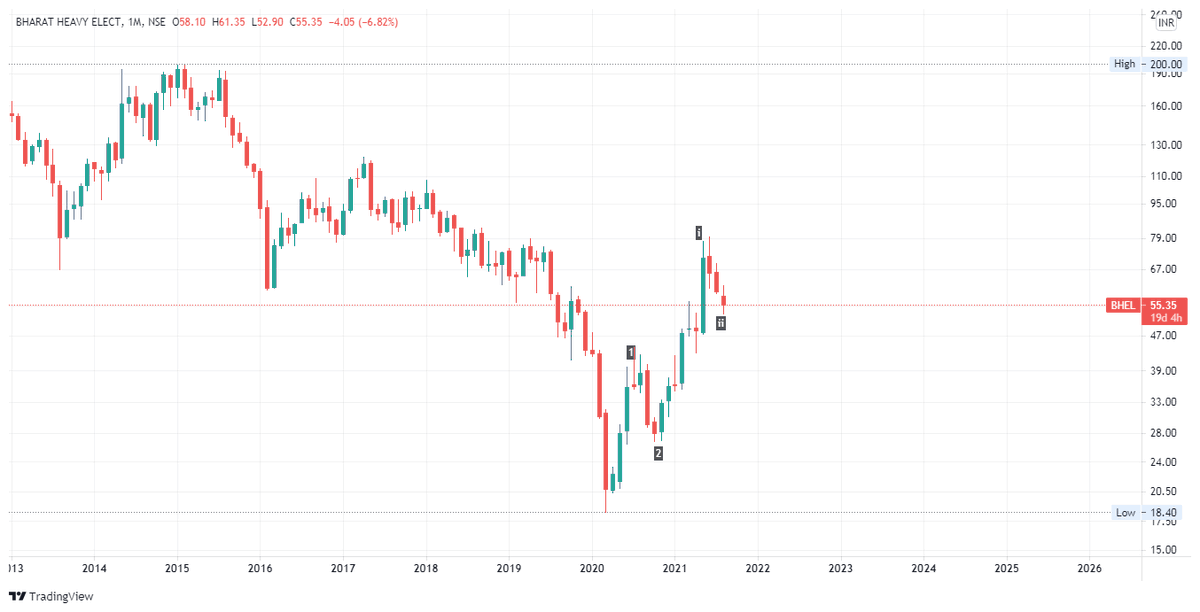
Chart wise labeling for 1,2,i,ii for now - counts invalid if falls further to 38. In that case will take a fresh look.
#Nifty #Elliotwave #Chart https://t.co/2mvKfAs3wA
Holding 29, major wave 2 looks over. Will you believe if I say ATH will come? But let's go step my step - 80-130-200 \U0001f600#Bhel pic.twitter.com/3KPCYeDoDp
— Harsh Mehta (@_Harsh_Mehta_) February 4, 2021
How do you select stocks to invest in this stage of market?
Use 3Bar High on weekly candle to invest with stop at 3Bar Low.. 👇
Use 3Bar High on weekly candle to invest with stop at 3Bar Low.. 👇
One of the fairly easy and convenient method for investing is 3 Bar High/Low method on weekly candles.
— Harsh / \ud5c8\uc26c (@_Harsh_Mehta_) March 26, 2021
Buy when stock price goes above High of previous 3 bars, continue till trend continues week after week, and sell out when Price goes below Low of previous 3 bars. pic.twitter.com/nnVCbMi84C
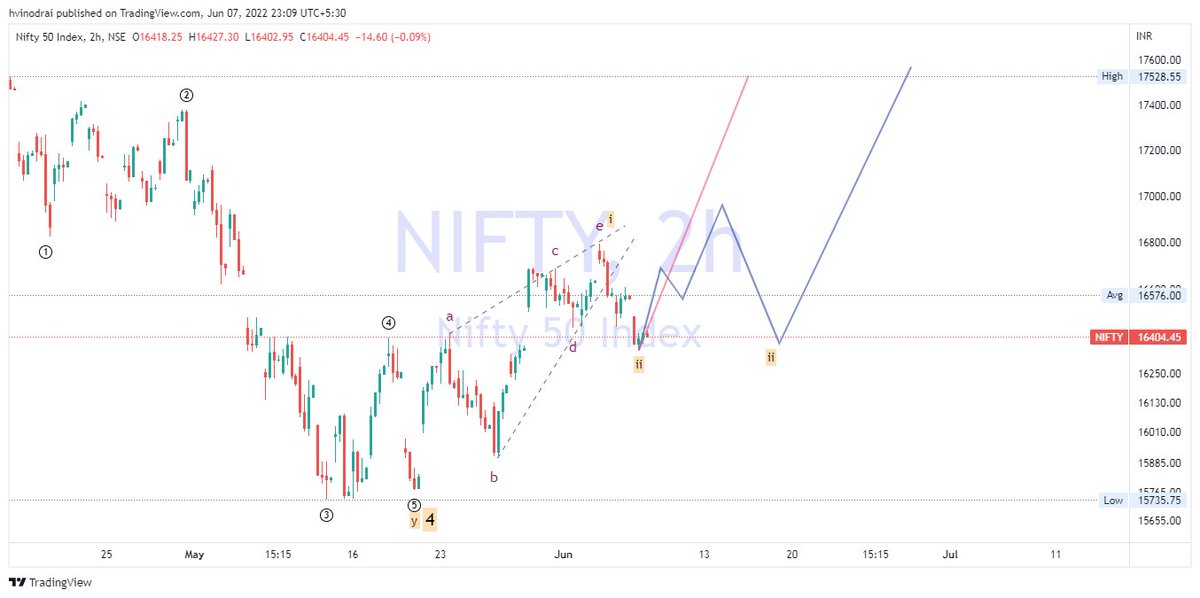
#Nifty hrly - Bullish scenario invalid only below 15775. Till then -
- 5.i done as LD at 16793.
- 5.ii done at 16347 and Nifty rises to 17000+
- 5.ii.a or w done at 16347, irregular correction or complex correction may play out for next 5-7 trading sessions.
Buy the dips. https://t.co/l4Iqp7patS
- 5.i done as LD at 16793.
- 5.ii done at 16347 and Nifty rises to 17000+
- 5.ii.a or w done at 16347, irregular correction or complex correction may play out for next 5-7 trading sessions.
Buy the dips. https://t.co/l4Iqp7patS
#Nifty hrly - 2.a done and 2.b should ideally be done tomorrow below the previous high.
— Harsh / \ud5c8\uc26c (@_Harsh_Mehta_) June 6, 2022
With RBI MPC meeting outcome on 8th (I suppose), sets up perfectly for a 3rd wave in major 5th (considering that my counts are right). https://t.co/LXG2SCg3bY pic.twitter.com/Ya2D35VV8F
You May Also Like



The UN just voted to condemn Israel 9 times, and the rest of the world 0.
View the resolutions and voting results here:
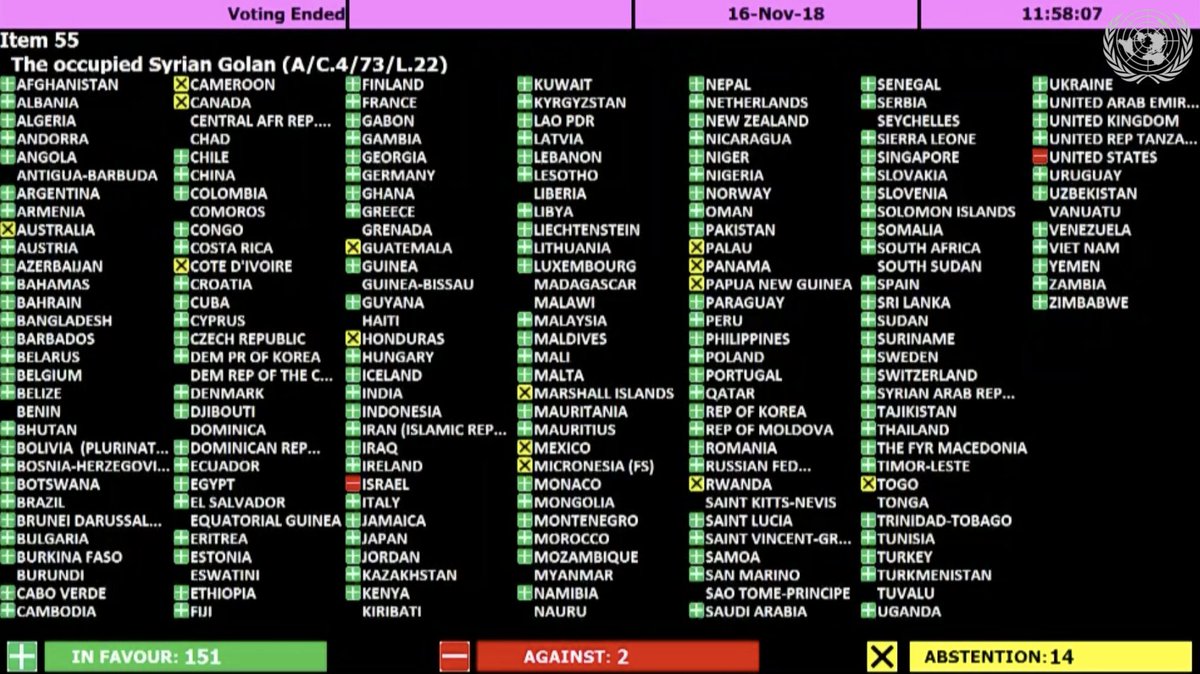
The resolution titled "The occupied Syrian Golan," which condemns Israel for "repressive measures" against Syrian citizens in the Golan Heights, was adopted by a vote of 151 - 2 - 14.
Israel and the U.S. voted 'No' https://t.co/HoO7oz0dwr
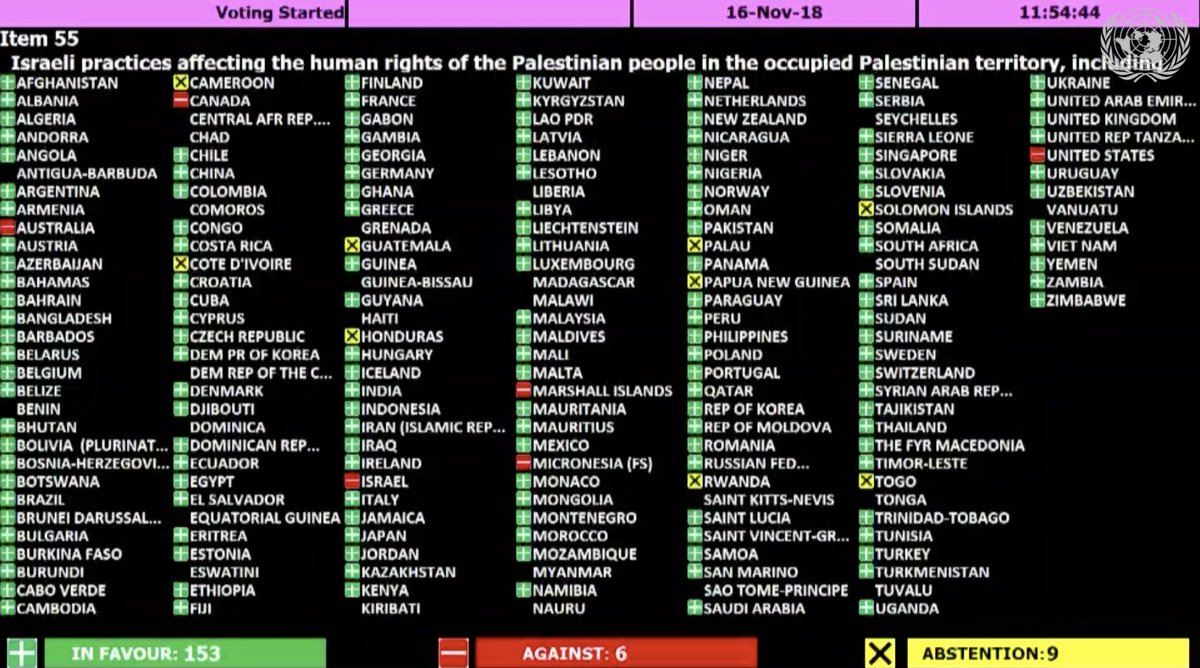
The resolution titled "Israeli practices affecting the human rights of the Palestinian people..." was adopted by a vote of 153 - 6 - 9.
Australia, Canada, Israel, Marshall Islands, Micronesia, and the U.S. voted 'No' https://t.co/1Ntpi7Vqab
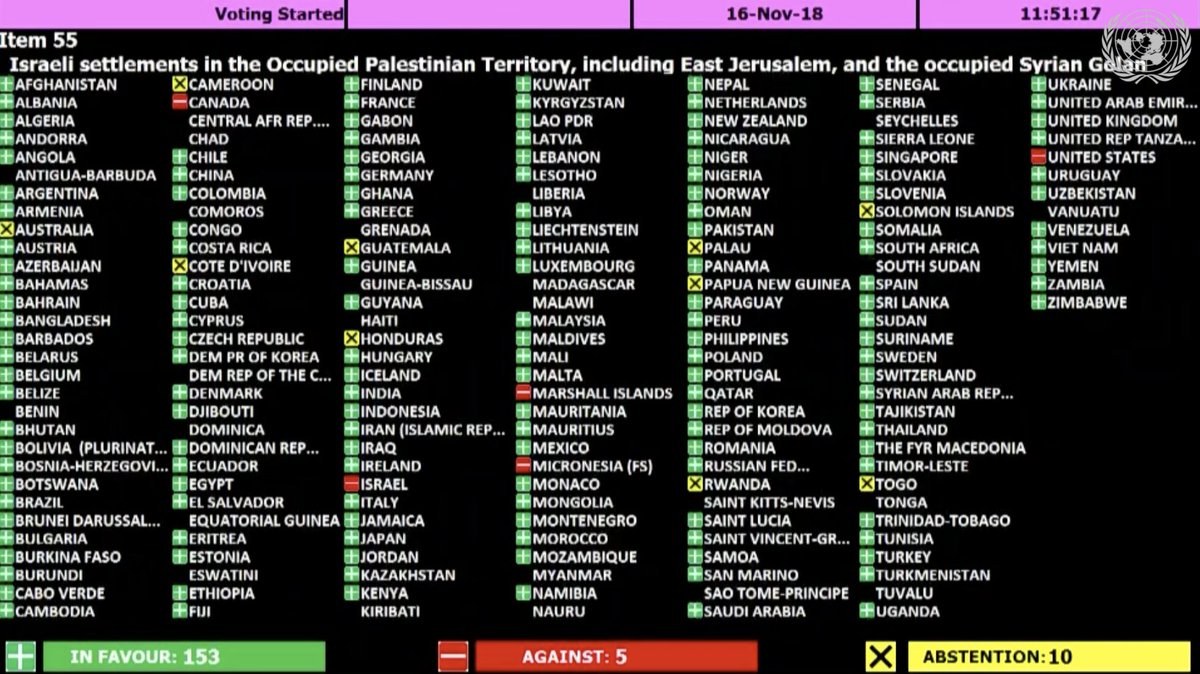
The resolution titled "Israeli settlements in the Occupied Palestinian Territory, including East Jerusalem, and the occupied Syrian Golan" was adopted by a vote of 153 – 5 – 10.
Canada, Israel, Marshall Islands, Micronesia, and the U.S. voted 'No'
https://t.co/REumYgyRuF
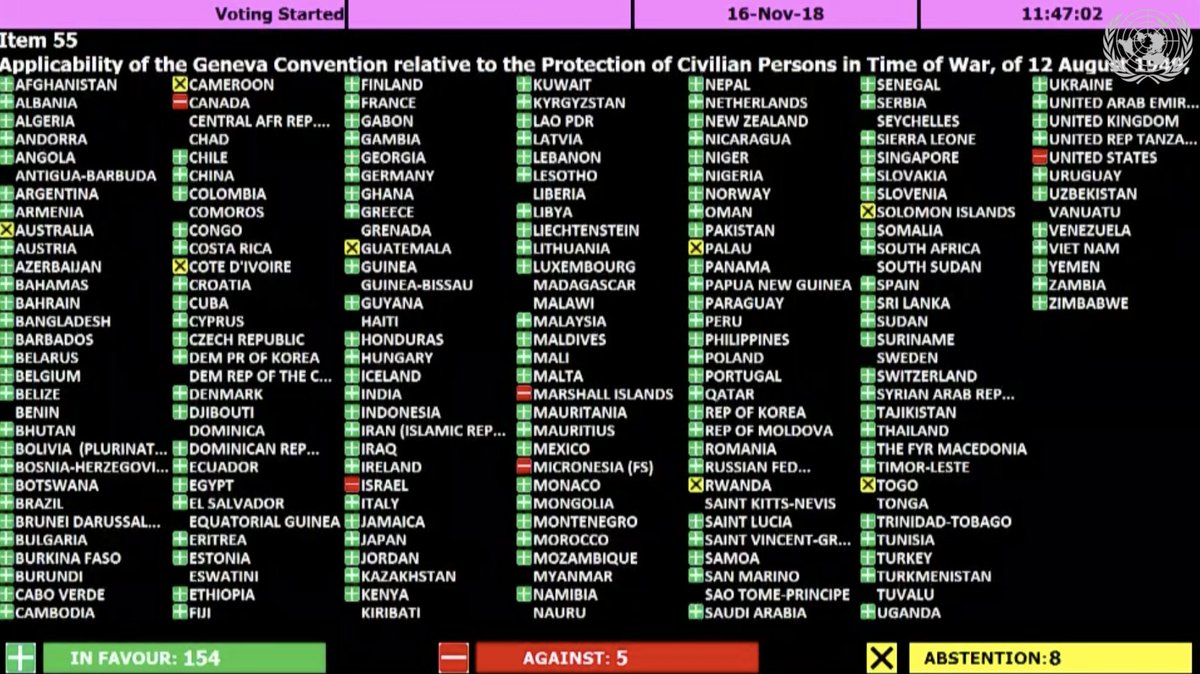
The resolution titled "Applicability of the Geneva Convention... to the
Occupied Palestinian Territory..." was adopted by a vote of 154 - 5 - 8.
Canada, Israel, Marshall Islands, Micronesia, and the U.S. voted 'No'
https://t.co/xDAeS9K1kW
View the resolutions and voting results here:
The resolution titled "The occupied Syrian Golan," which condemns Israel for "repressive measures" against Syrian citizens in the Golan Heights, was adopted by a vote of 151 - 2 - 14.
Israel and the U.S. voted 'No' https://t.co/HoO7oz0dwr
The resolution titled "Israeli practices affecting the human rights of the Palestinian people..." was adopted by a vote of 153 - 6 - 9.
Australia, Canada, Israel, Marshall Islands, Micronesia, and the U.S. voted 'No' https://t.co/1Ntpi7Vqab
The resolution titled "Israeli settlements in the Occupied Palestinian Territory, including East Jerusalem, and the occupied Syrian Golan" was adopted by a vote of 153 – 5 – 10.
Canada, Israel, Marshall Islands, Micronesia, and the U.S. voted 'No'
https://t.co/REumYgyRuF
The resolution titled "Applicability of the Geneva Convention... to the
Occupied Palestinian Territory..." was adopted by a vote of 154 - 5 - 8.
Canada, Israel, Marshall Islands, Micronesia, and the U.S. voted 'No'
https://t.co/xDAeS9K1kW