When I wrote an opinion piece for the New York Times, there was a pretty extensive fact-checking process (shout out to @jdesmondharris). Apparently, that is not the case at the Wall Street Journal, at least when a piece advances a highly partisan, fundamentally racist view...
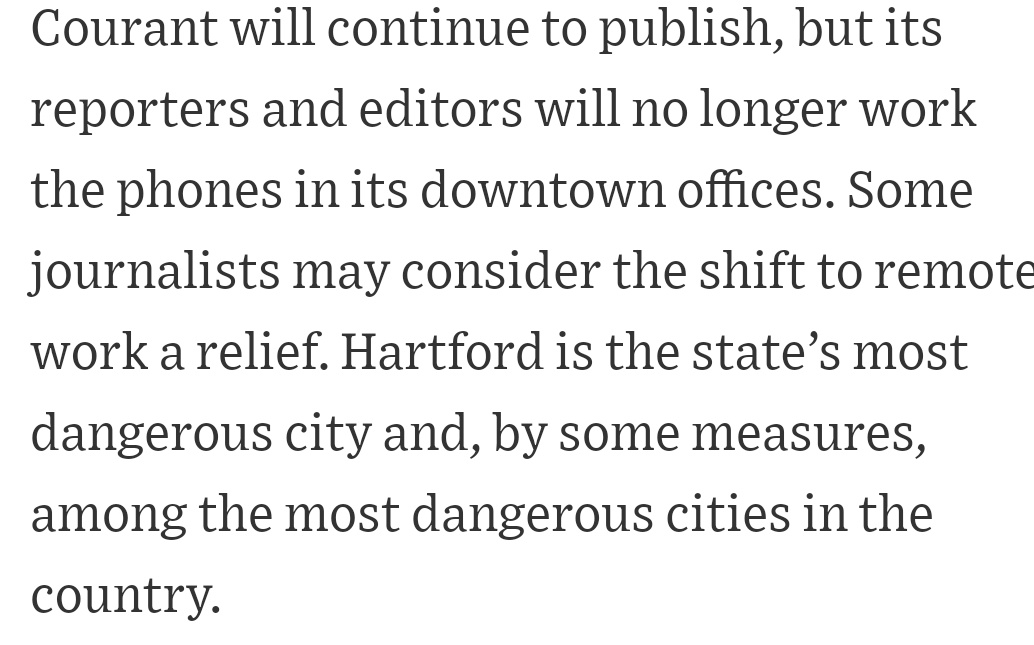
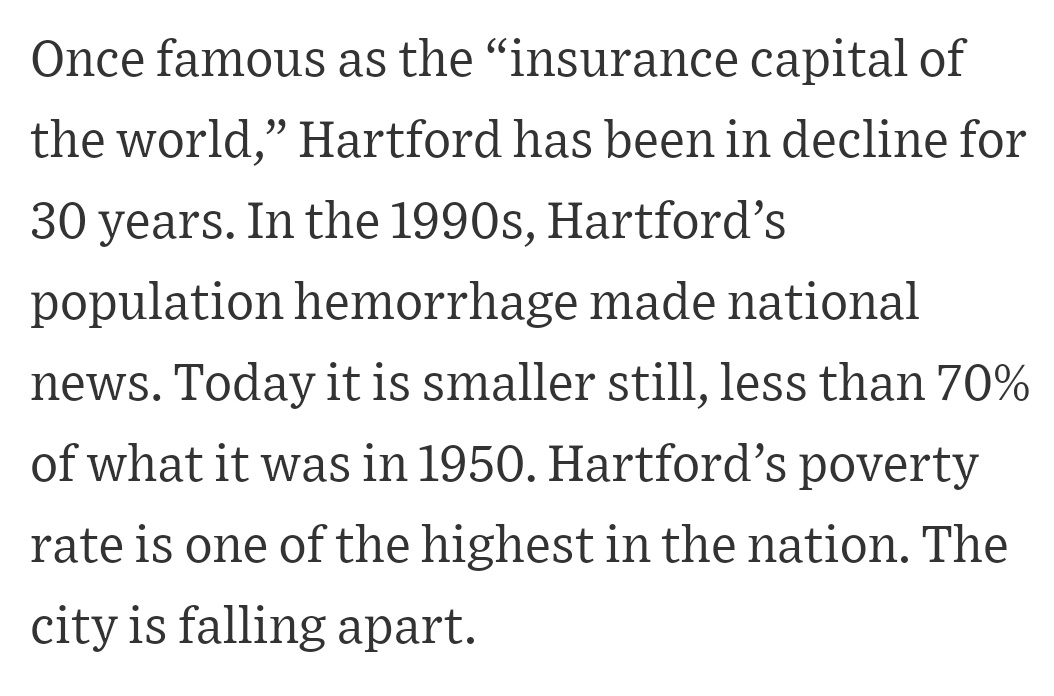
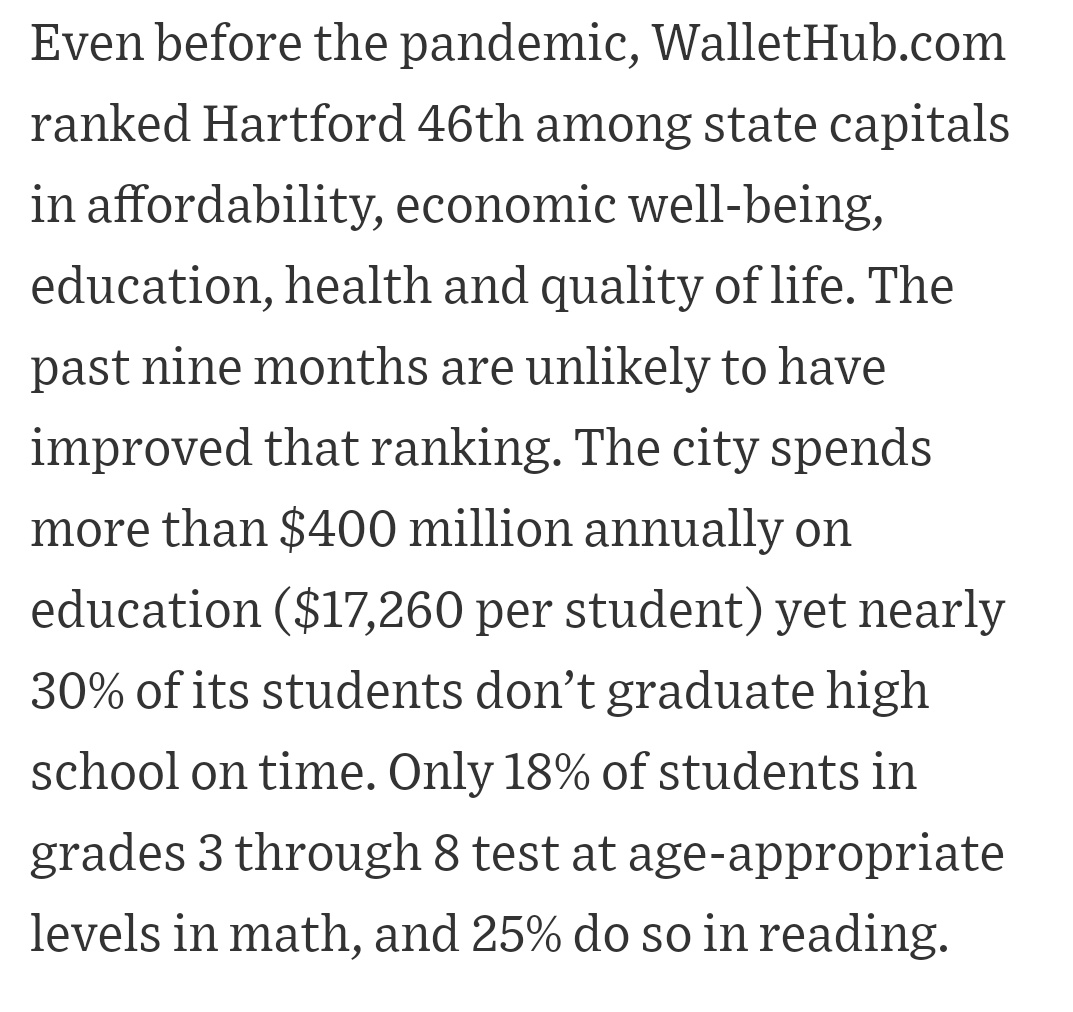
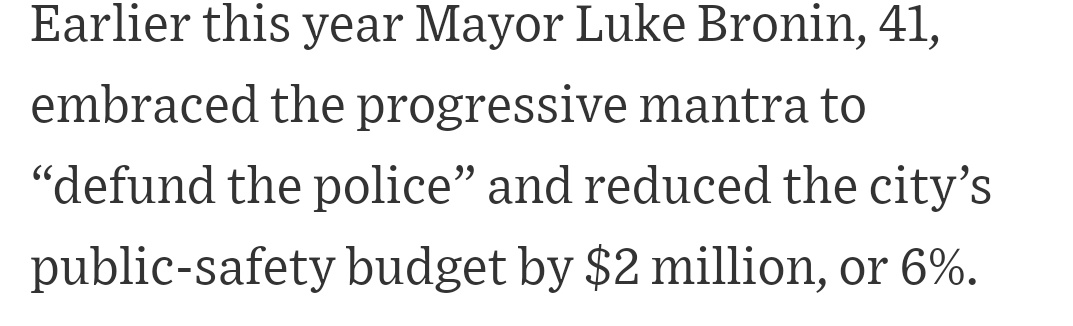
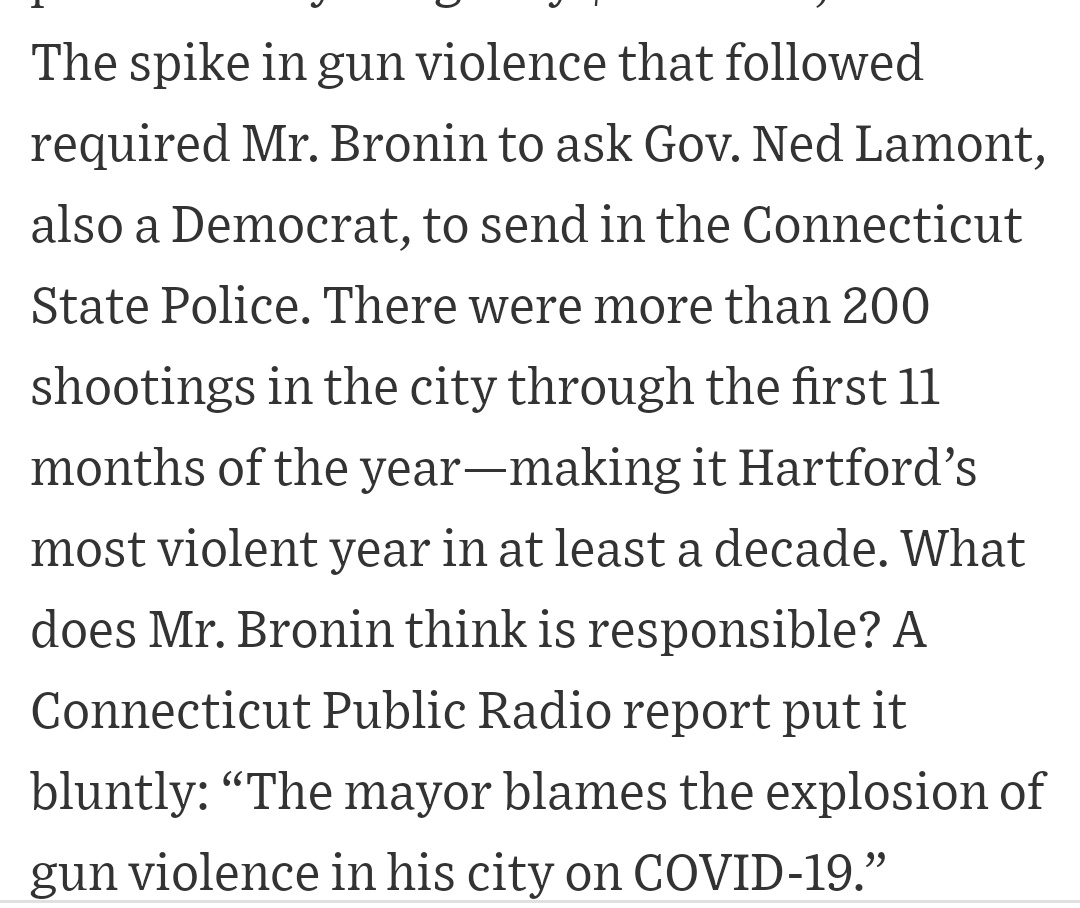
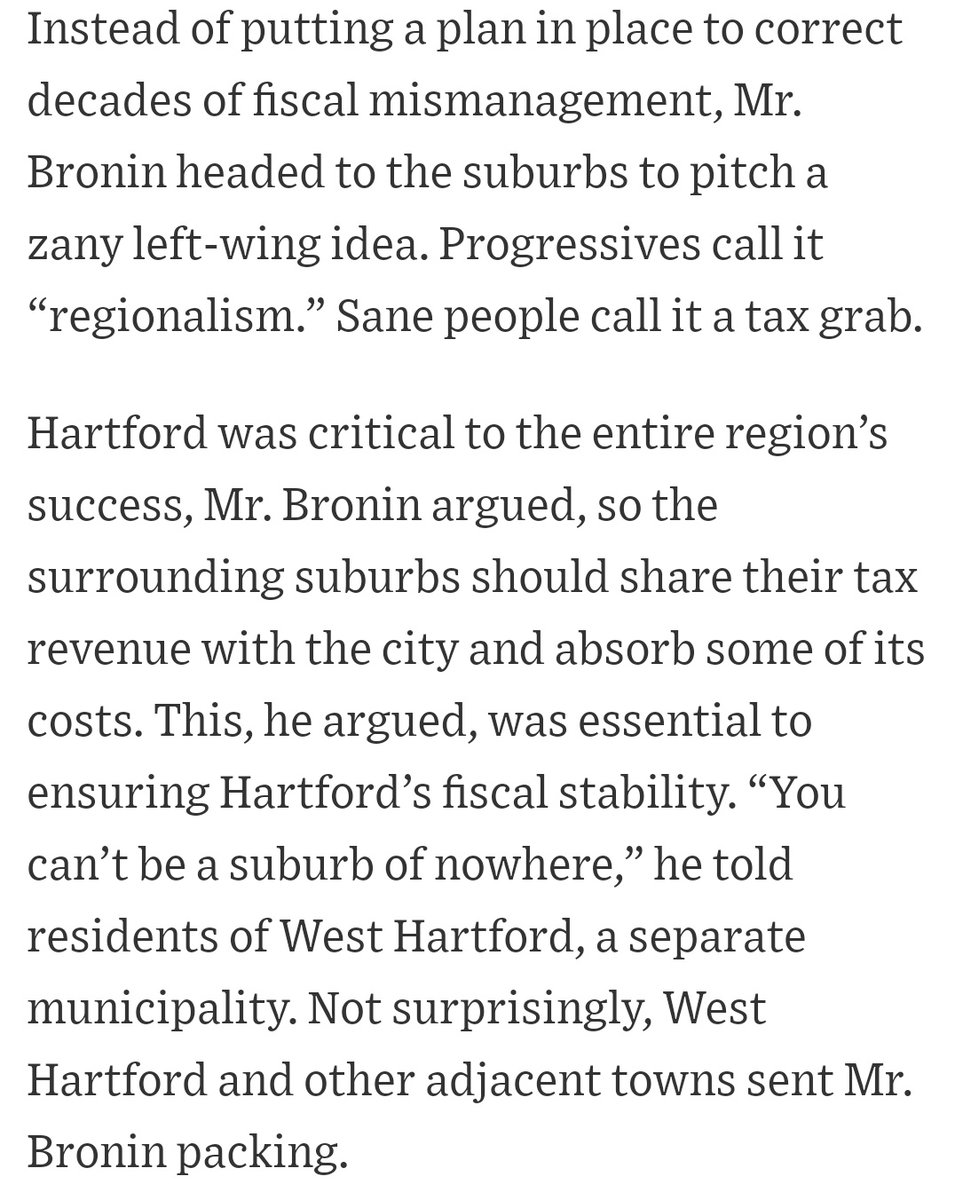
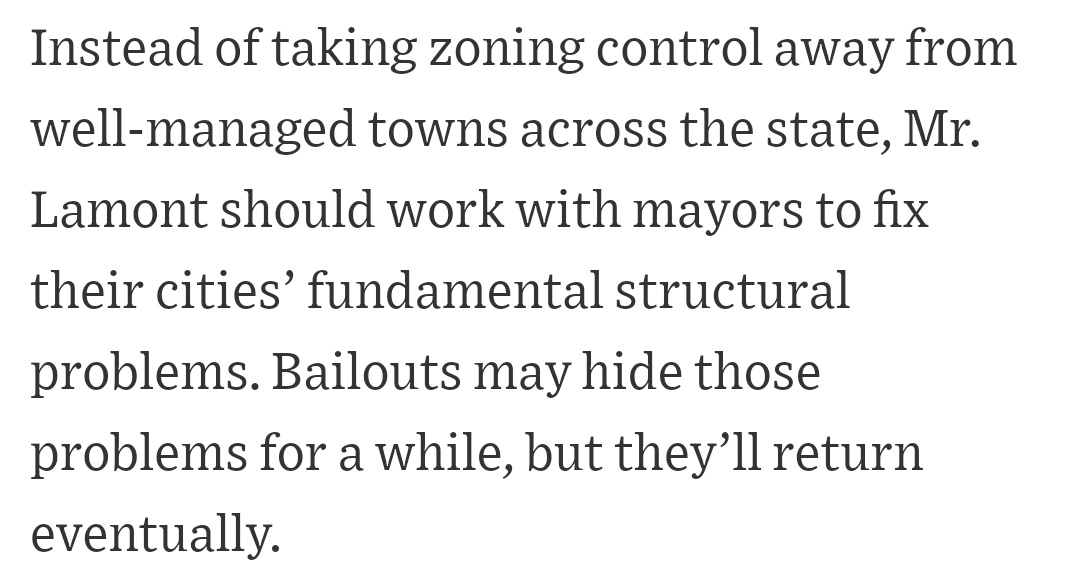
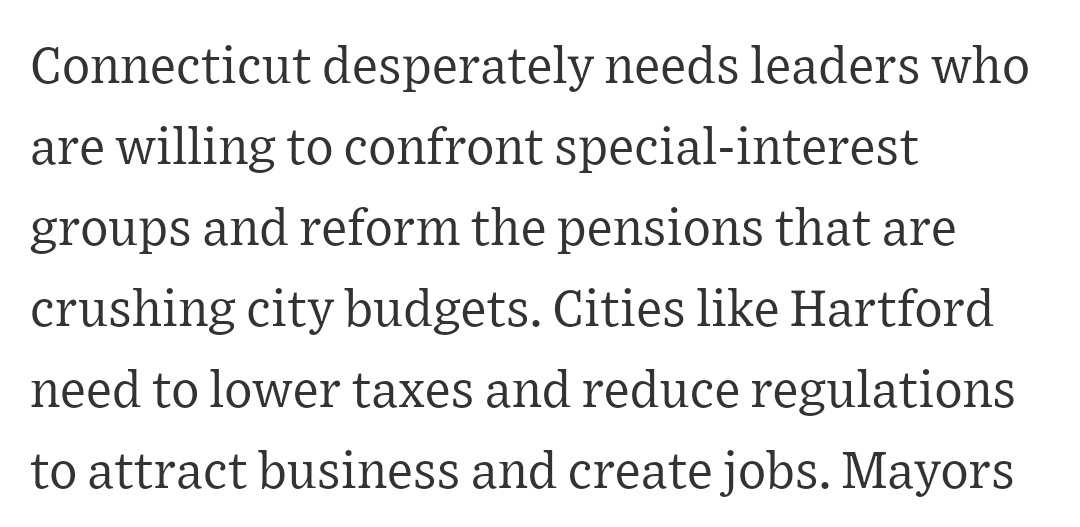
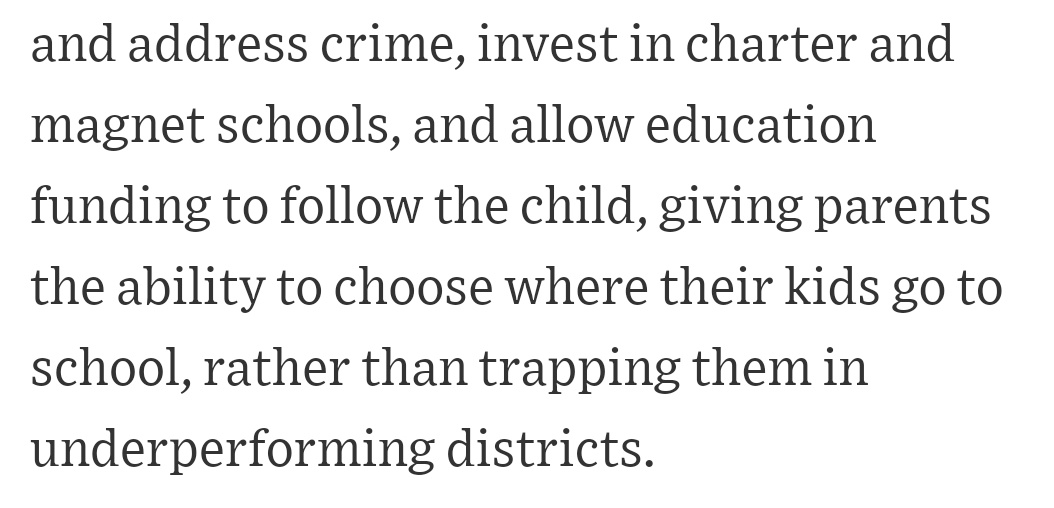
Practically every day, I wake up to a story about people inside Connecticut's impoverished cities squabbling over scraps because the town government system leaves them perennially underfunded and overburdened.
— D\xedgame Concejal (@RSGAT) January 26, 2018
School integration based on voluntary opt-in by affluent white parents can't work: they judge school quality not by accepted measures, but by relative whiteness and affluence. CT's town-based school district system makes this a self-fulfilling prophecy. https://t.co/v2kD6TBkn2
— D\xedgame Concejal (@RSGAT) January 29, 2020
More from News

.@louiscasiano from @FoxNews reached out to ask if we are actually planning on contaminating the hotel rooms of Proud Boys with bedbugs. The short answer is no, we don't even know if that's possible. But here's our full response.
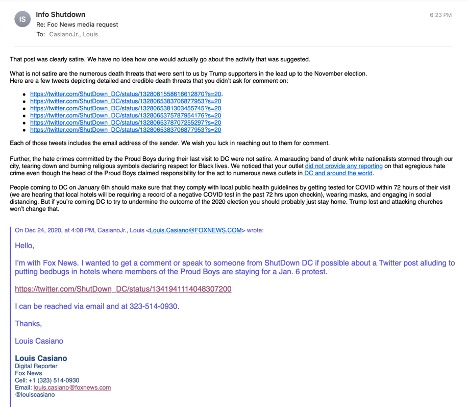
That post was clearly satire. We have no idea how one would actually go about the activity that was suggested.
What is not satire are the numerous death threats that were sent to us by Trump supporters in the lead up to the November election.
Here are a few tweets depicting detailed and credible death threats that you didn’t ask for comment on:
https://t.co/UiI12M0Aey.
https://t.co/PPe75XWImX
https://t.co/4Ia8659wK8
https://t.co/n5ov6R8Gyh
Each of those tweets includes the email address of the sender. We wish you luck in reaching out to them for comment.
Further, the hate crimes committed by the Proud Boys during their last visit to DC were not satire. A marauding band of drunk white nationalists stormed through our city, tearing down and burning religious symbols declaring respect for Black lives.
That post was clearly satire. We have no idea how one would actually go about the activity that was suggested.
What is not satire are the numerous death threats that were sent to us by Trump supporters in the lead up to the November election.
Here are a few tweets depicting detailed and credible death threats that you didn’t ask for comment on:
https://t.co/UiI12M0Aey.
https://t.co/PPe75XWImX
https://t.co/4Ia8659wK8
https://t.co/n5ov6R8Gyh
Yup. They have no interest in public safety. Inspector Glover is doing everything he can to support @realDonaldTrump's coup. @MayorBowser get your cops in line. pic.twitter.com/VAAu58v7N5
— ShutDownDC (@ShutDown_DC) November 15, 2020
Each of those tweets includes the email address of the sender. We wish you luck in reaching out to them for comment.
Further, the hate crimes committed by the Proud Boys during their last visit to DC were not satire. A marauding band of drunk white nationalists stormed through our city, tearing down and burning religious symbols declaring respect for Black lives.




1/1 On @seanhannity last night (at 5:56 of this clip), @SenTedCruz said that the Hayes-Tilden Commission was "charged with reviewing the evidence and making a determination about the disputed ballots." That's incorrect. The Commission was tasked with determining which rival ...
2/2 ... group of electors was appointed by the authority within state government entitled to make that appointment at the time the electors cast their votes on the constitutionally required day. Justice Joseph Bradley, who was held the intentionally tiebreaking seat on the ...
3/3 ... 15-member Commission, explained his decision in favor of Hayes by saying that it was NOT the Commission's authority (NOR Congress's, from which the Commission derived its subsidiary power) to determine whether the state properly counted its popular vote. Instead, ...
4/4 ...it was the Commission's job to figure out which of the competing claims was correct concerning who had authority under state law to make the determination upon which the appointment of electors would be based. For Florida, Bradley ruled that the state's canvassing board...
5/5... had this authority at the time the electors voted & thus Congress was obligated to accept the votes cast by the electors that the canvassing board had appointed, and this was true even if the canvassing board's appointment was based on a mistake or even fraud affecting ...
Tomorrow is an important day. We have an obligation to protect the integrity of the election & our democratic system. That\u2019s why 10 of my colleagues & I are calling for an Electoral Commission to conduct an emergency 10-day audit to examine voter fraud allegations. pic.twitter.com/fExTpxlmKl
— Senator Ted Cruz (@SenTedCruz) January 6, 2021
2/2 ... group of electors was appointed by the authority within state government entitled to make that appointment at the time the electors cast their votes on the constitutionally required day. Justice Joseph Bradley, who was held the intentionally tiebreaking seat on the ...
3/3 ... 15-member Commission, explained his decision in favor of Hayes by saying that it was NOT the Commission's authority (NOR Congress's, from which the Commission derived its subsidiary power) to determine whether the state properly counted its popular vote. Instead, ...
4/4 ...it was the Commission's job to figure out which of the competing claims was correct concerning who had authority under state law to make the determination upon which the appointment of electors would be based. For Florida, Bradley ruled that the state's canvassing board...
5/5... had this authority at the time the electors voted & thus Congress was obligated to accept the votes cast by the electors that the canvassing board had appointed, and this was true even if the canvassing board's appointment was based on a mistake or even fraud affecting ...