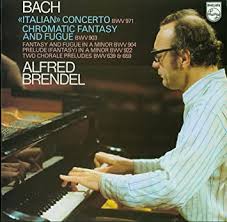
"Music, Sense and Nonsense: Collected Essays and Lectures", por Alfred Brendel.

Capítulo: “Conversations - Bach and the Piano with Terry

En 1976 Terry Snow entrevistó a Alfred Brendel sobre sus puntos de vista acerca de la obra de Bach para teclado, la cual hasta ese entonces Brendel había evitado ejecutar en sus conciertos.
Brendel cambió de opinión en esa época. Al haber sido alumno de Edwin Fischer, quien transmitía la música de Bach de una manera única y con poderosa autoridad, le tomó tiempo considerar que estaba listo para abordar a Bach en sus propios términos.

https://t.co/RGxhfD5kAP
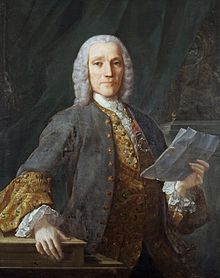
En un principio, Brendel no se sentía muy convencido por las ejecuciones “históricas”. Sin embargo, para él la obra de Bach es menos dependiente de los instrumentos contemporáneos que la de Monteverdi, Domenico Scarlatti, Purcell, Rameau y Couperin.
Entre las ventajas de interpretar las obras para teclado de Bach en piano, Brendel considera el hecho de que este es más adecuado para las salas de concierto modernas. Además, para Brendel dichas obras están llenas de posibilidades latentes.

https://t.co/hkHmmMoD6f
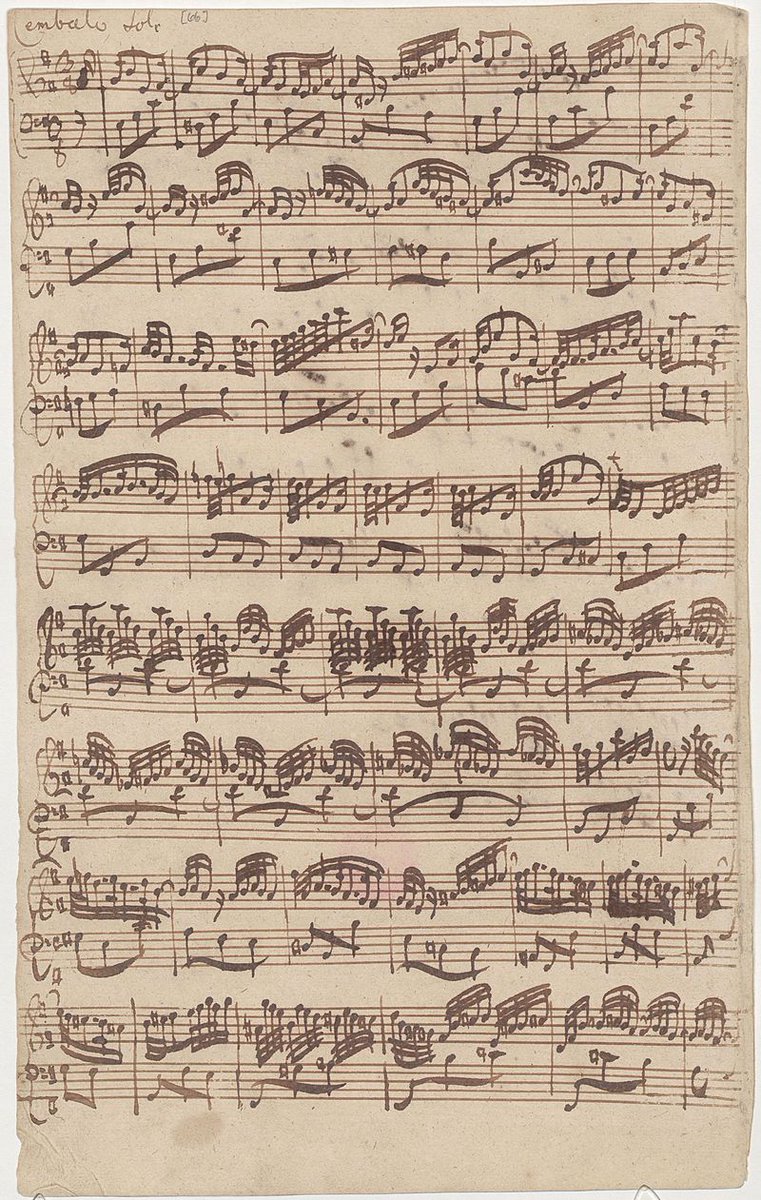
Para Brendel, existe un grupo de obras de Bach que tienen un carácter profético, como si hubieran sido sido escritas para un instrumento del futuro. Brendel cita el Preludio BMW 922, el cual considera más apropiado para el piano que para el clavecín.

https://t.co/HxkV0DY8fX
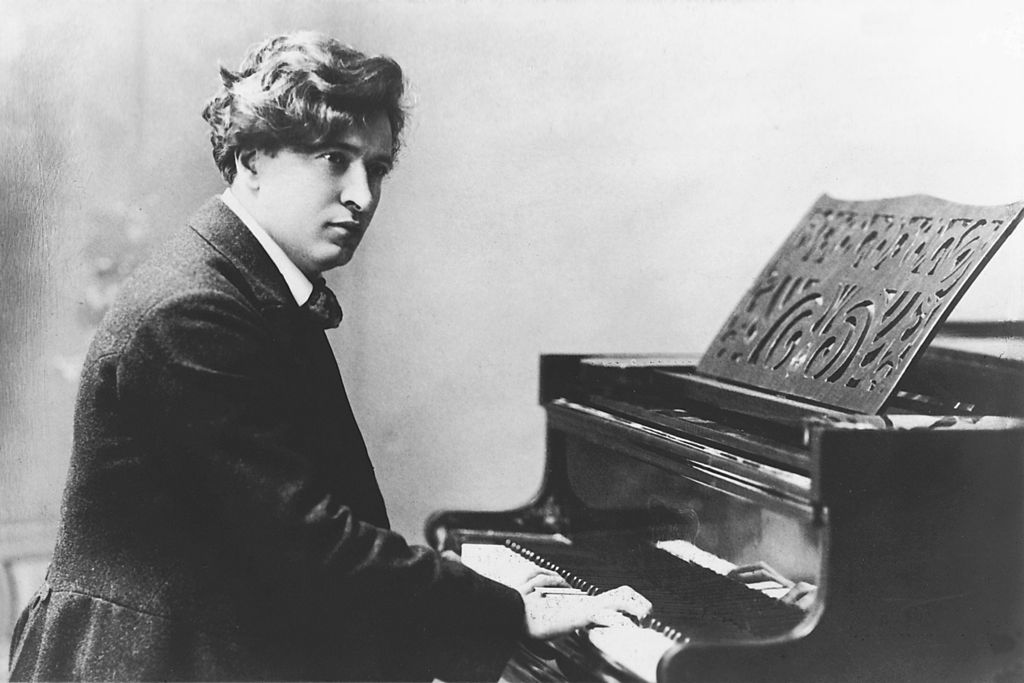
Sobre las transcripciones para piano, Brendel considera que algunas de los preludios corales para órgano de Busoni transmiten a Bach gloriosamente. Otras al menos dan al pianista la oportunidad de invocar el sonido y volumen de un órgano, así como la reverberación de una iglesia.
Para Brendel, no haya “reglas” de interpretación que deben ser automáticamente aplicadas a la obra de Bach. El pianista debe examinar las convenciones y determinar si son aún válidas, y preguntarse si están vinculadas a la estructura musical y contribuyen al carácter de la obra.
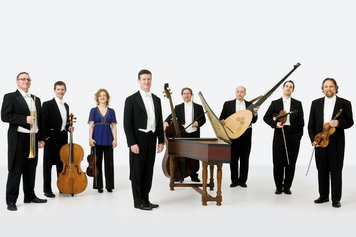
Al final de la entrevista, Brendel incluye una nota final escrita en 2015 explicando como habían cambiado sus opiniones desde 1976, sobre todo con el desarrollo de orquestas de épocas cuya precisión y refinamiento se equiparan a los de las grandes orquestas convencionales.
De igual modo, pianistas como András Schiff redescubrieron Bach, y lo restablecieron en las salas modernas de conciertos. Para Brendel, la coexistencia de las interpretaciones “históricas” y modernas” es algo que debe darse por sentado.

https://t.co/S2ybhQnY2v
@threadreaderapp unroll

More from Music

Open Question to fellow investors tracking Music Industry.

A business like Universal which controls more than 1/3rd of all published music globally is selling for less than 6x FY20 Sales.

Why are Indian businesses like Saregama / Tips selling for 11x, 20x their sales?

If I include all of the revenue generated by entire firm, its selling for ~4.5x FY20 Sales
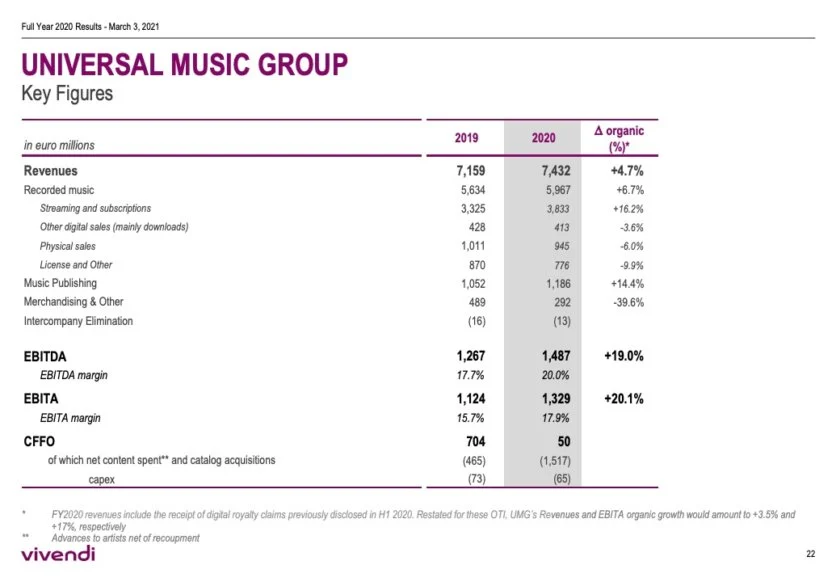

Universal Listing Market Cap ~ 40 Billion USD
FY 20 Revenues ~ 8.87 B USD or 7.4B EUR

Catalogue of Music includes every international artist you can possibly name

Either Universal is grossly undervalued or Saregama/Tips are grossly overvalued.

https://t.co/aHzWSYtcUt


https://t.co/v0EMoCuYKX

You May Also Like

Department List of UCAS-China PROFESSORs for ANSO, CSC and UCAS (fully or partial) Scholarship Acceptance
1) UCAS School of physical sciences Professor
https://t.co/9X8OheIvRw
2) UCAS School of mathematical sciences Professor

3) UCAS School of nuclear sciences and technology
https://t.co/nQH8JnewcJ
4) UCAS School of astronomy and space sciences
https://t.co/7Ikc6CuKHZ
5) UCAS School of engineering

6) Geotechnical Engineering Teaching and Research Office
https://t.co/jBCJW7UKlQ
7) Multi-scale Mechanics Teaching and Research Section
https://t.co/eqfQnX1LEQ
😎 Microgravity Science Teaching and Research

9) High temperature gas dynamics teaching and research section
https://t.co/tVIdKgTPl3
10) Department of Biomechanics and Medical Engineering
https://t.co/ubW4xhZY2R
11) Ocean Engineering Teaching and Research

12) Department of Dynamics and Advanced Manufacturing
https://t.co/42BKXEugGv
13) Refrigeration and Cryogenic Engineering Teaching and Research Office
https://t.co/pZdUXFTvw3
14) Power Machinery and Engineering Teaching and Research
THE MEANING, SIGNIFICANCE AND HISTORY OF SWASTIK

The Swastik is a geometrical figure and an ancient religious icon. Swastik has been Sanatan Dharma’s symbol of auspiciousness – mangalya since time immemorial.


The name swastika comes from Sanskrit (Devanagari: स्वस्तिक, pronounced: swastik) &denotes “conducive to wellbeing or auspicious”.
The word Swastik has a definite etymological origin in Sanskrit. It is derived from the roots su – meaning “well or auspicious” & as meaning “being”.


"सु अस्ति येन तत स्वस्तिकं"
Swastik is de symbol through which everything auspicios occurs

Scholars believe word’s origin in Vedas,known as Swasti mantra;

"🕉स्वस्ति ना इन्द्रो वृधश्रवाहा
स्वस्ति ना पूषा विश्ववेदाहा
स्वस्तिनास्तरक्ष्यो अरिश्तनेमिही
स्वस्तिनो बृहस्पतिर्दधातु"


It translates to," O famed Indra, redeem us. O Pusha, the beholder of all knowledge, redeem us. Redeem us O Garudji, of limitless speed and O Bruhaspati, redeem us".

SWASTIK’s COSMIC ORIGIN

The Swastika represents the living creation in the whole Cosmos.


Hindu astronomers divide the ecliptic circle of cosmos in 27 divisions called
https://t.co/sLeuV1R2eQ this manner a cross forms in 4 directions in the celestial sky. At centre of this cross is Dhruva(Polestar). In a line from Dhruva, the stars known as Saptarishi can be observed.