Suddenly, Jesus appeared on the scene.

Luke 7v11-17 MSG
Talks about a widow, whose life was filled with losses & misery. She lived in Nain.

She had no name.
Her misery was used to describe her.

Misery had indeed wrapped itself round her like a fitted garment

She had lost her

2.
hubby, probably a few months or years earlier, now, her only son was gone.

Soon, this widow of Nain was going to bury her only son.

There were people there pretending to be mourning, meanwhile, they were gossiping amongst themselves...
3.
When did she lose her husband that we are once again burying her only son?

Are we sure she is not a witch?

Is she the only one in town.

From one tragedy to another.

God must be punishing her for her sins.

By this time too, the grave diggers were waiting.
4.
They had completed the task of digging the sons grave, & only waiting to be paid their balance

The mourners at the graveyard were waiting too, but, suddenly, the Lord saw her...felt her pain & showered her with compassion.
5.
When the Lord was done, they were completely left aghast, with mouth wide open

Luke 7:16 MSG described it perfectly.

They all realized they were in a place of holy mystery, that God was at work among them. They were quietly worshipful - and then noisily grateful,

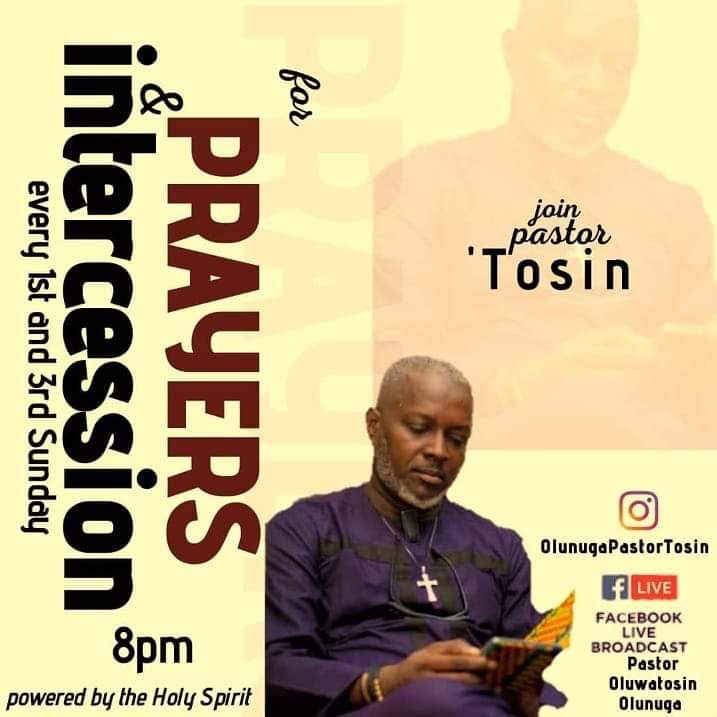
More from Pastor 't.O.s.I.n. OLUNUGA

More from Message

You May Also Like

First thread of the year because I have time during MCO. As requested, a thread on the gods and spirits of Malay folk religion. Some are indigenous, some are of Indian origin, some have Islamic


Before I begin, it might be worth explaining the Malay conception of the spirit world. At its deepest level, Malay religious belief is animist. All living beings and even certain objects are said to have a soul. Natural phenomena are either controlled by or personified as spirits

Although these beings had to be respected, not all of them were powerful enough to be considered gods. Offerings would be made to the spirits that had greater influence on human life. Spells and incantations would invoke their


Two known examples of such elemental spirits that had god-like status are Raja Angin (king of the wind) and Mambang Tali Arus (spirit of river currents). There were undoubtedly many more which have been lost to time

Contact with ancient India brought the influence of Hinduism and Buddhism to SEA. What we now call Hinduism similarly developed in India out of native animism and the more formal Vedic tradition. This can be seen in the multitude of sacred animals and location-specific Hindu gods
#தினம்_ஒரு_திருவாசகம்
தொல்லை இரும்பிறவிச் சூழும் தளை நீக்கி
அல்லல் அறுத்து ஆனந்தம் ஆக்கியதே – எல்லை
மருவா நெறியளிக்கும் வாதவூர் எங்கோன்
திருவாசகம் என்னும் தேன்

பொருள்:
1.எப்போது ஆரம்பித்தது என அறியப்படமுடியாத தொலை காலமாக (தொல்லை)

2. இருந்து வரும் (இரும்)


3.பிறவிப் பயணத்திலே ஆழ்த்துகின்ற (பிறவி சூழும்)

4.அறியாமையாகிய இடரை (தளை)

5.அகற்றி (நீக்கி),

6.அதன் விளைவால் சுகதுக்கமெனும் துயரங்கள் விலக (அல்லல் அறுத்து),

7.முழுநிறைவாய்த் தன்னுளே இறைவனை உணர்த்துவதே (ஆனந்த மாக்கியதே),

8.பிறந்து இறக்கும் காலவெளிகளில் (எல்லை)

9.பிணைக்காமல் (மருவா)

10.காக்கும் மெய்யறிவினைத் தருகின்ற (நெறியளிக்கும்),

11.என் தலைவனான மாணிக்க வாசகரின் (வாதவூரெங்கோன்)

12.திருவாசகம் எனும் தேன் (திருவா சகமென்னுந் தேன்)

முதல்வரி: பிறவி என்பது முன்வினை விதையால் முளைப்பதோர் பெருமரம். அந்த ‘முன்வினை’ எங்கு ஆரம்பித்தது எனச் சொல்ல இயலாது. ஆனால் ‘அறியாமை’ ஒன்றே ஆசைக்கும்,, அச்சத்துக்கும் காரணம் என்பதால், அவையே வினைகளை விளைவிப்பன என்பதால், தொடர்ந்து வரும் பிறவிகளுக்கு, ‘அறியாமையே’ காரணம்

அறியாமைக்கு ஆரம்பம் கிடையாது. நமக்கு ஒரு பொருளைப் பற்றிய அறிவு எப்போதிருந்து இல்லை? அதைச் சொல்ல முடியாது. அதனாலேதான் முதலடியில், ஆரம்பமில்லாத அஞ்ஞானத்தை பிறவிகளுக்குக் காரணமாகச் சொல்லியது. ஆனால் அறியாமை, அறிவின் எழுச்சியால், அப்போதே முடிந்து விடும்.