
What's your dream! Have you written it down? Do you have a plan for achieving it? Do you regularly spend time visualizing yourself achieving it? What have you done yesterday and what are you doing today to move yourself closer to it?

More from Mark Minervini

More from Markminervinilearnings

20 Powerful tweets to learn from @markminervini
A 🧵thread...
Jesse Livermore
Some important quotes by Jesse Livermore... pic.twitter.com/UklL86oTvb
— Mark Minervini (@markminervini) June 16, 2021
Never let a loss exceed 8% changed his trading game for the
The big turning point in my trading came when I made a decision and vowed to NEVER EVER let a loss exceed 8%. During the next 5 years I averaged 220% per year for a total compounded return of 33,500%. It's been 28 years since and I have never broken that discipline not even once!
— Mark Minervini (@markminervini) April 26, 2021
Key early decisions to make for your trading
A few key decisions early in my trading career and my financial life completely changed for the better in just a few years.
— Mark Minervini (@markminervini) June 13, 2021
1. No big losses
2. No averaging down
3. No chasing extended stocks
4. No giving back decent profits
5. Always get odds on my money
Never listen to
Only losers discourage dreamers. Only those who never achieved big things discourage those attempting to achieve big things. Only those who think small discourage those who think big. Never believe discourages. The have no credibility! Believe winners. Believe in YOU! \U0001f447 pic.twitter.com/JdAhRy3lRJ
— Mark Minervini (@markminervini) June 14, 2021
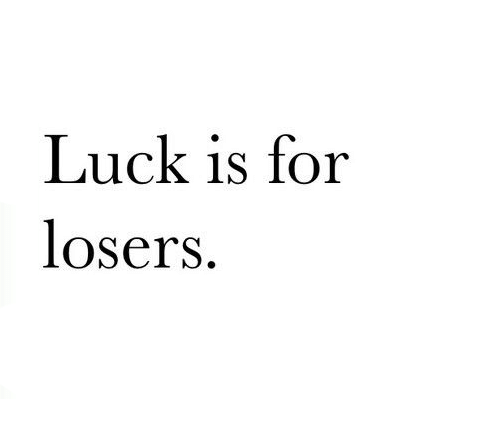
1. Concentrated positions
2. Selective use of Leverage
3. High turnover
4. Super tight risk control
5. Selling into strength
6. Big positions almost exclusively directional
7. De-risking trades and free rolling often
JUST RELEASED - April U.S. Investing Championship results YTD - https://t.co/mN2Kl28gqh
— Mark Minervini (@markminervini) May 19, 2021

You May Also Like



Legacy site *downloads* ~630 KB CSS per theme and writing direction.
6,769 rules
9,252 selectors
16.7k declarations
3,370 unique declarations
44 media queries
36 unique colors
50 unique background colors
46 unique font sizes
39 unique z-indices
https://t.co/qyl4Bt1i5x

PWA *incrementally generates* ~30 KB CSS that handles all themes and writing directions.
735 rules
740 selectors
757 declarations
730 unique declarations
0 media queries
11 unique colors
32 unique background colors
15 unique font sizes
7 unique z-indices
https://t.co/w7oNG5KUkJ

The legacy site's CSS is what happens when hundreds of people directly write CSS over many years. Specificity wars, redundancy, a house of cards that can't be fixed. The result is extremely inefficient and error-prone styling that punishes users and developers.
The PWA's CSS is generated on-demand by a JS framework that manages styles and outputs "atomic CSS". The framework can enforce strict constraints and perform optimisations, which is why the CSS is so much smaller and safer. Style conflicts and unbounded CSS growth are avoided.

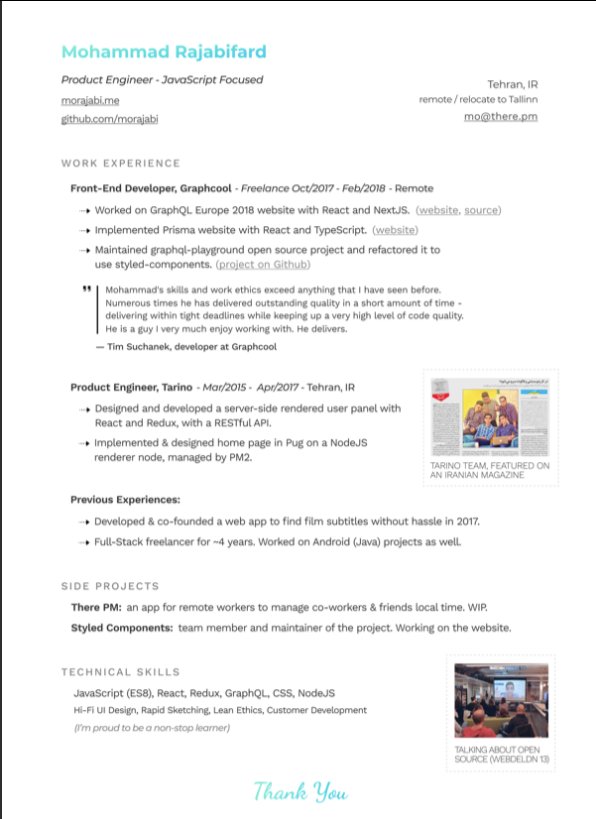
- Forget what you don't have, make your strength bold
- Pick one work experience and explain what you did in detail w/ bullet points
- Write it towards the role you apply
- Give social proof
/thread
"But I got no work experience..."
Make a open source lib, make a small side project for yourself, do freelance work, ask friends to work with them, no friends? Find friends on Github, and Twitter.
Bonus points:
- Show you care about the company: I used the company's brand font and gradient for in the resume for my name and "Thank You" note.
- Don't list 15 things and libraries you worked with, pick the most related ones to the role you're applying.
-🙅♂️"copy cover letter"
"I got no firends, no work"
One practical way is to reach out to conferences and offer to make their website for free. But make sure to do it good. You'll get:
- a project for portfolio
- new friends
- work experience
- learnt new stuff
- new thing for Twitter bio
If you don't even have the skills yet, why not try your chance for @LambdaSchool? No? @freeCodeCamp. Still not? Pick something from here and learn https://t.co/7NPS1zbLTi
You'll feel very overwhelmed, no escape, just acknowledge it and keep pushing.

