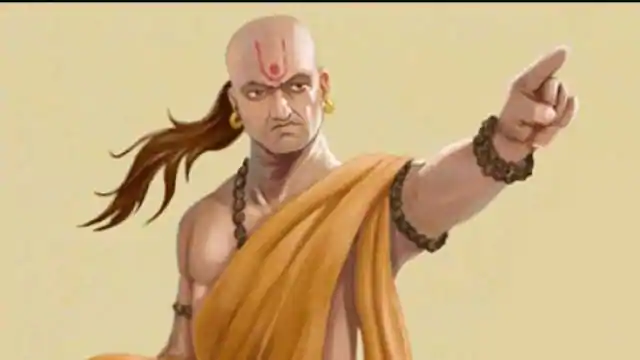
"Learn One Virtue From A Lion,
One From A Crane,
Four From A Cock,
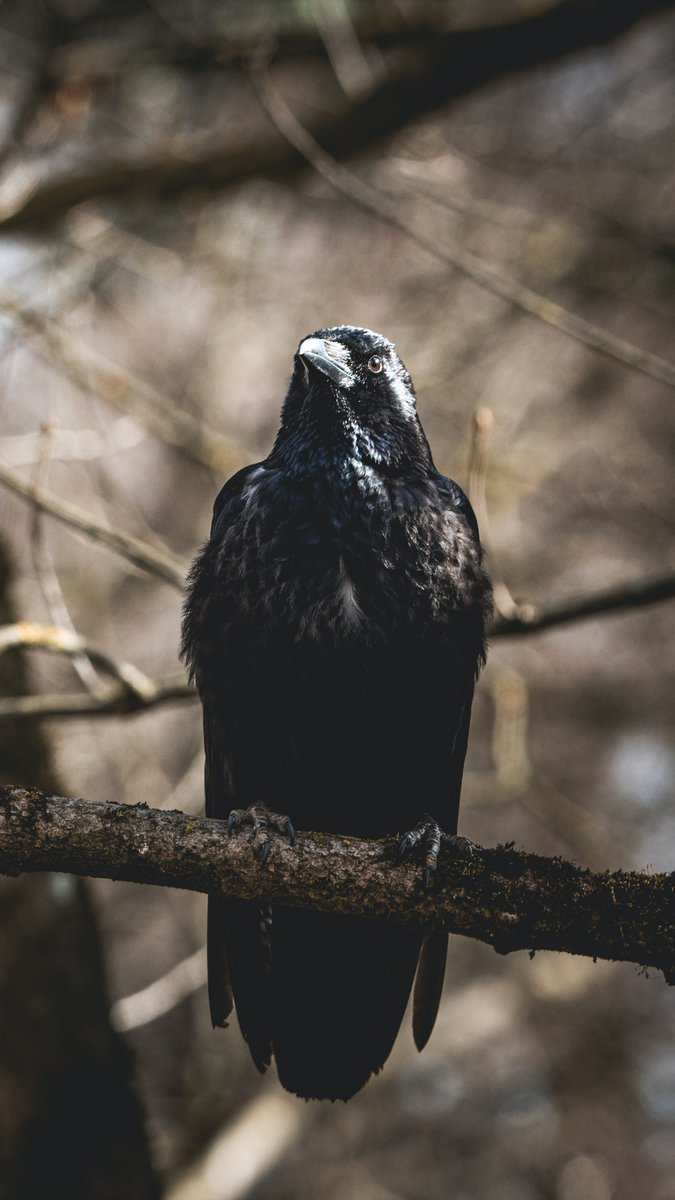
Five from A Crow
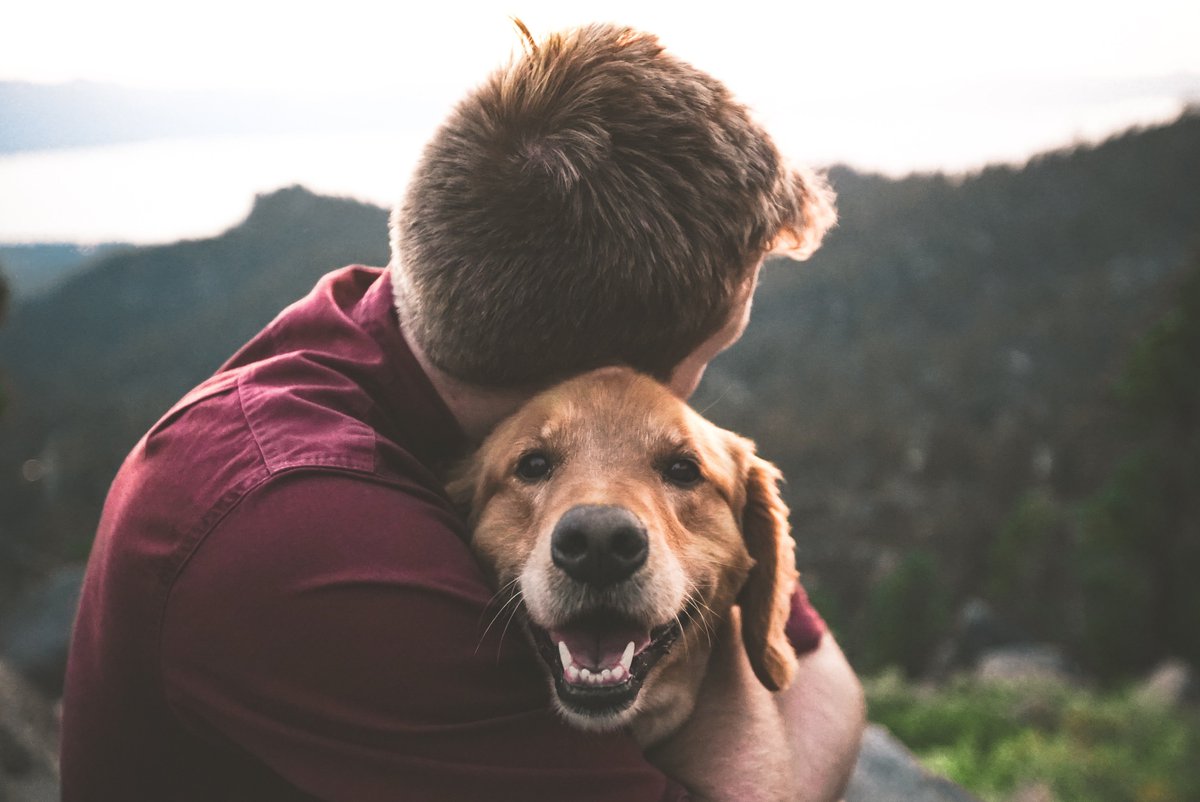
Six From A Dog,
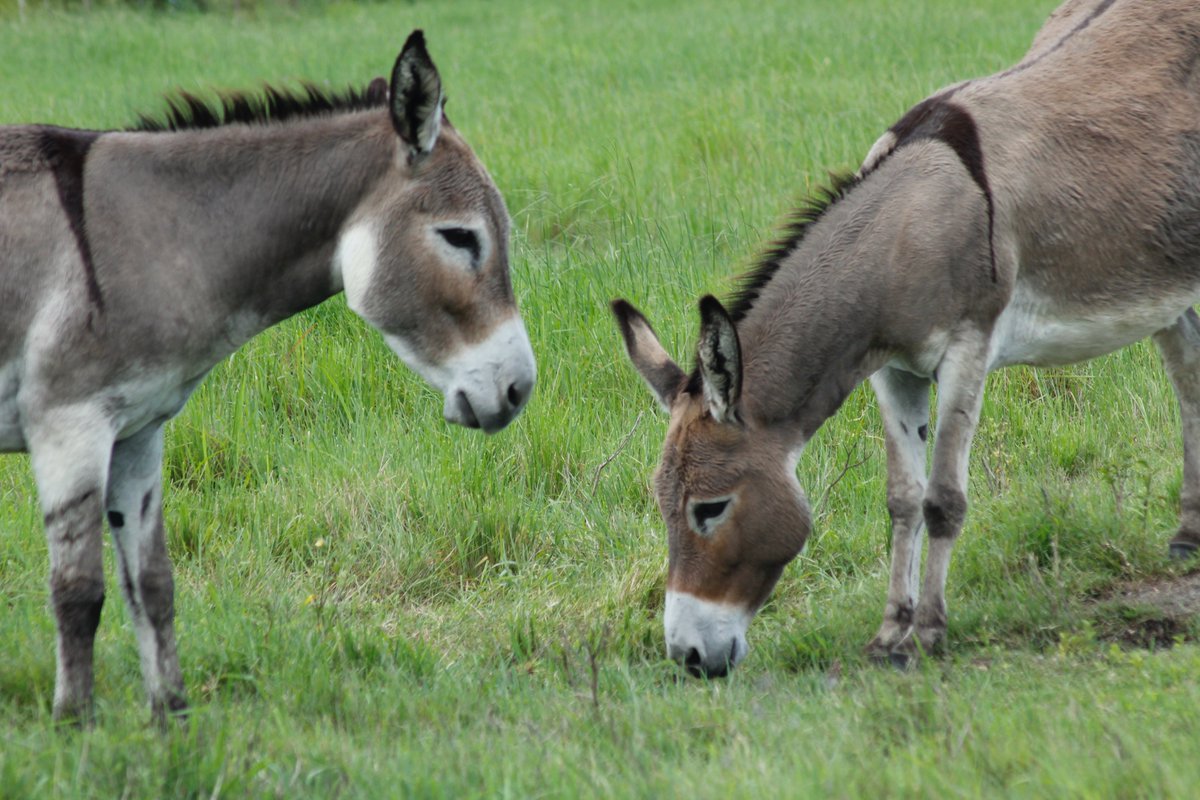
And Three From A Donkey."

~Chanakya

// A THREAD //

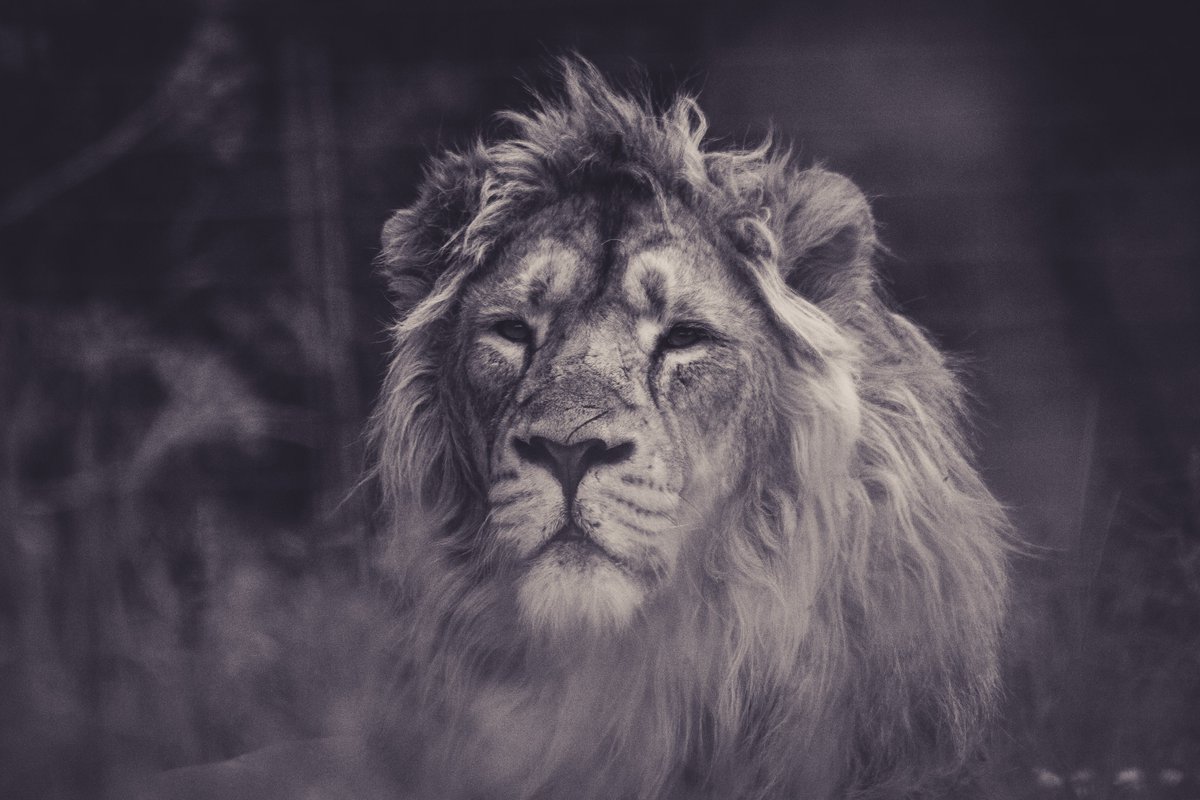
1) Lion-

"Whatever work, big or small
A man intends to do must be done
Doing the same with full strength and wholeheartedness
Is a quality that can be learned from a lion."
No work is too small nor too big to be accomplished. Don't assume a casual approach toward your responsibilities.

When you commit to doing something, do it with a sharp intellect and be focused.

This kind of Focus, Intensity, and strength makes a person a good leader
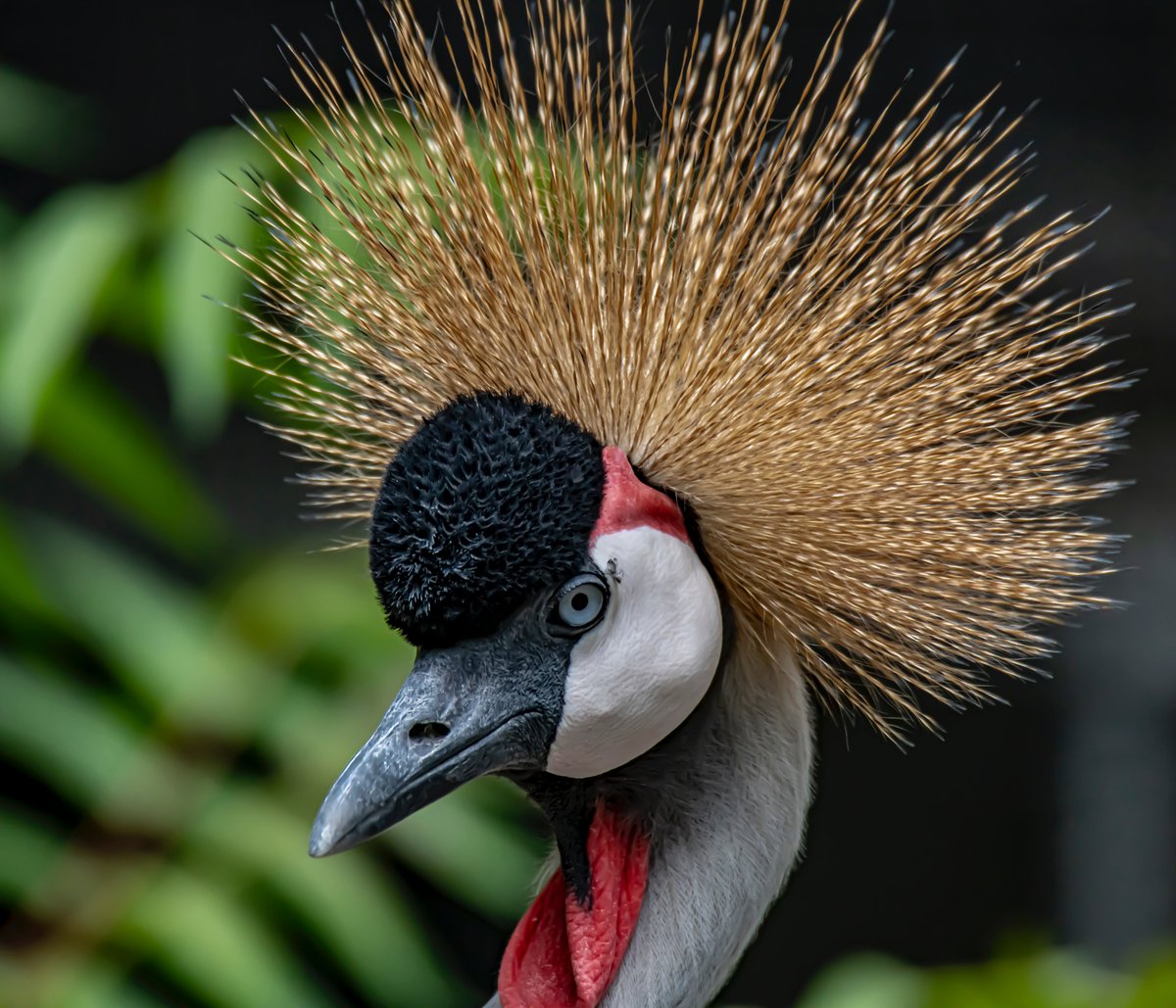
2) Crane

"A wise man should restrain
His senses like a crane
And accomplish his goals after
The due inspection of the place, time, and ability.
You should know your strength and weaknesses before trying to be wise.

Start a goal after a careful review of yourself and the goal.

Your goal should lie with your values.

'A wise man is one who has his senses controlled '

Having a focused mind is essential.
Before proceeding to take any action or run after a goal, you should assess its pros and cons. These include the appropriate time, place, and your own abilities.
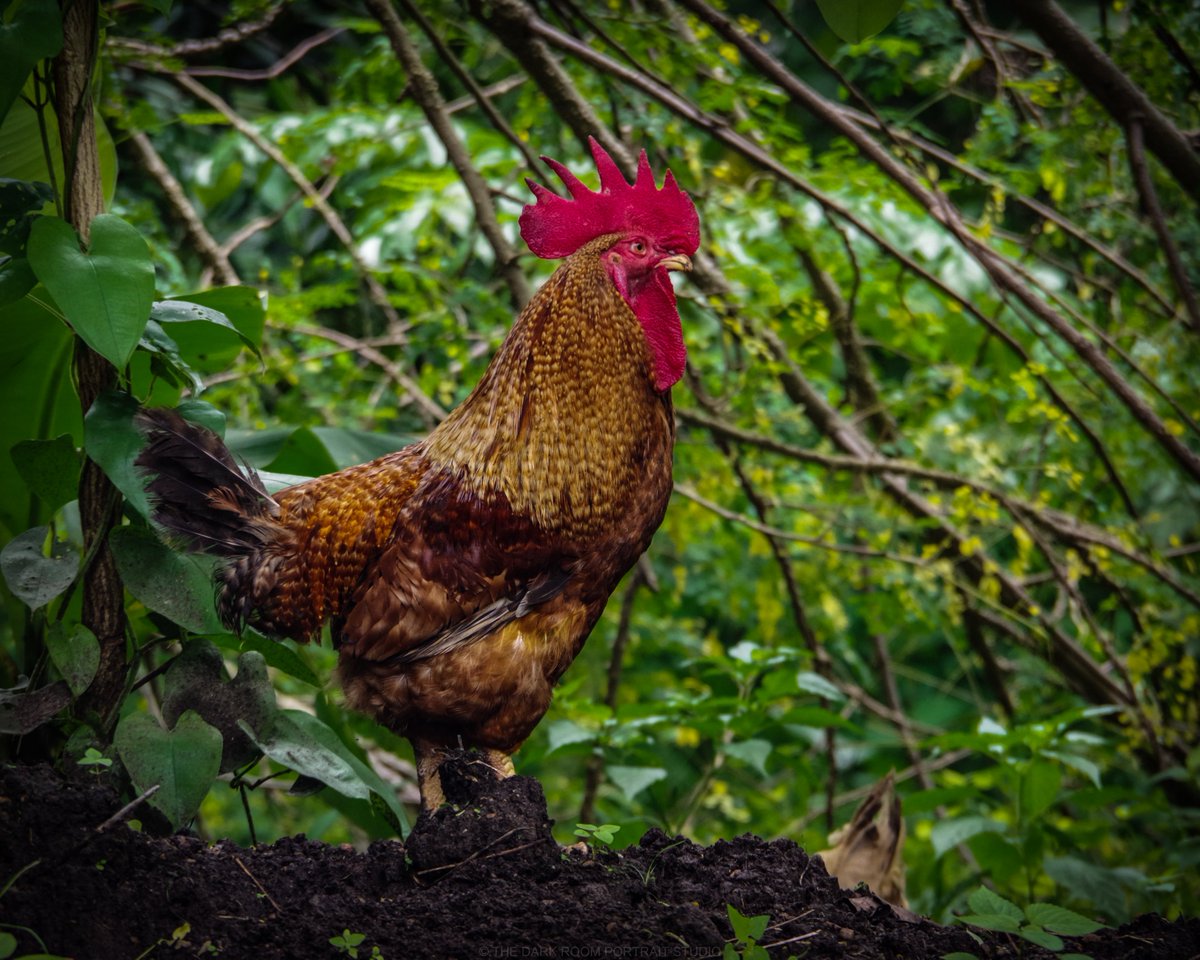
3) Cock

"To wake up early
To take a bold stand in a fight
To share anything evenly with relatives
And to own one's own bread through hard work
Are the things one can learn from a rooster."
If you need to go ahead in life, you need to grab opportunities first. A rooster always wakes early and rouses for others.

He is also unafraid to fight for what he wants.
Many people don't fight for their rights but one should always fight for the things that contain his right
Observe a rooster with his family. He struts around searching for food and when he gets a worm, he divides it equally.
One should always share his happiness, wealth with each other.

Also, he fends for himself and doesn't depend on someone else for his food.
4) Crow

"Making love in private
Boldness, storing away useful items
Watchfulness and not trusting anyone easily
These five qualities have to learn from a crow."
You will never catch a crow mating in public; as it as if the bird understands and respect the sanctity of intimacy.

One should be bold in one's outlook and should not worry about what others think.
A crow is extremely watchful. Haven't you noticed how a crow scans its surroundings, turning its head this way and that? Always be alert.

A crow also does not trust others easily.

Better safe than sorry should be your principle.
5) Dog

"A glutton but content with small
Deep sleeper but is awake at short call
Faithful to the master and bold
Take six virtues from the dog's fold.
A dog is fond of eating. On one hand, he is greedy for food but on the other hand, he is content with what food you give.

The lesson to learn- Aspire for more yet be happy with what one has.
A dog is always alert. He might be in deep sleep but he wakes quickly if something disturbs him.

He is faithful to his master.

Always be honest.
6) Donkey

" Though tired, a donkey carries his load
Indifferent to heat and cold
Grazes away with ease
Learn from the donkey these three qualities."
A donkey is considered to be a dim-witted animal.

But everyone has something to teach us.

A donkey is a beast of burden and carries heavy loads on its back. After some time the loads might hurt him or he feels pain but still, he doesn't stop.

He does not care about anything.
A donkey is indifferent to his circumstances. He does not panic under pressure.

He is an endurant animal.

He doesn't bother about what he eats. He grazes on whatever is available.

Same as that

A person should be happy with himself.
If you have found some value,

Please RT the first tweet

https://t.co/R5A4tzGy5l

More from Life

THREAD: 12 Things Everyone Should Know About IQ

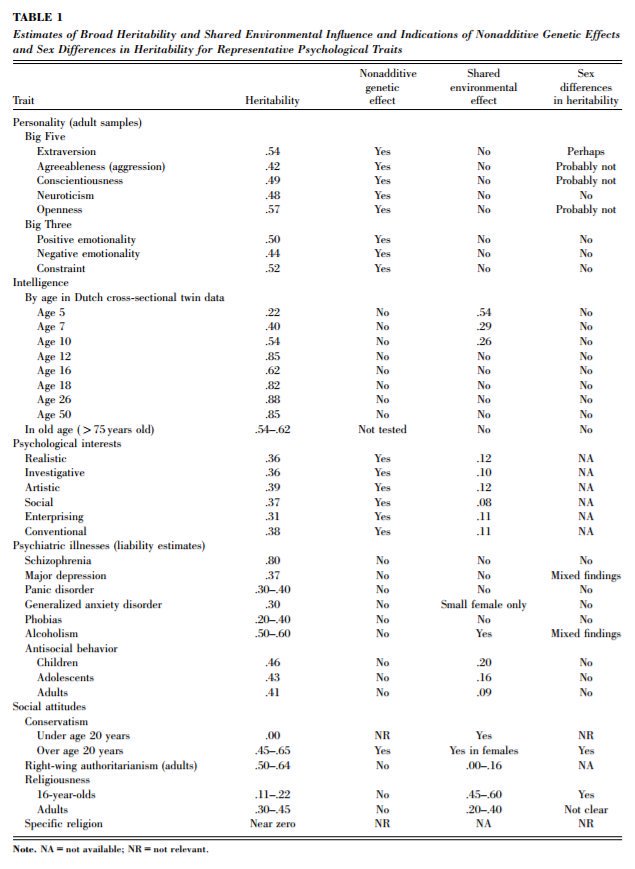
1. IQ is one of the most heritable psychological traits – that is, individual differences in IQ are strongly associated with individual differences in genes (at least in fairly typical modern environments). https://t.co/3XxzW9bxLE


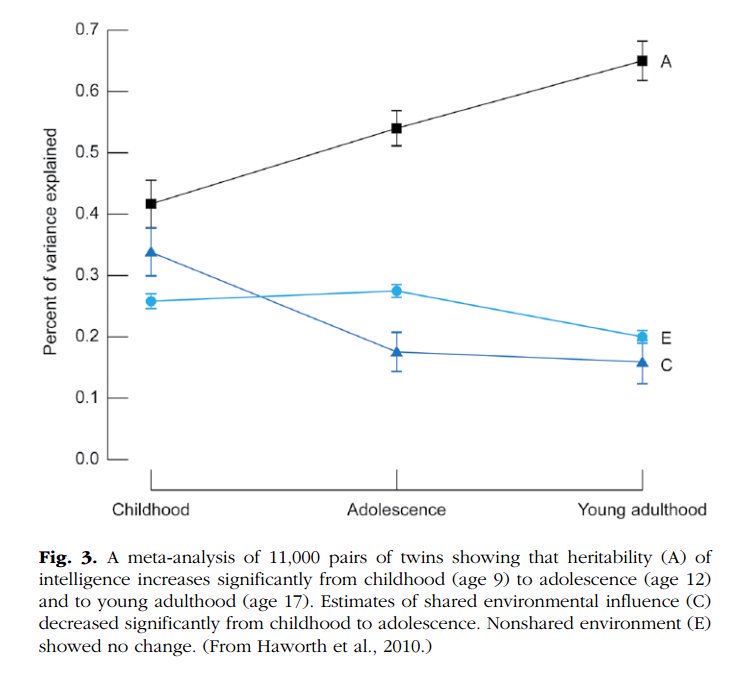
2. The heritability of IQ *increases* from childhood to adulthood. Meanwhile, the effect of the shared environment largely fades away. In other words, when it comes to IQ, nature becomes more important as we get older, nurture less.
https://t.co/UqtS1lpw3n


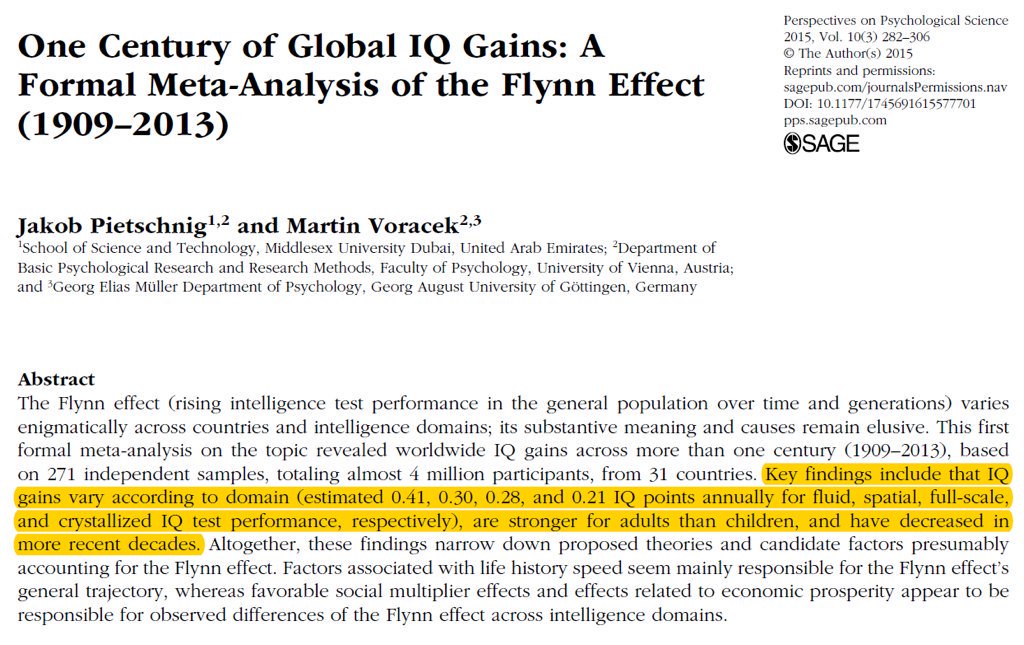
3. IQ scores have been increasing for the last century or so, a phenomenon known as the Flynn effect. https://t.co/sCZvCst3hw (N ≈ 4 million)

(Note that the Flynn effect shows that IQ isn't 100% genetic; it doesn't show that it's 100% environmental.)


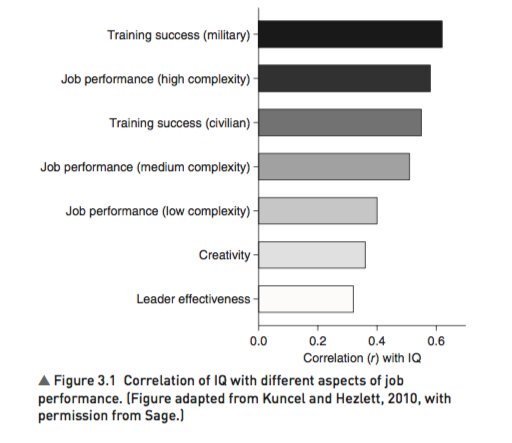
4. IQ predicts many important real world outcomes.

For example, though far from perfect, IQ is the single-best predictor of job performance we have – much better than Emotional Intelligence, the Big Five, Grit, etc. https://t.co/rKUgKDAAVx https://t.co/DWbVI8QSU3


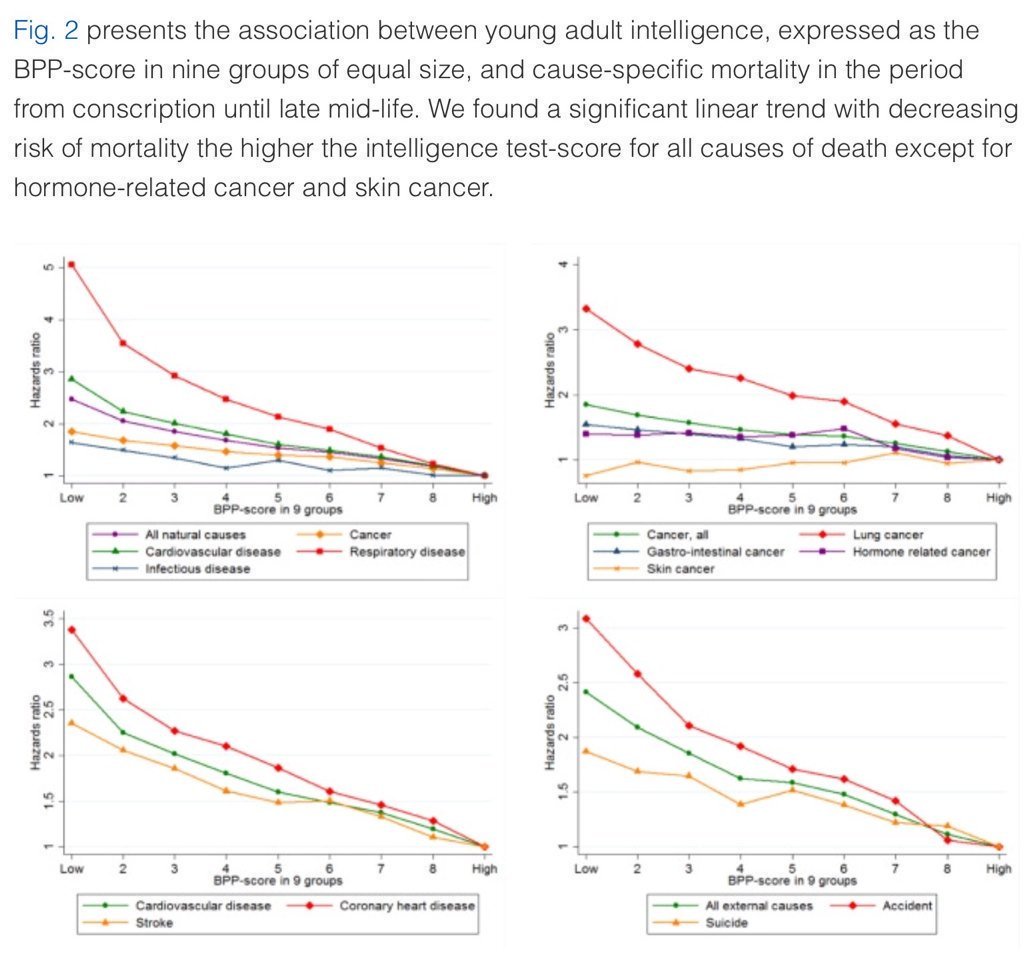
5. Higher IQ is associated with a lower risk of death from most causes, including cardiovascular disease, respiratory disease, most forms of cancer, homicide, suicide, and accident. https://t.co/PJjGNyeQRA (N = 728,160)

You May Also Like

1

From today, we will memorize the names of 27 Nakshatras in Vedic Jyotish to never forget in life.

I will write 4 names. Repeat them in SAME sequence twice in morning, noon, evening. Each day, revise new names + recall all previously learnt names.

Pls RT if you are in.

2

Today's Nakshatras are:-

1. Ashwini - अश्विनी

2. Bharani - भरणी

3. Krittika - कृत्तिका

4. Rohini - रोहिणी

Ashwini - अश्विनी is the FIRST Nakshatra.

Repeat these names TWICE now, tomorrow morning, noon and evening. Like this tweet if you have revised 8 times as told.

3

Today's Nakshatras are:-

5. Mrigashira - मृगशिरा

6. Ardra - आर्द्रा

7. Punarvasu - पुनर्वसु

8. Pushya - पुष्य

First recall previously learnt Nakshatras twice. Then recite these TWICE now, tomorrow morning, noon & evening in SAME order. Like this tweet only after doing so.

4

Today's Nakshatras are:-

9. Ashlesha - अश्लेषा

10. Magha - मघा

11. Purvaphalguni - पूर्वाफाल्गुनी

12. Uttaraphalguni - उत्तराफाल्गुनी

Purva means that comes before (P se Purva, P se pehele), and Uttara comes later.

Read next tweet too.

5

Purva, Uttara prefixes come in other Nakshatras too. Purva= pehele wala. Remember.

First recall previously learnt 8 Nakshatras twice. Then recite those in Tweet #4 TWICE now, tomorrow morning, noon & evening in SAME order. Like this tweet if you have read Tweets #4 & 5, both.
1/“What would need to be true for you to….X”

Why is this the most powerful question you can ask when attempting to reach an agreement with another human being or organization?

A thread, co-written by @deanmbrody:


2/ First, “X” could be lots of things. Examples: What would need to be true for you to

- “Feel it's in our best interest for me to be CMO"
- “Feel that we’re in a good place as a company”
- “Feel that we’re on the same page”
- “Feel that we both got what we wanted from this deal

3/ Normally, we aren’t that direct. Example from startup/VC land:

Founders leave VC meetings thinking that every VC will invest, but they rarely do.

Worse over, the founders don’t know what they need to do in order to be fundable.

4/ So why should you ask the magic Q?

To get clarity.

You want to know where you stand, and what it takes to get what you want in a way that also gets them what they want.

It also holds them (mentally) accountable once the thing they need becomes true.

5/ Staying in the context of soliciting investors, the question is “what would need to be true for you to want to invest (or partner with us on this journey, etc)?”

Multiple responses to this question are likely to deliver a positive result.