
It’s pupillage season with the Gateway opening. I’m not on the pupillage committee at @5SAHLaw but I do deal with mini-pupillages. This is a thread for aspiring barristers applying for both pupillages and mini-pupillages. I hope it helps some of you through a difficult process.
More from Legal

BREAKING: at least six men that provided security for Roger Stone entered the #Capitol during the siege, per a @nytimes visual investigation.
All six are associated with the far-right #OathKeepers militia.
THREAD 1/
Story: https://t.co/abZlcVyaR6
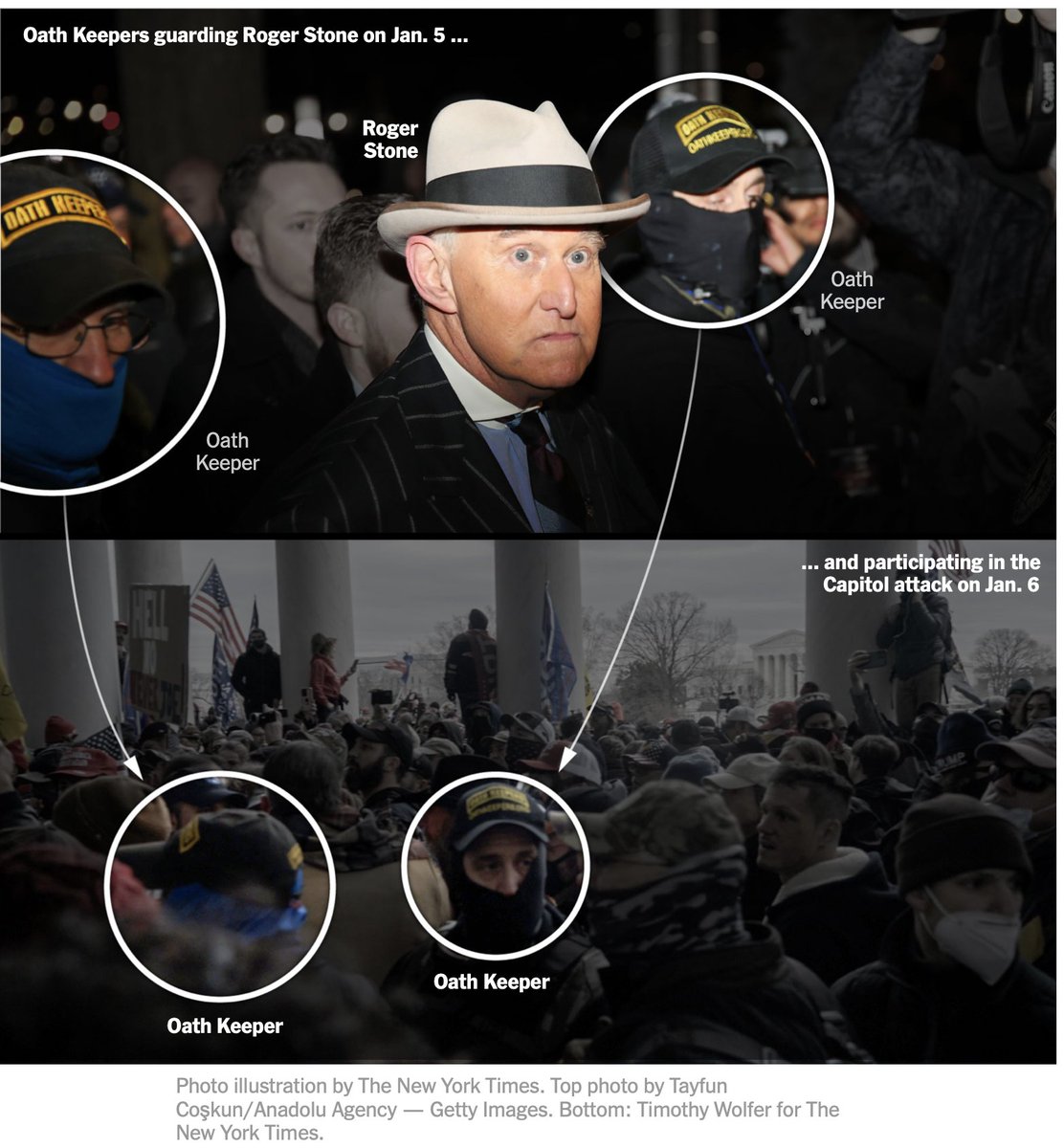
2/ On January 5th, Stone appeared at the Supreme Court, glad-handing and being driven in a go-kart. Later he attended a rally near the White House.
As the @nytimes team shows, his security entourage featured a host of #OathKeepers...
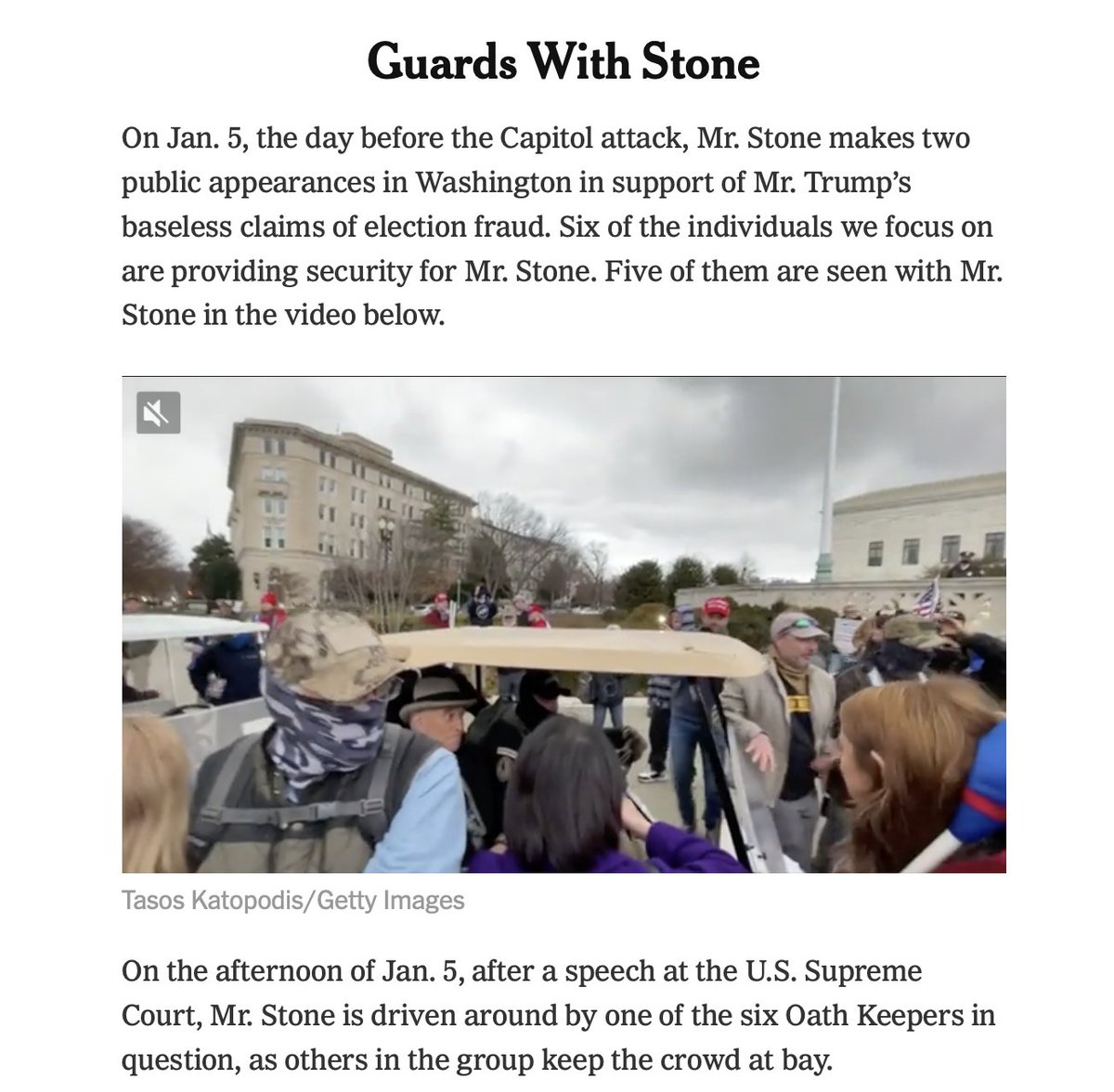
3/ In the morning of the 6th, Stone stood outside the Willard InterContinental hotel, again flanked by men associated with the #OathKeepers.
Some of them, like Rob Minuta, have been named in prior

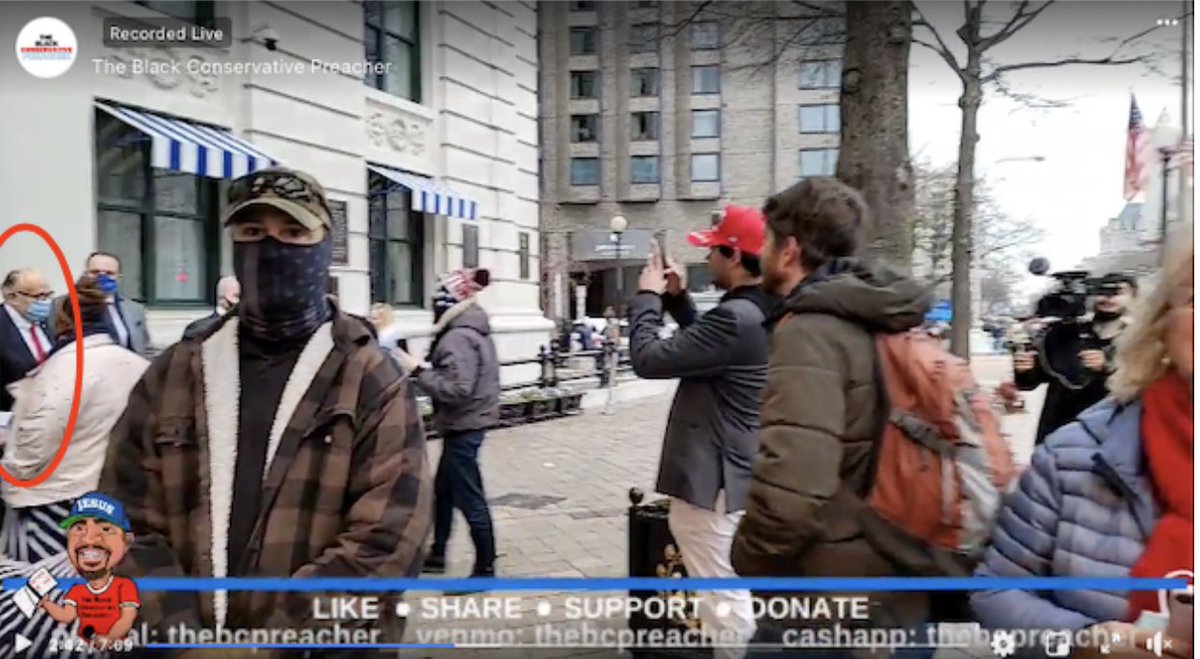
4/ Interesting detail: while scrutinizing the video of Roger Stone I spotted Rudy Giuliani exiting the same hotel.
Giuliani is accompanied by a man wearing the same outfit as Trump supporter John Eastman & other not-yet ID'd people.
Video source: https://t.co/Rure8TiQTp
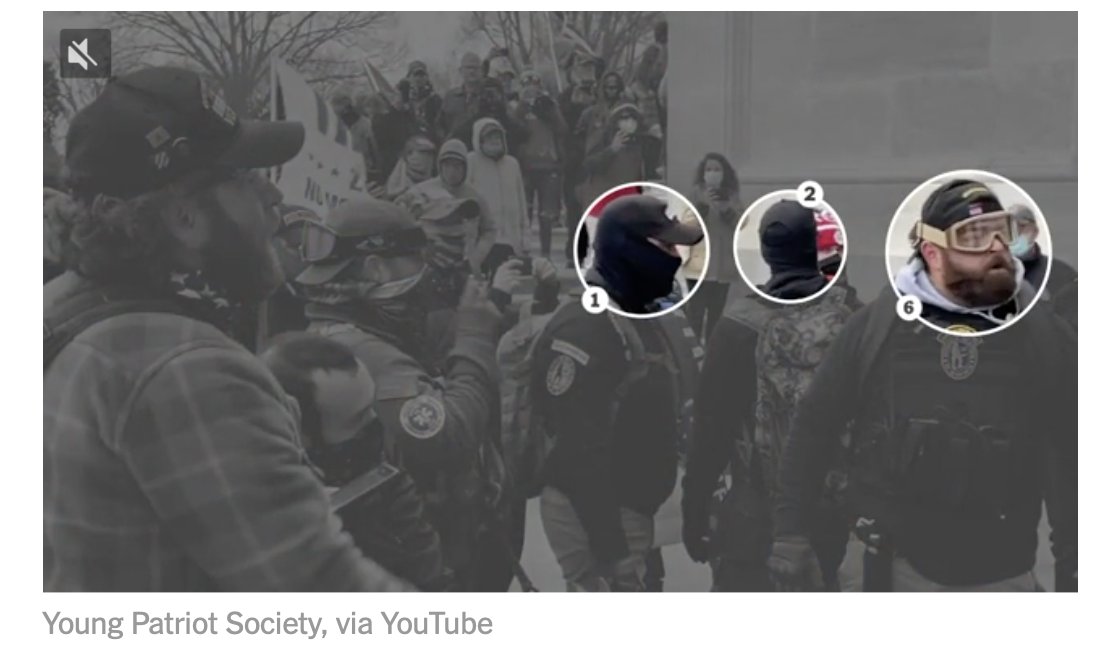
5/ Now to the #Capitol: We see a several of Roger Stone's #OathKeeper guards amidst a larger group yelling at police. Video surfaced by the @CTExposers team.👇👇
https://t.co/NWsONDz0OA
All six are associated with the far-right #OathKeepers militia.
THREAD 1/
Story: https://t.co/abZlcVyaR6
2/ On January 5th, Stone appeared at the Supreme Court, glad-handing and being driven in a go-kart. Later he attended a rally near the White House.
As the @nytimes team shows, his security entourage featured a host of #OathKeepers...
3/ In the morning of the 6th, Stone stood outside the Willard InterContinental hotel, again flanked by men associated with the #OathKeepers.
Some of them, like Rob Minuta, have been named in prior
NEW: Rob Minuta guarded Roger Stone Jan 6th...& was later seen at #Capitol siege..
— John Scott-Railton (@jsrailton) February 7, 2021
Now we know he has a history of escorting Trump allies like Flynn & Alex Jones. Also seen in December w/indicted Proud Boy #Spazzo.
THREAD
By @arawnsley
Link: https://t.co/8t38iOmgYP pic.twitter.com/dnRYZGuBCO
4/ Interesting detail: while scrutinizing the video of Roger Stone I spotted Rudy Giuliani exiting the same hotel.
Giuliani is accompanied by a man wearing the same outfit as Trump supporter John Eastman & other not-yet ID'd people.
Video source: https://t.co/Rure8TiQTp
5/ Now to the #Capitol: We see a several of Roger Stone's #OathKeeper guards amidst a larger group yelling at police. Video surfaced by the @CTExposers team.👇👇
https://t.co/NWsONDz0OA
Here's the footage of Roberto Minuta throwing a tantrum at the police, 1/6 at the east side of the Capitol (5:16 in the Youtube video link).
— Capitol Terrorists Exposers (@CTExposers) February 10, 2021
\u27a1\ufe0fhttps://t.co/rulMuaftCm pic.twitter.com/wz6A4zQLYT


Without jumping to conclusions, this is a strange coincident. Is someone trying to kill two birds with one stone?
If you don't get caught up in the noise of the media, you'll notice a few more things. The far-right Oath Keepers has been patrolling major cities with heavy weapons for weeks. They were present in numbers at the Capitol, but without weapons.
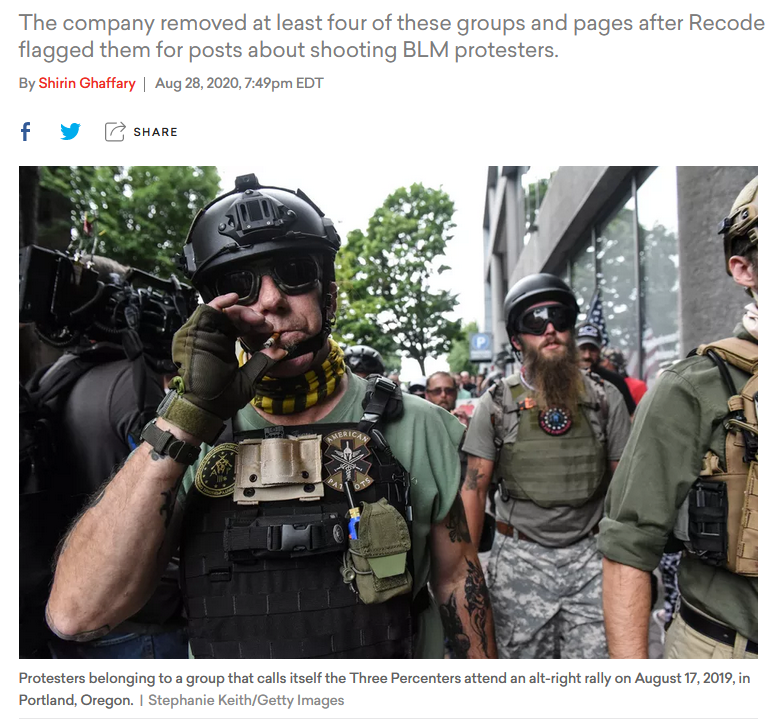
https://t.co/t7M1svIIMe
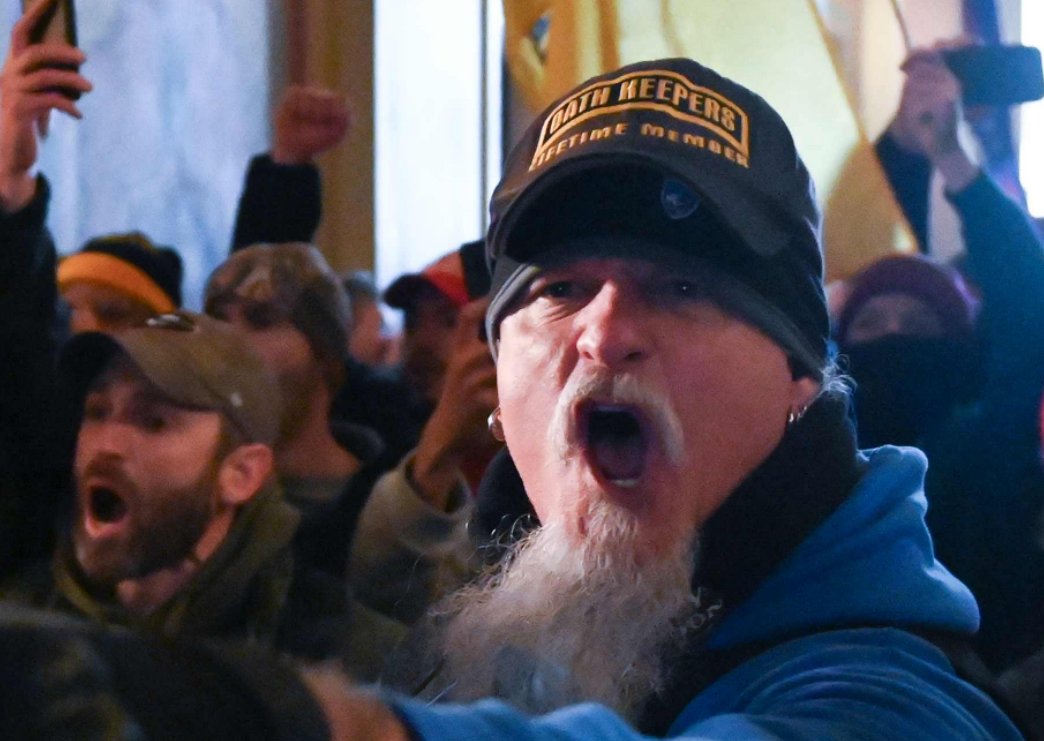
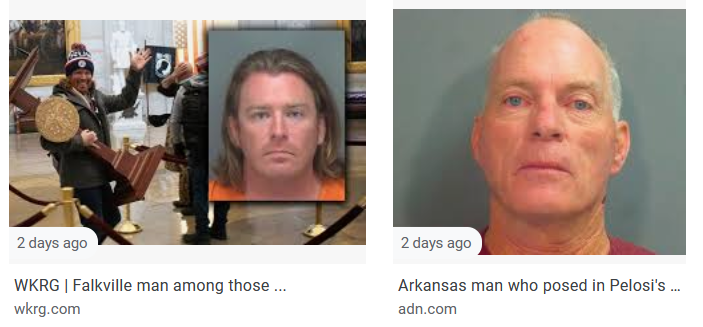
You find photos of the arrested vandals but strangely enough not of the one 70-year-old who allegedly had a truck full of weapons. And at least I couldn't find an image of that truck. But the old man was apparently very talkative to the police.
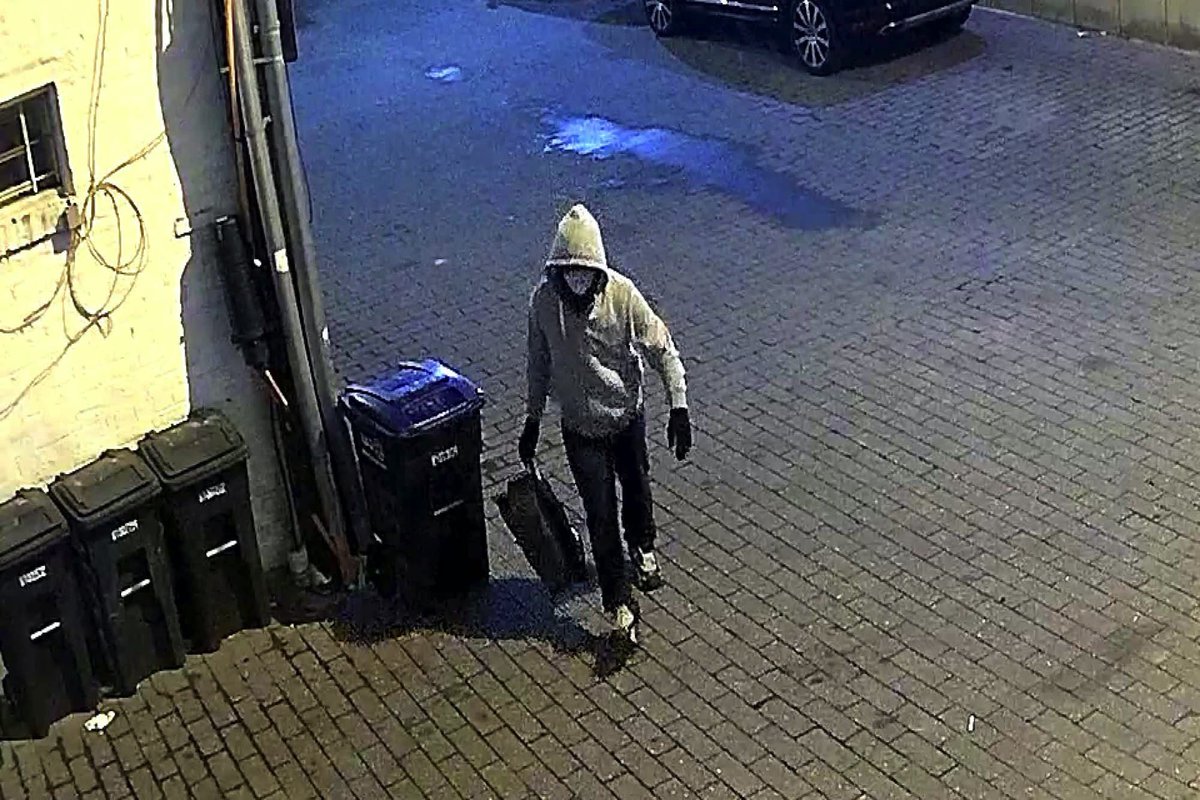
The most questionable aspect, however, is the FBI's search for a person who was apparently caught on a surveillance camera the previous night.
At that time, it was possible to predict a mass gathering, but not the riot.
If you want to know what really went on with last week's DC Protests, look at the role of the FBI and federal informants involved in the event.
— Patrick Henningsen (@21WIRE) January 11, 2021
This is fundamental, especially regarding the visible presence of masked provocateurs
Watch as more information emerges.
If you don't get caught up in the noise of the media, you'll notice a few more things. The far-right Oath Keepers has been patrolling major cities with heavy weapons for weeks. They were present in numbers at the Capitol, but without weapons.
https://t.co/t7M1svIIMe
You find photos of the arrested vandals but strangely enough not of the one 70-year-old who allegedly had a truck full of weapons. And at least I couldn't find an image of that truck. But the old man was apparently very talkative to the police.
The most questionable aspect, however, is the FBI's search for a person who was apparently caught on a surveillance camera the previous night.
At that time, it was possible to predict a mass gathering, but not the riot.


You May Also Like


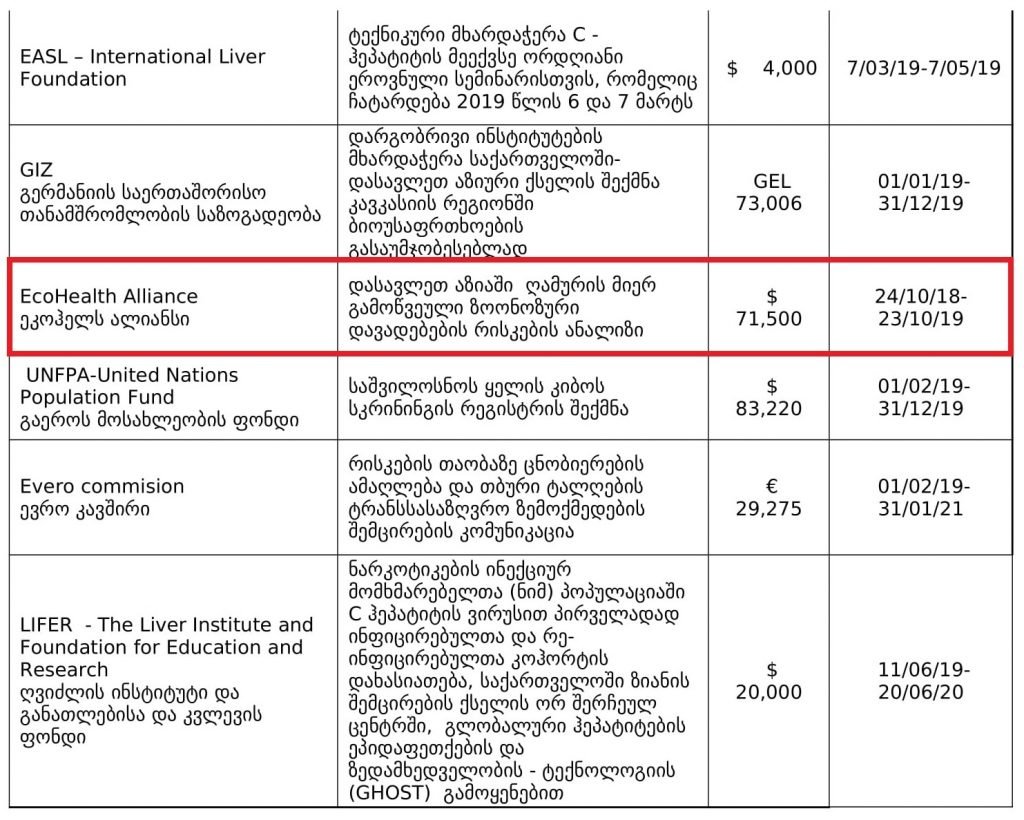
1. Project 1742 (EcoHealth/DTRA)
Risks of bat-borne zoonotic diseases in Western Asia
Duration: 24/10/2018-23 /10/2019
Funding: $71,500
@dgaytandzhieva
https://t.co/680CdD8uug
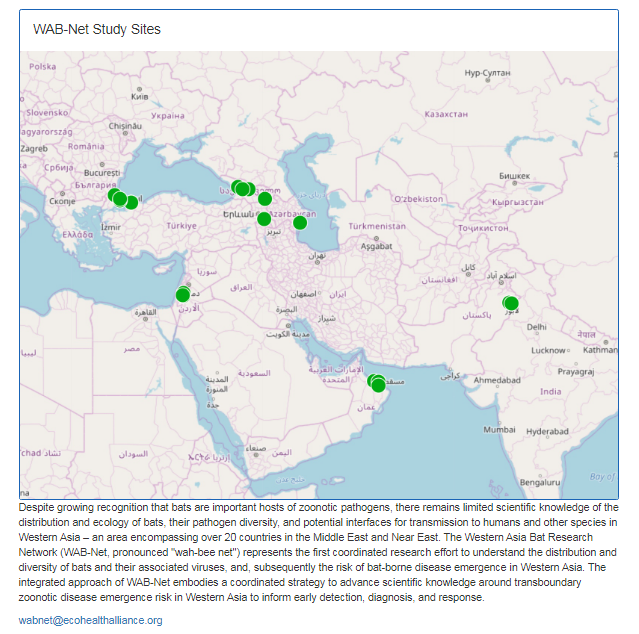
2. Bat Virus Database
Access to the database is limited only to those scientists participating in our ‘Bats and Coronaviruses’ project
Our intention is to eventually open up this database to the larger scientific community
https://t.co/mPn7b9HM48
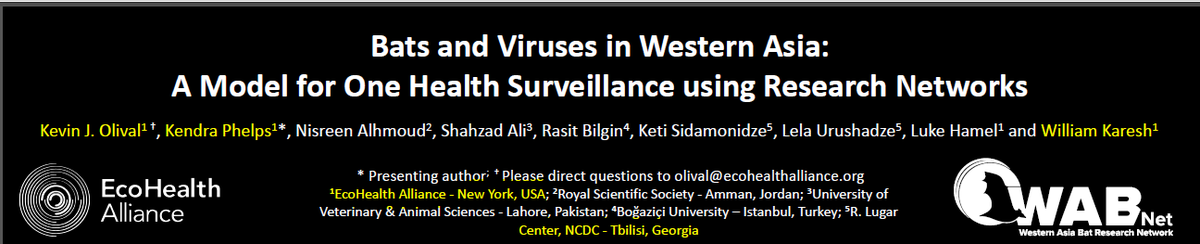
3. EcoHealth Alliance & DTRA Asking for Trouble
One Health research project focused on characterizing bat diversity, bat coronavirus diversity and the risk of bat-borne zoonotic disease emergence in the region.
https://t.co/u6aUeWBGEN
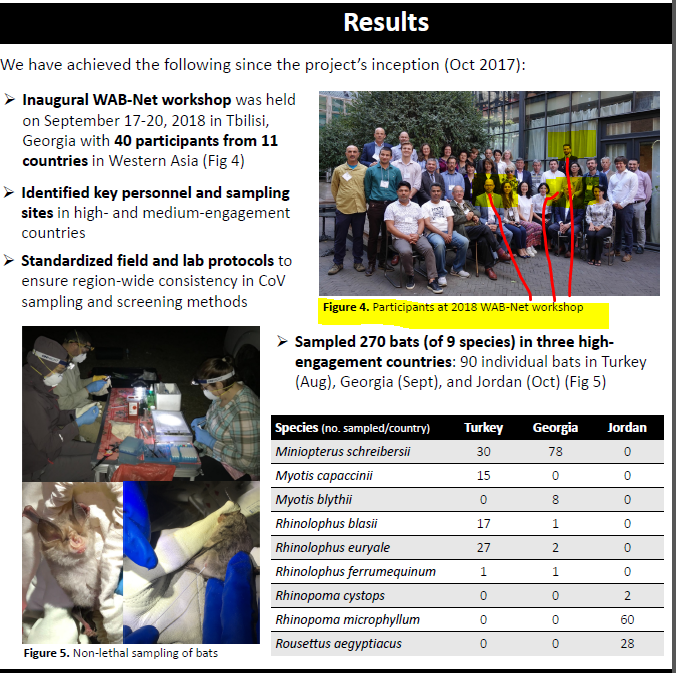
4. Phelps, Olival, Epstein, Karesh - EcoHealth/DTRA
5, Methods and Expected Outcomes
(Unexpected Outcome = New Coronavirus Pandemic)
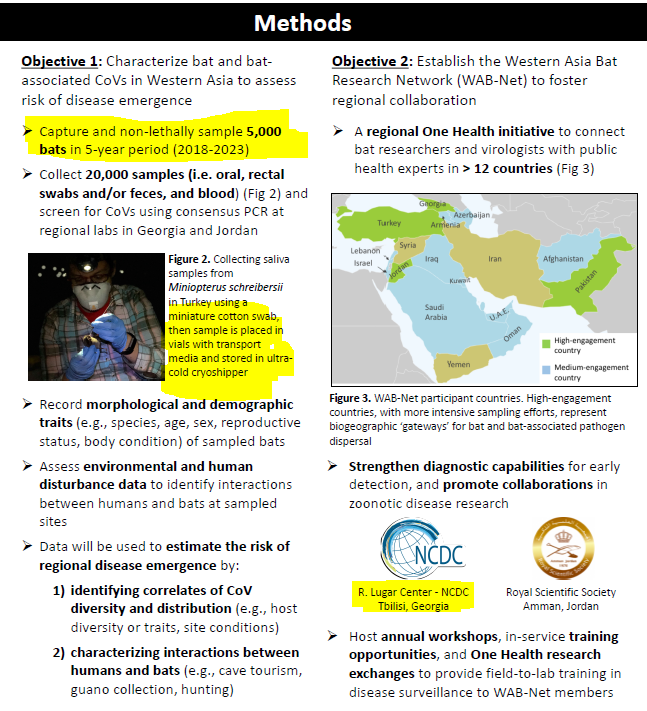
Risks of bat-borne zoonotic diseases in Western Asia
Duration: 24/10/2018-23 /10/2019
Funding: $71,500
@dgaytandzhieva
https://t.co/680CdD8uug
2. Bat Virus Database
Access to the database is limited only to those scientists participating in our ‘Bats and Coronaviruses’ project
Our intention is to eventually open up this database to the larger scientific community
https://t.co/mPn7b9HM48
3. EcoHealth Alliance & DTRA Asking for Trouble
One Health research project focused on characterizing bat diversity, bat coronavirus diversity and the risk of bat-borne zoonotic disease emergence in the region.
https://t.co/u6aUeWBGEN
4. Phelps, Olival, Epstein, Karesh - EcoHealth/DTRA
5, Methods and Expected Outcomes
(Unexpected Outcome = New Coronavirus Pandemic)

