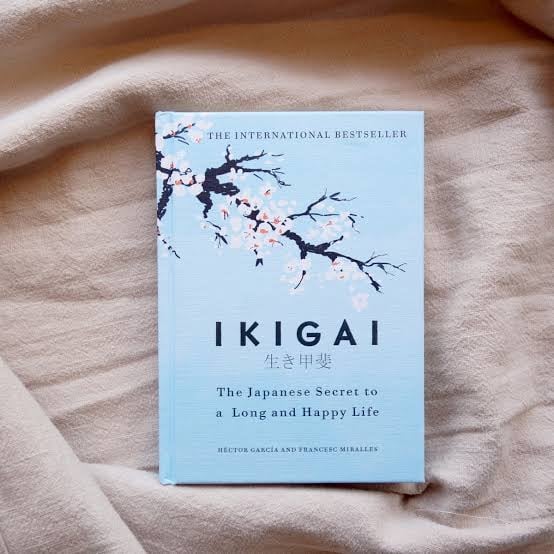
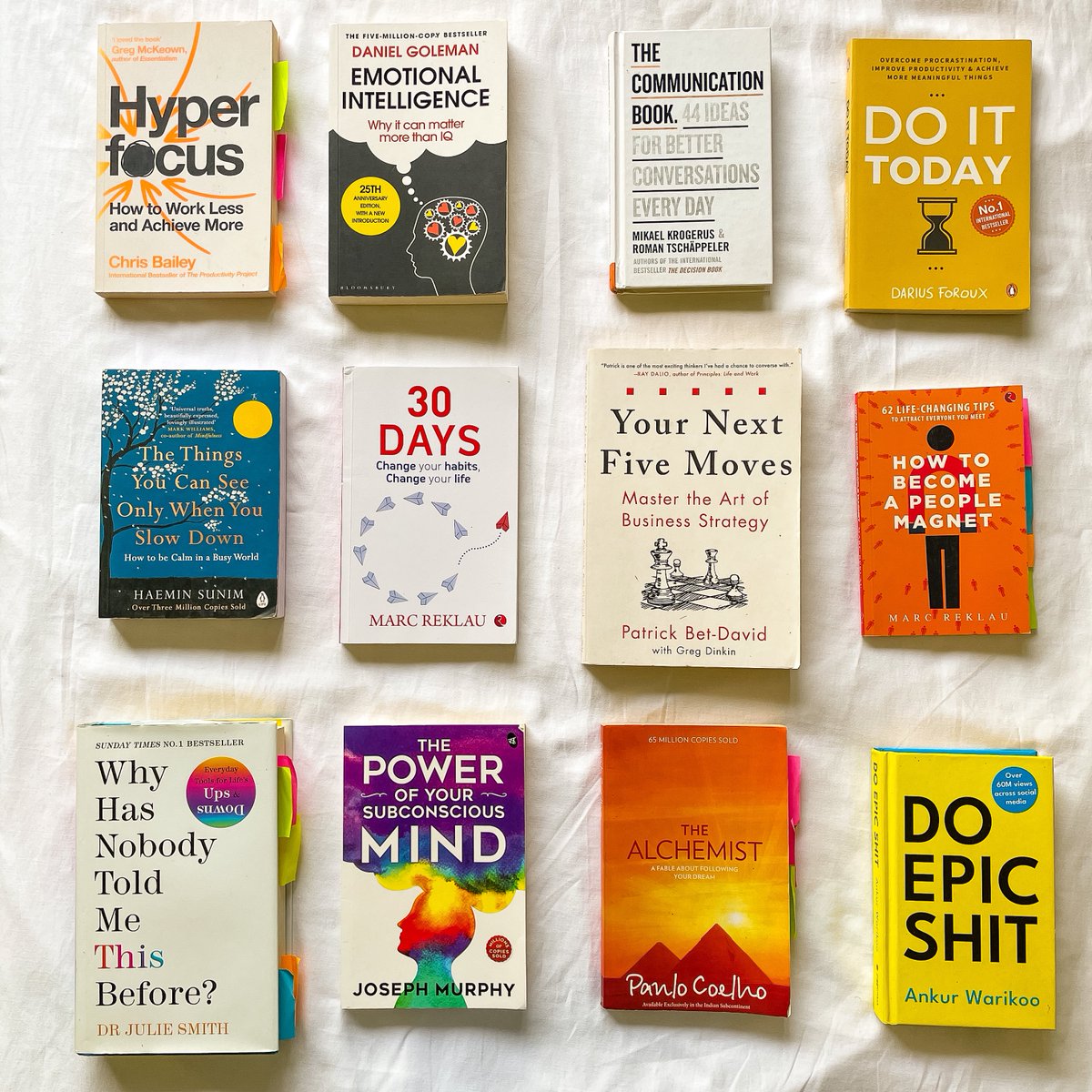
7 Books that Changed My Life:
- Winning
- Atomic Habits
- The Behavior Gap
- The Millionaire Mind
- How to Become a Rainmaker
- The Subtle Art of Not Giving a F*ck
- Mindset: The New Psychology of Success
What books changed your life?
More from Fiona | The Millennial Money Woman
More from Learning
After reading 100s of short and long ebooks,
We have shortlisted these ebooks every no-code learner should read:
#1 The No-code Revolution
https://t.co/reOSvnTOs6
The ebook from @webflow will provide an overview of the no-code movement and its importance.
It also provides insights on bringing no-code to your company and how it will impact the world!
#2 Zero to MVP with No-code
https://t.co/7JD6RQvocZ
The book written by @MakadiaHarsh, with 21 chapters, provides a complete guide to building no-code apps.
It also explains the difference between no-code, code, & low-code, and 120+ tools to build MVPs.
#3 The What's, How's, and Why's of No-code
https://t.co/YH5L6pJrW0
This book from @QuixyOfficial provides insights on no-code development, how it's different from other development, and why it is essential for stakeholders of an organization.
#4 No-code Ebook
https://t.co/PV6M9oMZCF
The book developed by @NeotaLogic explains the importance of no-code and provides advice on selecting the correct no-code platforms according to requirements.
We have shortlisted these ebooks every no-code learner should read:
#1 The No-code Revolution
https://t.co/reOSvnTOs6
The ebook from @webflow will provide an overview of the no-code movement and its importance.
It also provides insights on bringing no-code to your company and how it will impact the world!
#2 Zero to MVP with No-code
https://t.co/7JD6RQvocZ
The book written by @MakadiaHarsh, with 21 chapters, provides a complete guide to building no-code apps.
It also explains the difference between no-code, code, & low-code, and 120+ tools to build MVPs.
#3 The What's, How's, and Why's of No-code
https://t.co/YH5L6pJrW0
This book from @QuixyOfficial provides insights on no-code development, how it's different from other development, and why it is essential for stakeholders of an organization.
#4 No-code Ebook
https://t.co/PV6M9oMZCF
The book developed by @NeotaLogic explains the importance of no-code and provides advice on selecting the correct no-code platforms according to requirements.
Lifelong learning is a competitive advantage.
But contrary to what you’ve been told, lifelong learners are built, not born.
THREAD: 20 lifelong learning habits you can start developing today.
Stimulate Dynamically
The mind is a muscle - it needs to be stimulated dynamically to continue to grow.
Don’t rely on one “exercise” - develop a menu of options.
Write, read, listen, watch. Solve puzzles, play games. Enjoy it!
Stimulate dynamically, learn dynamically.
Build Learning Circles
The most powerful learning is communal, not individual.
Build learning circles with other intellectually curious minds.
Engage regularly with no set intention or goal.
Community is everything. Embrace it.
Keep Asking Why
“Why?” is the most useful tool in our learning toolkit.
But somewhere along the line, we are told to stop asking why and just accept “facts” as we are told them.
Reject the norm.
If you want to understand the world, take a cue from our kids - keep asking why!
Adopt a Process Orientation
Prioritize process.
Learn for the sake of learning, not always for a specific goal.
When you prioritize process, you become flexible in where you are headed.
Life is a winding, confusing journey - forward progress is all that matters.
But contrary to what you’ve been told, lifelong learners are built, not born.
THREAD: 20 lifelong learning habits you can start developing today.
Stimulate Dynamically
The mind is a muscle - it needs to be stimulated dynamically to continue to grow.
Don’t rely on one “exercise” - develop a menu of options.
Write, read, listen, watch. Solve puzzles, play games. Enjoy it!
Stimulate dynamically, learn dynamically.
Build Learning Circles
The most powerful learning is communal, not individual.
Build learning circles with other intellectually curious minds.
Engage regularly with no set intention or goal.
Community is everything. Embrace it.
Keep Asking Why
“Why?” is the most useful tool in our learning toolkit.
But somewhere along the line, we are told to stop asking why and just accept “facts” as we are told them.
Reject the norm.
If you want to understand the world, take a cue from our kids - keep asking why!
First principles thinking is a powerful mental model for driving non-linear outcomes. It also requires a willingness to ask difficult, uncomfortable questions.
— Sahil Bloom (@SahilBloom) March 14, 2021
Here are a few to help you get started: pic.twitter.com/KyuAr7IUf7
Adopt a Process Orientation
Prioritize process.
Learn for the sake of learning, not always for a specific goal.
When you prioritize process, you become flexible in where you are headed.
Life is a winding, confusing journey - forward progress is all that matters.
You May Also Like
A brief analysis and comparison of the CSS for Twitter's PWA vs Twitter's legacy desktop website. The difference is dramatic and I'll touch on some reasons why.
Legacy site *downloads* ~630 KB CSS per theme and writing direction.
6,769 rules
9,252 selectors
16.7k declarations
3,370 unique declarations
44 media queries
36 unique colors
50 unique background colors
46 unique font sizes
39 unique z-indices
https://t.co/qyl4Bt1i5x
PWA *incrementally generates* ~30 KB CSS that handles all themes and writing directions.
735 rules
740 selectors
757 declarations
730 unique declarations
0 media queries
11 unique colors
32 unique background colors
15 unique font sizes
7 unique z-indices
https://t.co/w7oNG5KUkJ
The legacy site's CSS is what happens when hundreds of people directly write CSS over many years. Specificity wars, redundancy, a house of cards that can't be fixed. The result is extremely inefficient and error-prone styling that punishes users and developers.
The PWA's CSS is generated on-demand by a JS framework that manages styles and outputs "atomic CSS". The framework can enforce strict constraints and perform optimisations, which is why the CSS is so much smaller and safer. Style conflicts and unbounded CSS growth are avoided.
Legacy site *downloads* ~630 KB CSS per theme and writing direction.
6,769 rules
9,252 selectors
16.7k declarations
3,370 unique declarations
44 media queries
36 unique colors
50 unique background colors
46 unique font sizes
39 unique z-indices
https://t.co/qyl4Bt1i5x
PWA *incrementally generates* ~30 KB CSS that handles all themes and writing directions.
735 rules
740 selectors
757 declarations
730 unique declarations
0 media queries
11 unique colors
32 unique background colors
15 unique font sizes
7 unique z-indices
https://t.co/w7oNG5KUkJ
The legacy site's CSS is what happens when hundreds of people directly write CSS over many years. Specificity wars, redundancy, a house of cards that can't be fixed. The result is extremely inefficient and error-prone styling that punishes users and developers.
The PWA's CSS is generated on-demand by a JS framework that manages styles and outputs "atomic CSS". The framework can enforce strict constraints and perform optimisations, which is why the CSS is so much smaller and safer. Style conflicts and unbounded CSS growth are avoided.