The debate over law and order comes to the forefront yet again. Law and order - both can be maintained with equal zeal. One needs to take precedence over the other. Will that be Order over Law or Law over Order?
We have watched and waited too long for the government to punish. It never happens and even in some cases it does it lakes too long,and many more crimes are done in the meantime. Quick justice like this is the best way out.
— Ratna murlidharan (@Ratnamurlidhar2) January 2, 2021
More from Law

This is what he wants to do.
No matter how this trial plays out, the US will remain divided between those who choose truth, Democracy, and rule of law and the millions who reject these things.
1/
The question is how to move forward.
My mantra is that there are no magic bullets and these people will always be with us.
Except for state legislatures, they have less power now than they have for a while.
2/
The only real and lasting solutions are political ones. Get Democrats into local offices. Get people who want democracy to survive to the polls at every election, at every level.
It’s a constant battle.
3/
Maybe I should tell you all about Thurgood Marshall’s life to illustrate how hard the task is and how there will be backlash after each step of progress.
4/
Precisely. That's why Thurgood Marshall's life came to mind.
We are still riding the backlash that started after the Supreme Court decision in Brown v. Board of Education.
That's why I keep saying there are no easy
No matter how this trial plays out, the US will remain divided between those who choose truth, Democracy, and rule of law and the millions who reject these things.
1/
Wouldn't he just use this to repeat his Big Lie and have GOP echo him?
— Thel Marquez (@theljava) January 31, 2021
The question is how to move forward.
My mantra is that there are no magic bullets and these people will always be with us.
Except for state legislatures, they have less power now than they have for a while.
2/
The only real and lasting solutions are political ones. Get Democrats into local offices. Get people who want democracy to survive to the polls at every election, at every level.
It’s a constant battle.
3/
Maybe I should tell you all about Thurgood Marshall’s life to illustrate how hard the task is and how there will be backlash after each step of progress.
4/
Precisely. That's why Thurgood Marshall's life came to mind.
We are still riding the backlash that started after the Supreme Court decision in Brown v. Board of Education.
That's why I keep saying there are no easy
Yep. My relatives continue to support Trump and make false equivalencies as justification. I\u2019ve found it impossible to present factual information that changes minds. Trump\u2019s emotional appeal registers with them: that things were better before civil rights advances.
— Martha Brockenbrough INTO THE BLOODRED WOODS (@mbrockenbrough) January 31, 2021

Pretty much every professional field EXCEPT police have clear, rigorous, transparent consequences for unethical behavior, negligence and malpractice.
The idea that we can "disbar" lawyers but not police is absolute foolishness.
All the factors that make disbarment a necessary tool for lawyers apply to cops... except that cops don't need to be qualified in the first place.
It is a rank absurdity of the criminal justice system that one needs to be educated and certified with a degree in order to argue on behalf of someone's life in court, but to have no qualifications necessary to detain, assault, or prematurely end that same life.
There are countless circumstances in which a lawyer's unethical behavior will result in them not only losing their job but never being able to practice it again.
But corrupt and murderous cops can be rehired indefinitely.
A lawyer's entire career can be ended forever if they were found to have knowingly put someone on a stand to lie.
Police officers however are allowed to lie in court on the stand under oath.
So much that lawyers aren't penalized for putting cops on the stand to lie.
And as a former EMT let me tell you, you will find dropout cops in training classes that just want power over people - difference is our system has CONSEQUENCES for negligence and malpractice. We get the same chuds every now and then but they still have to help or else.
— Love Potion No. Nines (@NineJackals) January 29, 2021
The idea that we can "disbar" lawyers but not police is absolute foolishness.
All the factors that make disbarment a necessary tool for lawyers apply to cops... except that cops don't need to be qualified in the first place.
It is a rank absurdity of the criminal justice system that one needs to be educated and certified with a degree in order to argue on behalf of someone's life in court, but to have no qualifications necessary to detain, assault, or prematurely end that same life.
There are countless circumstances in which a lawyer's unethical behavior will result in them not only losing their job but never being able to practice it again.
But corrupt and murderous cops can be rehired indefinitely.
A lawyer's entire career can be ended forever if they were found to have knowingly put someone on a stand to lie.
Police officers however are allowed to lie in court on the stand under oath.
So much that lawyers aren't penalized for putting cops on the stand to lie.


I was right. "Lawyer" starts out with name-calling and an insistence that trial is "unconstitutional". He's saying Trump's 1/6 speech was rather bland, and pretending that was the only thing the House managers talked about, and the managers were "slanderous."
Bilious bullshit.
"Lawyer" is arguing that since there were objections raised by Democrats to some of the vote counts in 2016, that means Trump didn't engage in sedition.
I'm not sure how that logic works.
Now they're running a Trump campaign commercial.
A bunch of whataboutism, contrasting patriotic music behind Trump's racist dogwhistles about "law and order" against Democrats making firey speeches with dark music.
He went to the moronic Gym Jordan argument that Trump couldn't have instigated insurrection if the violence was gonna happen anyway (without acknowledging Trump had been encouraging and building up to that violence for close to a year).
Bilious bullshit.
Trump's "lawyers" won't offer any sort of defense.
— DCPetterson (@dcpetterson) February 12, 2021
They will distract, deflect, distort and dissemble.
They'll engage in whataboutism and name-calling.
They'll call the trial "unconstitutional," even though the Senate decided it wasn't.
They won't engage with the facts.
"Lawyer" is arguing that since there were objections raised by Democrats to some of the vote counts in 2016, that means Trump didn't engage in sedition.
I'm not sure how that logic works.
Now they're running a Trump campaign commercial.
A bunch of whataboutism, contrasting patriotic music behind Trump's racist dogwhistles about "law and order" against Democrats making firey speeches with dark music.
He went to the moronic Gym Jordan argument that Trump couldn't have instigated insurrection if the violence was gonna happen anyway (without acknowledging Trump had been encouraging and building up to that violence for close to a year).


You May Also Like

THE MEANING, SIGNIFICANCE AND HISTORY OF SWASTIK
The Swastik is a geometrical figure and an ancient religious icon. Swastik has been Sanatan Dharma’s symbol of auspiciousness – mangalya since time immemorial.
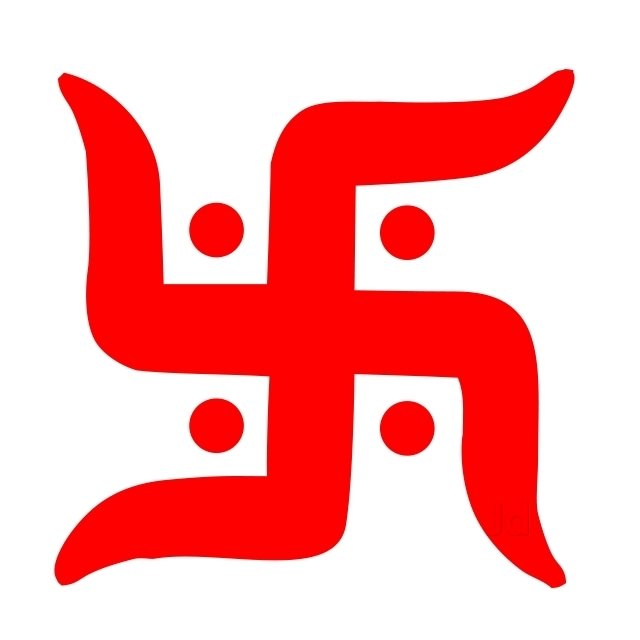
The name swastika comes from Sanskrit (Devanagari: स्वस्तिक, pronounced: swastik) &denotes “conducive to wellbeing or auspicious”.
The word Swastik has a definite etymological origin in Sanskrit. It is derived from the roots su – meaning “well or auspicious” & as meaning “being”.
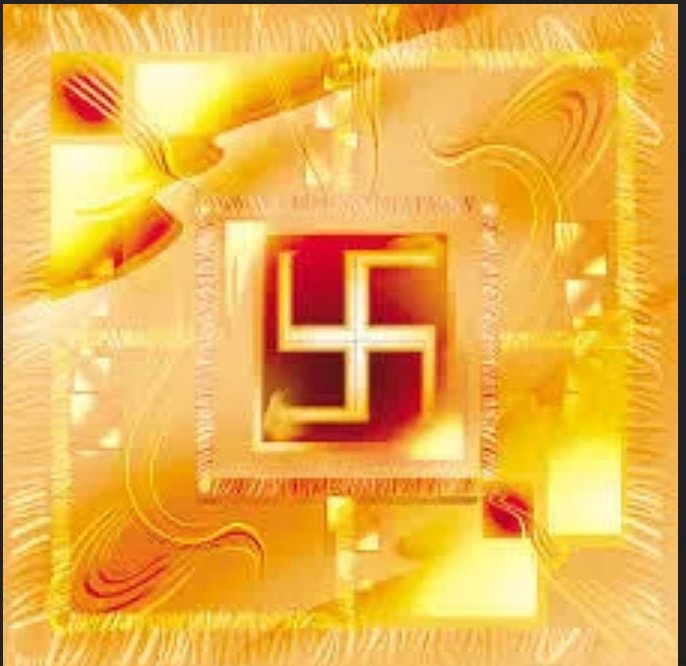
"सु अस्ति येन तत स्वस्तिकं"
Swastik is de symbol through which everything auspicios occurs
Scholars believe word’s origin in Vedas,known as Swasti mantra;
"🕉स्वस्ति ना इन्द्रो वृधश्रवाहा
स्वस्ति ना पूषा विश्ववेदाहा
स्वस्तिनास्तरक्ष्यो अरिश्तनेमिही
स्वस्तिनो बृहस्पतिर्दधातु"
It translates to," O famed Indra, redeem us. O Pusha, the beholder of all knowledge, redeem us. Redeem us O Garudji, of limitless speed and O Bruhaspati, redeem us".
SWASTIK’s COSMIC ORIGIN
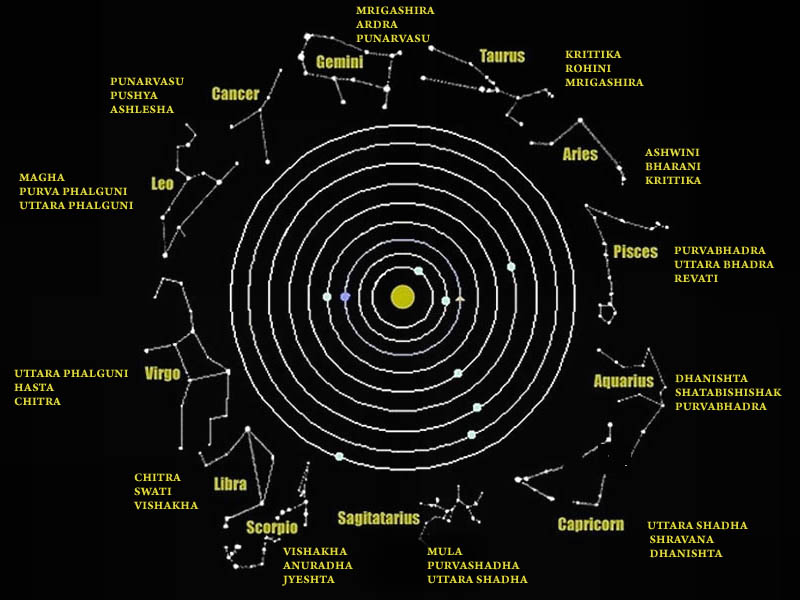
The Swastika represents the living creation in the whole Cosmos.
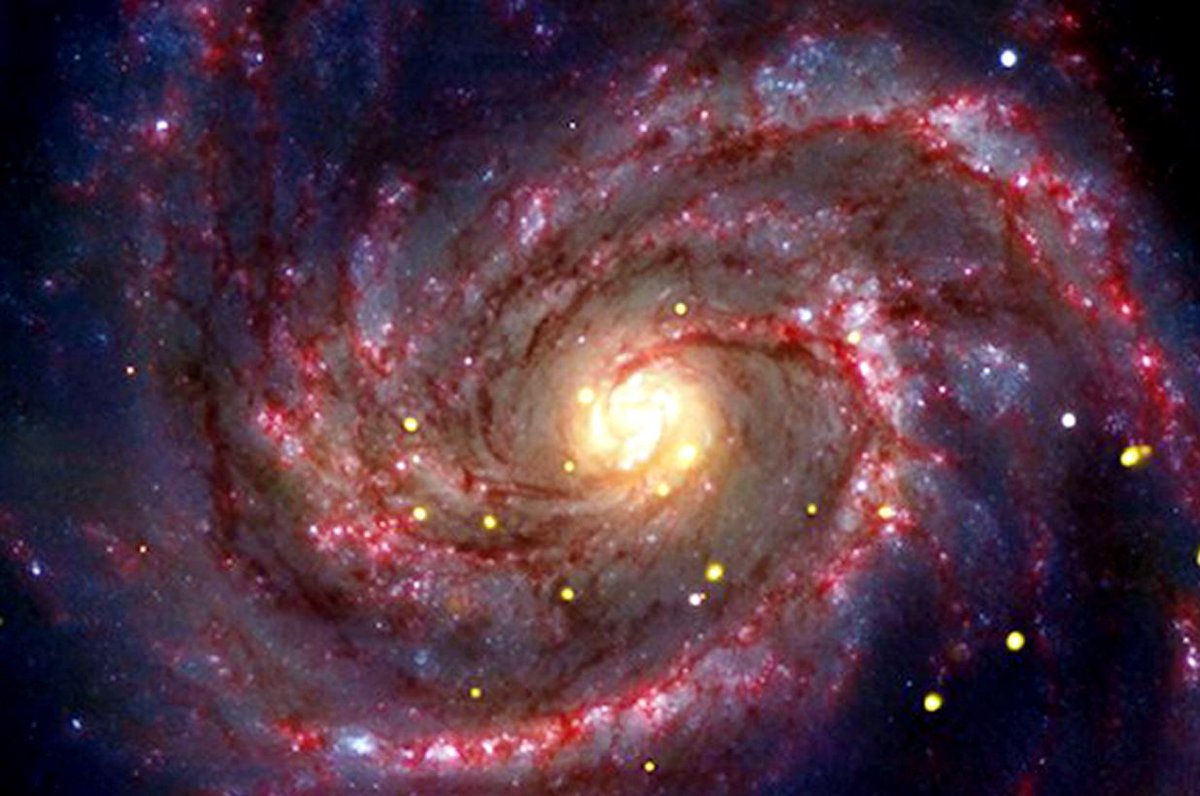
Hindu astronomers divide the ecliptic circle of cosmos in 27 divisions called https://t.co/sLeuV1R2eQ this manner a cross forms in 4 directions in the celestial sky. At centre of this cross is Dhruva(Polestar). In a line from Dhruva, the stars known as Saptarishi can be observed.
The Swastik is a geometrical figure and an ancient religious icon. Swastik has been Sanatan Dharma’s symbol of auspiciousness – mangalya since time immemorial.
The name swastika comes from Sanskrit (Devanagari: स्वस्तिक, pronounced: swastik) &denotes “conducive to wellbeing or auspicious”.
The word Swastik has a definite etymological origin in Sanskrit. It is derived from the roots su – meaning “well or auspicious” & as meaning “being”.
"सु अस्ति येन तत स्वस्तिकं"
Swastik is de symbol through which everything auspicios occurs
Scholars believe word’s origin in Vedas,known as Swasti mantra;
"🕉स्वस्ति ना इन्द्रो वृधश्रवाहा
स्वस्ति ना पूषा विश्ववेदाहा
स्वस्तिनास्तरक्ष्यो अरिश्तनेमिही
स्वस्तिनो बृहस्पतिर्दधातु"
It translates to," O famed Indra, redeem us. O Pusha, the beholder of all knowledge, redeem us. Redeem us O Garudji, of limitless speed and O Bruhaspati, redeem us".
SWASTIK’s COSMIC ORIGIN
The Swastika represents the living creation in the whole Cosmos.
Hindu astronomers divide the ecliptic circle of cosmos in 27 divisions called https://t.co/sLeuV1R2eQ this manner a cross forms in 4 directions in the celestial sky. At centre of this cross is Dhruva(Polestar). In a line from Dhruva, the stars known as Saptarishi can be observed.