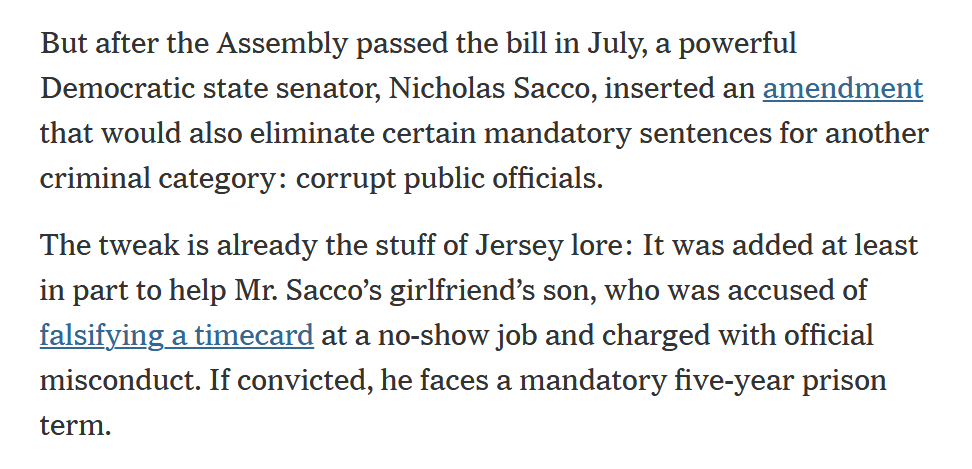
Let’s talk about this story. It discusses a NJ bill that is designed to make sentencing less harsh. The bill is being held up because a lawmaker introduced an amendment that would eliminate the mandatory minimum for one type of corruption.
We've seen the story before, and it sends us a different message.
The "I only realized when" framing tells us that we aren't paying enough attention to harshness & more reform is probably needed.
As someone who researches the statutory language of criminal laws, this law makes me very uncomfortable. The conduct is not well defined--look at that "clearly inherent" language. Yikes!
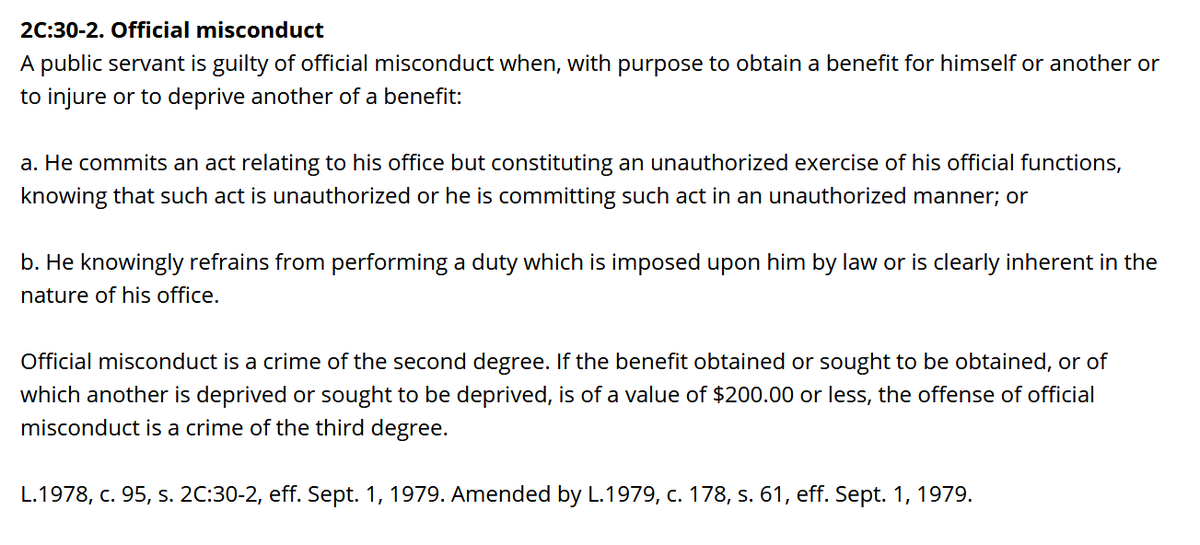
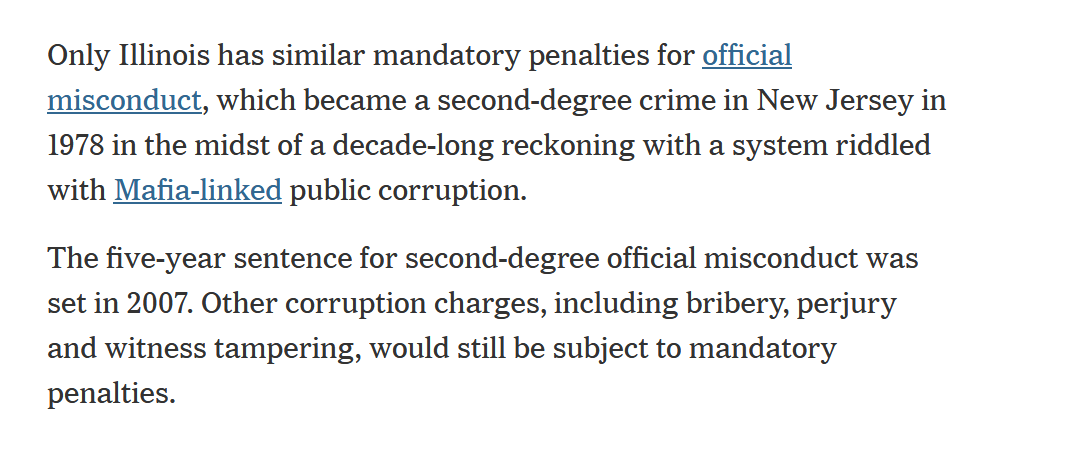
And if we are going to have a relatively vague law, do we want it to carry a 5 year mandatory sentence?
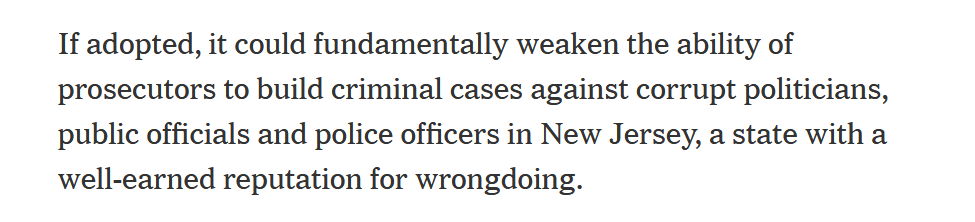
If the implication is supposed to be that judges as appointees can't be trusted, I wish it had mentioned that NJ prosecutors are selected the same way
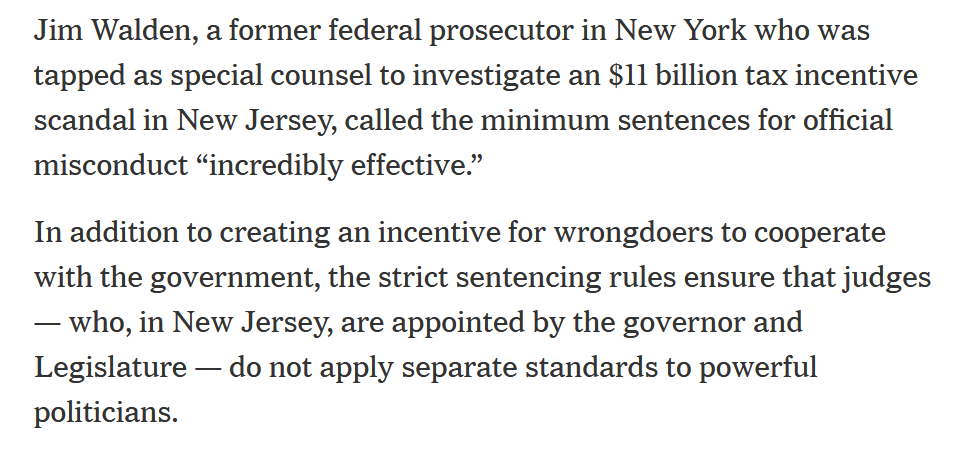
The article never mentions that mandatory minimums are about shifting power over punishment decisions from judges to prosecutors.
But that's exactly what they do.
The argument is deterrence. If you know crime X carries Y mandatory minimum, then you are less likely to commit crime X.
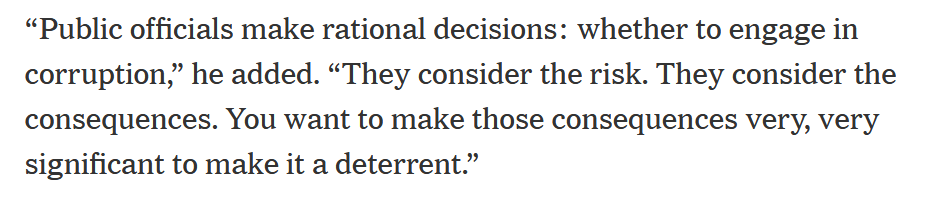
The truth is that human beings don't really think like this. And the idea that people will be less likely to commit crimes because of higher punishments has been debunked lots of times.
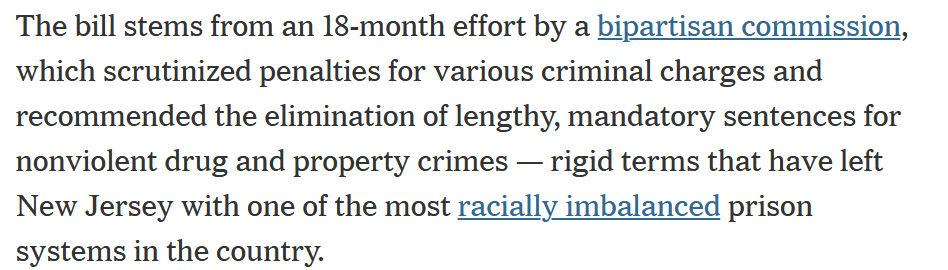
Those people get it--mandatory minimums are not a good idea, even if you really don't like a particular type of crime.
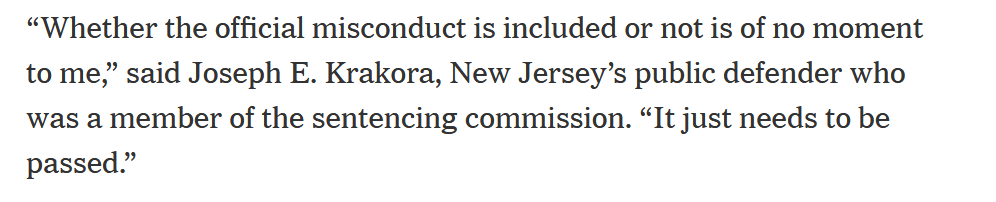
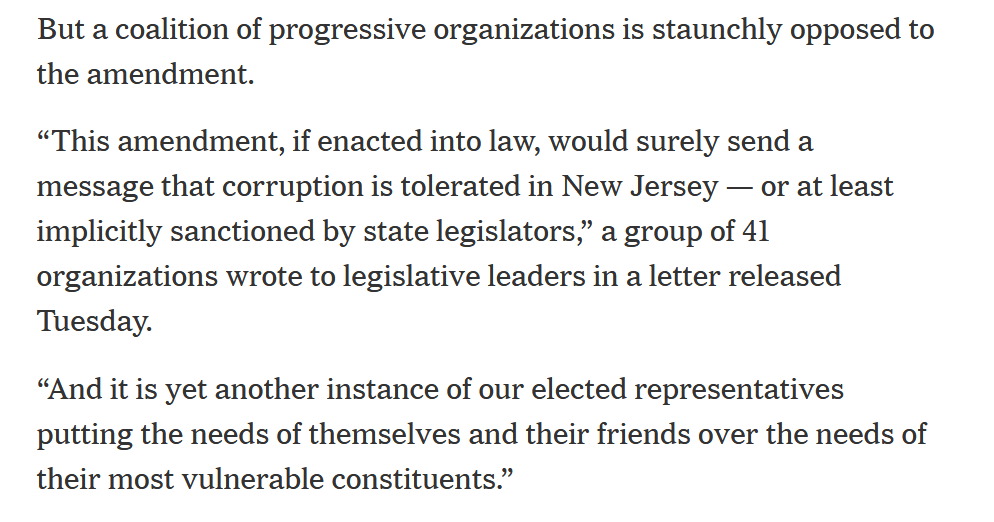
But the idea that removing a mandatory minimum sentence sends the message that a crime is "tolerated" is just silly.
These groups should know better.
This desire for harshness is so prevalent, that some have coined the term "carceral progressivism"
One of the most consequential enforcement decisions is where to look for law breaking.
— Carissa Byrne Hessick (@CBHessick) September 28, 2020
And a policy of prioritizing low level enforcement over high level enforcement is impossible to defend on the merits. https://t.co/ZBNZoUudZF

More from Law


@littlecarrotq I've been tracking these since December. Michigan
Wisconsin
Georgia
Arizona
Another Pennsylvania case. This is the most important one in my opinion. It shows the Republican Legislature broke the law when they created a mail-in ballot law in October, 2019, which they knew was against the state
The Michigan case in the US Supreme Court originally filed by Sidney Powell and Lin Wood was just distributed today for Conference on 02/19/2021!
— Truth (@1foreverseeking) February 4, 2021
Feb 03 2021 DISTRIBUTED for Conference of 2/19/2021. https://t.co/jZO624pf7j
Wisconsin
The Wisconsin case in the US Supreme Court is also
— Truth (@1foreverseeking) February 4, 2021
distributed for Conference on 02/19/2021!https://t.co/zkpTubcG1C
Georgia
This Georgia case, originally filed by Lin Wood, is alo distributed for conference on February 21, 2021!https://t.co/l7j43v5pfD
— Truth (@1foreverseeking) February 4, 2021
Arizona
This Arizona case is also distributed for conference on Febraury 21, 2021!https://t.co/56g1Fphg2l
— Truth (@1foreverseeking) February 4, 2021
Another Pennsylvania case. This is the most important one in my opinion. It shows the Republican Legislature broke the law when they created a mail-in ballot law in October, 2019, which they knew was against the state
Another Pennsylvania case distributed for conference February 21, 2021.
— Truth (@1foreverseeking) February 4, 2021
Filed by a Republican Congressman who lost his seat because PA Republican Legislature illegally created a mail in ballot law October, 2019, against the Constitution of PA.https://t.co/RYJE6ENZGk

1/ After a good night's sleep, I have a few thoughts on the impending Ripple lawsuit.
Less schadenfreude, more "what now?" https://t.co/a0oTwblBHB

2/ First of all, the USG is going to lose.
I don't even need to read the complaint. They might force a settlement, but they're outclassed on legal.
Remember Ripple engaged former SEC Chair Mary Jo White in a civil matter in 2018. A hint of their
3/ Second, the USG should lose.
The SEC restrictions on non-accredited investors; the ridiculous Howey test; 80 year old securities law like the "40 Act" all need to die in fire. They are un-American and completely outdated.
I hope Ripple wins. (WUT?)
4/ Third, it's incumbent upon industry to self-police and hold the moral high ground.
I give certain individuals A's and others F's, but as a whole, the most powerful people and companies generally take a Swiss neutrality stance on assets.
So we're effectively in this together.
5/ We're "in this together" to draw lines of regulatory demarcation.
XRP as a "security" further hurts the U.S. businesses while global comps will continue to make these markets.
XRP as a security also means other assets will meet the same fate. At least Ripple has $ to fight.
Less schadenfreude, more "what now?" https://t.co/a0oTwblBHB
BREAKING: The @SEC_News intends to sue @ripple over its sale of XRP, alleging the cryptocurrency is an unregistered security according to @bgarlinghouse.@nikhileshde reportshttps://t.co/7Z3KSWk7dn
— CoinDesk (@CoinDesk) December 22, 2020
2/ First of all, the USG is going to lose.
I don't even need to read the complaint. They might force a settlement, but they're outclassed on legal.
Remember Ripple engaged former SEC Chair Mary Jo White in a civil matter in 2018. A hint of their
3/ Second, the USG should lose.
The SEC restrictions on non-accredited investors; the ridiculous Howey test; 80 year old securities law like the "40 Act" all need to die in fire. They are un-American and completely outdated.
I hope Ripple wins. (WUT?)
4/ Third, it's incumbent upon industry to self-police and hold the moral high ground.
I give certain individuals A's and others F's, but as a whole, the most powerful people and companies generally take a Swiss neutrality stance on assets.
So we're effectively in this together.
5/ We're "in this together" to draw lines of regulatory demarcation.
XRP as a "security" further hurts the U.S. businesses while global comps will continue to make these markets.
XRP as a security also means other assets will meet the same fate. At least Ripple has $ to fight.


You May Also Like














✨📱 iOS 12.1 📱✨
🗓 Release date: October 30, 2018
📝 New Emojis: 158
https://t.co/bx8XjhiCiB
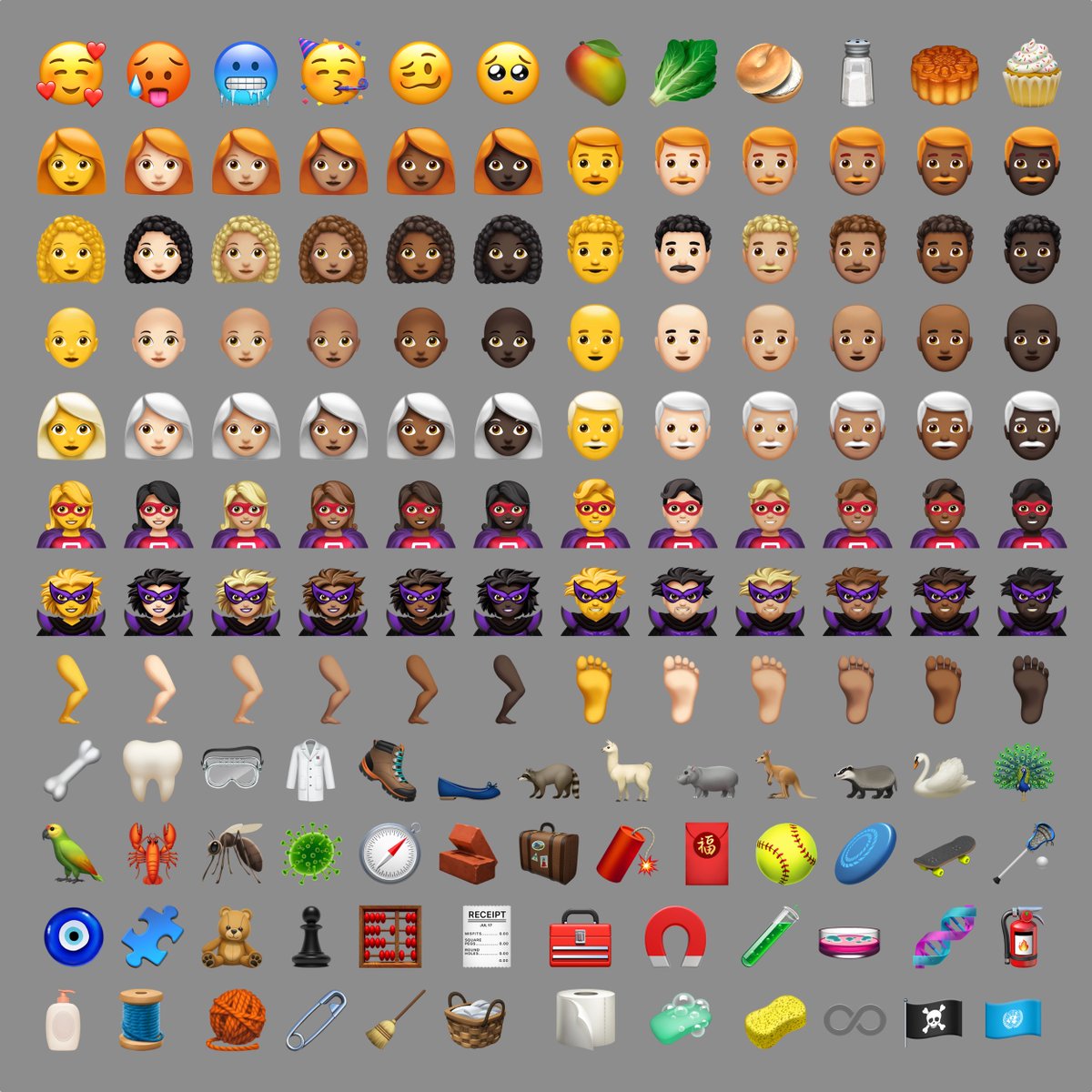
New in iOS 12.1: 🥰 Smiling Face With 3 Hearts https://t.co/6eajdvueip

New in iOS 12.1: 🥵 Hot Face https://t.co/jhTv1elltB
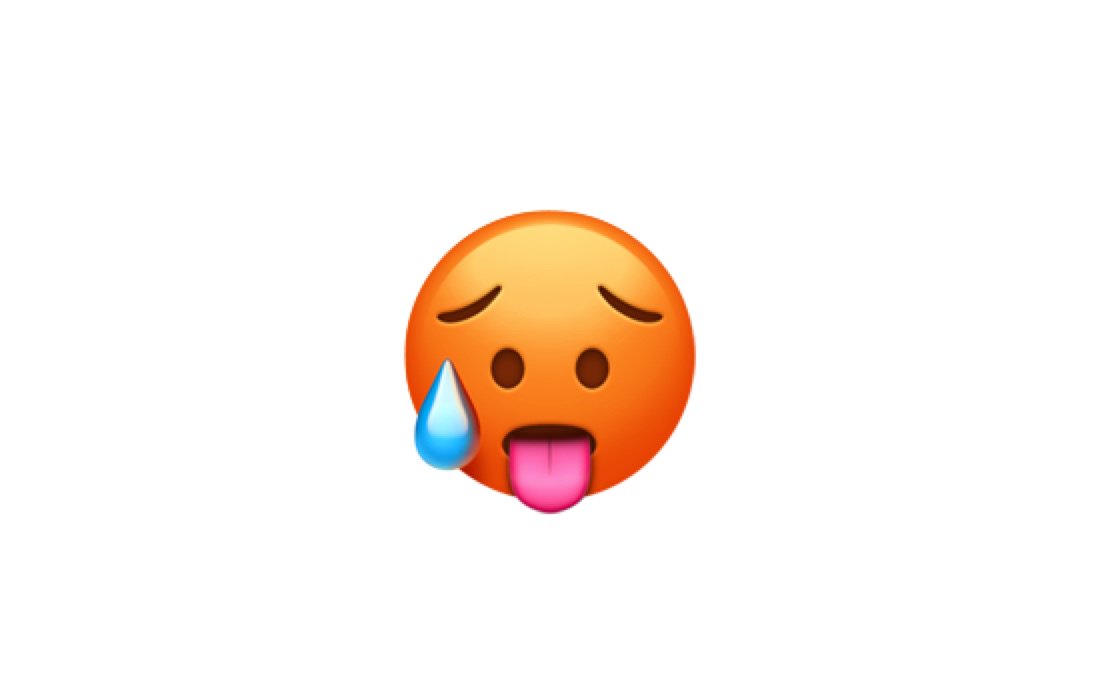
New in iOS 12.1: 🥶 Cold Face https://t.co/EIjyl6yZrF
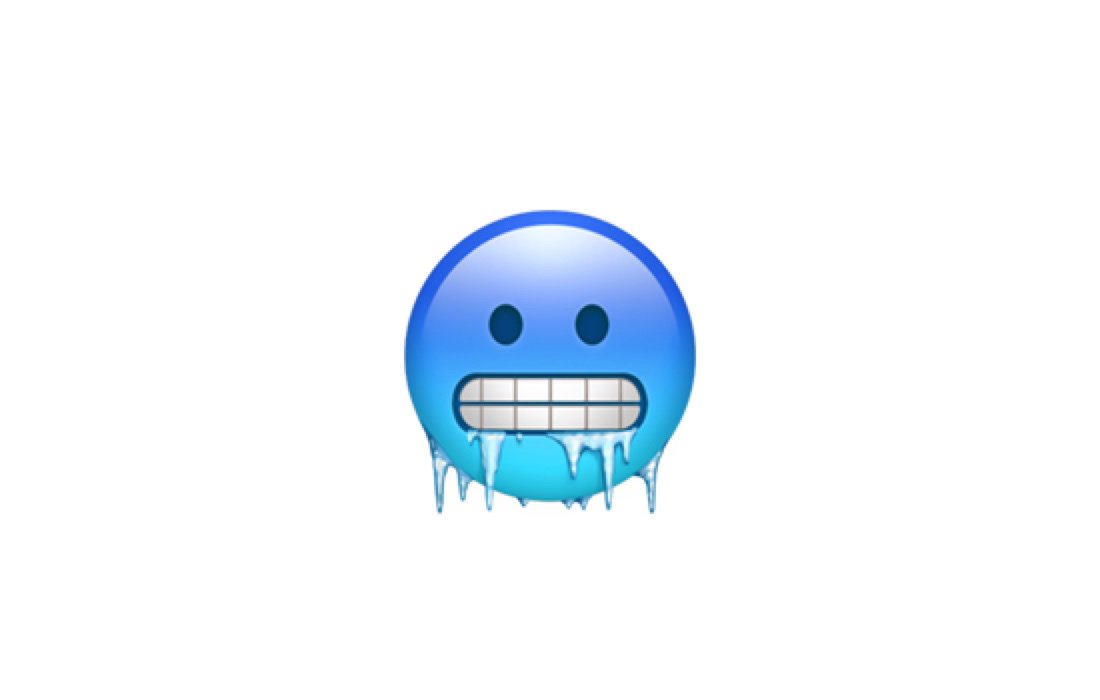
New in iOS 12.1: 🥳 Partying Face https://t.co/p8FDNEQ3LJ

🗓 Release date: October 30, 2018
📝 New Emojis: 158
https://t.co/bx8XjhiCiB
New in iOS 12.1: 🥰 Smiling Face With 3 Hearts https://t.co/6eajdvueip
New in iOS 12.1: 🥵 Hot Face https://t.co/jhTv1elltB
New in iOS 12.1: 🥶 Cold Face https://t.co/EIjyl6yZrF
New in iOS 12.1: 🥳 Partying Face https://t.co/p8FDNEQ3LJ