
1. It’s virtually impossible to appreciate the full ramification of the New Testament without recourse to the legal construct undergirding it. The New Testament is resolutely mounted on a tripod of commercial law, criminal law and constitutional law. #Illuminare
More from Leke Alder
More from Law

High crime talk from Fredo
VA curfew
Sen. Grassley - Biden family investigated, potential financial crimes WW including China
Warning
March

The #TexasCase has them terrified.
— Major Patriot (@MajorPatriot) December 10, 2020
They are losing it.#CNN pic.twitter.com/FtdWKIXBlB
VA curfew
#BREAKING: Virginia will implement a statewide curfew from midnight to 5 a.m. starting on Dec. 14. Here's what else is changing for Virginians.https://t.co/cH4jdCOZgt
— WUSA9 (@wusa9) December 10, 2020
Sen. Grassley - Biden family investigated, potential financial crimes WW including China
Warning
— Dan Scavino\U0001f1fa\U0001f1f8\U0001f985 (@DanScavino) December 11, 2020
March









The Supremacy Of The Shari’a- A Thread 🧵
The Shari'a Law has been a subject of inequitable prejudice for a long time, which we already know is false & illogical.
However, as long as such claims are being made- we will have to falsify 'em.😏
Let's debunk all the myths.
Harvard Economists point out how eradication of poverty in secular states is one of the pressing issues academics face.
In fact, around a billion people live in extreme poverty conditions under the notion of secularism.
https://t.co/gVp2jRtjqU
https://t.co/oZELY0BFrd

Contrary to secularism-Islam was extremely triumphant in this regard.
The Shari'a states successfully eradicated poverty by creation of a welfare society & the institutionalization of obligatory charity.
https://t.co/5xpQkQ6ZQb
https://t.co/KH1sl1omB5
https://t.co/38ak5CUK1L

A logical outcome of 0% poverty is 0% crime rates, as criminologists point out.
This can be explained by the theory of Synnomie, which explains 0% crime rates & ideal social order under the Shari'a.
https://t.co/QwtLB6xEFW
https://t.co/HskBa5qy4P
https://t.co/mklS6BIOL0

The Shari'a Law has been a subject of inequitable prejudice for a long time, which we already know is false & illogical.
However, as long as such claims are being made- we will have to falsify 'em.😏
Let's debunk all the myths.
Harvard Economists point out how eradication of poverty in secular states is one of the pressing issues academics face.
In fact, around a billion people live in extreme poverty conditions under the notion of secularism.
https://t.co/gVp2jRtjqU
https://t.co/oZELY0BFrd
Contrary to secularism-Islam was extremely triumphant in this regard.
The Shari'a states successfully eradicated poverty by creation of a welfare society & the institutionalization of obligatory charity.
https://t.co/5xpQkQ6ZQb
https://t.co/KH1sl1omB5
https://t.co/38ak5CUK1L
A logical outcome of 0% poverty is 0% crime rates, as criminologists point out.
This can be explained by the theory of Synnomie, which explains 0% crime rates & ideal social order under the Shari'a.
https://t.co/QwtLB6xEFW
https://t.co/HskBa5qy4P
https://t.co/mklS6BIOL0



You May Also Like


Tip from the Monkey
Pangolins, September 2019 and PLA are the key to this mystery
Stay Tuned!

1. Yang
2. A jacobin capuchin dangling a flagellin pangolin on a javelin while playing a mandolin and strangling a mannequin on a paladin's palanquin, said Saladin
More to come tomorrow!

3. Yigang Tong
https://t.co/CYtqYorhzH
Archived: https://t.co/ncz5ruwE2W
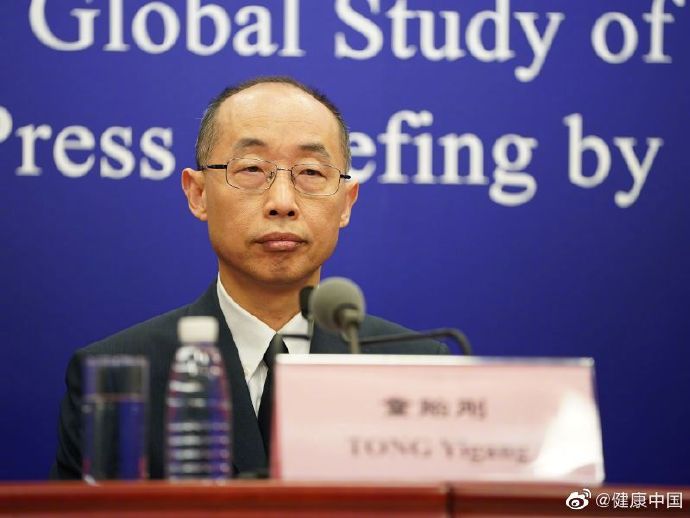
4. YT Interview
Some bats & pangolins carry viruses related with SARS-CoV-2, found in SE Asia and in Yunnan, & the pangolins carrying SARS-CoV-2 related viruses were smuggled from SE Asia, so there is a possibility that SARS-CoV-2 were coming from
Pangolins, September 2019 and PLA are the key to this mystery
Stay Tuned!
1. Yang
Meet Yang Ruifu, CCP's biological weapons expert https://t.co/JjB9TLEO95 via @Gnews202064
— Billy Bostickson \U0001f3f4\U0001f441&\U0001f441 \U0001f193 (@BillyBostickson) October 11, 2020
Interesting expose of China's top bioweapons expert who oversaw fake pangolin research
Paper 1: https://t.co/TrXESKLYmJ
Paper 2:https://t.co/9LSJTNCn3l
Pangolinhttps://t.co/2FUAzWyOcv pic.twitter.com/I2QMXgnkBJ
2. A jacobin capuchin dangling a flagellin pangolin on a javelin while playing a mandolin and strangling a mannequin on a paladin's palanquin, said Saladin
More to come tomorrow!
3. Yigang Tong
https://t.co/CYtqYorhzH
Archived: https://t.co/ncz5ruwE2W
4. YT Interview
Some bats & pangolins carry viruses related with SARS-CoV-2, found in SE Asia and in Yunnan, & the pangolins carrying SARS-CoV-2 related viruses were smuggled from SE Asia, so there is a possibility that SARS-CoV-2 were coming from

BREAKING: @CommonsCMS @DamianCollins just released previously sealed #Six4Three @Facebook documents:
Some random interesting tidbits:
1) Zuck approves shutting down platform API access for Twitter's when Vine is released #competition
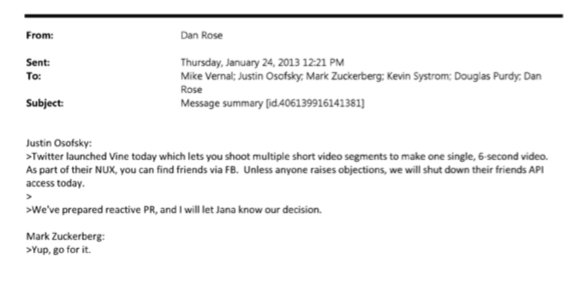
2) Facebook engineered ways to access user's call history w/o alerting users:
Team considered access to call history considered 'high PR risk' but 'growth team will charge ahead'. @Facebook created upgrade path to access data w/o subjecting users to Android permissions dialogue.
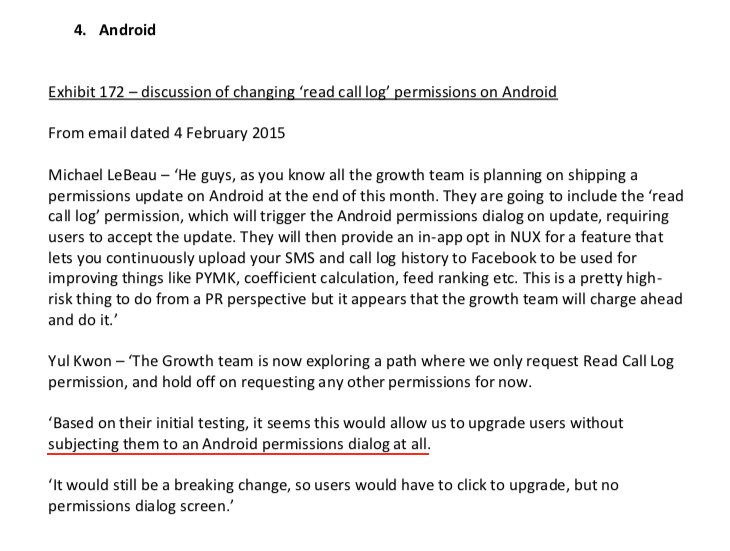
3) The above also confirms @kashhill and other's suspicion that call history was used to improve PYMK (People You May Know) suggestions and newsfeed rankings.
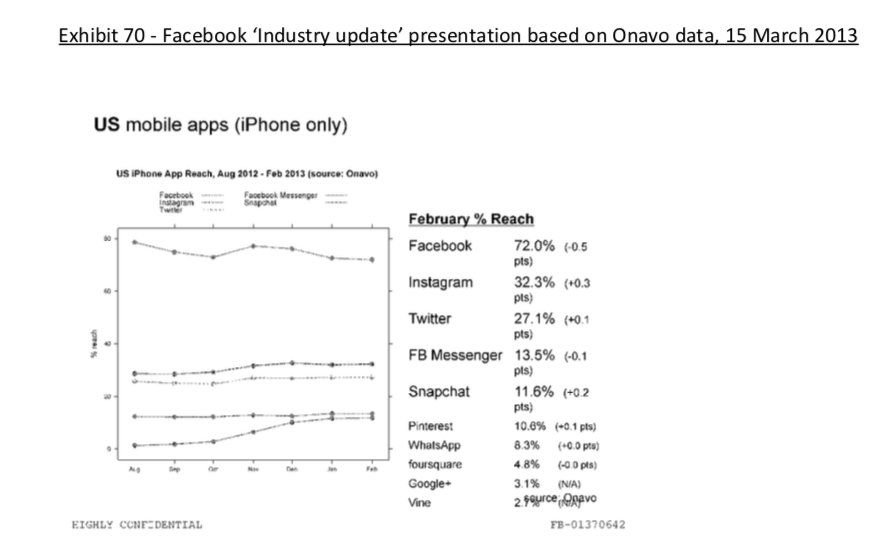
4) Docs also shed more light into @dseetharaman's story on @Facebook monitoring users' @Onavo VPN activity to determine what competitors to mimic or acquire in 2013.
https://t.co/PwiRIL3v9x
Some random interesting tidbits:
1) Zuck approves shutting down platform API access for Twitter's when Vine is released #competition
2) Facebook engineered ways to access user's call history w/o alerting users:
Team considered access to call history considered 'high PR risk' but 'growth team will charge ahead'. @Facebook created upgrade path to access data w/o subjecting users to Android permissions dialogue.
3) The above also confirms @kashhill and other's suspicion that call history was used to improve PYMK (People You May Know) suggestions and newsfeed rankings.
4) Docs also shed more light into @dseetharaman's story on @Facebook monitoring users' @Onavo VPN activity to determine what competitors to mimic or acquire in 2013.
https://t.co/PwiRIL3v9x
