
The Fiqh of Eid al-Adha:
1/10. The Eid Prayer is wajib. It consists of two rakats, with extra takbirs. The wisdom behind the Eid prayers, like the Eid days themselves, is to thank Allah for His countless blessings.
One pauses briefly after each takbir.
One places ones hands together, right on left under the navel, after the third and final takbir.
After this, one recites the ta`wwudh (seeking refuge in Allah from Satan),...
4/10. In the second rakat of the Eid prayer, one also gives 3 additional takbirs. These are given after one finishes reciting the...
However, if one’s imam performs them differently, one follows one’s imam: the sunnah practice has been reported in different ways, and the difference between the Sunni schools...
6/10. It is disliked to perform any prayers before the Eid prayer, whether at home or at the place where the Eid prayer is being performed.
9/10. If one joins the imam while he is in ruku`, one should perform the additional takbirs while standing if one will be able to catch...
Otherwise, if one fears not catching the imam in ruku`, one should give one’s opening takbir and go into ruku`. Then, one should recite the additional takbirs in ruku` before the tasbihs of ruku`. One does not raise one’s hands in ruku`, however.
Source: https://t.co/3nOjAzSO50
More from Islam




You May Also Like





The Eye of Horus. 1/*
I believe that @ripple_crippler and @looP_rM311_7211 are the same person. I know, nobody believes that. 2/*
Today I want to prove that Mr Pool smile faces mean XRP and price increase. In Ripple_Crippler, previous to Mr Pool existence, smile faces were frequent. They were very similar to the ones Mr Pool posts. The eyes also were usually a couple of "x", in fact, XRP logo. 3/*

The smile XRP-eyed face also appears related to the Moon. XRP going to the Moon. 4/*
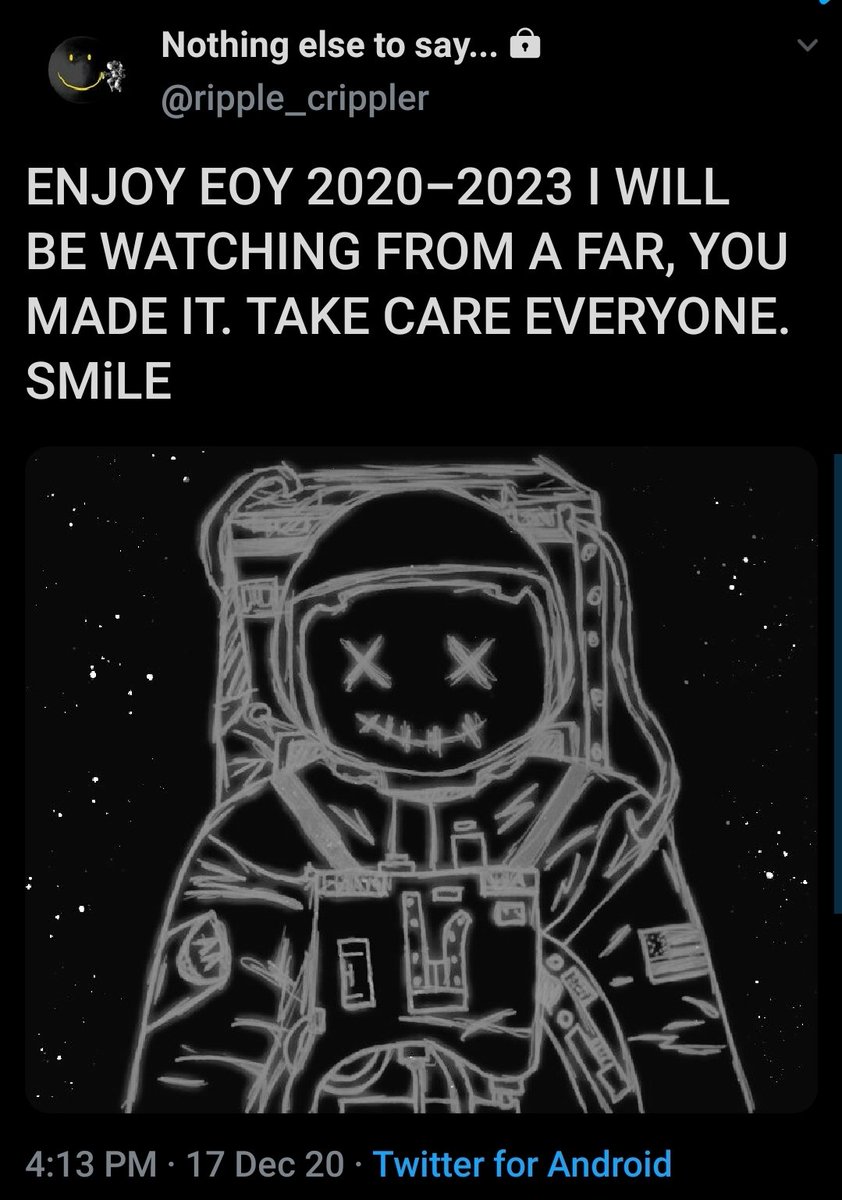
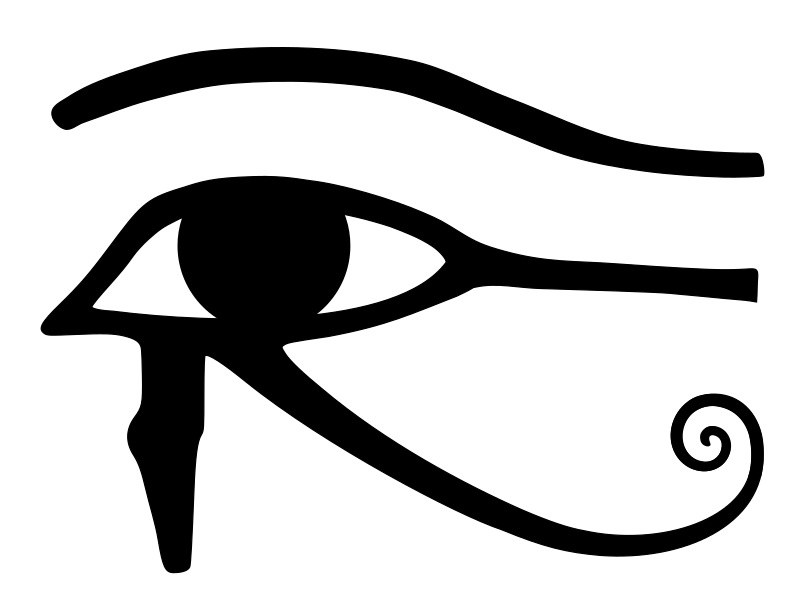
And smile XRP-eyed faces also appear related to Egypt. In particular, to the Eye of Horus. https://t.co/i4rRzuQ0gZ 5/*

I believe that @ripple_crippler and @looP_rM311_7211 are the same person. I know, nobody believes that. 2/*
Today I want to prove that Mr Pool smile faces mean XRP and price increase. In Ripple_Crippler, previous to Mr Pool existence, smile faces were frequent. They were very similar to the ones Mr Pool posts. The eyes also were usually a couple of "x", in fact, XRP logo. 3/*
The smile XRP-eyed face also appears related to the Moon. XRP going to the Moon. 4/*
And smile XRP-eyed faces also appear related to Egypt. In particular, to the Eye of Horus. https://t.co/i4rRzuQ0gZ 5/*