https://t.co/wgbip9xefB
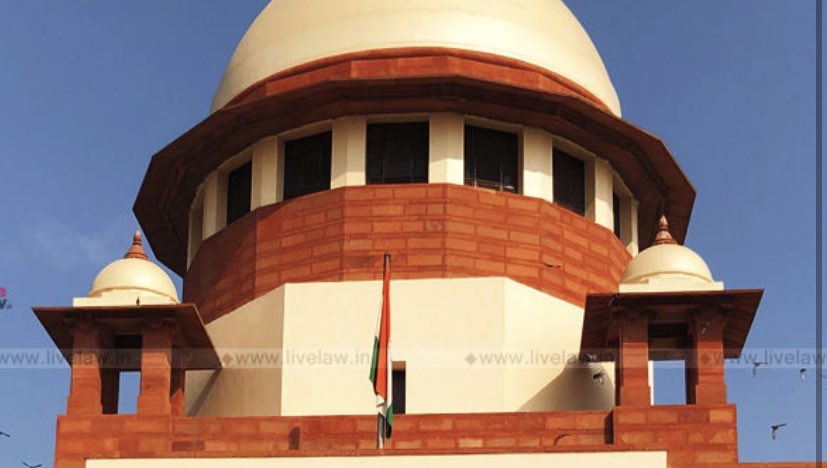
Supreme Court considers the suo moto case "IN RE: TO ISSUE CERTAIN GUIDELINES REGARDING INADEQUACIES AND DEFICIENCIES IN CRIMINAL TRIALS".
Sr Advs Siddharth Luthra and R Basant have submitted a draft rules on criminal practice.
https://t.co/wgbip9xefB
CJI : That is a separate issue. We have a case from Delhi today.
Luthra : That is item 20. I am appearing in that too.
CJI : No, you don't appear in that. We want you to be amicus in that case.
'The deficiencies in trials were found attributable to criminal rules of practice in force. So it was felt necessary to prepare draft rules which can be incorporated in existing rules'.
Notices were issued to Registrar Generals of High Courts, Chief Secretaries/Administrators of States/UTs and Advocate Generals for general consensus on draft rules.
A committee comprising Senior Advs R Basant, Siddharth Luthra and K Parameshwar was constituted to go into the issues after considering the existing rules of all the High Courts. The Committee submitted a report on draft rules.
This court has got responses only of High Courts of Andhra Pradesh, Telangana, Karnataka, Delhi and Allahabad to the draft criminal rules.
In such circumstances, we consider it necessary to call upon the High Courts to submit their reports within 2 weeks. In case HCs cannot do so, the Registrar General of the HC shall remain present in this court on the next hearing date
On failure to do so, the Registrar Generals of HCs must appear on next hearing date with necessary instructions.
Luthra : That was in the early stage. We are seeking response to the report submitted in March 2020.
CJI says that the copy of the report is available in the official website of the Supreme Court and may be accessed from there.
He submits this is response of CJI's suggestion to make him amicus in that case.
More from Live Law
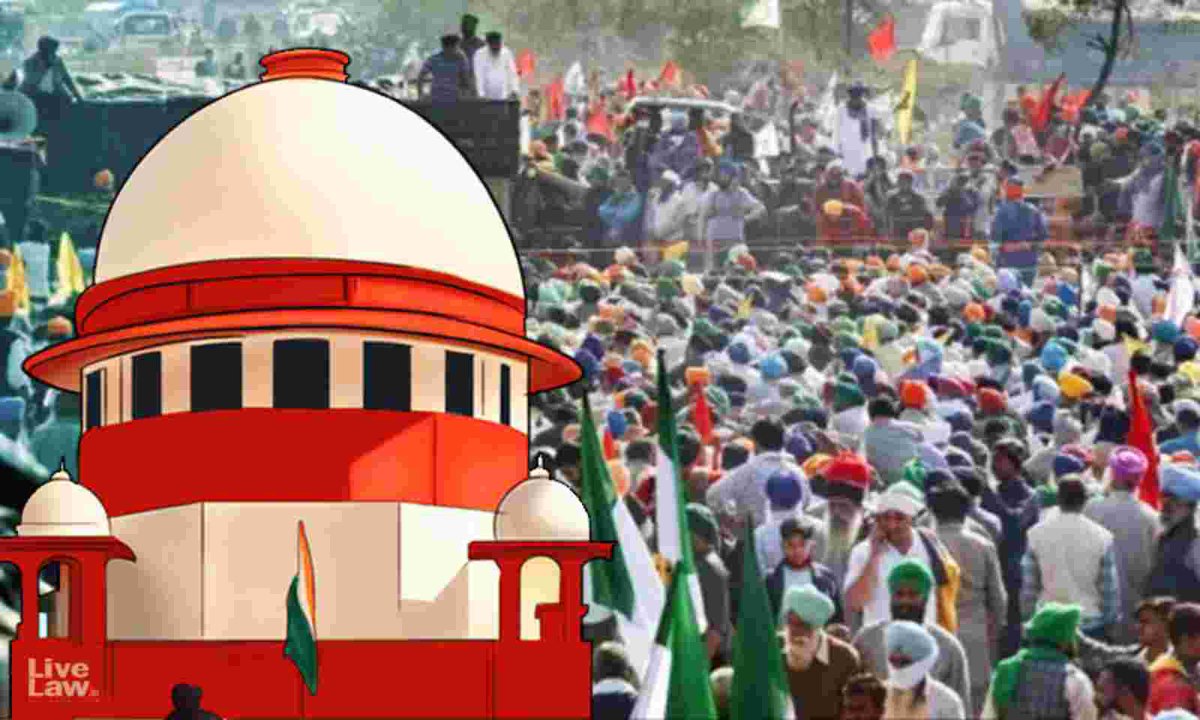
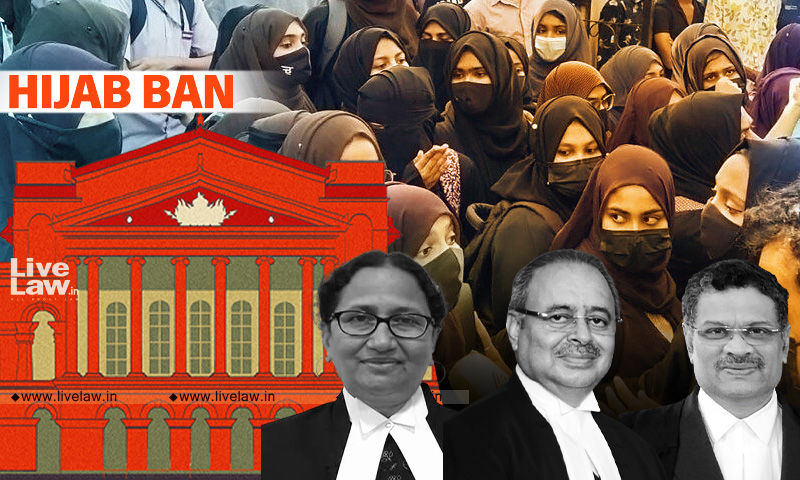

More from India

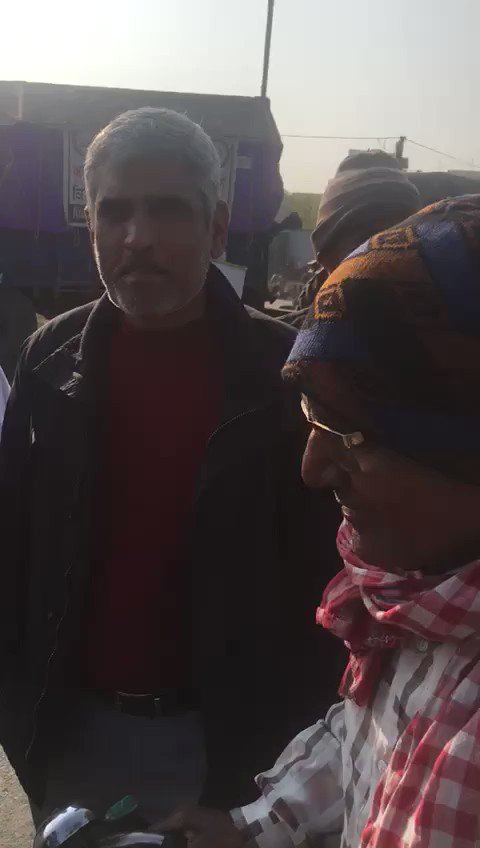
People you're seeing in TV posing as locals of #SinghuBorder are NOT locals. Infact, locals are extremely warm with the protestors. This is what real locals have to say!
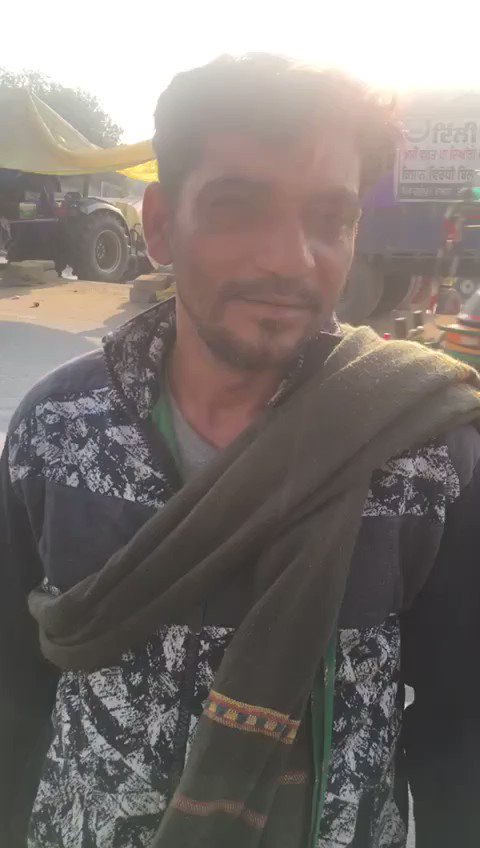
No one has a problem with protestors at #SinghuBorder. Who were the ones who came to protest??
https://t.co/l3xWK8z0m7

#IndiaStandsWithFarmers
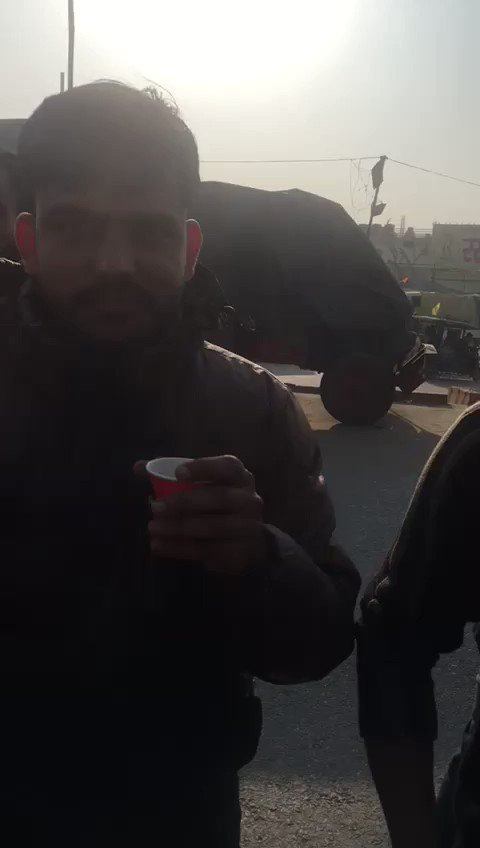
Sweeetestt ❣️❣️❣️
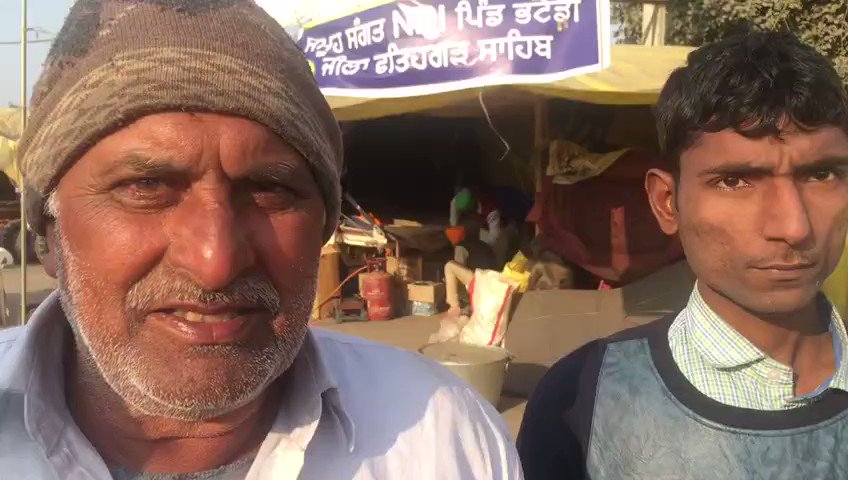
No one has a problem with protestors at #SinghuBorder. Who were the ones who came to protest??
https://t.co/l3xWK8z0m7
#IndiaStandsWithFarmers
Sweeetestt ❣️❣️❣️


"At least we don't behead people, be happy"....
Thread on beheadings by H!ndus
(1/n) https://t.co/jr72XYZHTq

https://t.co/esFBGvvvCt

https://t.co/t0X0bpsYZI

https://t.co/akB0tGqwfB

https://t.co/pfRi6SxqW5

Thread on beheadings by H!ndus
(1/n) https://t.co/jr72XYZHTq
Radical Hindutva Extremists
— Dhruv Rathee \U0001f1ee\U0001f1f3 (@dhruv_rathee) January 3, 2021
= Radical Islamic Extremists - Beheading + Mob Lynching
+ "At least we don't behead people, be happy"
https://t.co/esFBGvvvCt
https://t.co/t0X0bpsYZI
https://t.co/akB0tGqwfB
https://t.co/pfRi6SxqW5

Many are upset at the bus attacks & Red Fort events during #FarmersProtest.
But have you paused to think what has brought about this situation? While magnifying impulsive actions by some protesters, do you miss to see State's systematic violence and erosion of rule of law?
If you are a believer in Constitution and legitimate processes, then the manner in which the Centre pushed the #FarmLaws & handled the #FarmersProstests should leave you distressed.
First, Centre brings these laws as Ordinances on subjects which are apparently in state list, through a colorable use of concurrent list. Principle of federalism negated, at least in spirit, if not in letter.
Then, bills are passed in Parliament without effective discussions.
No one can say for sure if the bills were actually passed in vote in Rajya Sabha. The whole process was brazenly dubious. The live telecast was stopped amid protests. Really shameful events.
So, lawful processes to address dissent undermined.
#FarmersProtest
#FarmLaws
Then some farm groups approach the Supreme Court raising some pertinent questions on constitutionality. Instead of considering legality, court ventures into political thicket by attempting mediation, that too with a hand-picked committee having only members supporting #FarmLaws .
But have you paused to think what has brought about this situation? While magnifying impulsive actions by some protesters, do you miss to see State's systematic violence and erosion of rule of law?
How it started: How it's going: pic.twitter.com/bwkqp3uYQu
— Manu Sebastian (@manuvichar) January 26, 2021
If you are a believer in Constitution and legitimate processes, then the manner in which the Centre pushed the #FarmLaws & handled the #FarmersProstests should leave you distressed.
First, Centre brings these laws as Ordinances on subjects which are apparently in state list, through a colorable use of concurrent list. Principle of federalism negated, at least in spirit, if not in letter.
Then, bills are passed in Parliament without effective discussions.
No one can say for sure if the bills were actually passed in vote in Rajya Sabha. The whole process was brazenly dubious. The live telecast was stopped amid protests. Really shameful events.
So, lawful processes to address dissent undermined.
#FarmersProtest
#FarmLaws
Then some farm groups approach the Supreme Court raising some pertinent questions on constitutionality. Instead of considering legality, court ventures into political thicket by attempting mediation, that too with a hand-picked committee having only members supporting #FarmLaws .

You May Also Like


@franciscodeasis https://t.co/OuQaBRFPu7
Unfortunately the "This work includes the identification of viral sequences in bat samples, and has resulted in the isolation of three bat SARS-related coronaviruses that are now used as reagents to test therapeutics and vaccines." were BEFORE the

chimeric infectious clone grants were there.https://t.co/DAArwFkz6v is in 2017, Rs4231.
https://t.co/UgXygDjYbW is in 2016, RsSHC014 and RsWIV16.
https://t.co/krO69CsJ94 is in 2013, RsWIV1. notice that this is before the beginning of the project
starting in 2016. Also remember that they told about only 3 isolates/live viruses. RsSHC014 is a live infectious clone that is just as alive as those other "Isolates".
P.D. somehow is able to use funds that he have yet recieved yet, and send results and sequences from late 2019 back in time into 2015,2013 and 2016!
https://t.co/4wC7k1Lh54 Ref 3: Why ALL your pangolin samples were PCR negative? to avoid deep sequencing and accidentally reveal Paguma Larvata and Oryctolagus Cuniculus?
Unfortunately the "This work includes the identification of viral sequences in bat samples, and has resulted in the isolation of three bat SARS-related coronaviruses that are now used as reagents to test therapeutics and vaccines." were BEFORE the
chimeric infectious clone grants were there.https://t.co/DAArwFkz6v is in 2017, Rs4231.
https://t.co/UgXygDjYbW is in 2016, RsSHC014 and RsWIV16.
https://t.co/krO69CsJ94 is in 2013, RsWIV1. notice that this is before the beginning of the project
starting in 2016. Also remember that they told about only 3 isolates/live viruses. RsSHC014 is a live infectious clone that is just as alive as those other "Isolates".
P.D. somehow is able to use funds that he have yet recieved yet, and send results and sequences from late 2019 back in time into 2015,2013 and 2016!
https://t.co/4wC7k1Lh54 Ref 3: Why ALL your pangolin samples were PCR negative? to avoid deep sequencing and accidentally reveal Paguma Larvata and Oryctolagus Cuniculus?