The mysterious story of tomatoes 🍅 & cigarettes 🚬
An interesting scientific story discussed by Kenneth M. Smith (1892-1981) who is considered to be one of the pioneers of the scientific field of ‘Virology’. Long thread, Enjoy the Sunday reading 😀1/n

In his 1943 book, Smith wrote about a story of two American tobacco farmers, one of whom was much troubled by outbreaks of tobacco mosaic disease in his crops, while the other managed to keep his plants fairly clear of the trouble. 2/n
Furthermore, the first farmer noticed that the infection tended to occur in a straight line (tobacco mosaic is very infectious disease & it is not insect-transmitted). So, Smith assumed that the disease seemed to follow the movements of the farmworkers who tended the plants. 3/n
It seemed likely, therefore, that they were the transmitting agents. Closer inquiry into the personal habits of the farmworkers revealed the fact that several of them indulged in the practice of chewing tobacco, & herein, lies the clue to the mosaic infection. 4/n
The virus of tobacco mosaic is one of the most stable & resistant viruses known, & some brands of chewing tobacco are not subjected in the curing process to sufficiently high temperatures or other treatments which would destroy the virus. 5/n
In consequence the farmworkers who chewed tobacco were liable to have virus on their hands or implements & the transfer of the virus to the plants under their care was therefore an easy matter. 6/n
Now this virus of tobacco mosaic is capable of causing disease in many other plants such as tobacco, producing a disease known as tomato mosaic. Tomato mosaic was the cause of serious loss to growers every year. 7/n
Frequently a tomato-farmer came to Smith & complained that in spite of all his efforts the disease reappears every year in his glasshouse crops of tomatoes. 8/n
Smith asked about the precautions he had taken & he replied that his glasshouses had been cleaned, the soil sterilized, seed obtained from a new source, houses fumigated & so on. 9/n
Then Smith asked if he has asked his farmworkers to stop smoking cigarettes while they tended the tomato plants? The farmer said – No, he didn’t know that mattered; Smith explained that - it does matter, quite a lot. 10/n
Because many brands of cigarettes & pipe tobacco contain the virus of tobacco mosaic in an infective state, & it is easy to contaminate hands with virus while holding the cigarettes & then gradually the transfer of virus to the plants. 11/n
It takes only to infect a few tomato plants in a greenhouse holding several thousand plants; after that the virus is passed on from plant to plant on the hands of the workers during routine tending of the crop, so that before the end of the season,... 12/n
every plant in the greenhouse may be infected. So he suggested the farmer, that he tells his cigarette smoking farmworkers who tend tomato plants, to wash their hands thoroughly with soap & hot water before they start work, & never smoke whilst they are tending the crop. 13/End

More from History

Thank you so much to the incredible @gregjenner and his team for having me on "You're Dead to Me" and to @kaekurd for being so hilarious and bringing Gilgamesh the restaurant into my life!

Here’s a thread of some of the stuff referenced in the podcast for those interested
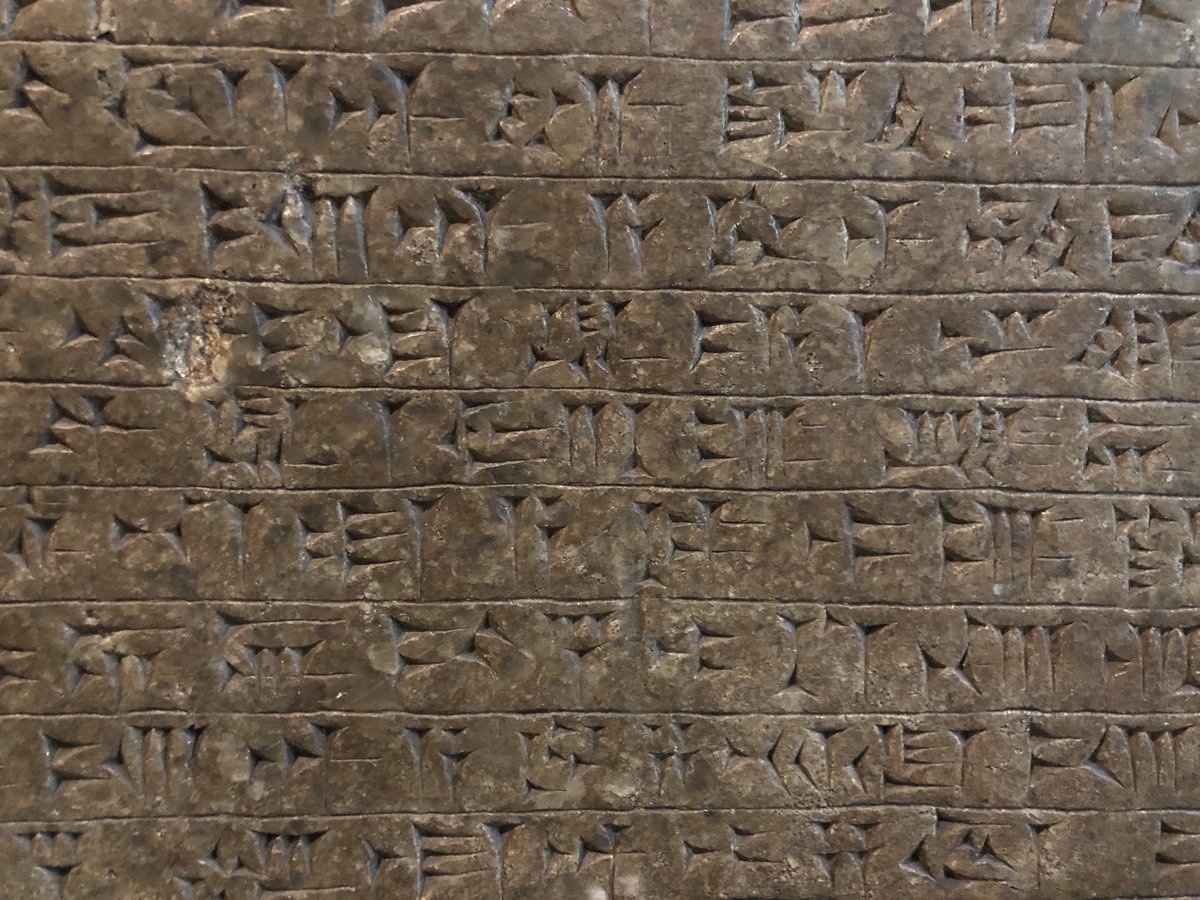

First of all, what even is cuneiform?

It’s a writing system from the ancient Middle East, used to write several languages like Sumerian and Akkadian. Cuneiform signs can stand for whole words or syllables. Here’s a little primer of its evolution
https://t.co/7CVjLCHwkS
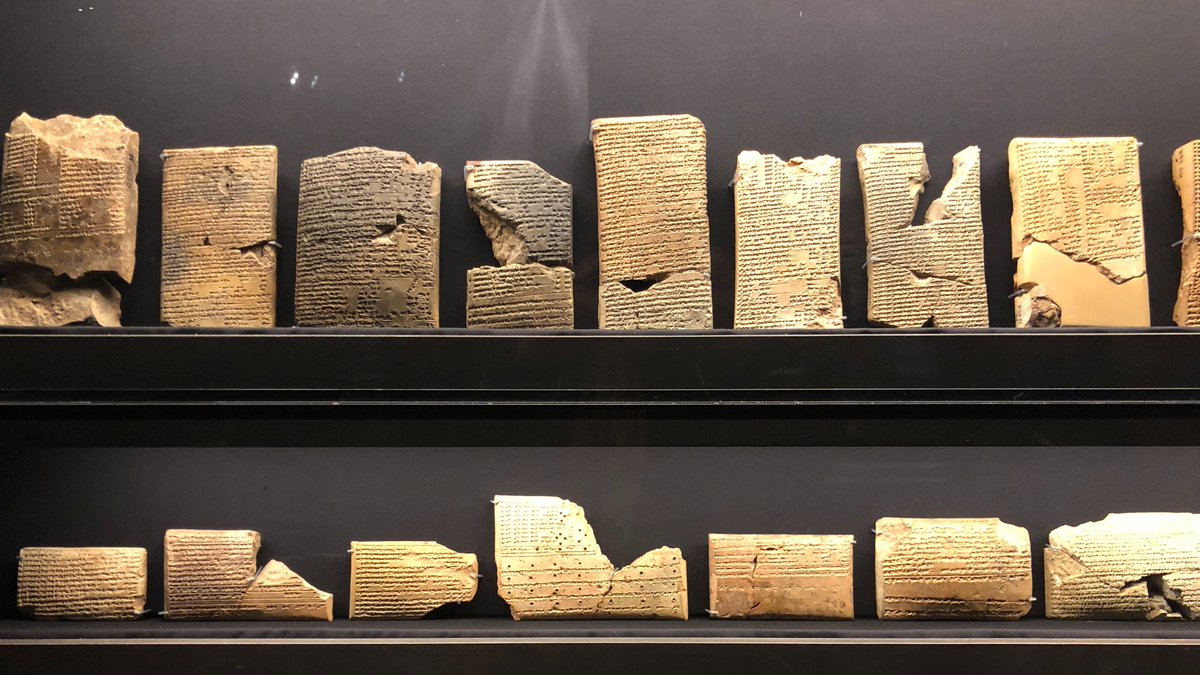

What kinds of texts was cuneiform used to write?

Initially, accounting records and lists.

Eventually, literature, astronomy, medicine, maps, architectural plans, omens, letters, contracts, law collections, and more.
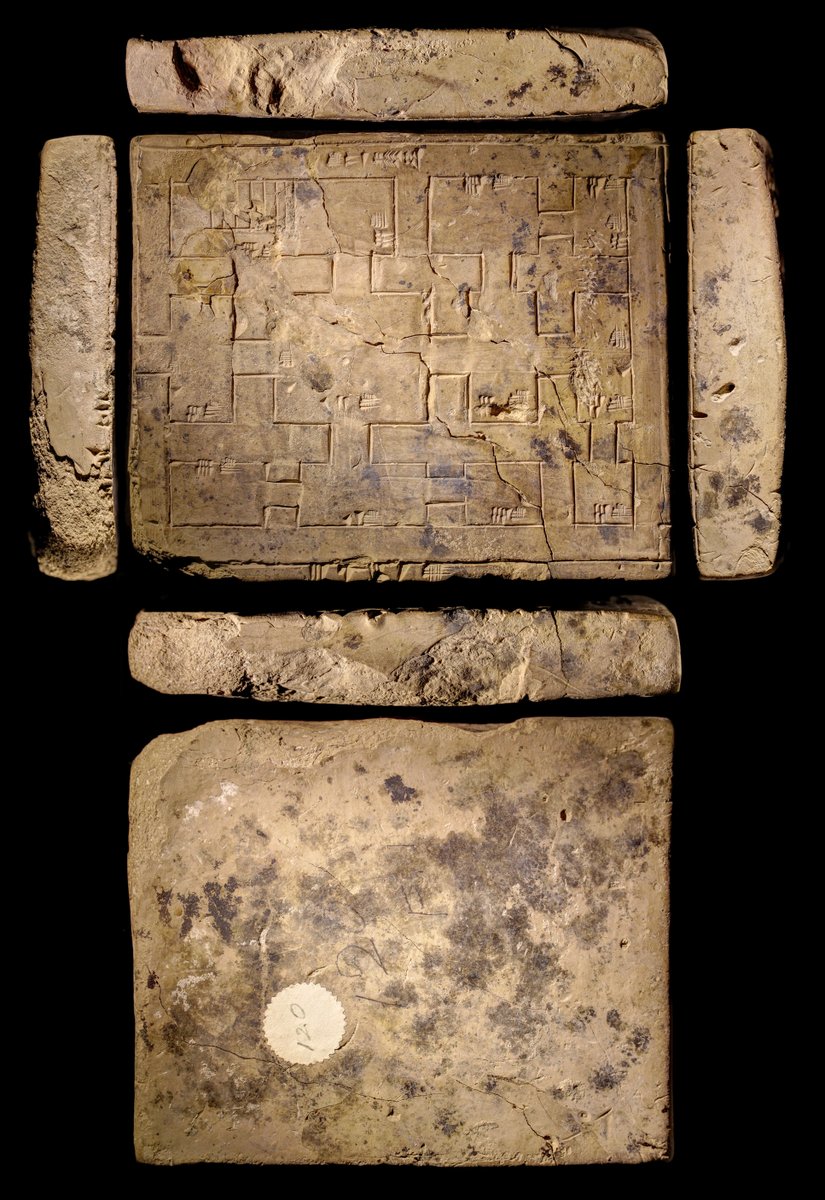

Texts from the Library of Ashurbanipal, who ruled the ancient Assyrian empire when it was at its largest in the 7th century BCE, represent many of the genres of cuneiform texts and scholarship.

Here’s a short intro to the library via @opencuneiform https://t.co/wjnaxpMRrC
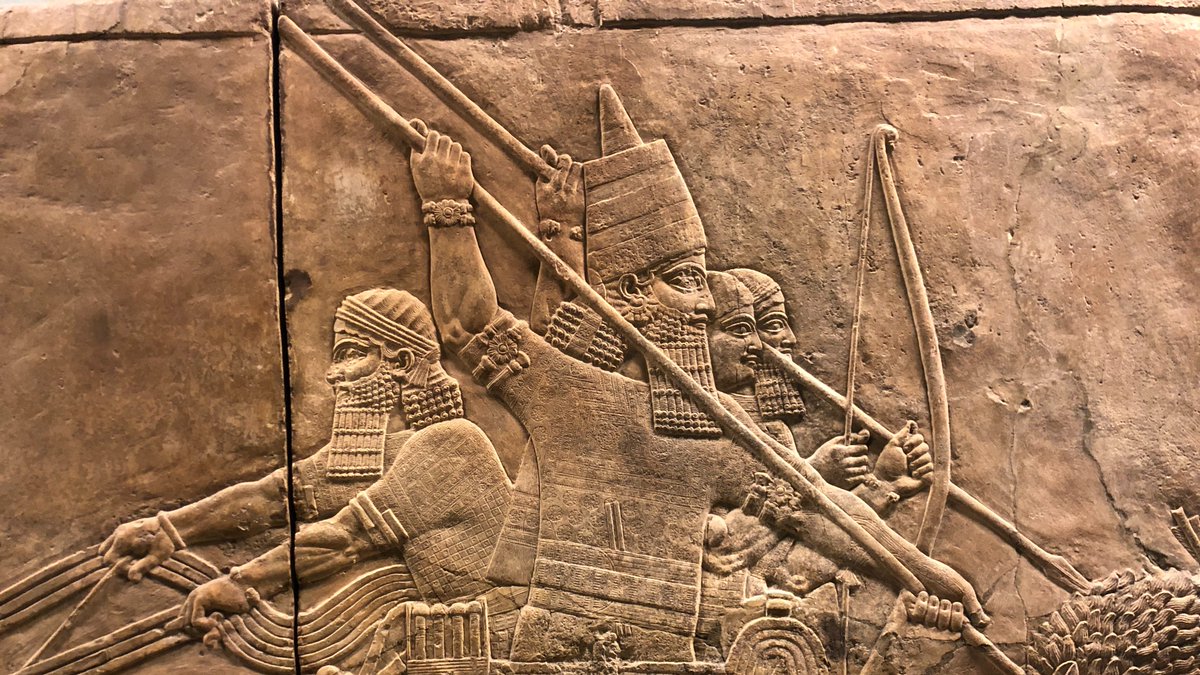

The Library of Ashurbanipal has a complicated modern and ancient history, which you can read about in this brilliant (and open access) book by Prof @Eleanor_Robson

You May Also Like

The first ever world map was sketched thousands of years ago by Indian saint
“Ramanujacharya” who simply translated the following verse from Mahabharat and gave the world its real face

In Mahabharat,it is described how 'Maharishi Ved Vyasa' gave away his divine vision to Sanjay


Dhritarashtra's charioteer so that he could describe him the events of the upcoming war.

But, even before questions of war could begin, Dhritarashtra asked him to describe how the world looks like from space.

This is how he described the face of the world:

सुदर्शनं प्रवक्ष्यामि द्वीपं तु कुरुनन्दन। परिमण्डलो महाराज द्वीपोऽसौ चक्रसंस्थितः॥
यथा हि पुरुषः पश्येदादर्शे मुखमात्मनः। एवं सुदर्शनद्वीपो दृश्यते चन्द्रमण्डले॥ द्विरंशे पिप्पलस्तत्र द्विरंशे च शशो महान्।

—वेद व्यास, भीष्म पर्व, महाभारत


Meaning:-

हे कुरुनन्दन ! सुदर्शन नामक यह द्वीप चक्र की भाँति गोलाकार स्थित है, जैसे पुरुष दर्पण में अपना मुख देखता है, उसी प्रकार यह द्वीप चन्द्रमण्डल में दिखायी देता है। इसके दो अंशो मे पीपल और दो अंशो मे विशाल शश (खरगोश) दिखायी देता है।


Meaning: "Just like a man sees his face in the mirror, so does the Earth appears in the Universe. In the first part you see leaves of the Peepal Tree, and in the next part you see a Rabbit."

Based on this shloka, Saint Ramanujacharya sketched out the map, but the world laughed