In Popular Culture, "jaichand" is Always Portrayed as a Traitor to Hindu Cause.

Truth, as always, is something else.

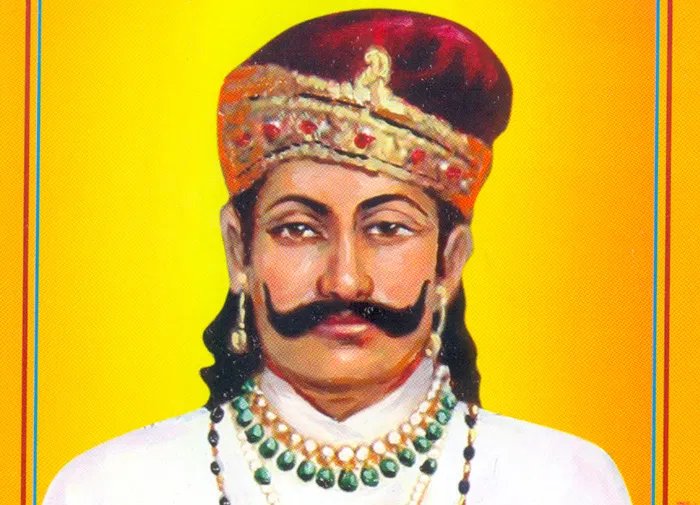
Jayachandra was Born to Gahadawala King Vijaychandra and Queen Chandralekha.

He was the Grandson of Famed Govindachandra of Kannauj Who levied reverse Jaziya on Moslems.
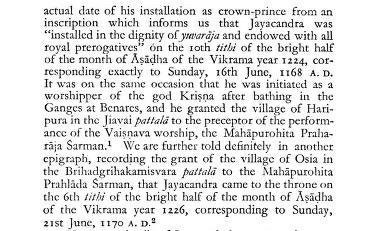
He was declared Crown Prince (Yuvaraja) in 1168 and Was Crowned as King on 21st of June 1170.
He Ruled over One of The Richest Lands in India at That Time.

Muslim Historians Declare him as " The king of Benares was the Greatest King In India, and Possessed largest Territory"
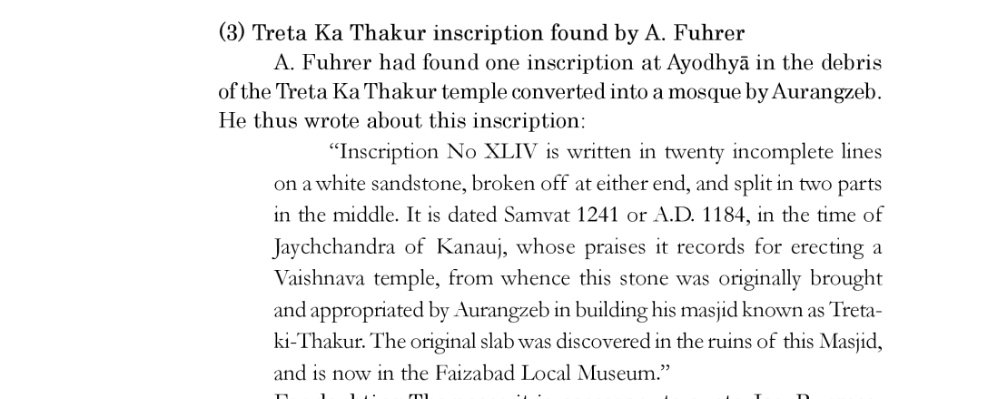
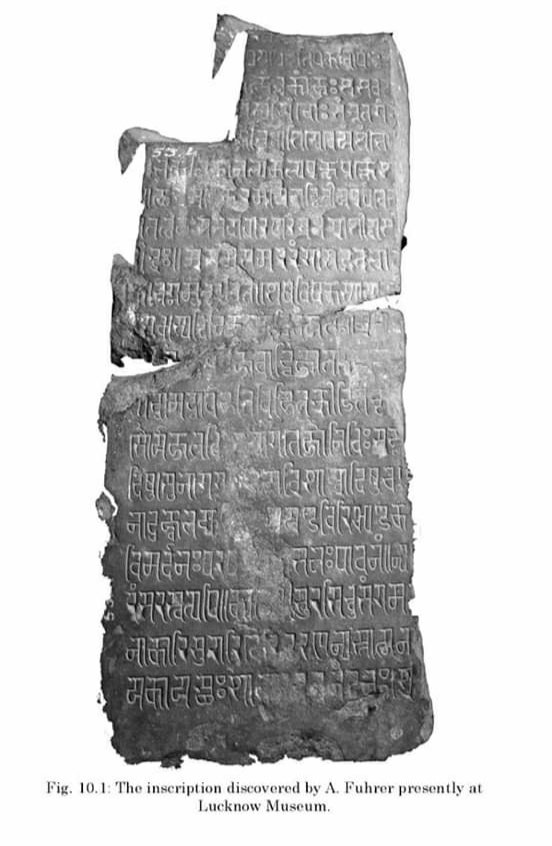
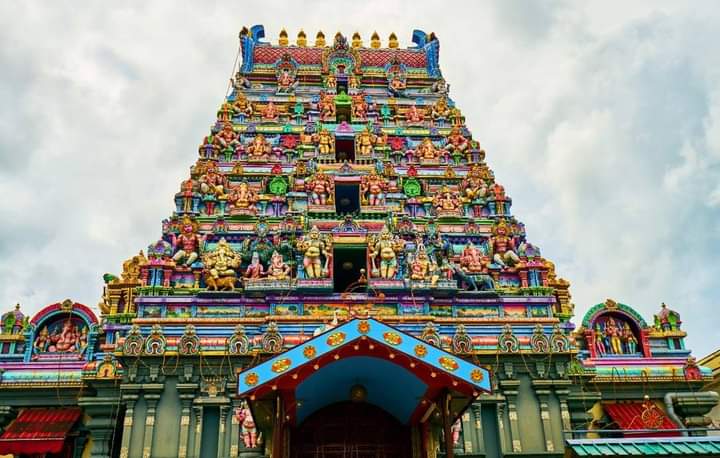
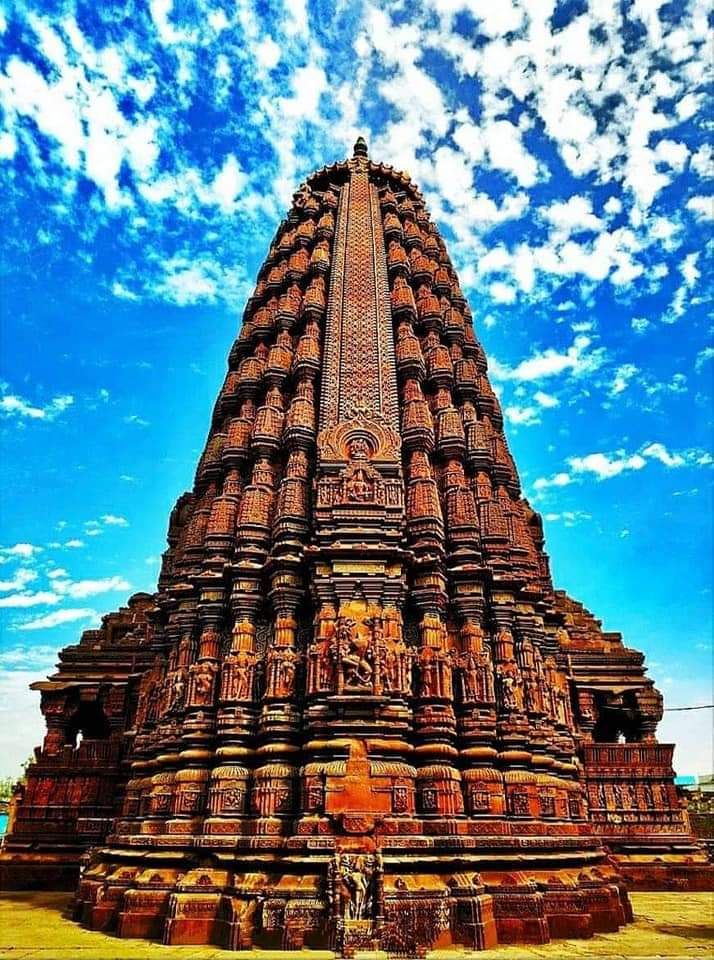
Indologist A. Fuhrer Found an Inscription in Ayodhya Dated to 1184AD, which Praises King Jayachandra Of Kannauj who Erected a Vaishnava (Ram) Temple at Treta-ke-Thakur In Ayodhya.

Ironically, today He is labeled as Traitor to Hindu cause.
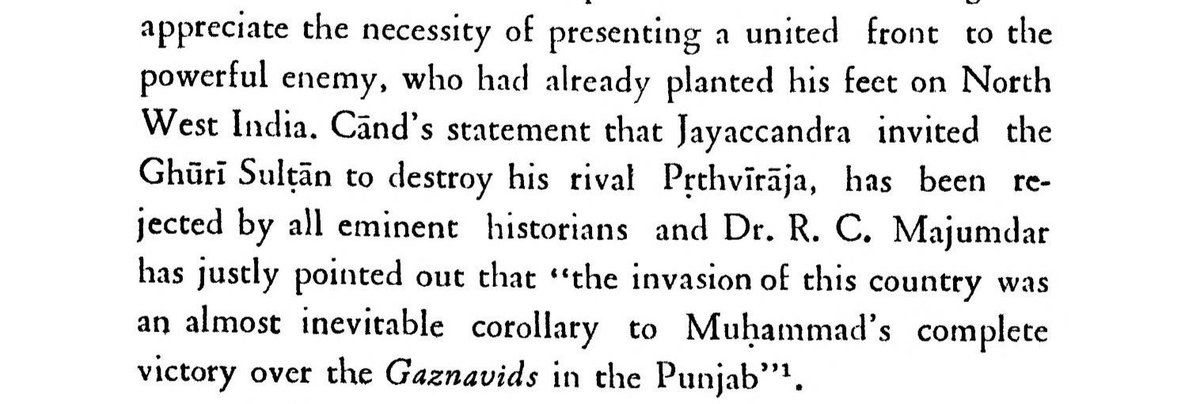
The Most Popular Source which Adds to thi myth of Jayachandra Being a Traitor, is Prithviraj Raso of ChandBardai, Which is Grossly Inaccurate.

This theory has been Rejected by All Eminent Historians.
After Defeat of Prithviraj in 1192 AD, Mlecchas Turned their Attention towards Rich kingdom of Kannauj.

A Brutal Battle took Place in 1194 AD, where, Unfortunately Jaichandra was struck by An Arrow and killed.

Later, His Treasury was Looted, and 1000 Temples were Razed.
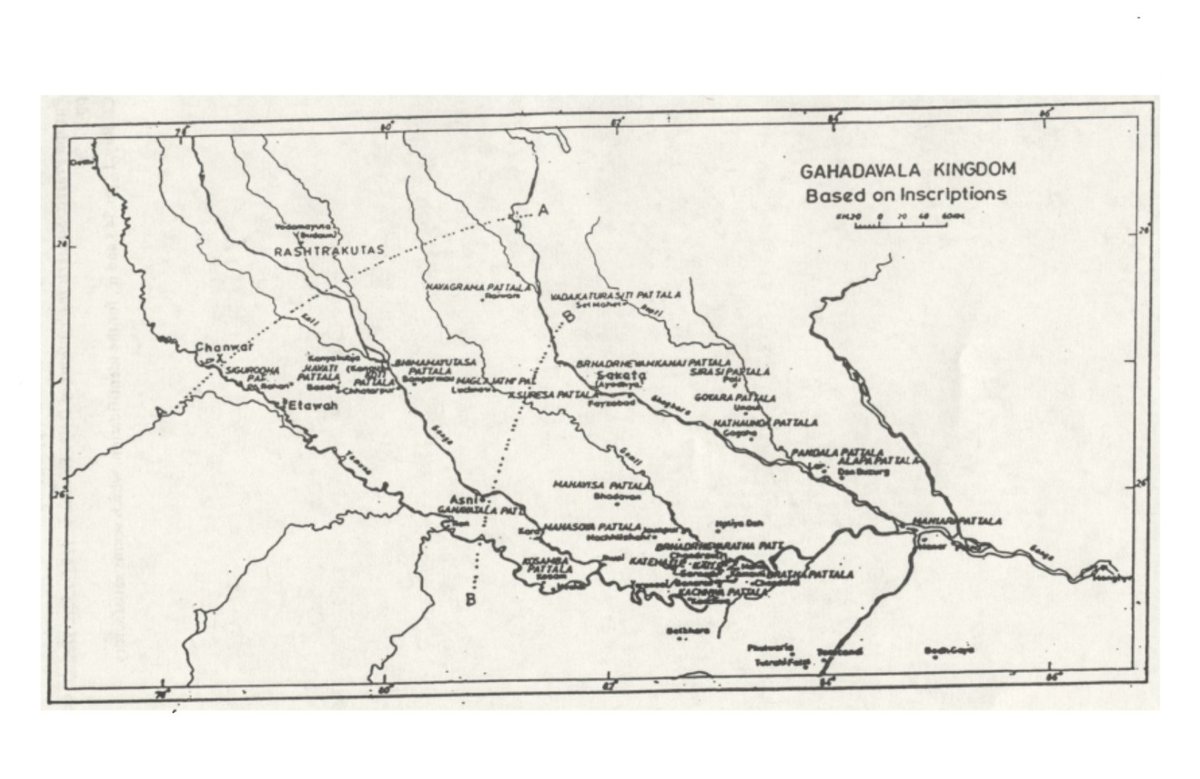
Jayachandra Ruled over an Extensive territory Including Most of Present Day UP, in South East Upto River son, in East Nearly Upto Patna and Gaya.

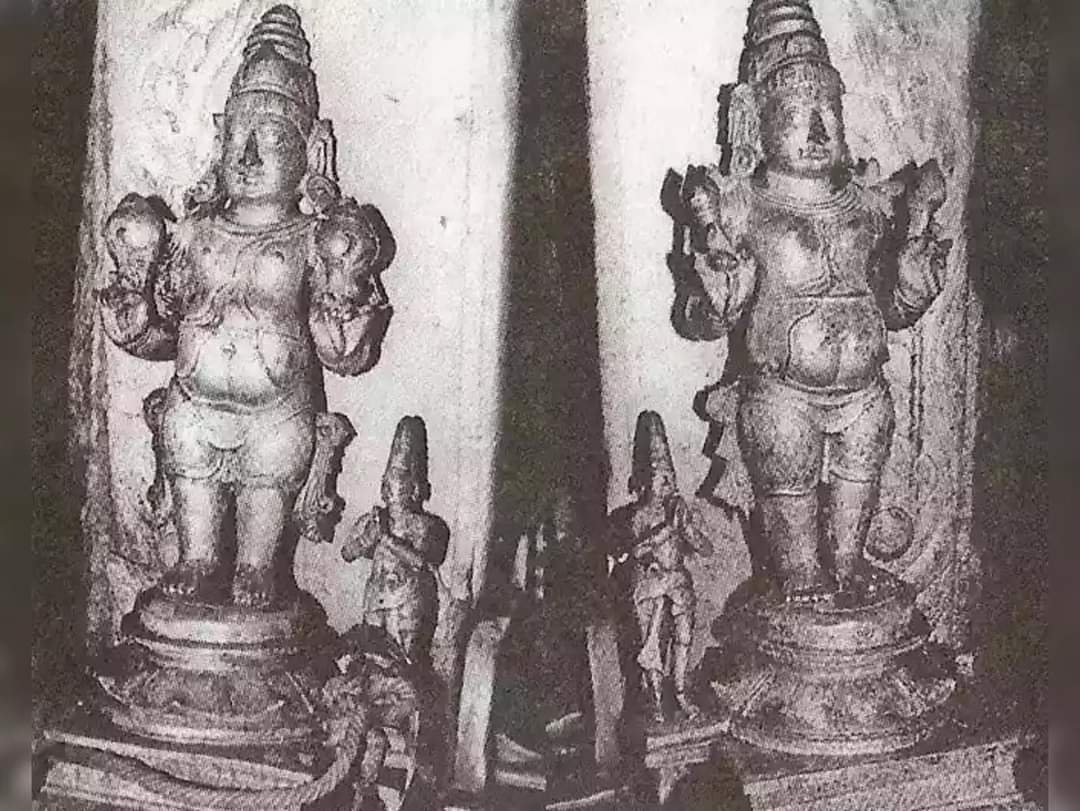
Here's the Inscription found by A. Führer, Now in Lucknow Museum.

*****END OF THREAD*****
Sources:
Proceedings of the Indian History Congress
Vol. 63 (2002)

History of Kanauj to the Moslem Conquest by Rama Shankar Tripathi

The history of the Gahadavala Dynasty
Roma Niyogi

More from History

Thank you so much to the incredible @gregjenner and his team for having me on "You're Dead to Me" and to @kaekurd for being so hilarious and bringing Gilgamesh the restaurant into my life!

Here’s a thread of some of the stuff referenced in the podcast for those interested


First of all, what even is cuneiform?

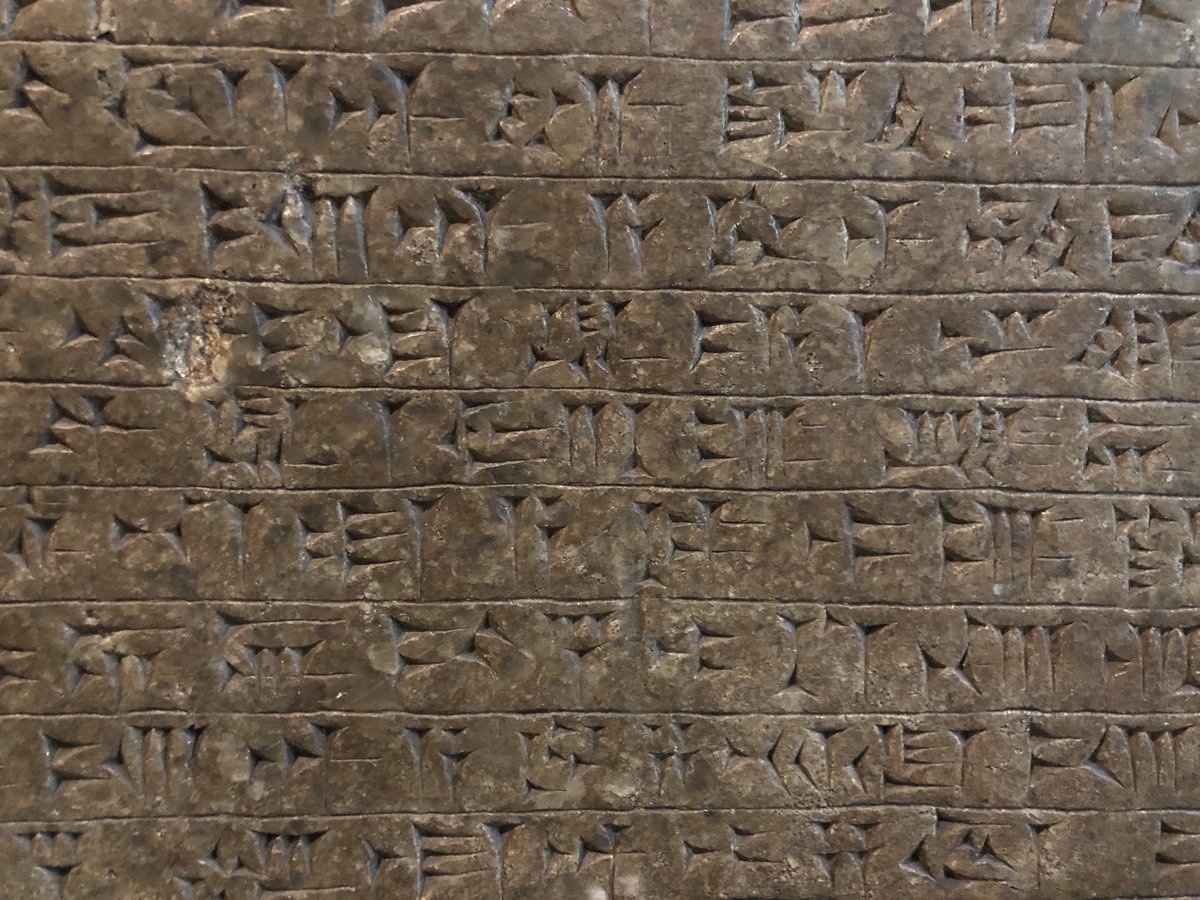
It’s a writing system from the ancient Middle East, used to write several languages like Sumerian and Akkadian. Cuneiform signs can stand for whole words or syllables. Here’s a little primer of its evolution
https://t.co/7CVjLCHwkS


What kinds of texts was cuneiform used to write?

Initially, accounting records and lists.

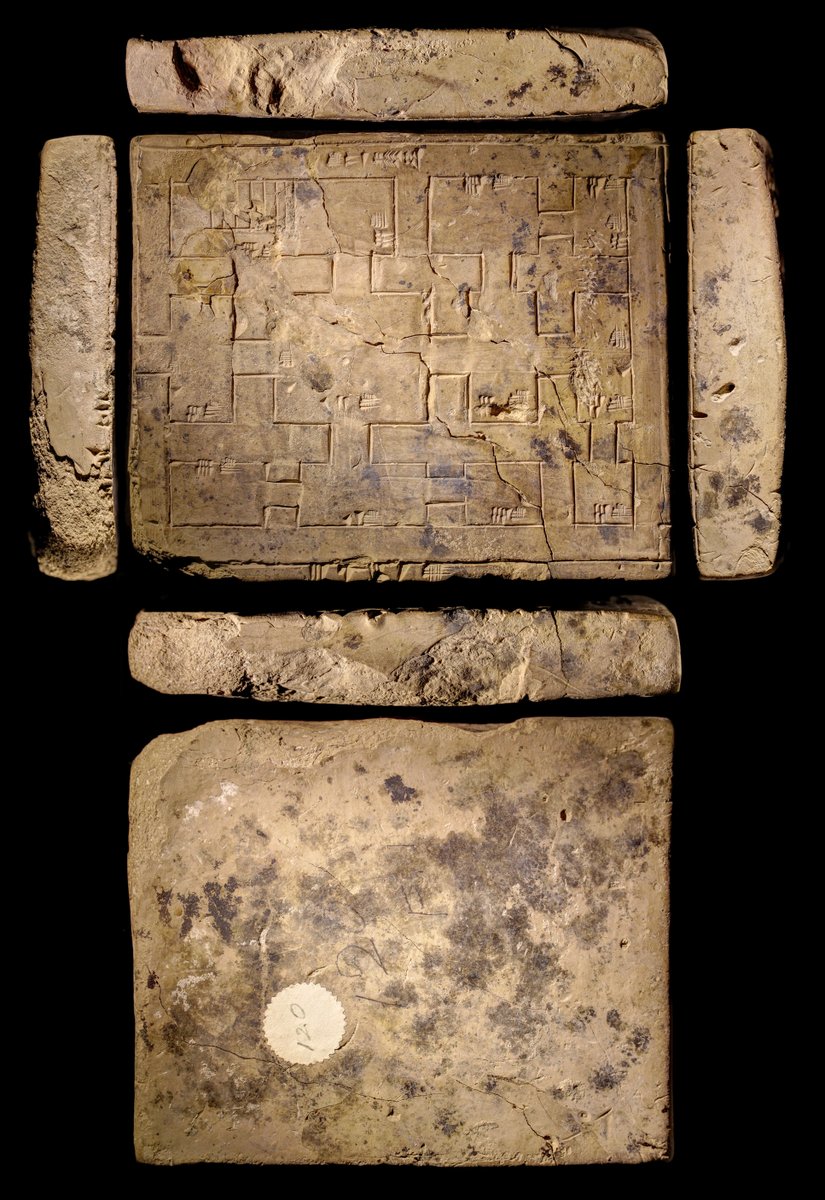
Eventually, literature, astronomy, medicine, maps, architectural plans, omens, letters, contracts, law collections, and more.


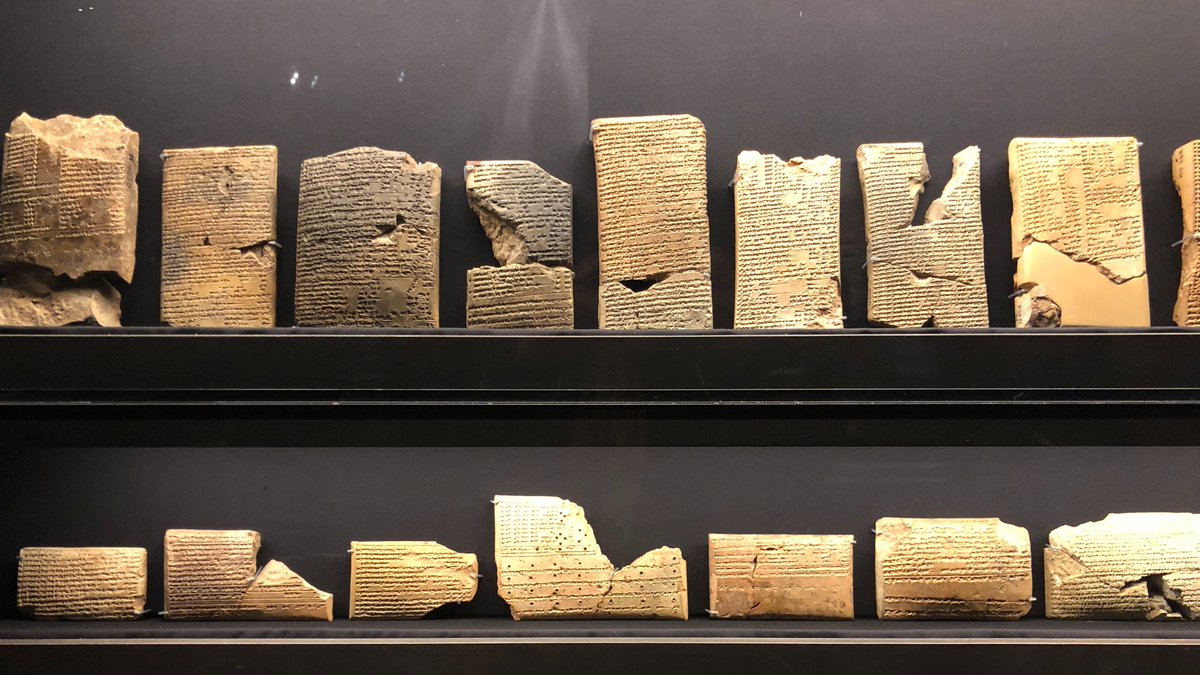
Texts from the Library of Ashurbanipal, who ruled the ancient Assyrian empire when it was at its largest in the 7th century BCE, represent many of the genres of cuneiform texts and scholarship.

Here’s a short intro to the library via @opencuneiform https://t.co/wjnaxpMRrC


The Library of Ashurbanipal has a complicated modern and ancient history, which you can read about in this brilliant (and open access) book by Prof @Eleanor_Robson

You May Also Like

The entire discussion around Facebook’s disclosures of what happened in 2016 is very frustrating. No exec stopped any investigations, but there were a lot of heated discussions about what to publish and when.


In the spring and summer of 2016, as reported by the Times, activity we traced to GRU was reported to the FBI. This was the standard model of interaction companies used for nation-state attacks against likely US targeted.

In the Spring of 2017, after a deep dive into the Fake News phenomena, the security team wanted to publish an update that covered what we had learned. At this point, we didn’t have any advertising content or the big IRA cluster, but we did know about the GRU model.

This report when through dozens of edits as different equities were represented. I did not have any meetings with Sheryl on the paper, but I can’t speak to whether she was in the loop with my higher-ups.

In the end, the difficult question of attribution was settled by us pointing to the DNI report instead of saying Russia or GRU directly. In my pre-briefs with members of Congress, I made it clear that we believed this action was GRU.