1) The Soviet liberation of Auschwitz is a deeply symbolic event, but it is worth noting that allied forces were liberating Nazi camps until May of 1945. Unspeakable suffering and death continued for months
On this day in 1945 Soviet forces liberated Auschwitz-Birkenau. It was the largest concentration and death camp. 1.1 million people, 90% of them Jews, were murdered there. Today it is an international day of commemoration, to honor the memory of all victims of Nazi extermination.
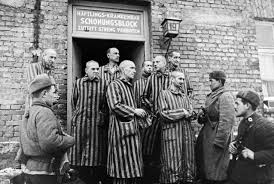
1) The Soviet liberation of Auschwitz is a deeply symbolic event, but it is worth noting that allied forces were liberating Nazi camps until May of 1945. Unspeakable suffering and death continued for months
The seeds for the Holocaust were laid long before Auschwitz was opened, and the Holocaust continued after its liberation.
Auschwitz, generally taken to be an adequate or even a final symbol of the evil of mass killing, is in fact only the beginning of knowledge, a hint of the true reckoning with the past still to come.
https://t.co/FuqXkJj1Zk
Most were executed across what is today Poland, Belarus, Ukraine, and the Baltic states. Few ever saw a camp
I wrote about this at some length the last time there was a controversy involving Anne Frank.
https://t.co/l1EI17uGiq
The Nazis didn't see themselves as the bad guys. Neither did the Germans who voted for them or the people who collaborated with them.
Ask yourself what you have in common with our persecutors.
Do you take ownership of your responsibility to oppose these forces?
More from History




You May Also Like


Krugman is, of course, right about this. BUT, note that universities can do a lot to revitalize declining and rural regions.
See this thing that @lymanstoneky wrote:
And see this thing that I wrote:
And see this book that @JamesFallows wrote:
And see this other thing that I wrote:
One thing I've been noticing about responses to today's column is that many people still don't get how strong the forces behind regional divergence are, and how hard to reverse 1/ https://t.co/Ft2aH1NcQt
— Paul Krugman (@paulkrugman) November 20, 2018
See this thing that @lymanstoneky wrote:
And see this thing that I wrote:
And see this book that @JamesFallows wrote:
And see this other thing that I wrote: