
Well said VW. I would like to contribute to your thread. Charity or Dāna as we Sanatanis like to call it is very much a part of our culture but it is quite different from that of Abrahamic faiths.
Read on.
#Thread
#KrishnaLeela
#InternationalVolunteerDay
New propaganda going on that there is no concept of charity in Hinduism like christianity
— Vedic Wisdom...\u0950 (@VedicWisdom1) December 4, 2020
Truth -
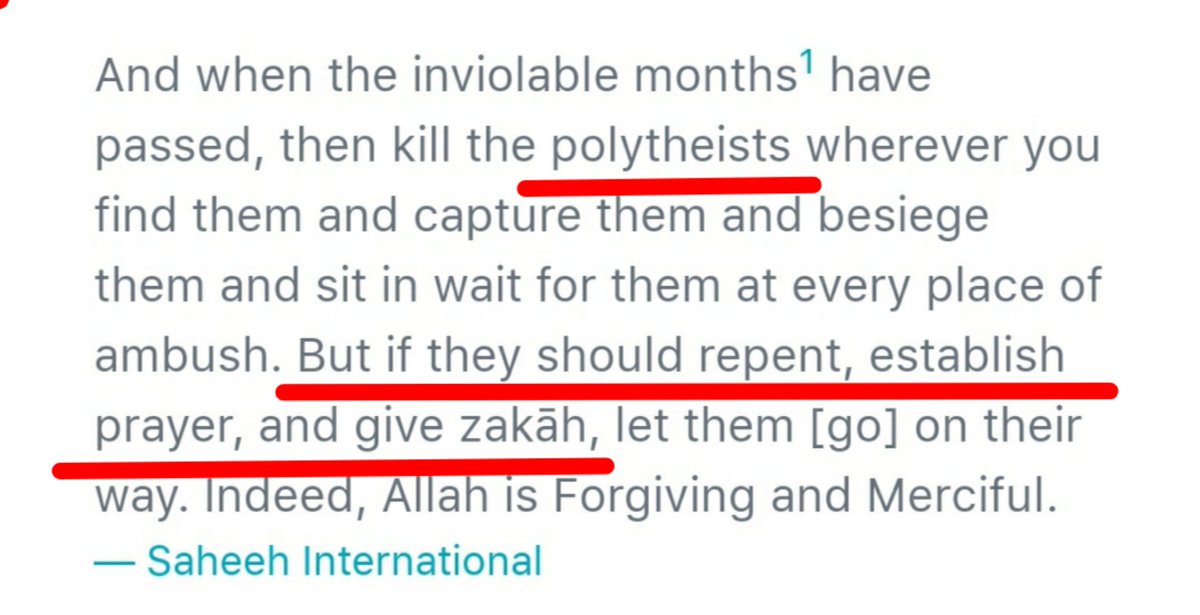
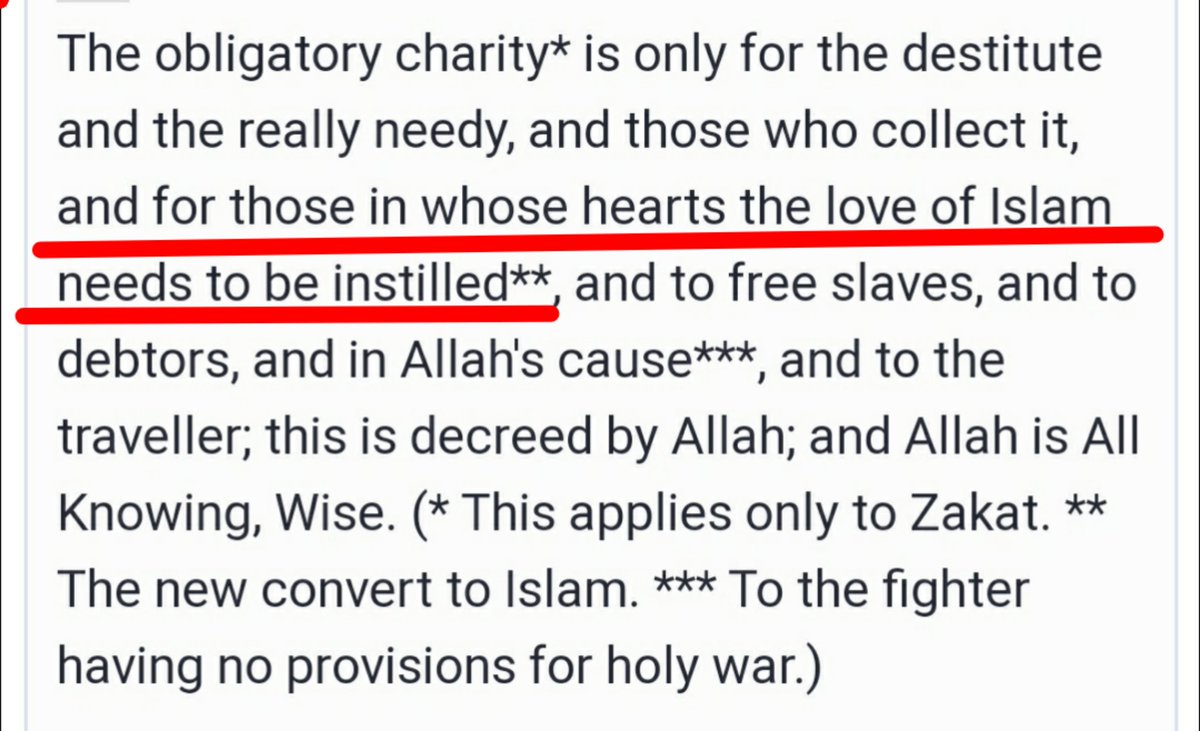
Christian charity is for conversion only,
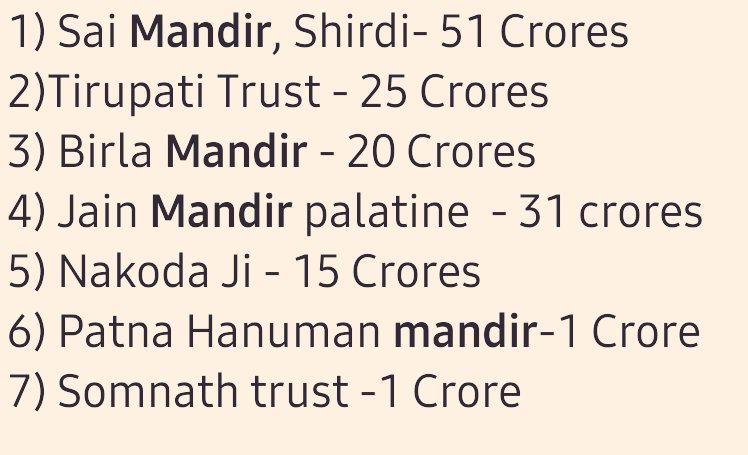
Charity is not only part of Hinduism but hindu society is based on Charity.
In fact our mothers still keep aside food for cows and dogs pic.twitter.com/MwxUBoXX06
#BhagavadGita
#KrishnaLeela

#talesofkrishna

तदेतत्त्रयँ शिक्षेद् दमं दानं दयामिति
Learn three cardinal virtues - self restraint, charity and compassion for all life.
— Brihadaranyaka Upanishad, V.ii.3
dānamekaṁ kalau yuge
“In the age of Kali, giving in charity is the means for purification.”
-Bhaviṣhya Purāṇ
kartavyo viniyogaśhcha īśhvaraprityarthameva cha
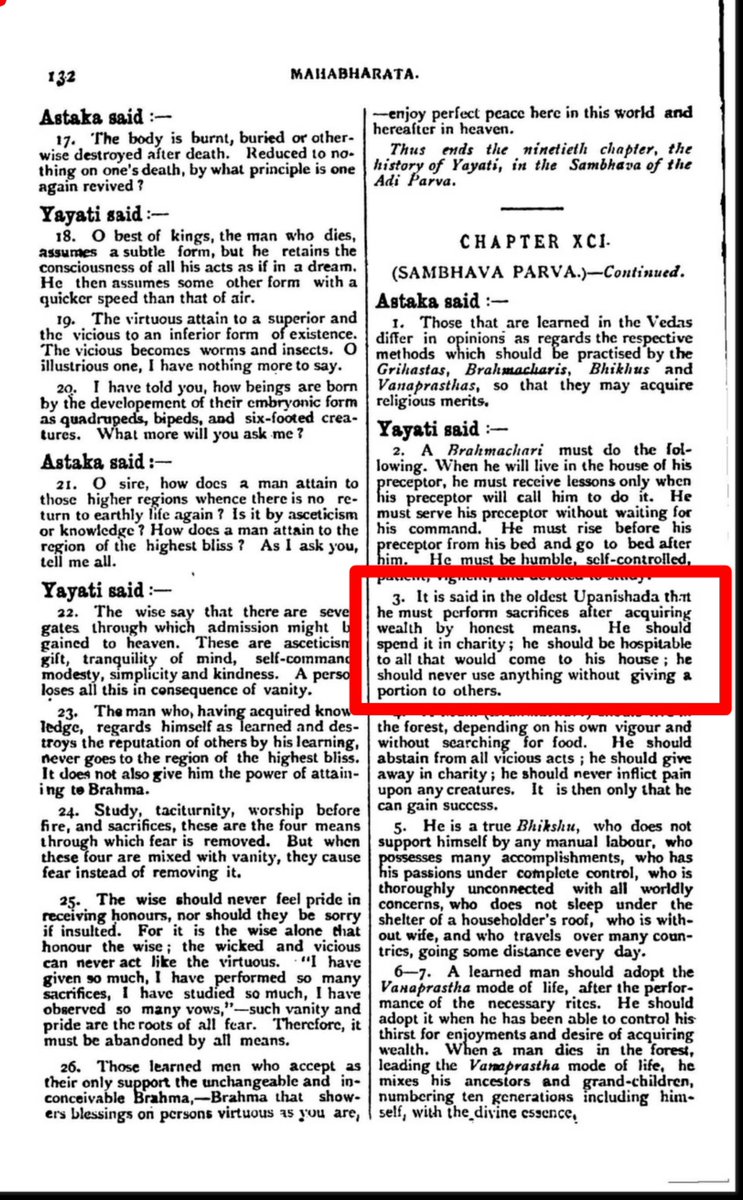
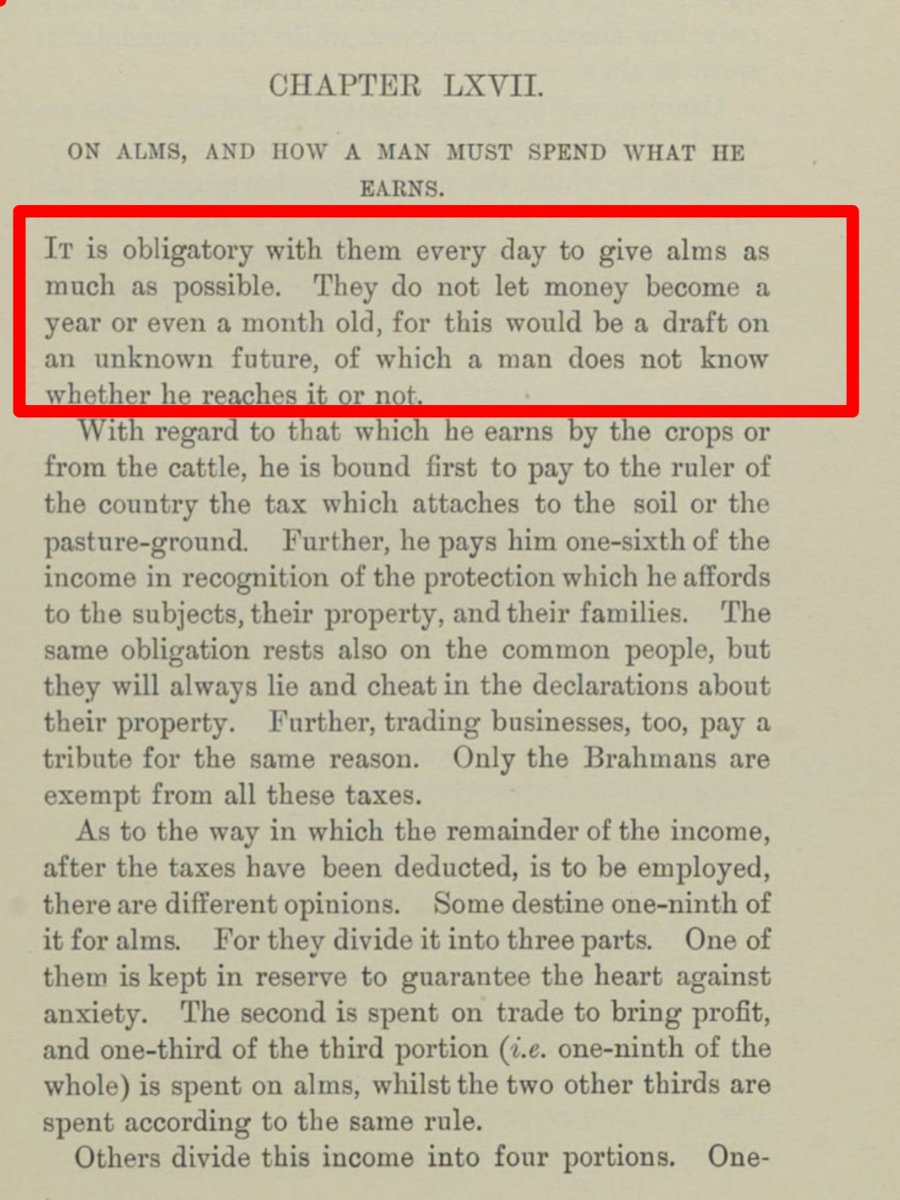
“From the wealth you have earned by rightful means, take out one-tenth, and as a matter of duty,give it away in charity. Dedicate your charity for the pleasure of God.”
-Skandh Purāṇ
jena kena bidhi dīnheṅ dāna karai kalyāna [v6]
“Dharma has four basic tenets, one amongst which is the most important in the age of Kali—give in charity by whatever means possible.”
-Ramayana
- Mahabharata
You May Also Like


These 10 threads will teach you more than reading 100 books
Five billionaires share their top lessons on startups, life and entrepreneurship (1/10)
10 competitive advantages that will trump talent (2/10)
Some harsh truths you probably don’t want to hear (3/10)
10 significant lies you’re told about the world (4/10)
Five billionaires share their top lessons on startups, life and entrepreneurship (1/10)
I interviewed 5 billionaires this week
— GREG ISENBERG (@gregisenberg) January 23, 2021
I asked them to share their lessons learned on startups, life and entrepreneurship:
Here's what they told me:
10 competitive advantages that will trump talent (2/10)
To outperform, you need serious competitive advantages.
— Sahil Bloom (@SahilBloom) March 20, 2021
But contrary to what you have been told, most of them don't require talent.
10 competitive advantages that you can start developing today:
Some harsh truths you probably don’t want to hear (3/10)
I\u2019ve gotten a lot of bad advice in my career and I see even more of it here on Twitter.
— Nick Huber (@sweatystartup) January 3, 2021
Time for a stiff drink and some truth you probably dont want to hear.
\U0001f447\U0001f447
10 significant lies you’re told about the world (4/10)
THREAD: 10 significant lies you're told about the world.
— Julian Shapiro (@Julian) January 9, 2021
On startups, writing, and your career:




1/“What would need to be true for you to….X”
Why is this the most powerful question you can ask when attempting to reach an agreement with another human being or organization?
A thread, co-written by @deanmbrody:
2/ First, “X” could be lots of things. Examples: What would need to be true for you to
- “Feel it's in our best interest for me to be CMO"
- “Feel that we’re in a good place as a company”
- “Feel that we’re on the same page”
- “Feel that we both got what we wanted from this deal
3/ Normally, we aren’t that direct. Example from startup/VC land:
Founders leave VC meetings thinking that every VC will invest, but they rarely do.
Worse over, the founders don’t know what they need to do in order to be fundable.
4/ So why should you ask the magic Q?
To get clarity.
You want to know where you stand, and what it takes to get what you want in a way that also gets them what they want.
It also holds them (mentally) accountable once the thing they need becomes true.
5/ Staying in the context of soliciting investors, the question is “what would need to be true for you to want to invest (or partner with us on this journey, etc)?”
Multiple responses to this question are likely to deliver a positive result.
Why is this the most powerful question you can ask when attempting to reach an agreement with another human being or organization?
A thread, co-written by @deanmbrody:
Next level tactic when closing a sale, candidate, or investment:
— Erik Torenberg (@eriktorenberg) February 27, 2018
Ask: \u201cWhat needs to be true for you to be all in?\u201d
You'll usually get an explicit answer that you might not get otherwise. It also holds them accountable once the thing they need becomes true.
2/ First, “X” could be lots of things. Examples: What would need to be true for you to
- “Feel it's in our best interest for me to be CMO"
- “Feel that we’re in a good place as a company”
- “Feel that we’re on the same page”
- “Feel that we both got what we wanted from this deal
3/ Normally, we aren’t that direct. Example from startup/VC land:
Founders leave VC meetings thinking that every VC will invest, but they rarely do.
Worse over, the founders don’t know what they need to do in order to be fundable.
4/ So why should you ask the magic Q?
To get clarity.
You want to know where you stand, and what it takes to get what you want in a way that also gets them what they want.
It also holds them (mentally) accountable once the thing they need becomes true.
5/ Staying in the context of soliciting investors, the question is “what would need to be true for you to want to invest (or partner with us on this journey, etc)?”
Multiple responses to this question are likely to deliver a positive result.