Syngene & CRAMS are synonymous in the Indian stock market today.

From Early Discovery to Commercial Supply

NMEs cater to

~Pharmaceutical
~Biotechnology,
~Nutrition
~Animal health
~Consumer goods
~Speciality chemical

In this thread, let’s deep dive into their FY20 AR

1/
Syngene works with clients from around the world to find solutions to their research, development, and manufacturing challenges for small and large molecules while improving productivity, speeding up time-to-market, and lowering the cost of innovation.

Syngene At a Glance
2/

Plans

~Capacity Addition
~Capacity Expansion
~Partnering for Success

Vision: “To be a world-class partner delivering innovative scientific solutions”
3/

Kiran Mazumdar Shaw, Chairperson’s Message
4/

Jonathan Hunt, MD & CEO’s message
5/

Business Divisions

~Discover Services
~Development Services
~Manufacturing Services
~Dedicated R&D Centers
6/

~Industries Covered

~Client Footprint
7/

Operational Performance
8/

Syngene’s Journey in a Snapshot
9/

Milestones Achieved from 2016-20
10/

~Healthcare CRO market: Type estimates & trend analysis

~Dose CMO market size by revenue, 2009-2018

~Proportion of Top 10 best-selling drugs that are biologic drugs
11/

~Value Creation Model

~Services

~Partnering Model

Fee for Services
Full-Time Equivalent
Dedicated Centers
12/

Strategic Priorities

~Capture the opportunity in biopharmaceuticals

~Foster continuous improvement

~Deliver added value from integrated discovery and development projects
13/

Business Review:

~Discovery Services
~Development Services
~Dedicated R&D Centers
~Manufacturing Services
If after ARs & concalls you are hungry for more:

~Check tweets of @unseenvalue & @punitbansal14
~Watch the video and blog by @ishmohit1 & his team at @soicfinance
~Check out @AnishA_Moonka on Biologics @JstInvestments

And do wait for our 5 Min Stock Idea

Coming Soon!🙂

More from Smart Sync Services

More from Health

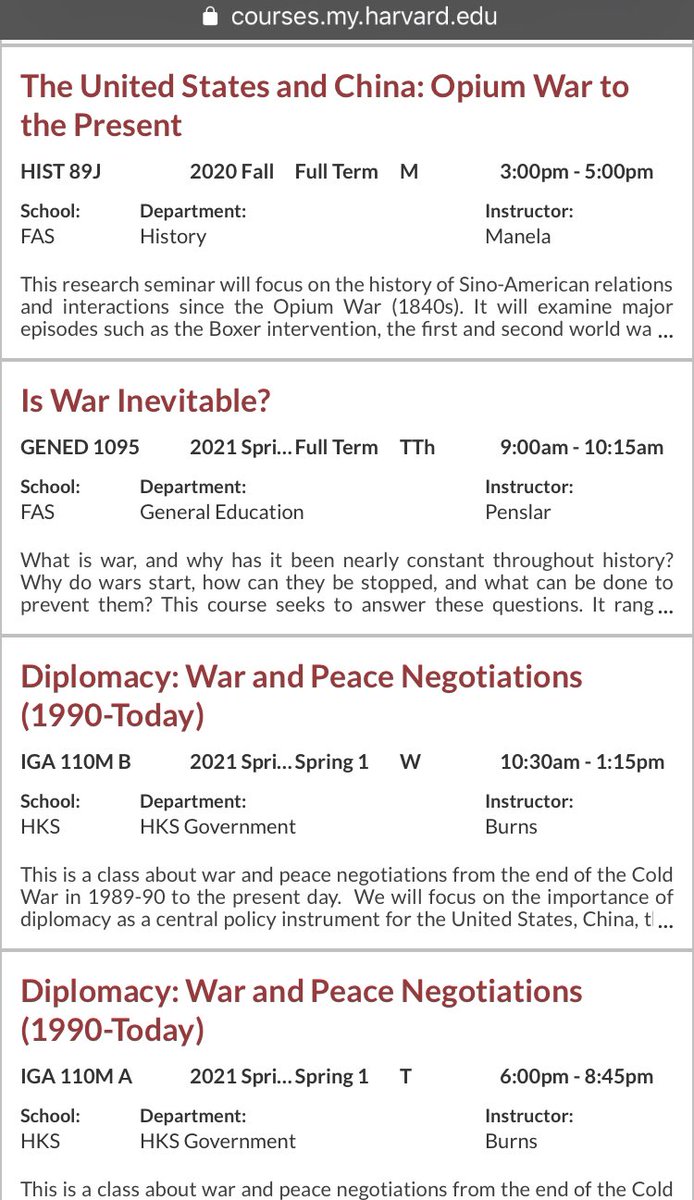
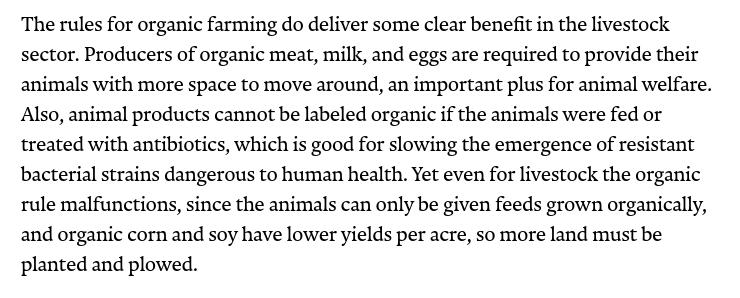
Now you know I love to sh-t in Harvard. But I also like accuracy. So I decided to go look at Harvard’s catalog to see its lack of military history that this article describes (they only teach history of pets it claims) and what I found shocked me! Shocked me! A thread: 1/


First off, Harvard students literally have multiple sections of military history that they can take listed. (It appears these ones are taught at MIT, so they might have to walk down the street for these) but... 2/


Say they want to stay on campus...they can only take numerous classes on war and diplomacy...3/


They have an entire class on Yalta. That’s right. An entire class on Yalta. 4/


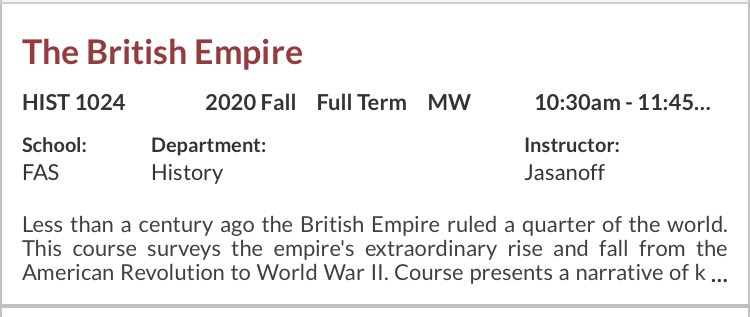
But wait! There is more! They can take the British Empire, The Fall of the Roman Empire for those wanting traditional topics... 5/

You May Also Like

The first ever world map was sketched thousands of years ago by Indian saint
“Ramanujacharya” who simply translated the following verse from Mahabharat and gave the world its real face

In Mahabharat,it is described how 'Maharishi Ved Vyasa' gave away his divine vision to Sanjay


Dhritarashtra's charioteer so that he could describe him the events of the upcoming war.

But, even before questions of war could begin, Dhritarashtra asked him to describe how the world looks like from space.

This is how he described the face of the world:

सुदर्शनं प्रवक्ष्यामि द्वीपं तु कुरुनन्दन। परिमण्डलो महाराज द्वीपोऽसौ चक्रसंस्थितः॥
यथा हि पुरुषः पश्येदादर्शे मुखमात्मनः। एवं सुदर्शनद्वीपो दृश्यते चन्द्रमण्डले॥ द्विरंशे पिप्पलस्तत्र द्विरंशे च शशो महान्।

—वेद व्यास, भीष्म पर्व, महाभारत


Meaning:-

हे कुरुनन्दन ! सुदर्शन नामक यह द्वीप चक्र की भाँति गोलाकार स्थित है, जैसे पुरुष दर्पण में अपना मुख देखता है, उसी प्रकार यह द्वीप चन्द्रमण्डल में दिखायी देता है। इसके दो अंशो मे पीपल और दो अंशो मे विशाल शश (खरगोश) दिखायी देता है।


Meaning: "Just like a man sees his face in the mirror, so does the Earth appears in the Universe. In the first part you see leaves of the Peepal Tree, and in the next part you see a Rabbit."

Based on this shloka, Saint Ramanujacharya sketched out the map, but the world laughed
So the cryptocurrency industry has basically two products, one which is relatively benign and doesn't have product market fit, and one which is malignant and does. The industry has a weird superposition of understanding this fact and (strategically?) not understanding it.

The benign product is sovereign programmable money, which is historically a niche interest of folks with a relatively clustered set of beliefs about the state, the literary merit of Snow Crash, and the utility of gold to the modern economy.

This product has narrow appeal and, accordingly, is worth about as much as everything else on a 486 sitting in someone's basement is worth.

The other product is investment scams, which have approximately the best product market fit of anything produced by humans. In no age, in no country, in no city, at no level of sophistication do people consistently say "Actually I would prefer not to get money for nothing."

This product needs the exchanges like they need oxygen, because the value of it is directly tied to having payment rails to move real currency into the ecosystem and some jurisdictional and regulatory legerdemain to stay one step ahead of the banhammer.