
I New Year's day spent trying to understand what was at play here led by our friend, .@LLinWood , who was dropping nuggets of information gold. One wondered, What's going on? Can he be trusted? At one point, we even saw this from his
To be clear: I do not support the statements from Attorney Lin Wood. I support the rule of law and the U.S. Constitution.
— Jenna Ellis (@JennaEllisEsq) January 2, 2021
More from Government


WOW, Mike Gapes and Joan Ryan are non-Labour JLM conference attendees discussing disciplinary processes with Keir Starmer and Angela Rayner but not a privilege afforded to the people who pay the wages of the party machine. #LabourLeaks #StarmerOut #LFI https://t.co/XZDKR5FmXC

So what should Peter Mandelson talk about at the recent Jewish Labour Movement conference – his worries that an independent process will hamper the party leader Keir Starmer?. #LabourLeaks #StarmerOut #LFI

Mandelson “was there in the 1980s and understands where the power bases of the right are, and how it should be exercised”. Who needs independent processes or oversight when you are in the driving seat?. #LabourLeaks #StarmerOut #LFI
Poale Zion trades as Jewish Labour Movement is a part of the Zionist Federation of the UK and organise within the World Zionist Organisation. You do NOT have to be Jewish or a member of the Labour Party to join. JLM contains CIA asset Ruth Smeeth. #LabourLeaks #StarmerOut #BICOM

Ruth Smeeth, one of the 60 plus anti-Corbyn resignations from the shadow cabinet, formerly held a post with the lobby group, Trevor Chinn's Britain Israel Communications and Research Centre (BICOM). #StarmerOut #BICOM #JLM https://t.co/H2a9vnsnRP

So what should Peter Mandelson talk about at the recent Jewish Labour Movement conference – his worries that an independent process will hamper the party leader Keir Starmer?. #LabourLeaks #StarmerOut #LFI
Mandelson “was there in the 1980s and understands where the power bases of the right are, and how it should be exercised”. Who needs independent processes or oversight when you are in the driving seat?. #LabourLeaks #StarmerOut #LFI
Poale Zion trades as Jewish Labour Movement is a part of the Zionist Federation of the UK and organise within the World Zionist Organisation. You do NOT have to be Jewish or a member of the Labour Party to join. JLM contains CIA asset Ruth Smeeth. #LabourLeaks #StarmerOut #BICOM
Ruth Smeeth, one of the 60 plus anti-Corbyn resignations from the shadow cabinet, formerly held a post with the lobby group, Trevor Chinn's Britain Israel Communications and Research Centre (BICOM). #StarmerOut #BICOM #JLM https://t.co/H2a9vnsnRP

2017 https://t.co/kiqQoWR57e

https://t.co/W18nqFlLru

The GOP got rid of the SCOTUS filibuster so they could jam through three fringy right-wing Alito clones, including one right before the election, but sure thing, bud.
“Uh, actually, they got rid of the SCOTUS filibuster because Harry Reid did it first for something totally different! I am very smart!”
No. Knock it off.
Here’s the thing about the “But Harry Reid...” excuse:
1. McConnell was holding up Obama nominees, some *for literal years* without a vote.
2. Had he *not* done that, Trump would have inherited *even more* vacant seats.
Sen. @JohnCornyn on budget reconciliation: "Chipping away at the rights of the minority may help you now. But you're sure to regret that someday." pic.twitter.com/12wwUkq43r
— The Hill (@thehill) February 1, 2021
https://t.co/W18nqFlLru
The GOP got rid of the SCOTUS filibuster so they could jam through three fringy right-wing Alito clones, including one right before the election, but sure thing, bud.
“Uh, actually, they got rid of the SCOTUS filibuster because Harry Reid did it first for something totally different! I am very smart!”
No. Knock it off.
Here’s the thing about the “But Harry Reid...” excuse:
1. McConnell was holding up Obama nominees, some *for literal years* without a vote.
2. Had he *not* done that, Trump would have inherited *even more* vacant seats.
You May Also Like

1/“What would need to be true for you to….X”
Why is this the most powerful question you can ask when attempting to reach an agreement with another human being or organization?
A thread, co-written by @deanmbrody:
2/ First, “X” could be lots of things. Examples: What would need to be true for you to
- “Feel it's in our best interest for me to be CMO"
- “Feel that we’re in a good place as a company”
- “Feel that we’re on the same page”
- “Feel that we both got what we wanted from this deal
3/ Normally, we aren’t that direct. Example from startup/VC land:
Founders leave VC meetings thinking that every VC will invest, but they rarely do.
Worse over, the founders don’t know what they need to do in order to be fundable.
4/ So why should you ask the magic Q?
To get clarity.
You want to know where you stand, and what it takes to get what you want in a way that also gets them what they want.
It also holds them (mentally) accountable once the thing they need becomes true.
5/ Staying in the context of soliciting investors, the question is “what would need to be true for you to want to invest (or partner with us on this journey, etc)?”
Multiple responses to this question are likely to deliver a positive result.
Why is this the most powerful question you can ask when attempting to reach an agreement with another human being or organization?
A thread, co-written by @deanmbrody:
Next level tactic when closing a sale, candidate, or investment:
— Erik Torenberg (@eriktorenberg) February 27, 2018
Ask: \u201cWhat needs to be true for you to be all in?\u201d
You'll usually get an explicit answer that you might not get otherwise. It also holds them accountable once the thing they need becomes true.
2/ First, “X” could be lots of things. Examples: What would need to be true for you to
- “Feel it's in our best interest for me to be CMO"
- “Feel that we’re in a good place as a company”
- “Feel that we’re on the same page”
- “Feel that we both got what we wanted from this deal
3/ Normally, we aren’t that direct. Example from startup/VC land:
Founders leave VC meetings thinking that every VC will invest, but they rarely do.
Worse over, the founders don’t know what they need to do in order to be fundable.
4/ So why should you ask the magic Q?
To get clarity.
You want to know where you stand, and what it takes to get what you want in a way that also gets them what they want.
It also holds them (mentally) accountable once the thing they need becomes true.
5/ Staying in the context of soliciting investors, the question is “what would need to be true for you to want to invest (or partner with us on this journey, etc)?”
Multiple responses to this question are likely to deliver a positive result.




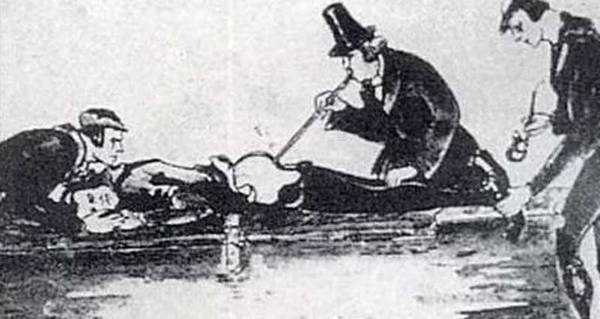

The YouTube algorithm that I helped build in 2011 still recommends the flat earth theory by the *hundreds of millions*. This investigation by @RawStory shows some of the real-life consequences of this badly designed AI.
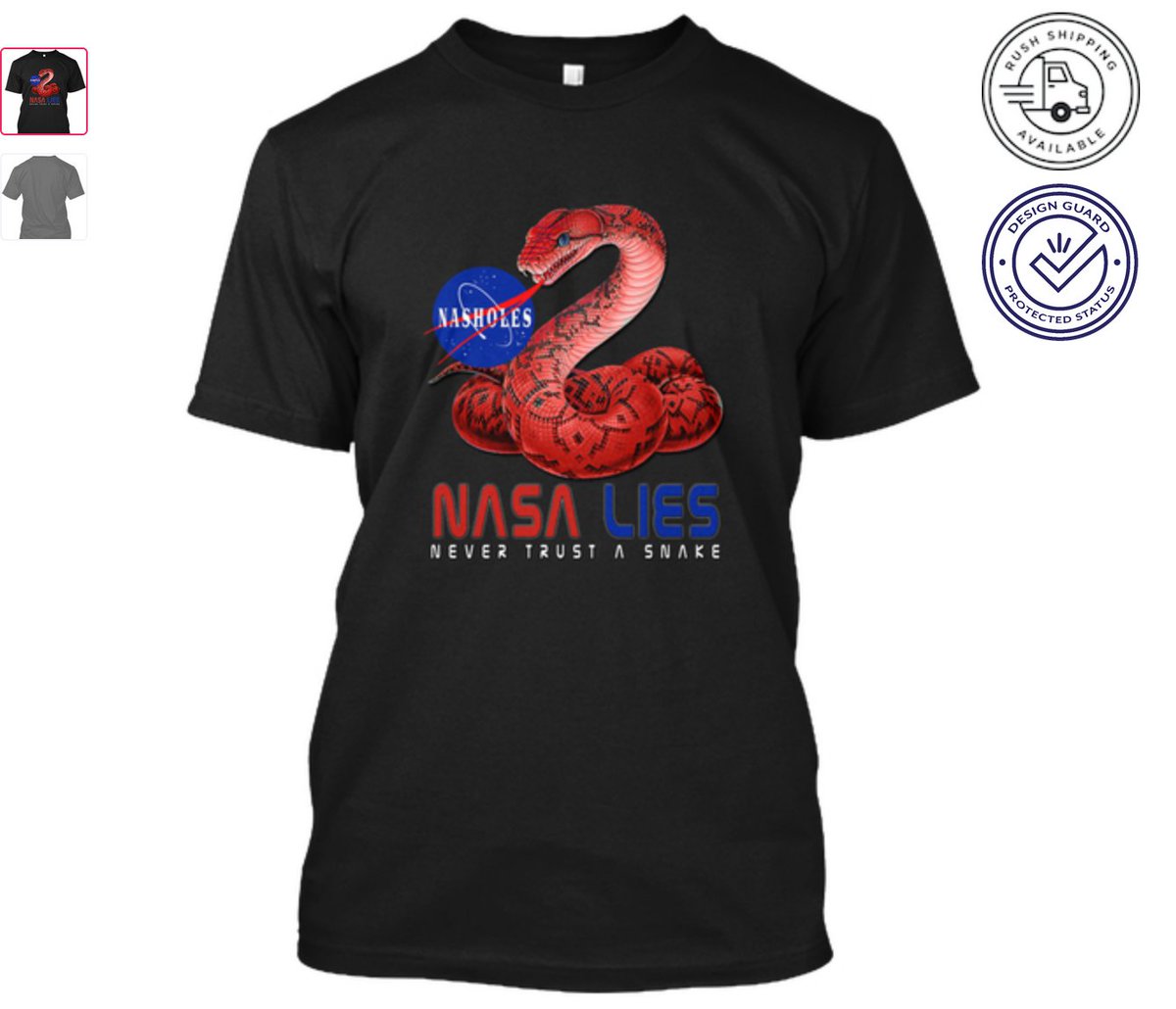
This spring at SxSW, @SusanWojcicki promised "Wikipedia snippets" on debated videos. But they didn't put them on flat earth videos, and instead @YouTube is promoting merchandising such as "NASA lies - Never Trust a Snake". 2/
A few example of flat earth videos that were promoted by YouTube #today:
https://t.co/TumQiX2tlj 3/
https://t.co/uAORIJ5BYX 4/
https://t.co/yOGZ0pLfHG 5/
Flat Earth conference attendees explain how they have been brainwashed by YouTube and Infowarshttps://t.co/gqZwGXPOoc
— Raw Story (@RawStory) November 18, 2018
This spring at SxSW, @SusanWojcicki promised "Wikipedia snippets" on debated videos. But they didn't put them on flat earth videos, and instead @YouTube is promoting merchandising such as "NASA lies - Never Trust a Snake". 2/
A few example of flat earth videos that were promoted by YouTube #today:
https://t.co/TumQiX2tlj 3/
https://t.co/uAORIJ5BYX 4/
https://t.co/yOGZ0pLfHG 5/
