
1/ In response to some questions about release of some Capitol Hill defendants on bond pending trial, I offer this brief explainer. Detention is governed by the federal Bail Reform Act.
More from Government

1.
Act of 1871
This is VERY Long but it will end with a MEGA BOOM!
Bookmark it and read it in small bits to digest it all.
This info, comes from some reputable anons and my own digging, compiled together as a superthread!
InevitableET, IPOT... to name a few.
2.
https://t.co/udep5WEYUp
https://t.co/bnzeQek6zv

3.
The TL; DR version is they, by military force, and illegitimate legislature, amended the constitution against the will of The People and legally tricked us into becoming unwitting indentured slaves of human capital and resources to THE UNITED STATES OF AMERICA the corporation)
4.
Republic vs Democracy
-They needed to get away from the Republic and create a Democracy in order to drive us towards socialism and inevitably a dictatorship (National Socialist Party aka NAZI)

5.
Flag

Act of 1871
This is VERY Long but it will end with a MEGA BOOM!
Bookmark it and read it in small bits to digest it all.
This info, comes from some reputable anons and my own digging, compiled together as a superthread!
InevitableET, IPOT... to name a few.
2.
https://t.co/udep5WEYUp
https://t.co/bnzeQek6zv
3.
The TL; DR version is they, by military force, and illegitimate legislature, amended the constitution against the will of The People and legally tricked us into becoming unwitting indentured slaves of human capital and resources to THE UNITED STATES OF AMERICA the corporation)
4.
Republic vs Democracy
-They needed to get away from the Republic and create a Democracy in order to drive us towards socialism and inevitably a dictatorship (National Socialist Party aka NAZI)
5.
Flag


You May Also Like









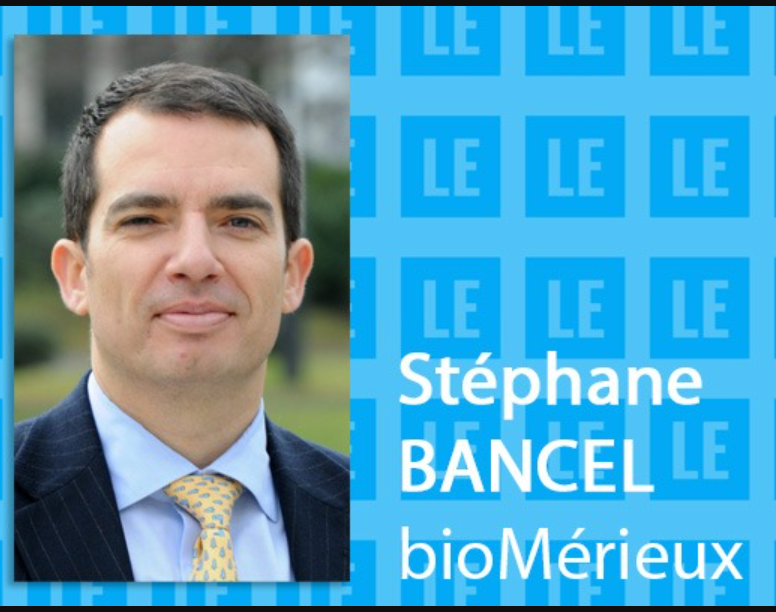
Moderna CEO Stephane Bancel was previously CEO of bioMerieux in France from 07-10.
Alain Merieux, who owns bioMerieux, was instrumental in the creation of the Wuhan Institute of Virology P4 Lab.
The same people who helped create the virus, also helped to create the vaccines...
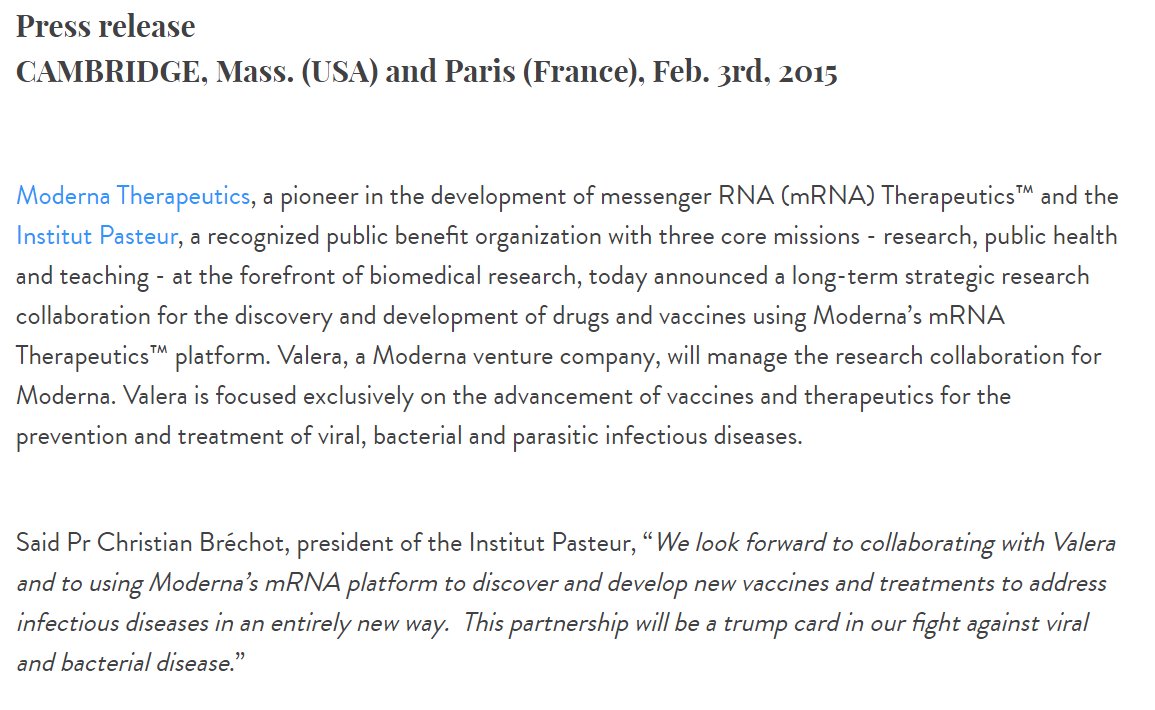
Moderna partnered with French Pasteur Institute in 2015 to develop mRNA vaccine technology.
Pasteur Institute partnered with the Wuhan P4 Laboratory in 2017 along with the Merieux Foundation to study emerging viruses...
https://t.co/yFsHwrNYaK
https://t.co/9M5lydBKhM
Nobel prize winning scientist Luc Montagnier asserts that Sars-Cov-2 is man-made and originated from the Wuhan Institute of Virology.
Montagnier did extensive work with the Pasteur Institute in France which was partnered with the Wuhan P4.
Merieux Foundation & the Chinese government have worked together since 1965, and partnered to study emerging pathogens in Africa in 2015.
Their research included "PATHOGENS CARRIED BY BATS" that provoke respiratory diseases.
🚨🚨🚨
https://t.co/gVwpT0ssqI

Alain Merieux, who owns bioMerieux, was instrumental in the creation of the Wuhan Institute of Virology P4 Lab.
The same people who helped create the virus, also helped to create the vaccines...
Moderna partnered with French Pasteur Institute in 2015 to develop mRNA vaccine technology.
Pasteur Institute partnered with the Wuhan P4 Laboratory in 2017 along with the Merieux Foundation to study emerging viruses...
https://t.co/yFsHwrNYaK
https://t.co/9M5lydBKhM
Nobel prize winning scientist Luc Montagnier asserts that Sars-Cov-2 is man-made and originated from the Wuhan Institute of Virology.
Montagnier did extensive work with the Pasteur Institute in France which was partnered with the Wuhan P4.
Merieux Foundation & the Chinese government have worked together since 1965, and partnered to study emerging pathogens in Africa in 2015.
Their research included "PATHOGENS CARRIED BY BATS" that provoke respiratory diseases.
🚨🚨🚨
https://t.co/gVwpT0ssqI


