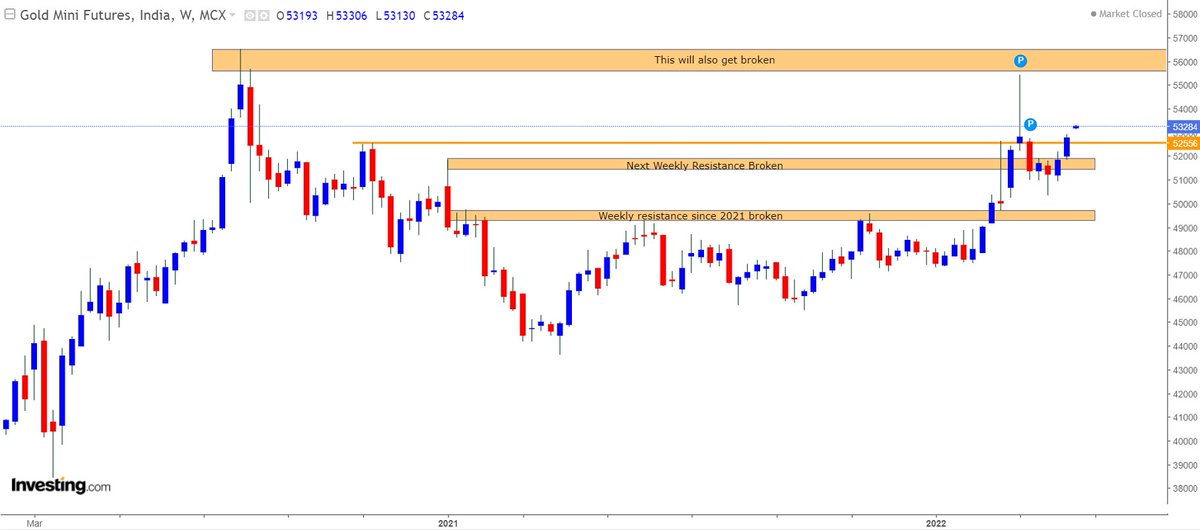
Gold taking bounce from support ! https://t.co/sPIay6edQU
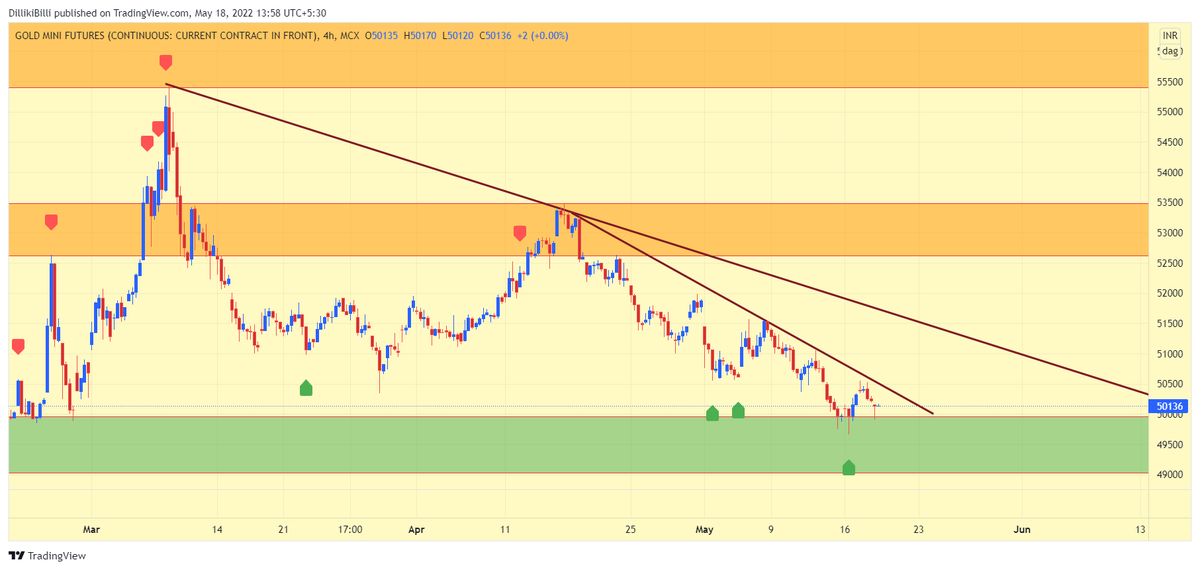
Gold is down for now, but every time demand is coming from the support zone.
— Professor (@DillikiBiili) May 8, 2022
I am bullish on Gold for long terms, as per me it would break its ATH resistance, my expected target is BRN of USD 3K/Oz. https://t.co/XT1l48pEx5 pic.twitter.com/8ViSeIPDzN
More from Professor
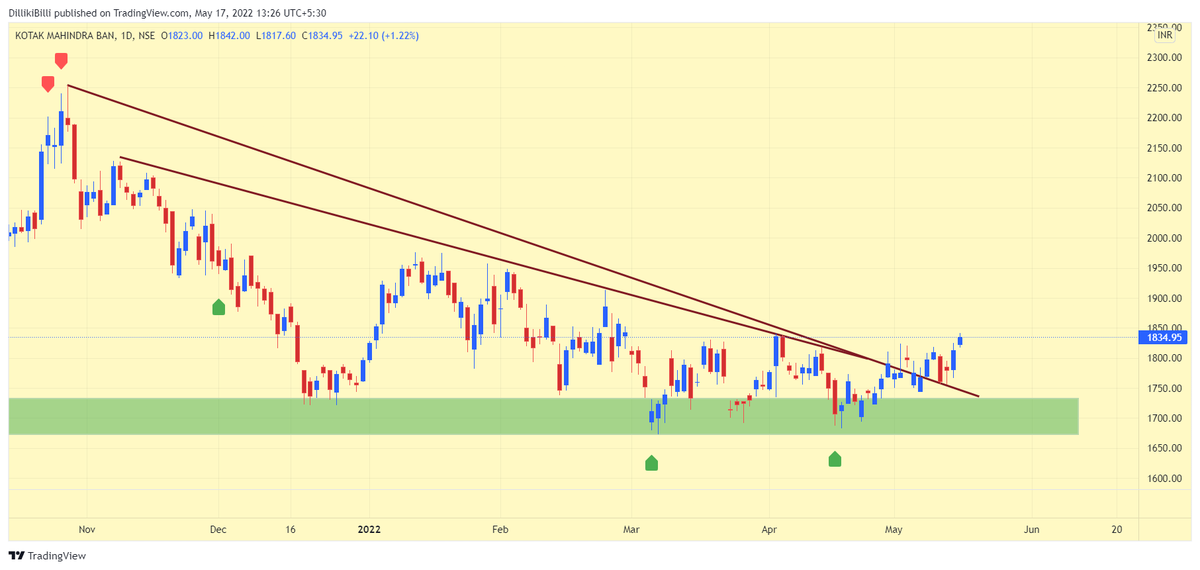
For finding potential breakout candidates, you may run this scanner daily EOD, whenever any new candidate props up, check its chart for signs of breakout.
You may modify & fine tune this as per your own criteria like adding RSI or ADX or other indicators. https://t.co/FdiPG1c4s0
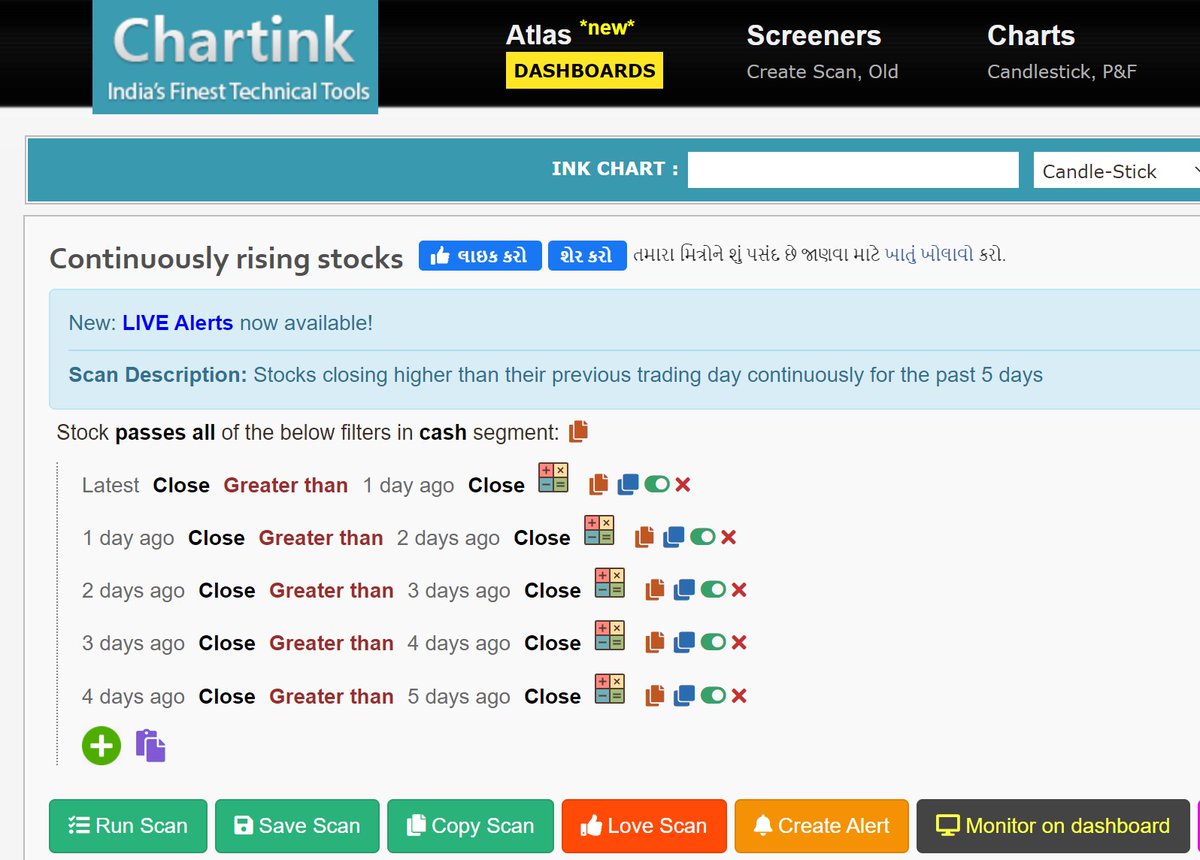
You may modify & fine tune this as per your own criteria like adding RSI or ADX or other indicators. https://t.co/FdiPG1c4s0
Bhai, can you please educate us, how do you find the breakout stocks? I mean which scanner? Any inputs would be much helpful.
— Loyalty Respect (@Novicetrader99) October 1, 2021
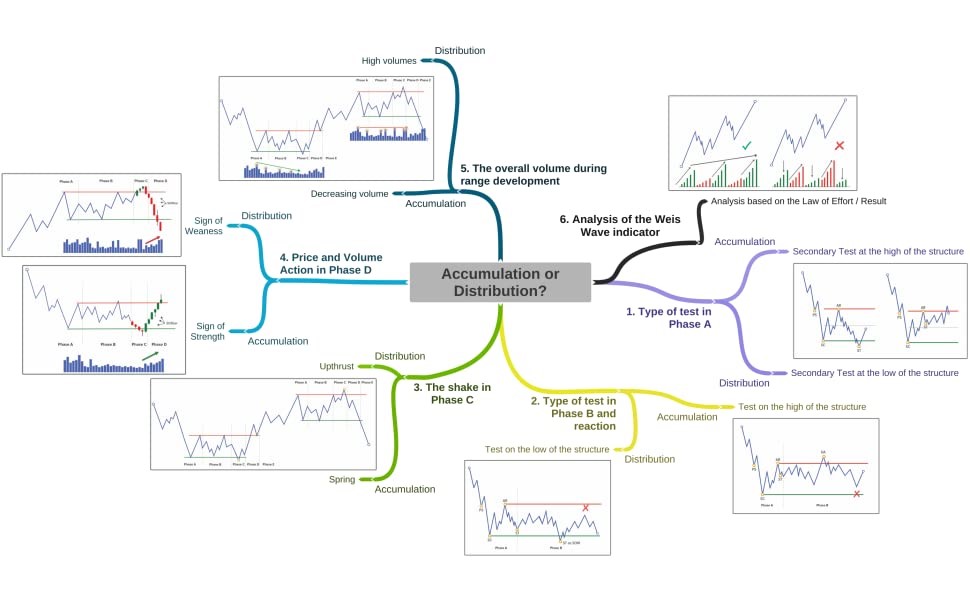
Many friends have asked me about OI data Analysis. This is very helpful in Nifty Trading.
I am retweeting my Beginners Pathway Thread No, 3 on Open Interest Data Analysis for benefit of all. https://t.co/cwYtbYK6JP

I am retweeting my Beginners Pathway Thread No, 3 on Open Interest Data Analysis for benefit of all. https://t.co/cwYtbYK6JP
Here comes the 3rd and final part of the long weekend 'Beginners' Pathway" series.
— Professor (@DillikiBiili) October 17, 2021
In this we'll see Open Interest basics and Option Chain Analysis.