Who owns it?
I think we have to allow for emerging identities. That's basically my thread. Traditionalists (the op) are important and necessary because they hold onto important knowledge.
But diaspora and urban Indigenous inevitably means emerging identity with combined medicine.
I was speaking to pan-Indigeneity. Authentic voices are important.
— Jamie Groat (@jamiegroat) January 19, 2021
Who owns it?
It is food and medicine and ceremony.
Who owns it?
We do not exist as we did thousands of years ago. We also have developed over centuries of hybridization and selecting for traits. We continue to develop and right now a new people is emerging. The Anishnaabe aren't the only ones with this prophecy btw.
And what even are our medicines? What medicines only belong to us.
This idea that Nish medicines are only for Nish ppl.
nope
https://t.co/xlGpaBNVc2
More from For later read


This response to my tweet is a common objection to targeted advertising.
@KevinCoates correct me if I'm wrong, but basic point seems to be that banning targeted ads will lower platform profits, but will mostly be beneficial for consumers.
Some counterpoints 👇
1) This assumes that consumers prefer contextual ads to targeted ones.
This does not seem self-evident to me
Research also finds that firms choose between ad. targeting vs. obtrusiveness 👇
If true, the right question is not whether consumers prefer contextual ads to targeted ones. But whether they prefer *more* contextual ads vs *fewer* targeted
2) True, many inframarginal platforms might simply shift to contextual ads.
But some might already be almost indifferent between direct & indirect monetization.
Hard to imagine that *none* of them will respond to reduced ad revenue with actual fees.
3) Policy debate seems to be moving from:
"Consumers are insufficiently informed to decide how they share their data."
To
"No one in their right mind would agree to highly targeted ads (e.g., those that mix data from multiple sources)."
IMO the latter statement is incorrect.
@KevinCoates correct me if I'm wrong, but basic point seems to be that banning targeted ads will lower platform profits, but will mostly be beneficial for consumers.
Some counterpoints 👇
That targeted ads allow for "free" products for consumers is a common talking point and we're going to see more of it in the coming months.: https://t.co/Xty3My3f0u (1/14)
— Kevin Coates (@KevinCoates) February 16, 2021
1) This assumes that consumers prefer contextual ads to targeted ones.
This does not seem self-evident to me
Great post by @Sherman1890 got me thinking about the future of targeted ads.
— Dirk Auer (@AuerDirk) February 12, 2021
More and more tools (privacy labels, ad blockers, GDPR) enable consumers to opt-out from targeted ads - can limit the data platforms receive or block ads altogether.
The end of targeted ads? \U0001f9f5\U0001f447 https://t.co/MA6A3BrUWq
Research also finds that firms choose between ad. targeting vs. obtrusiveness 👇
If true, the right question is not whether consumers prefer contextual ads to targeted ones. But whether they prefer *more* contextual ads vs *fewer* targeted
2) True, many inframarginal platforms might simply shift to contextual ads.
But some might already be almost indifferent between direct & indirect monetization.
Hard to imagine that *none* of them will respond to reduced ad revenue with actual fees.
3) Policy debate seems to be moving from:
"Consumers are insufficiently informed to decide how they share their data."
To
"No one in their right mind would agree to highly targeted ads (e.g., those that mix data from multiple sources)."
IMO the latter statement is incorrect.
You May Also Like




I'm going to do two history threads on Ethiopia, one on its ancient history, one on its modern story (1800 to today). 🇪🇹
I'll begin with the ancient history ... and it goes way back. Because modern humans - and before that, the ancestors of humans - almost certainly originated in Ethiopia. 🇪🇹 (sub-thread):
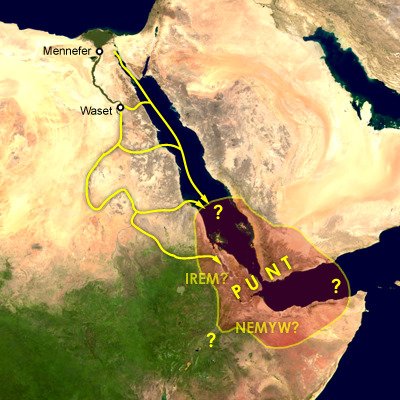
The first likely historical reference to Ethiopia is ancient Egyptian records of trade expeditions to the "Land of Punt" in search of gold, ebony, ivory, incense, and wild animals, starting in c 2500 BC 🇪🇹
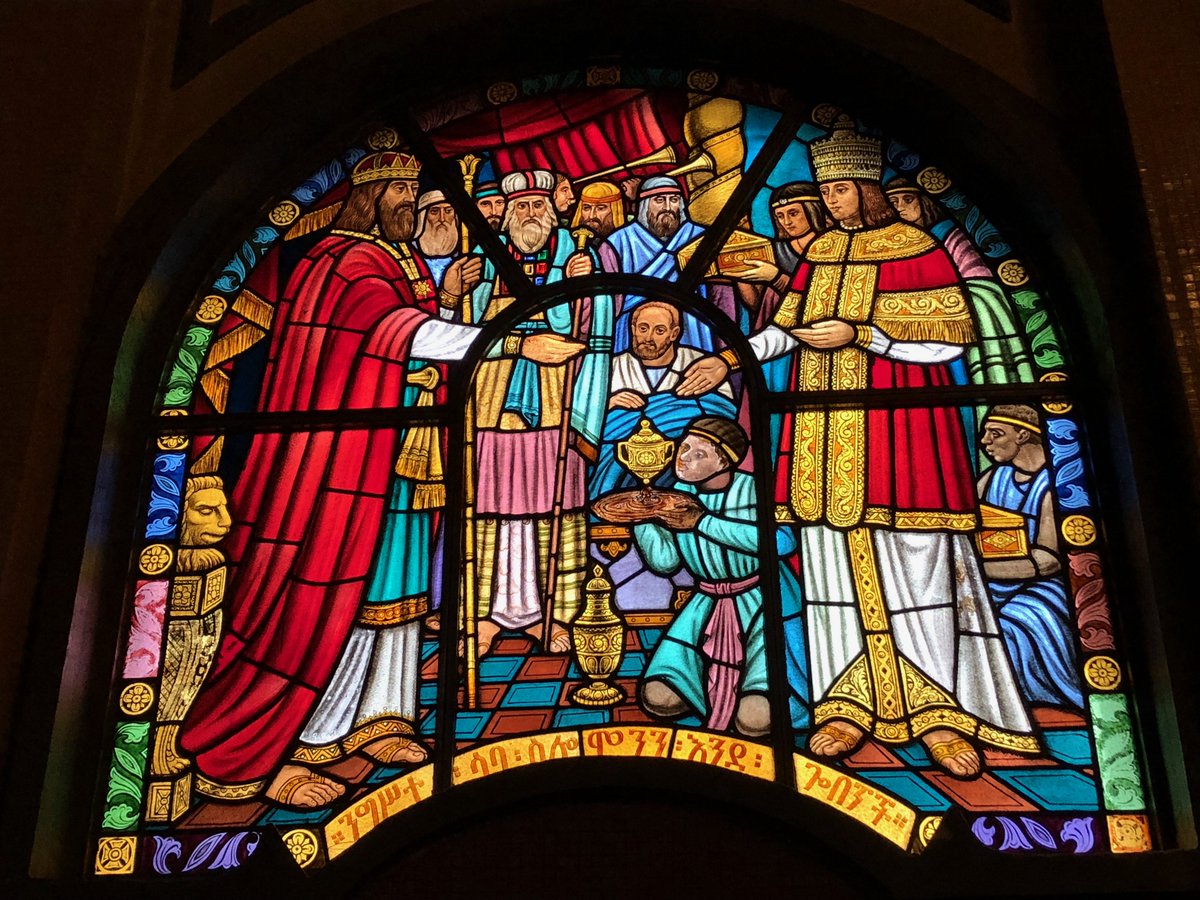
Ethiopians themselves believe that the Queen of Sheba, who visited Israel's King Solomon in the Bible (c 950 BC), came from Ethiopia (not Yemen, as others believe). Here she is meeting Solomon in a stain-glassed window in Addis Ababa's Holy Trinity Church. 🇪🇹
References to the Queen of Sheba are everywhere in Ethiopia. The national airline's frequent flier miles are even called "ShebaMiles". 🇪🇹

I'll begin with the ancient history ... and it goes way back. Because modern humans - and before that, the ancestors of humans - almost certainly originated in Ethiopia. 🇪🇹 (sub-thread):
The famous \u201cLucy\u201d, an early ancestor of modern humans (Australopithecus) that lived 3.2 million years ago, and was discovered in 1974 in Ethiopia, displayed in the national museum in Addis Ababa \U0001f1ea\U0001f1f9 pic.twitter.com/N3oWqk1SW2
— Patrick Chovanec (@prchovanec) November 9, 2018
The first likely historical reference to Ethiopia is ancient Egyptian records of trade expeditions to the "Land of Punt" in search of gold, ebony, ivory, incense, and wild animals, starting in c 2500 BC 🇪🇹
Ethiopians themselves believe that the Queen of Sheba, who visited Israel's King Solomon in the Bible (c 950 BC), came from Ethiopia (not Yemen, as others believe). Here she is meeting Solomon in a stain-glassed window in Addis Ababa's Holy Trinity Church. 🇪🇹
References to the Queen of Sheba are everywhere in Ethiopia. The national airline's frequent flier miles are even called "ShebaMiles". 🇪🇹