But it's not reparations.
Staying well out of this beef, but I've spent the last 48 hours in hysterics since I learned that an influencer has been getting fans to give her money by calling it "individual reparations."
That's the joke line I use when I want one of my white mates to get a round in!
But it's not reparations.
It's about recognising that
a) colonialism and slavery have had a lasting economic impact
It has been reinforced by the underdevelopment and debt servitude of the Global South, and the exploitation of labour and resources from the Global South.
But if you're serious about wanting to support reparations, it can't be an individual thing. It's about movement building.
But they're not necessarily politically active - more that they're avid consumers of political content.
More from For later read




Wow, Morgan McSweeney again, Rachel Riley, SFFN, Center for Countering Digital Hate, Imran Ahmed, JLM, BoD, Angela Eagle, Tracy-Ann Oberman, Lisa Nandy, Steve Reed, Jon Cruddas, Trevor Chinn, Martin Taylor, Lord Ian Austin and Mark Lewis. #LabourLeaks #StarmerOut 24 tweet🧵
Morgan McSweeney, Keir Starmer’s chief of staff, launched the organisation that now runs SFFN.
The CEO Imran Ahmed worked closely with a number of Labour figures involved in the campaign to remove Jeremy as leader.
Rachel Riley is listed as patron. https://t.co/nGY5QrwBD0

SFFN claims that it has been “a project of the Center For Countering Digital Hate” since 4 May 2020. The relationship between the two organisations, however, appears to date back far longer. And crucially, CCDH is linked to a number of figures on the Labour right. #LabourLeaks
Center for Countering Digital Hate registered at Companies House on 19 Oct 2018, the organisation’s only director was Morgan McSweeney – Labour leader Keir Starmer’s chief of staff. McSweeney was also the campaign manager for Liz Kendall’s leadership bid. #LabourLeaks #StarmerOut
Sir Keir - along with his chief of staff, Morgan McSweeney - held his first meeting with the Jewish Labour Movement (JLM). Deliberately used the “anti-Semitism” crisis as a pretext to vilify and then expel a leading pro-Corbyn activist in Brighton and Hove
Morgan McSweeney, Keir Starmer’s chief of staff, launched the organisation that now runs SFFN.
The CEO Imran Ahmed worked closely with a number of Labour figures involved in the campaign to remove Jeremy as leader.
Rachel Riley is listed as patron. https://t.co/nGY5QrwBD0
SFFN claims that it has been “a project of the Center For Countering Digital Hate” since 4 May 2020. The relationship between the two organisations, however, appears to date back far longer. And crucially, CCDH is linked to a number of figures on the Labour right. #LabourLeaks
Center for Countering Digital Hate registered at Companies House on 19 Oct 2018, the organisation’s only director was Morgan McSweeney – Labour leader Keir Starmer’s chief of staff. McSweeney was also the campaign manager for Liz Kendall’s leadership bid. #LabourLeaks #StarmerOut
Sir Keir - along with his chief of staff, Morgan McSweeney - held his first meeting with the Jewish Labour Movement (JLM). Deliberately used the “anti-Semitism” crisis as a pretext to vilify and then expel a leading pro-Corbyn activist in Brighton and Hove

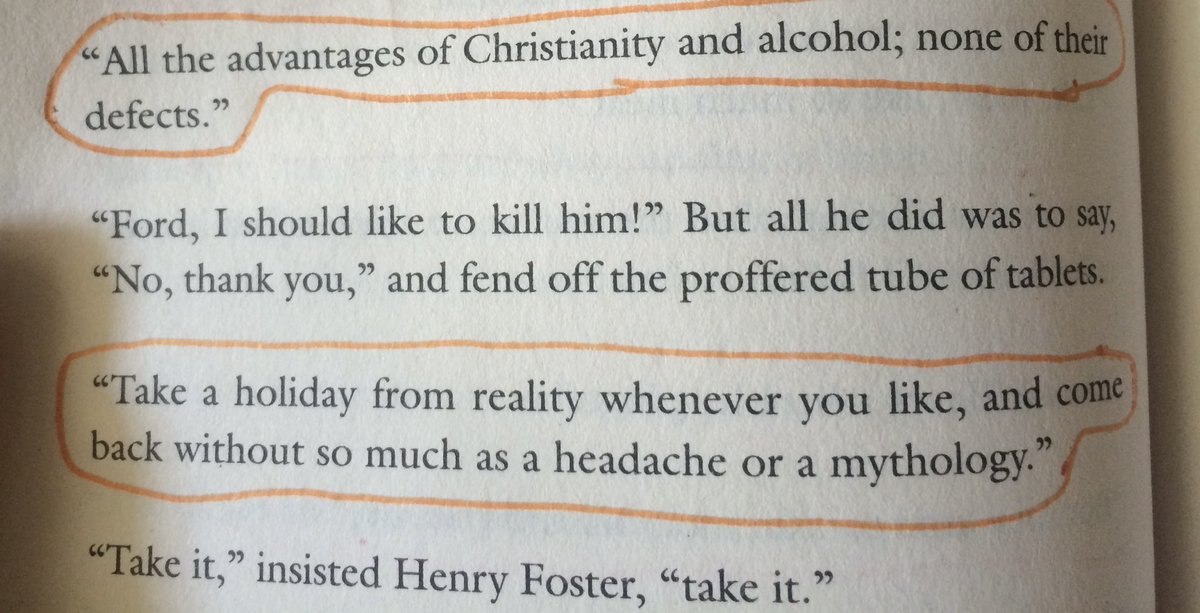
I shared this on my FB page and asked, can ya really blame him?
I was half kidding. I also assumed someone would think of what I did pretty quickly and waiting for the comment to mention what I assumed was obvious.
The timing. I was sure someone else had thought of it.
But no one did. 20+ comments in people discussed the morality or bad sense or libertarian perspectives. Someone even said I’m thinking about doing that. No one said what I thought was obvious. Have you thought of it? Is it obvious to you?
Here’s a clue...recognize it?
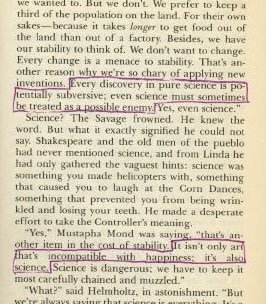
How about this?
The author discusses it with Mike Wallace in 1958
I was half kidding. I also assumed someone would think of what I did pretty quickly and waiting for the comment to mention what I assumed was obvious.
The timing. I was sure someone else had thought of it.
Columbia professor: I do heroin regularly for 'work-life balance' https://t.co/6aq9cnGfPG pic.twitter.com/3OmmaHKORx
— New York Post (@nypost) February 19, 2021
But no one did. 20+ comments in people discussed the morality or bad sense or libertarian perspectives. Someone even said I’m thinking about doing that. No one said what I thought was obvious. Have you thought of it? Is it obvious to you?
Here’s a clue...recognize it?
How about this?
The author discusses it with Mike Wallace in 1958