No lockdown sceptic I am aware argued against precautionary measures for the categorically vulnerable.
Bad faith smears, such as this article, omits so much context, order of events and perspective, in order to turn Lockdown into a partisan issue.
Context like claims about 500K deaths, and 67 million people under house arrest for a year.
No lockdown sceptic I am aware argued against precautionary measures for the categorically vulnerable.
https://t.co/J0ZBFKxfG4
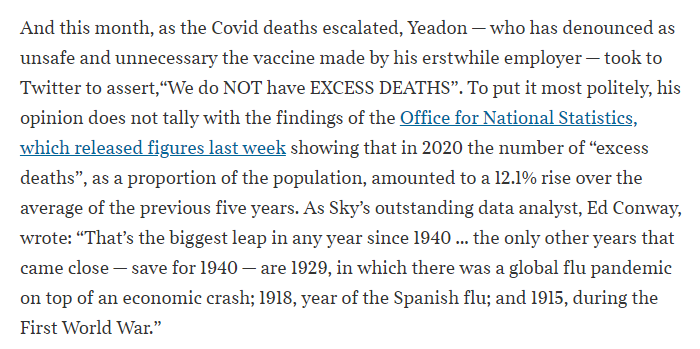
I\u2019ve called for a complete halt to PCR mass testing. Even if it was trustworthy, it serves no helpful purpose. We do NOT have EXCESS DEATHS. That\u2019s as it is in England & U.K. wide. People terrorised into staying home to die. Non-COVID excess deaths. Self-inflicted, due lockdown. https://t.co/M82gTgGpBm pic.twitter.com/c3CIfM7CZH
— Yardley Yeadon (@MichaelYeadon3) January 10, 2021
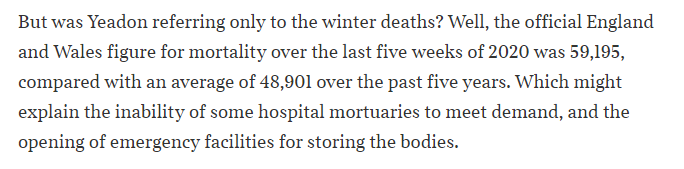
That is the reality of government policy.
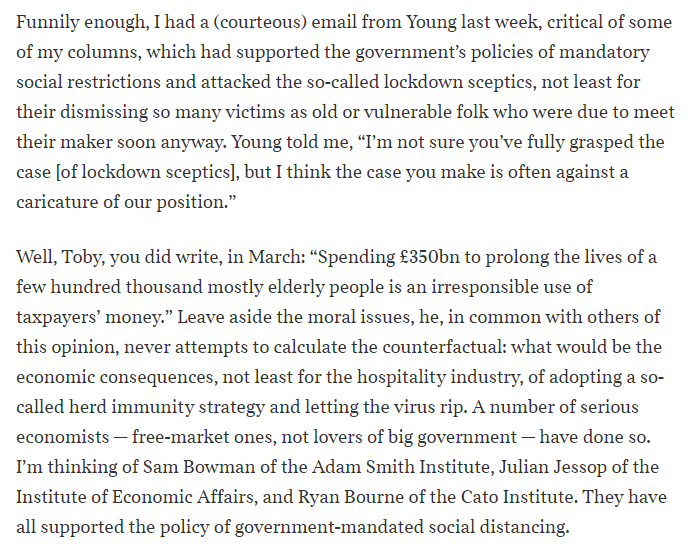
That's every bit a failure as Lawson's claims against Lockdown sceptics.
"Counterfactual" not required, Dom.
In the November article, he states that Bowman is "far from an illiberal interventionist".
But illiberal interventionism is exactly what Bowman is for. If he was ever against it, he folded under the pressure.
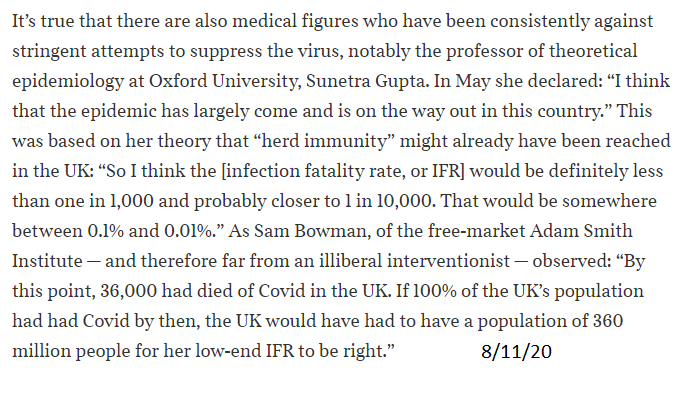
I would like to know what she actually said back in May.
It's fair to say that Gupta's claim is more nuanced than Lawson allows.
And it's a statement in an informal interview, not in a paper offered to peers in the field, like the prediction of 500K deaths was.
https://t.co/sV7Sh7315u
“I think there’s a chance we might have done better by doing nothing at all, or at least by doing something different, which would have been to pay attention to protecting the vulnerable..."
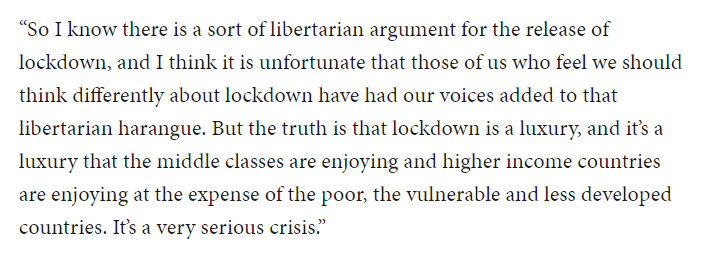
Lawson omits all that.
More from For later read



How I created content in 2020
A thread...
Back in Aug 2016, I started creating content to share my experiences as an entrepreneur.
Over 3 years I had put out 1,200+ hours of content - posting every week without
Little did I know that something I started almost 4 years back would give my life an entirely new direction.
At the end of 2019, my biggest platform was LinkedIn with ~700K followers.
In Jan 2020, I decided to build a team that would help me with the content.
I ran a month long recruitment drive to hire a team of interns.
It comprised 4 detailed rounds - starting with my loved 20 questions, then an assignment, then a WhatsApp video round and finally F2F.
Through 1,200+ applications, I finally selected 6 profiles, starting March.
I am a firm believer in @peterthiel's one task, one person philosophy
So the team was structured such that everyone was responsible for ONLY one task
1. Content ideas
2. Videography
3. Video editing
4. LinkedIn (+TikTok) distribution
5. FB+IG distribution
6. YouTube distribution
A thread...
Back in Aug 2016, I started creating content to share my experiences as an entrepreneur.
Over 3 years I had put out 1,200+ hours of content - posting every week without
August 2016.
— Ankur Warikoo (@warikoo) October 2, 2020
It has been 3 months since LinkedIn had launched its video feature.
And I had been waiting for it to be activated on my profile.
A thread...
Little did I know that something I started almost 4 years back would give my life an entirely new direction.
At the end of 2019, my biggest platform was LinkedIn with ~700K followers.
In Jan 2020, I decided to build a team that would help me with the content.
I ran a month long recruitment drive to hire a team of interns.
It comprised 4 detailed rounds - starting with my loved 20 questions, then an assignment, then a WhatsApp video round and finally F2F.
Through 1,200+ applications, I finally selected 6 profiles, starting March.
I am a firm believer in @peterthiel's one task, one person philosophy
So the team was structured such that everyone was responsible for ONLY one task
1. Content ideas
2. Videography
3. Video editing
4. LinkedIn (+TikTok) distribution
5. FB+IG distribution
6. YouTube distribution

Nice to discover Judea Pearl ask a fundamental question. What's an 'inductive bias'?
I crucial step on the road towards AGI is a richer vocabulary for reasoning about inductive biases.
explores the apparent impedance mismatch between inductive biases and causal reasoning. But isn't the logical thinking required for good causal reasoning also not an inductive bias?
An inductive bias is what C.S. Peirce would call a habit. It is a habit of reasoning. Logical thinking is like a Platonic solid of the many kinds of heuristics that are discovered.
The kind of black and white logic that is found in digital computers is critical to the emergence of today's information economy. This of course is not the same logic that drives the general intelligence that lives in the same economy.
Help! What precisely is "inductive bias"? Some ML researchers are in the opinion that the machine learning category of \u2018inductive biases\u2019 can allow us to build a causal understanding of the world. My Ladder of Causation says: "This is mathematically impossible". Who is right? 1/
— Judea Pearl (@yudapearl) February 14, 2021
I crucial step on the road towards AGI is a richer vocabulary for reasoning about inductive biases.
explores the apparent impedance mismatch between inductive biases and causal reasoning. But isn't the logical thinking required for good causal reasoning also not an inductive bias?
An inductive bias is what C.S. Peirce would call a habit. It is a habit of reasoning. Logical thinking is like a Platonic solid of the many kinds of heuristics that are discovered.
The kind of black and white logic that is found in digital computers is critical to the emergence of today's information economy. This of course is not the same logic that drives the general intelligence that lives in the same economy.

You May Also Like

1/x Fort Detrick History
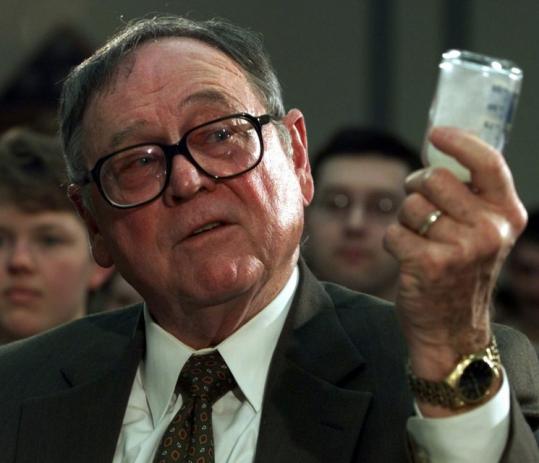
Mr. Patrick, one of the chief scientists at the Army Biological Warfare Laboratories at Fort Detrick in Frederick, Md., held five classified US patents for the process of weaponizing anthrax.
2/x
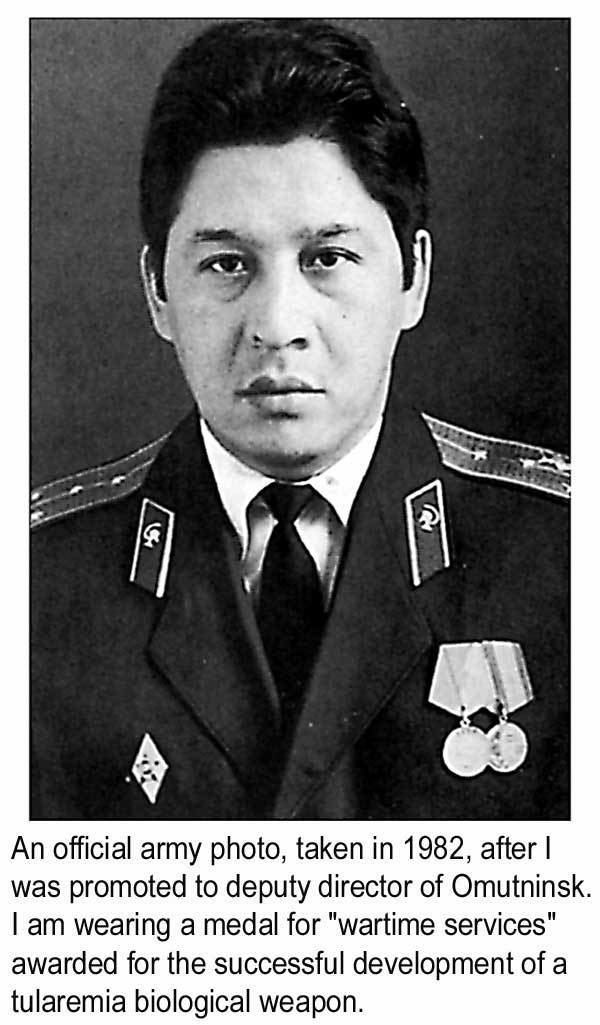
Under Mr. Patrick’s direction, scientists at Fort Detrick developed a tularemia agent that, if disseminated by airplane, could cause casualties & sickness over 1000s mi². In a 10,000 mi² range, it had 90% casualty rate & 50% fatality rate
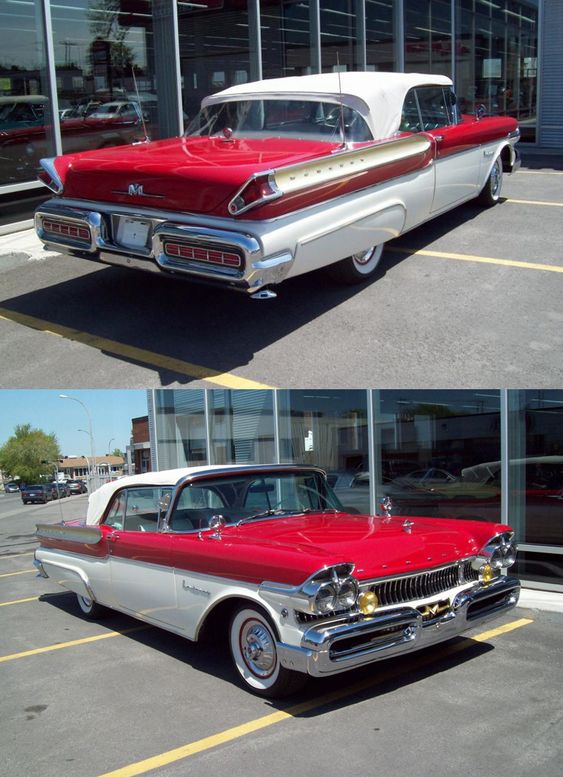
3/x His team explored Q fever, plague, & Venezuelan equine encephalitis, testing more than 20 anthrax strains to discern most lethal variety. Fort Detrick scientists used aerosol spray systems inside fountain pens, walking sticks, light bulbs, & even in 1953 Mercury exhaust pipes
4/x After retiring in 1986, Mr. Patrick remained one of the world’s foremost specialists on biological warfare & was a consultant to the CIA, FBI, & US military. He debriefed Soviet defector Ken Alibek, the deputy chief of the Soviet biowarfare program
https://t.co/sHqSaTSqtB
5/x Back in Time
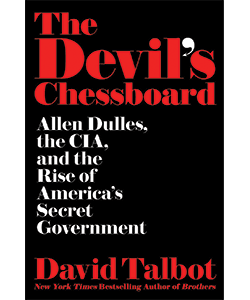
In 1949 the Army created a small team of chemists at "Camp Detrick" called Special Operations Division. Its assignment was to find military uses for toxic bacteria. The coercive use of toxins was a new field, which fascinated Allen Dulles, later head of the CIA
Mr. Patrick, one of the chief scientists at the Army Biological Warfare Laboratories at Fort Detrick in Frederick, Md., held five classified US patents for the process of weaponizing anthrax.
2/x
Under Mr. Patrick’s direction, scientists at Fort Detrick developed a tularemia agent that, if disseminated by airplane, could cause casualties & sickness over 1000s mi². In a 10,000 mi² range, it had 90% casualty rate & 50% fatality rate
3/x His team explored Q fever, plague, & Venezuelan equine encephalitis, testing more than 20 anthrax strains to discern most lethal variety. Fort Detrick scientists used aerosol spray systems inside fountain pens, walking sticks, light bulbs, & even in 1953 Mercury exhaust pipes
4/x After retiring in 1986, Mr. Patrick remained one of the world’s foremost specialists on biological warfare & was a consultant to the CIA, FBI, & US military. He debriefed Soviet defector Ken Alibek, the deputy chief of the Soviet biowarfare program
https://t.co/sHqSaTSqtB
5/x Back in Time
In 1949 the Army created a small team of chemists at "Camp Detrick" called Special Operations Division. Its assignment was to find military uses for toxic bacteria. The coercive use of toxins was a new field, which fascinated Allen Dulles, later head of the CIA