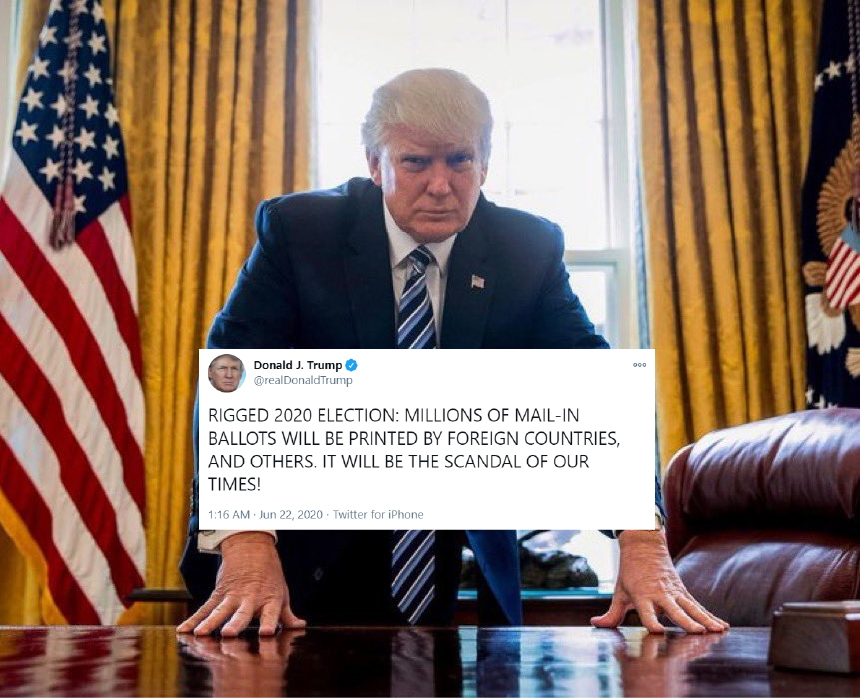
He did but this will speak for me.
Did your prophet not marry Aisha?
— Reason4Freedom (@Reason4Freedom) January 13, 2021


More from For later read


A name has caught the radar of agencies investigating #GretaToolkit- FRIEDRICH PIETER. Delhi Police expressed shock over the appearance of Pieter's name as "Who to Follow" in g-doc as he is under cops' scanner since 2006 for his Anti-India activities. Some shocking details..
1/9
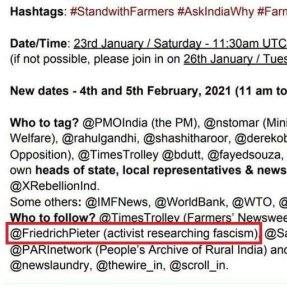
Pieter is close associate (read hired by) Bhajan Singh Bhindar, founder of OFMI (Org for Minorities of India) that considers itself an anti-Gandhi 'crusader' & is Pro-Khalistan. They also campaigned to free Bhullar (convicted Khalistani terr0r!st) & lobby against Modi in US.
2/9
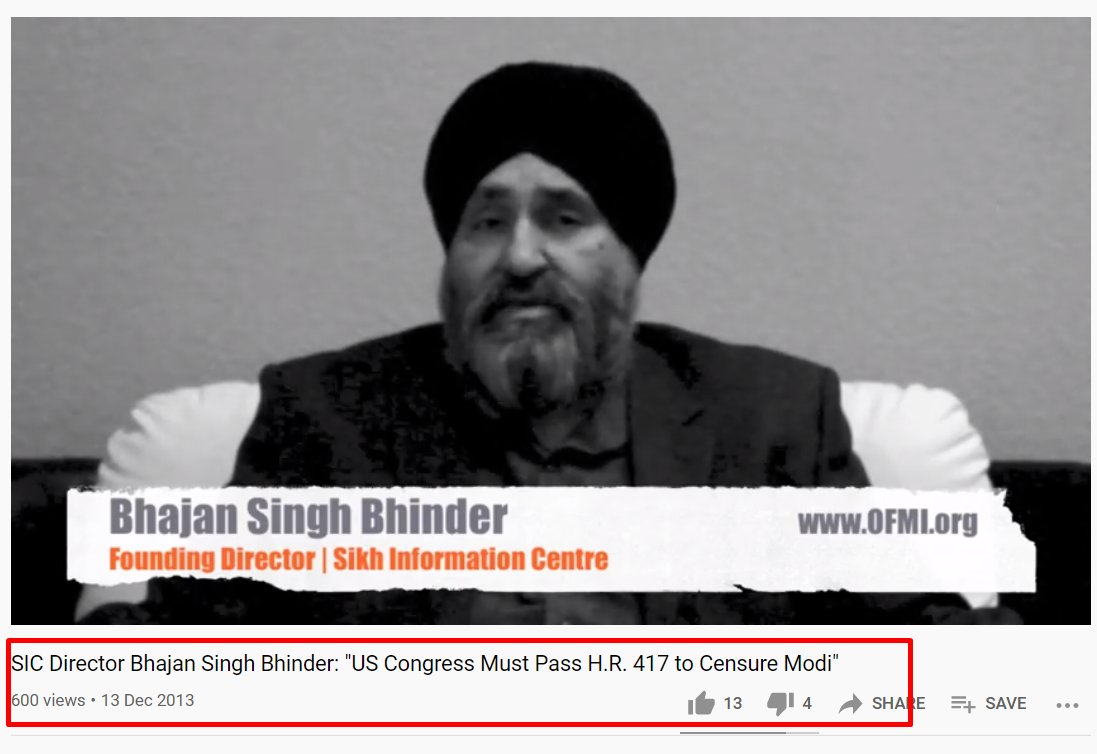
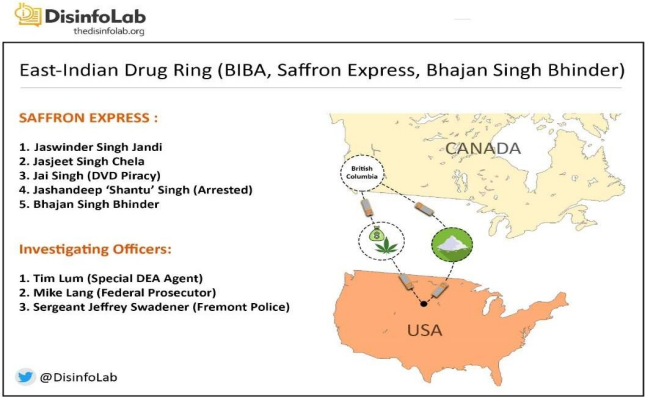
Bhinder has alleged connection with ISI & had records of owning inter-state drugs cartel & DVD piracy for terr0r funding. They also took control Fremont Gurudwara, US back in 2003 for millions of donation. Details of this 'Info-War' by @DisinfoLab
https://t.co/oIDFSoaDX2
3/9
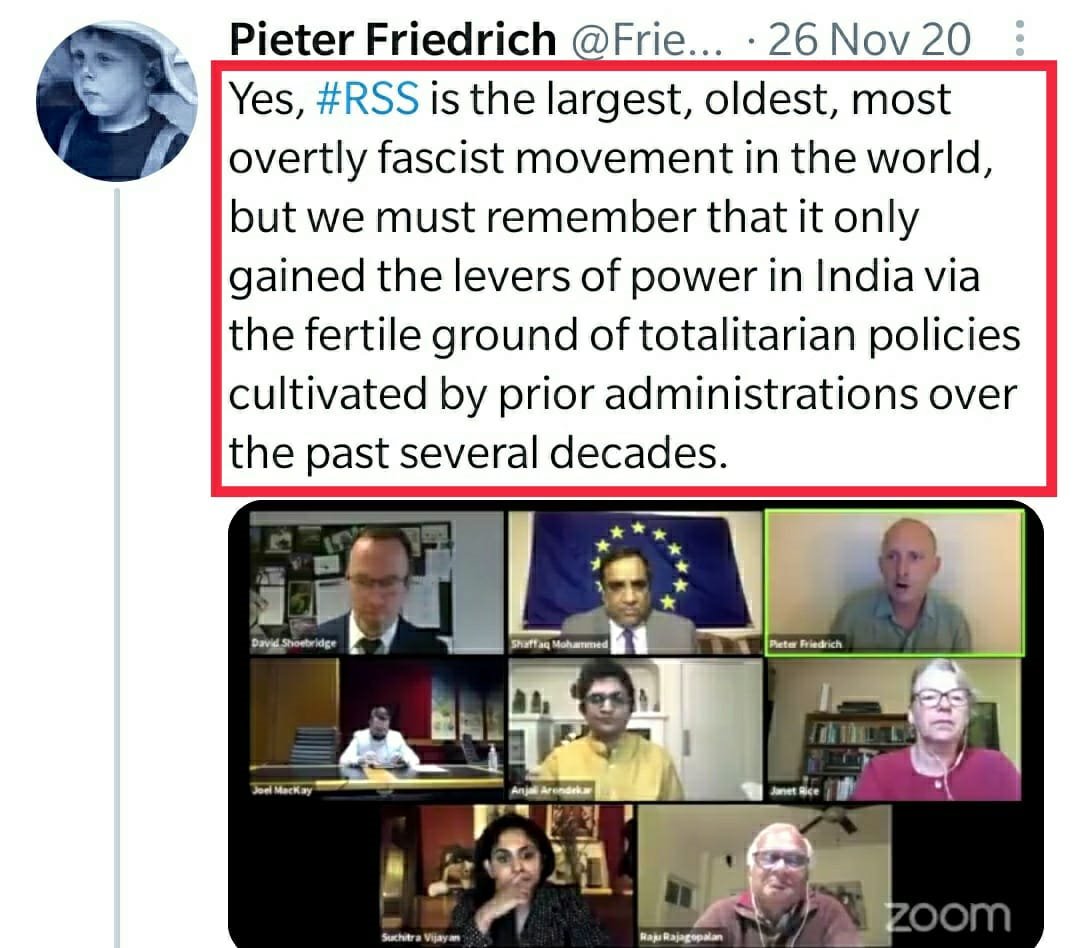
Back to Pieter. Take a glance at his work. His TL is filled with anti-BJP/RSS/Modi propaganda. From his speeches to articles, everything have few keywords in common- RSS/Fascism/gen0c!de/k!ll!ing/Kashmir/Hindutva, as if running a non-stop unrest in India is his bread & butter
4/9
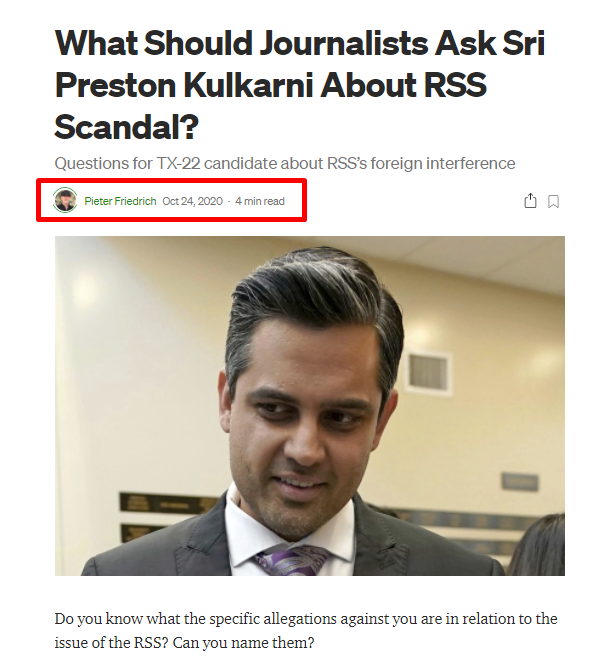
He picks every topic with an extreme narrative that potentially hurts integrity of nation, be it Kashmir,CAA,1984 & with his recent projects- Farmer protest & campaigning heavily against Sri Kulkarni. Despite all, Kulkarni appointed as Chief of Ext Affairs at Biden admin.
5/9
1/9
Pieter is close associate (read hired by) Bhajan Singh Bhindar, founder of OFMI (Org for Minorities of India) that considers itself an anti-Gandhi 'crusader' & is Pro-Khalistan. They also campaigned to free Bhullar (convicted Khalistani terr0r!st) & lobby against Modi in US.
2/9
Bhinder has alleged connection with ISI & had records of owning inter-state drugs cartel & DVD piracy for terr0r funding. They also took control Fremont Gurudwara, US back in 2003 for millions of donation. Details of this 'Info-War' by @DisinfoLab
https://t.co/oIDFSoaDX2
3/9
Back to Pieter. Take a glance at his work. His TL is filled with anti-BJP/RSS/Modi propaganda. From his speeches to articles, everything have few keywords in common- RSS/Fascism/gen0c!de/k!ll!ing/Kashmir/Hindutva, as if running a non-stop unrest in India is his bread & butter
4/9
He picks every topic with an extreme narrative that potentially hurts integrity of nation, be it Kashmir,CAA,1984 & with his recent projects- Farmer protest & campaigning heavily against Sri Kulkarni. Despite all, Kulkarni appointed as Chief of Ext Affairs at Biden admin.
5/9