By the time @swaguphq was started I had launched at least 15+ different ideas of varying levels of success growing up
Deciding what to and when to go all in on an idea is super challenging and there’s a lot of bad advice out there
Here’s how it went for me and SwagUp
Here we go 👇
By the time @swaguphq was started I had launched at least 15+ different ideas of varying levels of success growing up
And that’s largely because building startups are less about the product and ideas, and more about markets, timing, and execution
This is where you see many “over night successes” that were really the culmination of years of at bats, even for me at 25, I started at 6 :)
Leading up to it, I had known a bit about the industry, needing swag while launching and app in school, eventually selling flags and custom shirts to fraternities on campus in college
When I got there, the two worlds collided, I had the swag background and also saw how passionate startups were about swag
- emphasis on brand development
- employee engagement/culture
- community building
- Remote work environments
- breaking through digital noise
All of these made the need for swag more apparent
On one side you had large, faceless ecom site like 4imprint that throw you into a sea of garbage for you to fend for yourself and figure it out
And on the other side you have...
People at startups are different, they are wary adopters, risk takers, they like great design and experiences, they like companies that get them
No “promotional products” understood startups
This cost basically nothing to set up and I could do it on nights and weekend
Turns out they did, within a matter of days we were getting inbounds from startups like Soylent (amongst others I can’t remember)
Startups were looking for a new way
In the first full month I think we did about $5k, it wasn’t a ton but it was enough to say people wanted a better way, were willing to try something new from an unknown co
1. How quickly I was able to get paying customers
2. Size and fragmentation of the market ($30B ish)
3. Favorable cash dynamics
Size/Fragmentation - Early on I learned that the market was close to $30b and consisted of 30k distributors, 98% of which did under $2.5m - Too many distributors all selling the same shit in the same way + fish where there’s already money
I think too many people want to be Elon Musk and change the world with solutions to improved problems (or at least they think that’s what he’s doing)
With swag, it’s custom, so you produce as ordered, no inventory needed
So no inventory + able to build differentiated product through no code tech = no real capital needed upfront
Don’t get so caught up on what the product is early on
Create rapid feedback loops and keep stacking wins
Keep your head down and do that for a few years in a large market and you’ll have a huge business
To the moon 🚀
Have another thread concept you think would be interesting, let me know below 👇
More from For later read


Today's Twitter threads (a Twitter thread).
Inside: Planet Money on HP's myriad ripoffs; Strength in numbers; and more!
Archived at: https://t.co/esjoT3u5Gr
#Pluralistic
1/

On Feb 22, I'm delivering a keynote address for the NISO Plus conference, "The day of the comet: what trustbusting means for digital manipulation."
https://t.co/Z84xicXhGg
2/

Planet Money on HP's myriad ripoffs: Ink-stained wretches of the world, unite!
https://t.co/k5ASdVUrC2
3/

Strength in numbers: The crisis in accounting.
https://t.co/DjfAfHWpNN
4/

#15yrsago Bad Samaritan family won’t return found expensive camera https://t.co/Rn9E5R1gtV
#10yrsago What does Libyan revolution mean for https://t.co/Jz28qHVhrV? https://t.co/dN1e4MxU4r
5/

Inside: Planet Money on HP's myriad ripoffs; Strength in numbers; and more!
Archived at: https://t.co/esjoT3u5Gr
#Pluralistic
1/
On Feb 22, I'm delivering a keynote address for the NISO Plus conference, "The day of the comet: what trustbusting means for digital manipulation."
https://t.co/Z84xicXhGg
2/
Planet Money on HP's myriad ripoffs: Ink-stained wretches of the world, unite!
https://t.co/k5ASdVUrC2
3/
Back in November, I published an article for @EFF about @HP's latest printer-ink ripoff: after offering its customers a free-ink-for-life plan, it unilaterally switched them all to a $1/month-for-life plan.https://t.co/bsc73xPSuo
— Cory Doctorow #BLM (@doctorow) February 18, 2021
1/ pic.twitter.com/tagduPupA5
Strength in numbers: The crisis in accounting.
https://t.co/DjfAfHWpNN
4/
Accountancy is more likely to be mocked than celebrated (or condemned), but accountants, far more than poets, are the unacknowledged legislators of the world.
— Cory Doctorow #BLM (@doctorow) February 18, 2021
1/ pic.twitter.com/FaNQc66gQN
#15yrsago Bad Samaritan family won’t return found expensive camera https://t.co/Rn9E5R1gtV
#10yrsago What does Libyan revolution mean for https://t.co/Jz28qHVhrV? https://t.co/dN1e4MxU4r
5/

You May Also Like









Speech Delay is most common in children nowadays
In ancient times, our grandparents used to follow typical natural way of caring the needs of a child. All they used were more of natural products than chemical based for the growth of child.

One of major step followed was to feed Gurbach Jadd/ Vasa Kommu/ Acorus Calamus for initiating good speech ability in a child. This stem was needed to babies on Tuesdays and Sundays in mother's milk.
Vasa is feed to baby after the 1st bath on 12th day in week. Weekly only thrice it is fed and named as :
Budhwar - Budhi Vasa
Mangalwar - Vaak Vasa
Ravi Vaar - Aayush Vasa
This stem is burnt and rubbed against the grinding stone in mother's milk or warm water to get a paste
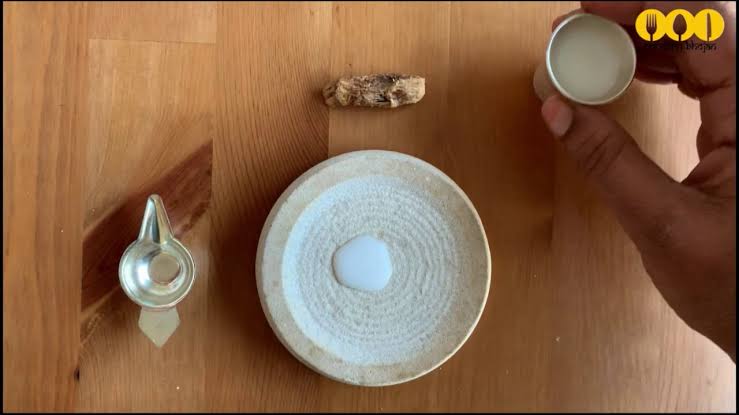
The procedure to make it is in the link
https://t.co/uo4sGp7mUm
It should not be given daily to the child. Other main benefits are
1. It clears the phlegm in child's throat caused due to continuous milk intake. It clears the tracts and breathing is effortless.
2. Digestion
For children who haven't got their speech and is delayed than usual should feed this vasa on these days in week atleast for 6months. Don't get carried away with this dialogue
"Some gain speech little late"
In ancient times, our grandparents used to follow typical natural way of caring the needs of a child. All they used were more of natural products than chemical based for the growth of child.
One of major step followed was to feed Gurbach Jadd/ Vasa Kommu/ Acorus Calamus for initiating good speech ability in a child. This stem was needed to babies on Tuesdays and Sundays in mother's milk.
Vasa is feed to baby after the 1st bath on 12th day in week. Weekly only thrice it is fed and named as :
Budhwar - Budhi Vasa
Mangalwar - Vaak Vasa
Ravi Vaar - Aayush Vasa
This stem is burnt and rubbed against the grinding stone in mother's milk or warm water to get a paste
The procedure to make it is in the link
https://t.co/uo4sGp7mUm
It should not be given daily to the child. Other main benefits are
1. It clears the phlegm in child's throat caused due to continuous milk intake. It clears the tracts and breathing is effortless.
2. Digestion
For children who haven't got their speech and is delayed than usual should feed this vasa on these days in week atleast for 6months. Don't get carried away with this dialogue
"Some gain speech little late"