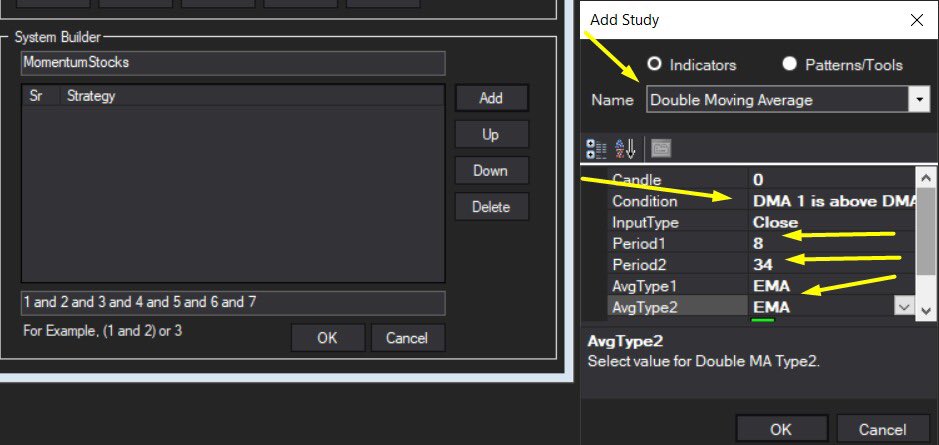
Nifty 50 market-cap weight index - the market decides how much you are #investing in each stock - like HDFC bank -10%, RIL 10%, Adani 0.7%
N50 Equal wt - 2% invested equally in all stocks.
Eq wt gives more weightgae to bottom stocks too.
Better returns due to higher risk.
More from India ETFs & Index Funds
Important.
Whenever you invest in Fund of funds, check the expense ratios of both the local fund & the global fund which is investing into.
e.g., Nasdaq FOF ER is 0.1%, but you have to add the ER of ETF which 0.54%, total 0.64%
Good to see AMCs like @EdelweissMF mentioning it.
Whenever you invest in Fund of funds, check the expense ratios of both the local fund & the global fund which is investing into.
e.g., Nasdaq FOF ER is 0.1%, but you have to add the ER of ETF which 0.54%, total 0.64%
Good to see AMCs like @EdelweissMF mentioning it.
When you invest in a global fund, and compare expenses across funds:
— Radhika Gupta (@iRadhikaGupta) June 22, 2021
1. Compare \U0001f34e to \U0001f34e: Total cost includes offshore fund cost plus what local AMC charges.
2. Get this data from the AMC website. Many 3rd party websites don\u2019t include underlying fund costs.
1/3
More from Etf
You May Also Like
1/“What would need to be true for you to….X”
Why is this the most powerful question you can ask when attempting to reach an agreement with another human being or organization?
A thread, co-written by @deanmbrody:
2/ First, “X” could be lots of things. Examples: What would need to be true for you to
- “Feel it's in our best interest for me to be CMO"
- “Feel that we’re in a good place as a company”
- “Feel that we’re on the same page”
- “Feel that we both got what we wanted from this deal
3/ Normally, we aren’t that direct. Example from startup/VC land:
Founders leave VC meetings thinking that every VC will invest, but they rarely do.
Worse over, the founders don’t know what they need to do in order to be fundable.
4/ So why should you ask the magic Q?
To get clarity.
You want to know where you stand, and what it takes to get what you want in a way that also gets them what they want.
It also holds them (mentally) accountable once the thing they need becomes true.
5/ Staying in the context of soliciting investors, the question is “what would need to be true for you to want to invest (or partner with us on this journey, etc)?”
Multiple responses to this question are likely to deliver a positive result.
Why is this the most powerful question you can ask when attempting to reach an agreement with another human being or organization?
A thread, co-written by @deanmbrody:
Next level tactic when closing a sale, candidate, or investment:
— Erik Torenberg (@eriktorenberg) February 27, 2018
Ask: \u201cWhat needs to be true for you to be all in?\u201d
You'll usually get an explicit answer that you might not get otherwise. It also holds them accountable once the thing they need becomes true.
2/ First, “X” could be lots of things. Examples: What would need to be true for you to
- “Feel it's in our best interest for me to be CMO"
- “Feel that we’re in a good place as a company”
- “Feel that we’re on the same page”
- “Feel that we both got what we wanted from this deal
3/ Normally, we aren’t that direct. Example from startup/VC land:
Founders leave VC meetings thinking that every VC will invest, but they rarely do.
Worse over, the founders don’t know what they need to do in order to be fundable.
4/ So why should you ask the magic Q?
To get clarity.
You want to know where you stand, and what it takes to get what you want in a way that also gets them what they want.
It also holds them (mentally) accountable once the thing they need becomes true.
5/ Staying in the context of soliciting investors, the question is “what would need to be true for you to want to invest (or partner with us on this journey, etc)?”
Multiple responses to this question are likely to deliver a positive result.